
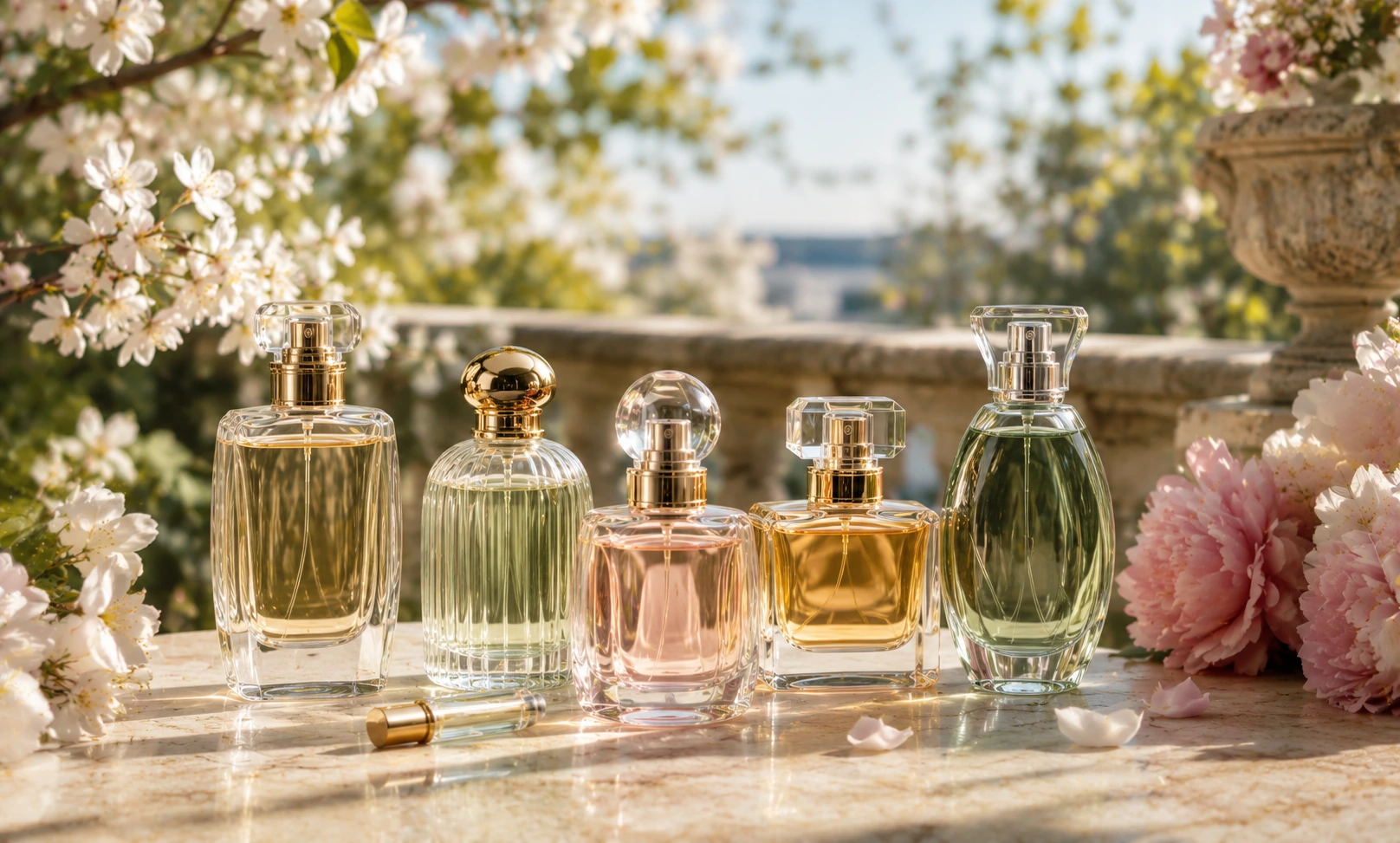
Spring Perfumes Explained: Notes, Vibes, and When to Wear Them
Why Spring Feels Like a Fresh Start for Your Fragrance Collection
Every season changes the way the world smells.
Winter is heavy, cozy, and often filled with warm woods, vanilla, amber, and spices. Summer is bright, energetic, and sometimes intense with tropical fruits and powerful fresh accords. Fall brings richness, depth, and comfort.
But spring feels different.
It’s the season of renewal. Trees begin to bloom, grass becomes greener, days get longer, and people naturally spend more time outdoors. Even if you don’t consciously think about it, your brain notices these environmental changes. As a result, many fragrances that felt perfect in January suddenly seem too dense by April.
This is exactly why spring fragrances have become one of the most important categories in modern perfumery.
Spring perfumes are designed to match the atmosphere of transition. They balance freshness and warmth. They feel energetic without being aggressive. They smell clean without becoming boring. Most importantly, they create an impression that feels approachable, optimistic, and socially versatile.
For many fragrance enthusiasts, spring is also the biggest discovery season of the year. New launches arrive in stores, people refresh their wardrobes, and fragrance brands introduce scents designed specifically for changing weather conditions. In fact, many consumers begin exploring entirely new scent profiles during spring rather than simply replacing empty bottles.
Throughout this guide, you’ll learn what actually makes a perfume feel like spring, why certain notes dominate the season, how spring fragrances differ from summer, winter, and fall scents, when they work best, and why Americans often purchase more fragrances during spring than at any other time of the year.
Whether you’re completely new to fragrances or building a larger collection, this guide will help you understand the entire world of spring perfumes from both a practical and psychological perspective.
What Makes a Perfume Feel Like Spring?
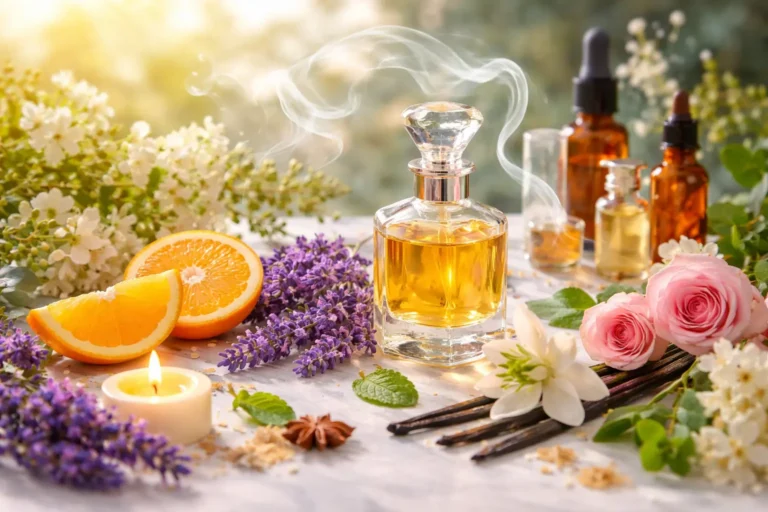
A perfume feels like spring when it combines freshness, lightness, and natural energy. Spring fragrances often feature floral, citrus, green, fruity, and airy notes that reflect blooming landscapes and warmer temperatures. Unlike winter fragrances, they avoid excessive heaviness while still providing enough character to remain noticeable in mild weather.
🌿 What Makes a Perfume Feel Like Spring?
Many people assume that a spring fragrance simply means a perfume with flowers in it.
The reality is much more interesting.
Spring perfumes are not defined by a single ingredient. Instead, they are defined by the overall feeling they create.
Think about a typical spring morning.
The air feels cleaner.
The temperature is comfortable.
Plants are growing.
Sunlight is brighter than it was during winter.
People spend more time outside.
A successful spring fragrance captures these sensations and translates them into scent.
This is why many spring fragrances emphasize freshness, transparency, brightness, and movement rather than richness and density.
One of the biggest factors is projection style.
Spring fragrances often create a softer scent cloud compared to winter fragrances. They are designed to feel present without overwhelming people nearby.
This concept becomes easier to understand when comparing spring scents to colder-weather fragrances. In winter, heavy vanilla, tobacco, leather, amber, and resinous notes can feel comforting because cold temperatures reduce diffusion. In spring, those same ingredients may feel overly dense or out of place.
The balance between freshness and character is what truly defines a spring perfume.
If you’d like a deeper breakdown of this concept, our article “What Makes a Perfume Feel Like Spring?“ explores the topic in greater detail.
Spring Fragrances Are Built Around Energy
One common characteristic of spring perfumes is their ability to feel energetic.
Energy in fragrance usually comes from ingredients that create brightness and lift.
Examples include:
- Bergamot
- Lemon
- Grapefruit
- Mandarin
- Green leaves
- Neroli
- Fresh florals
- Tea accords
These ingredients help fragrances feel alive and dynamic rather than heavy and static.
This doesn’t necessarily mean spring perfumes are weak.
Many spring fragrances have excellent longevity. They simply express their strength differently.
Rather than creating a dense wall of scent, they often create a smoother and more natural presence throughout the day.
Weather Plays a Huge Role
Seasonal fragrance preferences are heavily influenced by climate.
As temperatures rise, scent molecules evaporate more quickly. This changes how fragrances smell on skin.
A perfume that feels perfectly balanced during winter may suddenly seem stronger, sweeter, or heavier once spring arrives.
Because of this, fragrance houses often design spring releases specifically for moderate temperatures.
These perfumes typically:
✔️ Feel lighter on skin
✔️ Smell cleaner in outdoor environments
✔️ Remain pleasant during longer days
✔️ Work well in social settings
✔️ Adapt easily between indoor and outdoor activities
This versatility is one reason spring fragrances appeal to such a wide audience.
Spring Is the Season of Balance
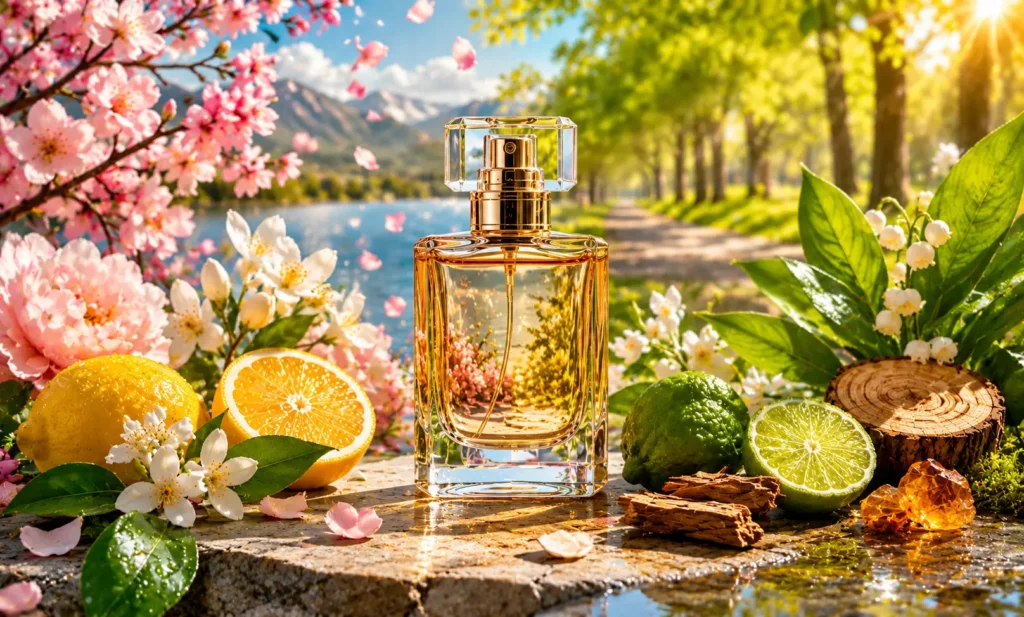
One reason many fragrance enthusiasts love spring is that it sits between extremes.
Winter fragrances often focus on warmth.
Summer fragrances often focus on freshness.
Spring fragrances combine both.
This balance creates enormous creative freedom for perfumers.
A spring fragrance can contain citrus notes while also including soft woods.
It can contain florals without becoming overly sweet.
It can contain musk without feeling heavy.
It can contain fruit notes without smelling tropical.
This flexibility allows spring fragrances to appeal to many different tastes.
Spring Perfumes Often Feel More Social
Another interesting characteristic of spring fragrances is how approachable they tend to be.
Many people naturally associate spring scents with:
- Cleanliness
- Freshness
- Optimism
- New beginnings
- Outdoor activities
- Social gatherings
These associations influence perception.
Research in consumer psychology repeatedly shows that scent affects emotional responses and social impressions. Because spring fragrances are often lighter and more universally pleasant, they tend to generate fewer negative reactions in shared spaces.
This is one reason many professionals switch to spring fragrances for work environments.
If you’re interested in how these emotional associations influence scent preferences, you’ll find a deeper explanation in “The Psychology of Spring Fragrances: Why Fresh Scents Feel Different.”
Spring Is Also About Discovery
Unlike winter, which often encourages comfort and familiarity, spring naturally encourages exploration.
People update wardrobes.
Travel increases.
Outdoor events become more common.
New product launches appear.
These lifestyle changes influence fragrance behavior.
Many consumers start testing new perfumes during spring rather than remaining loyal to a single scent.
This trend has become especially noticeable in the United States, where seasonal fragrance shopping has become increasingly connected to social media recommendations and discovery culture.
We’ll explore this phenomenon later when discussing why spring has become the biggest fragrance discovery season of the year.
Comparison Table: Spring vs Non-Spring Fragrance Characteristics
| Characteristic | Spring Fragrances | Winter Fragrances | Summer Fragrances |
|---|---|---|---|
| Overall Feel | Fresh & Balanced | Warm & Rich | Bright & Energetic |
| Typical Notes | Floral, Citrus, Green | Vanilla, Amber, Spice | Citrus, Aquatic, Tropical |
| Social Versatility | Very High | Moderate | High |
| Office Friendliness | Excellent | Moderate | High |
| Outdoor Performance | Excellent | Moderate | Excellent |
| Seasonal Mood | Renewal & Growth | Comfort & Warmth | Freedom & Activity |
Why Understanding Spring Fragrances Matters
Many people buy fragrances based only on reviews or popularity.
However, understanding the principles behind seasonal perfumery helps you make smarter decisions.
Once you understand what creates a spring feeling, you’ll begin recognizing patterns across hundreds of fragrances.
You’ll notice why certain notes appear repeatedly.
You’ll understand why some perfumes feel perfect in April but strange in January.
Most importantly, you’ll become better at choosing fragrances that match both your environment and your lifestyle.
In the next section, we’ll explore the specific notes that define spring fragrances, including floral, citrus, green, fresh, and airy accords, and explain why these ingredients dominate the season year after year.
🌸 Spring Notes Explained: The Ingredients That Define the Season
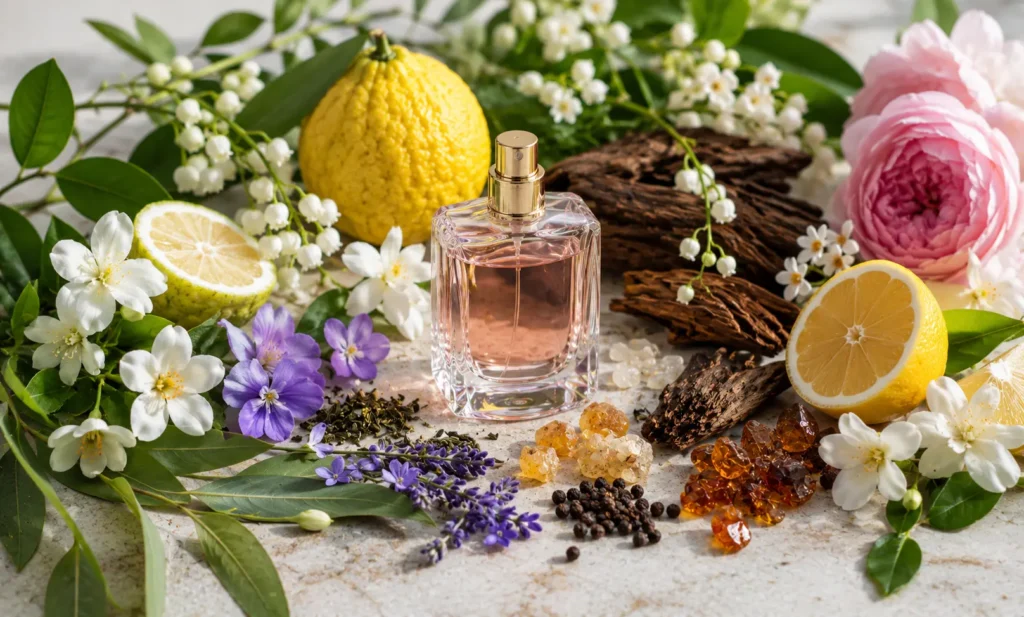
If spring fragrances are built around freshness, balance, and optimism, then fragrance notes are the tools perfumers use to create those feelings.
One of the easiest ways to identify a spring fragrance is to look at its note structure.
Unlike winter perfumes, which often rely on heavy ingredients such as vanilla, amber, tobacco, oud, and spices, spring fragrances tend to focus on notes that feel lighter, brighter, and more transparent.
But not all spring perfumes smell the same.
Some emphasize flowers.
Some focus on citrus.
Others lean into green notes, fresh musk, tea accords, watery elements, or soft woods.
Together, these ingredients create the signature atmosphere that many people associate with spring.
If you’d like a dedicated breakdown of why these note categories dominate the season, see “Why Floral, Citrus, and Green Notes Define Spring Fragrances.”
What Are the Most Popular Spring Fragrance Notes?
The most popular spring fragrance notes include bergamot, lemon, grapefruit, neroli, jasmine, orange blossom, lily of the valley, green leaves, tea accords, soft musk, and light woods. These ingredients create a clean, uplifting, and balanced scent profile that matches spring weather and outdoor lifestyles.
🍋 Citrus Notes: The Opening Signal of Spring
Few ingredients communicate freshness as effectively as citrus.
This is why citrus notes appear in countless spring fragrances.
Popular examples include:
- Bergamot
- Lemon
- Grapefruit
- Mandarin
- Orange
- Yuzu
Citrus ingredients create an immediate feeling of energy.
They often dominate the opening minutes of a fragrance and help establish a clean, uplifting first impression.
Bergamot deserves special attention because it appears in an enormous number of modern spring fragrances.
Unlike lemon, which can feel sharp, bergamot combines freshness with subtle elegance.
This versatility explains why it is often considered the king of spring citrus notes.
🌿 Green Notes: Bringing Nature Into the Bottle
Spring is a season of growth.
Trees bloom.
Grass returns.
Gardens become colorful.
Green fragrance notes help recreate these natural experiences.
Examples include:
- Fresh-cut grass
- Violet leaf
- Green tea
- Galbanum
- Fig leaf
- Bamboo accords
These notes create a feeling of living vegetation.
Instead of smelling sweet or fruity, they smell natural, airy, and refreshing.
Green notes are especially useful because they help fragrances feel realistic.
Rather than smelling like a perfume, they often smell like an environment.
This is one reason green fragrances remain popular among people who prefer subtle sophistication.
🌼 Floral Notes: The Heart of Spring Perfumery
Flowers are perhaps the most recognizable symbol of spring.
However, floral fragrances are much more diverse than many people realize.
Some flowers smell creamy.
Others smell fresh.
Some feel powdery.
Others feel green or citrusy.
Common spring florals include:
- Jasmine
- Orange blossom
- Neroli
- Lily of the valley
- Peony
- Rose
- Magnolia
- Freesia
Modern spring fragrances typically avoid overly dense floral compositions.
Instead, perfumers often combine flowers with citrus or green notes to create a lighter, more contemporary style.
For a deeper exploration of these ingredients, see “The Most Popular Spring Fragrance Notes Explained.”
🍃 Tea Notes and Airy Accords
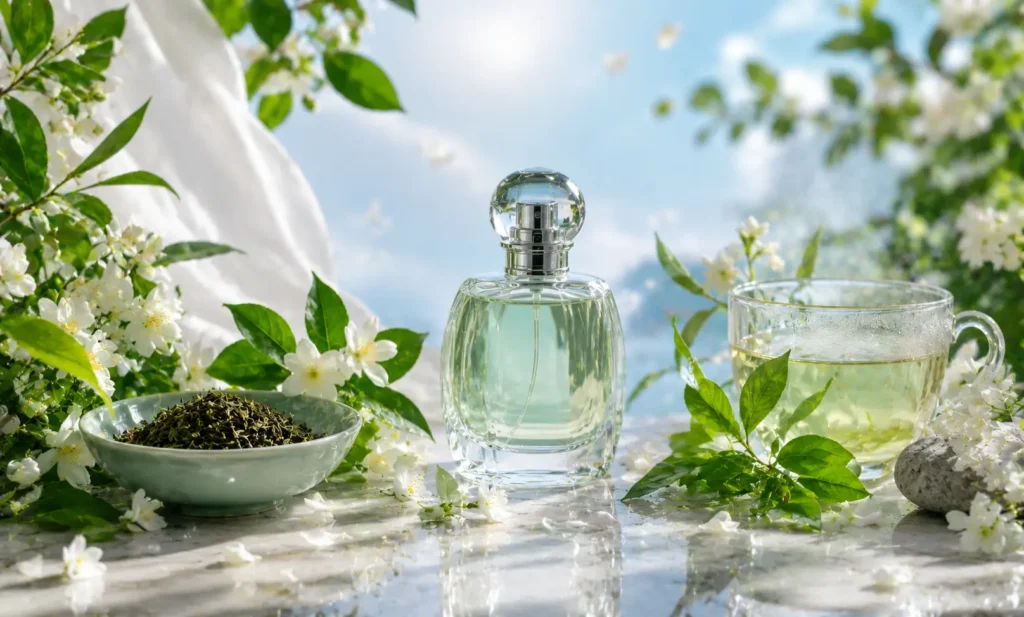
One of the biggest trends in modern spring perfumery is transparency.
Consumers increasingly prefer fragrances that feel effortless rather than heavy.
Tea accords have become extremely popular because they achieve exactly that effect.
Green tea, white tea, and herbal tea notes create:
- Soft freshness
- Relaxed elegance
- Clean sophistication
- Excellent daytime versatility
Tea-based fragrances often feel particularly appropriate during spring because they reflect the season’s balance between energy and calmness.
🌲 Light Woods: The Hidden Foundation
Many people focus only on the fresh top notes of spring fragrances.
However, base notes play an equally important role.
Without a solid foundation, a fragrance would disappear quickly.
Spring fragrances frequently use:
- Cedarwood
- Sandalwood
- Light vetiver
- Cashmere woods
- Soft musk
These ingredients provide structure without overwhelming the composition.
Think of them as the framework that supports the brighter notes.
Table: Most Common Spring Fragrance Families
| Fragrance Family | Typical Notes | Spring Feeling |
|---|---|---|
| Citrus | Bergamot, Lemon, Grapefruit | Fresh, Energetic |
| Floral | Jasmine, Peony, Neroli | Bright, Romantic |
| Green | Grass, Violet Leaf, Tea | Natural, Clean |
| Fresh | Musk, Aquatic Notes | Airy, Modern |
| Woody Fresh | Cedar, Vetiver | Balanced, Sophisticated |
🧠 The Psychology of Spring Fragrances: Why Fresh Scents Feel Different
Most people believe they choose fragrances based purely on smell.
In reality, psychology plays a much bigger role.
A fragrance is never experienced in isolation.
Your brain constantly connects scent to memories, environments, emotions, and expectations.
This is especially true during spring.
The season itself changes how people think, behave, and interact with the world.
As days become longer and temperatures rise, people often report feeling:
- More optimistic
- More energetic
- More social
- More willing to try new things
- More motivated to spend time outdoors
Fragrances naturally become part of this behavioral shift.
That is why spring perfumes often feel emotionally different from winter perfumes—even when both smell pleasant.
Spring Creates a Psychological Sense of Renewal
One of the strongest psychological themes associated with spring is renewal.
Across cultures, spring symbolizes:
- New beginnings
- Growth
- Opportunity
- Change
- Progress
This symbolism influences consumer behavior.
People buy new clothes.
They redecorate homes.
They start fitness goals.
They travel more.
And they often purchase new fragrances.
This connection helps explain why spring consistently becomes one of the strongest fragrance-selling seasons every year.
If you’re interested in the consumer side of this phenomenon, you’ll find more detail in “Why Americans Buy More Perfumes During Spring.”
Fresh Scents Often Feel More Approachable
An interesting aspect of fragrance psychology is social perception.
Certain scent profiles tend to generate stronger positive reactions than others.
Fresh fragrances often create impressions such as:
✔️ Clean
✔️ Friendly
✔️ Professional
✔️ Trustworthy
✔️ Energetic
This doesn’t mean heavy fragrances are bad.
Rather, different scent styles communicate different messages.
During spring, people naturally gravitate toward scents that match lighter social environments.
This is one reason many office workers transition away from dense winter fragrances as temperatures increase.
Spring Encourages Variety-Seeking Behavior
Consumer psychologists often discuss a concept called variety seeking.
When people feel optimistic and stimulated, they become more interested in exploring new options.
Spring creates exactly these conditions.
Instead of wearing one signature fragrance every day, many consumers begin experimenting.
They test:
- New brands
- New note categories
- New scent families
- New fragrance concentrations
This trend has become even stronger thanks to social media.
Platforms filled with fragrance reviews constantly introduce consumers to new releases.
As a result, spring often becomes the season when people expand their collections.
This behavior connects closely to “Why Spring Is the Biggest Discovery Season for New Fragrances.”
Why Spring Fragrances Feel More Optimistic
Fresh fragrances often contain ingredients associated with positive environmental cues.
For example:
- Citrus resembles sunshine and vitality.
- Green notes resemble nature and growth.
- Floral notes resemble blooming landscapes.
- Clean musks resemble freshness and comfort.
Your brain subconsciously recognizes these associations.
The result is a fragrance experience that often feels uplifting before you even consciously analyze the scent.
Social Life Changes During Spring
Another reason spring fragrances feel different is that lifestyles change.
People begin attending:
- Outdoor gatherings
- Weddings
- Festivals
- Sporting events
- Social meetups
- Weekend trips
These environments reward versatility.
A fragrance must smell pleasant indoors and outdoors.
It must work in mild temperatures.
It must remain noticeable without becoming overwhelming.
This is why spring fragrances often occupy a middle ground between winter richness and summer brightness.
Discovery Culture Has Changed Spring Fragrance Shopping
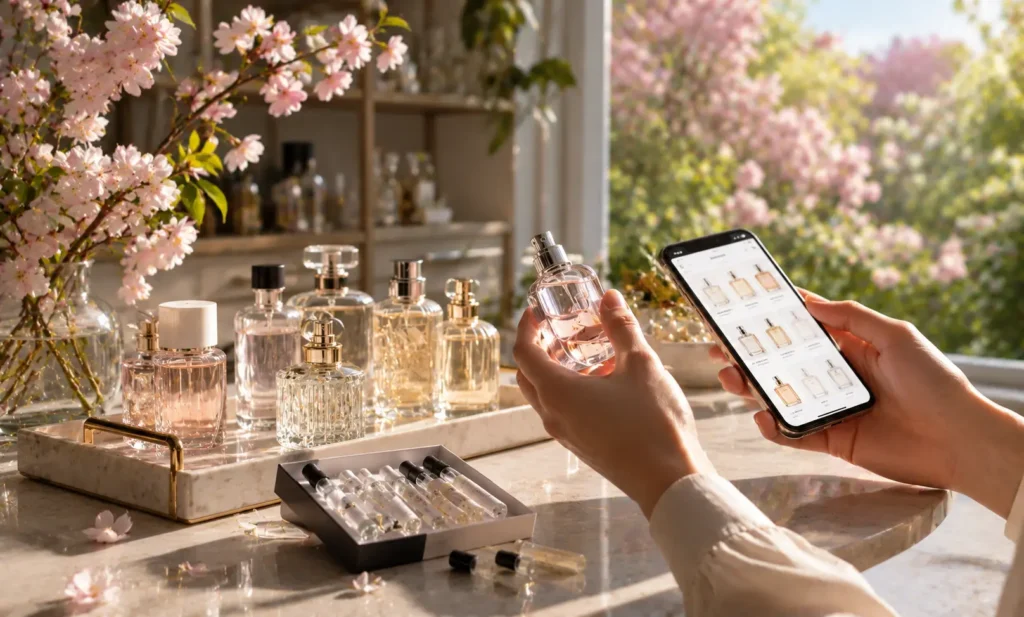
A decade ago, discovering fragrances usually happened in department stores.
Today, discovery happens everywhere.
Consumers encounter new fragrances through:
- TikTok
- YouTube
- Fragrance communities
- Online reviews
- Recommendation algorithms
Spring naturally amplifies this behavior because many brands launch new fragrances during this season.
The result is a powerful cycle:
New releases → Increased curiosity → More testing → More purchases
This cycle strongly influences modern fragrance shopping habits and helps explain seasonal buying trends.
Table: Psychological Differences Between Seasonal Fragrances
| Season | Emotional Theme | Typical Consumer Mindset |
|---|---|---|
| Spring | Renewal & Discovery | Curious, Optimistic |
| Summer | Freedom & Adventure | Active, Social |
| Fall | Comfort & Transition | Reflective, Relaxed |
| Winter | Warmth & Security | Comfort-Seeking |
Spring fragrances are ultimately about more than notes.
They represent a mindset.
They capture a period of the year when people become more open to change, more interested in discovery, and more eager to engage with the world around them.
In the next section, we’ll explore exactly when to wear spring perfumes, where they perform best, and how to choose the right spring fragrance for work, dates, outdoor activities, and everyday life.
🌤️ When to Wear Spring Perfumes
One of the biggest advantages of spring fragrances is versatility.
Unlike certain winter fragrances that work best in cold weather or some summer fragrances that excel only in high heat, spring perfumes often perform well across a wide variety of situations.
This flexibility is one reason many fragrance enthusiasts consider spring the easiest season to wear fragrances.
The moderate temperatures of spring create ideal conditions for fragrance performance. Notes unfold naturally, projection remains balanced, and scents rarely become overwhelming.
As a result, many spring fragrances can comfortably transition from morning to evening and from indoor environments to outdoor activities.
If you’re looking for a deeper seasonal guide, see “When to Start Wearing Spring Perfumes and Where They Work Best.”
🌅 Everyday Wear
Spring fragrances shine as daily drivers.
Many contain a balance of freshness, cleanliness, and subtle sophistication that makes them appropriate for almost any routine.
Examples include:
- Morning commutes
- University classes
- Casual errands
- Coffee meetings
- Weekend outings
This versatility explains why many people reach for spring fragrances more often than fragrances designed specifically for other seasons.
💼 Spring Perfumes for Work
Work environments require balance.
A fragrance should smell pleasant and professional without distracting coworkers.
Spring fragrances naturally fit these requirements because they tend to emphasize:
✔️ Clean accords
✔️ Soft projection
✔️ Fresh citrus
✔️ Light florals
✔️ Transparent woods
This is why many office-friendly fragrances belong to the spring category.
If you’re specifically searching for workplace recommendations, explore “Best Spring Perfumes for Work.”
❤️ Spring Perfumes for Dates
Spring is often associated with romance.
Warmer weather encourages outdoor dining, social gatherings, weekend trips, and evening walks.
The best spring date fragrances usually combine freshness with subtle warmth.
Popular note combinations include:
- Citrus + musk
- Neroli + woods
- Jasmine + soft amber
- Bergamot + vetiver
These combinations feel attractive without appearing overly formal or aggressive.
For dedicated recommendations, see “Best Spring Perfumes for Dates.”
🌳 Outdoor Activities
Spring fragrances often perform exceptionally well outdoors.
Unlike heavy winter fragrances, they can interact naturally with fresh air and mild temperatures.
Good spring fragrances for outdoor use often emphasize:
- Green notes
- Citrus notes
- Fresh woods
- Herbal accords
- Tea notes
These profiles create a natural connection with outdoor environments.
For activity-specific suggestions, see “Best Spring Perfumes for Outdoor Activities.”
👨 Choosing Spring Fragrances for Men
Men’s spring fragrances often focus on:
- Citrus freshness
- Green masculinity
- Clean woods
- Aromatic herbs
These ingredients create a versatile profile suitable for work, dates, and casual wear.
For recommendations and rankings, explore:
👩 Choosing Spring Fragrances for Women
Women’s spring fragrances often emphasize:
- Floral brightness
- Fruity freshness
- Soft musk
- Airy elegance
However, modern perfumery has increasingly blurred traditional gender boundaries.
Many spring fragrances today appeal to a wide range of wearers regardless of marketing category.
For specific recommendations, see:
💰 Budget vs Luxury Spring Fragrances
Spring fragrances exist across every price range.
Affordable options frequently deliver excellent freshness and versatility.
Luxury fragrances often focus on:
- Higher ingredient quality
- More refined transitions
- Greater complexity
- Unique note combinations
Depending on your budget, you may want to explore:
⏳ Longevity Matters Too
One common misconception is that spring fragrances cannot last long.
This is not true.
Modern fragrance technology allows many fresh fragrances to provide excellent performance.
If longevity is a priority, you’ll find dedicated recommendations in “Best Long-Lasting Spring Perfumes.”
When Should You Start Wearing Spring Perfumes?
Most people begin wearing spring perfumes when temperatures consistently rise above winter conditions and heavier fragrances start feeling too dense. Spring fragrances typically work best from early spring through late spring because their fresh, floral, green, and citrus notes match the season’s mild weather and outdoor lifestyle.
🌦️ Spring vs Summer, Winter, and Fall Fragrances
One of the most common questions among fragrance enthusiasts is simple:
Why do seasonal fragrances exist at all?
After all, shouldn’t a good fragrance smell good regardless of season?
The answer is yes—but environmental conditions influence how fragrances are perceived.
Temperature, humidity, sunlight, and lifestyle patterns all affect fragrance performance and consumer preferences.
Spring sits at a unique intersection between the other three seasons.
Understanding these differences helps explain why spring fragrances occupy such an important place within modern fragrance collections.
☀️ Spring vs Summer Fragrances
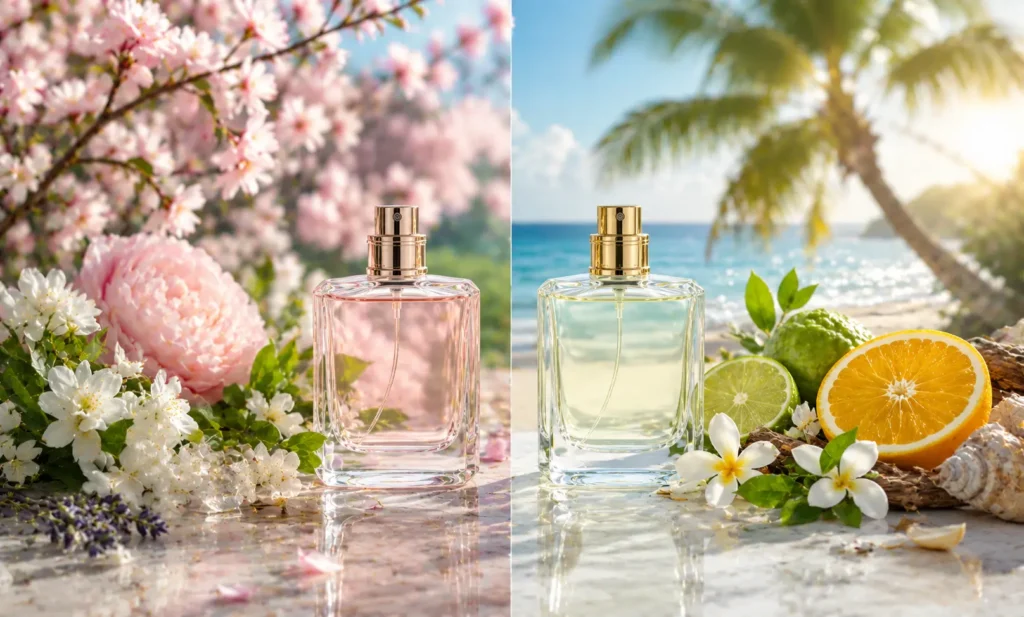
Many people confuse spring and summer fragrances because both emphasize freshness.
However, the two categories are surprisingly different.
Spring fragrances focus on balance.
Summer fragrances focus on cooling freshness and heat resistance.
Spring often uses:
- Florals
- Green notes
- Tea accords
- Fresh woods
Summer often uses:
- Aquatic notes
- Marine accords
- Tropical fruits
- Bright citrus explosions
Spring fragrances generally feel softer and more nuanced.
Summer fragrances often feel brighter and more energetic.
For a complete comparison, see “Spring vs Summer Perfumes: What’s the Difference?“
Table: Spring vs Summer Fragrances
| Feature | Spring | Summer |
|---|---|---|
| Atmosphere | Balanced | Energetic |
| Common Notes | Floral, Green, Tea | Citrus, Aquatic, Tropical |
| Weather Focus | Mild Temperatures | High Heat |
| Typical Mood | Fresh Renewal | Freedom & Adventure |
| Versatility | Very High | High |
❄️ Spring vs Winter Fragrances
The contrast between spring and winter is much easier to notice.
Winter fragrances often emphasize warmth and comfort.
Popular winter notes include:
- Vanilla
- Amber
- Tobacco
- Oud
- Cinnamon
- Leather
These ingredients perform exceptionally well in cold air.
Spring fragrances move in the opposite direction.
They prioritize:
- Freshness
- Airiness
- Natural brightness
- Social versatility
A fragrance that feels cozy in January may feel overwhelming in April.
Likewise, a spring fragrance that feels perfect in April may seem too light during freezing temperatures.
For deeper analysis, read “Spring vs Winter Perfumes: Why They Feel So Different.”
🍂 Spring vs Fall Fragrances
Fall occupies an interesting middle ground.
Like spring, fall is a transitional season.
However, the emotional direction is completely different.
Spring represents beginnings.
Fall represents preparation and reflection.
Because of this difference, fragrance styles often diverge.
Spring fragrances emphasize:
- Brightness
- Fresh growth
- Floral elements
- Green notes
Fall fragrances emphasize:
- Warm woods
- Spices
- Dry leaves
- Richer textures
Both seasons favor balance, but they achieve it through different ingredients.
To understand these differences more thoroughly, explore “Spring vs Fall Fragrances Explained.”
Why Spring Is Often the Most Versatile Season
Among all four seasons, spring may offer the greatest flexibility.
A spring fragrance can often function in:
✔️ Professional settings
✔️ Casual environments
✔️ Outdoor activities
✔️ Dates
✔️ Social events
✔️ Travel
This versatility explains why many consumers build spring fragrance collections before expanding into specialized seasonal categories.
Spring Fragrances by Scent Family
Spring isn’t a single fragrance style.
Several major scent families dominate the season.
🍋 Citrus Spring Fragrances
Perfect for:
- Daily wear
- Warm afternoons
- Professional settings
Explore: Best Spring Citrus Fragrances
🌸 Floral Spring Fragrances
Perfect for:
- Romantic settings
- Elegant occasions
- Daytime wear
Explore: Best Spring Floral Fragrances
🌿 Fresh Spring Fragrances
Perfect for:
- Versatility
- Everyday use
- Minimalist fragrance collections
Explore: Best Spring Fresh Fragrances
Table: Spring Compared With Every Other Season
| Season | Main Theme | Dominant Notes | Typical Mood |
|---|---|---|---|
| Spring | Renewal | Floral, Citrus, Green | Optimistic |
| Summer | Energy | Citrus, Aquatic, Tropical | Adventurous |
| Fall | Transition | Woods, Spice, Amber | Reflective |
| Winter | Comfort | Vanilla, Tobacco, Resin | Cozy |
Understanding these seasonal differences helps you choose fragrances more intentionally.
Instead of buying based only on popularity, you’ll understand why certain fragrances naturally perform better during specific times of the year.
In the next section, we’ll examine why spring has become one of the most important fragrance shopping seasons in America, how consumer behavior changes during spring, and why brands often launch some of their biggest releases during this period.
🇺🇸 American Consumer Behavior: Why Spring Is a Major Fragrance Buying Season
Spring is not only important from a fragrance perspective—it is also one of the most important seasons from a consumer behavior perspective.
Every year, fragrance brands, retailers, and department stores prepare extensively for spring because they know demand tends to increase significantly during this period.
But why does this happen?
The answer goes beyond weather.
Spring changes how consumers think, shop, and discover products.
🌱 Spring Encourages Personal Refreshment
One of the strongest consumer trends associated with spring is the desire for renewal.
People naturally begin updating different parts of their lives:
- Clothing
- Grooming habits
- Home décor
- Fitness routines
- Travel plans
- Personal style
Fragrances become part of this process.
Many consumers see spring as the ideal moment to retire a winter scent and introduce something new.
This helps explain why fragrance purchases often increase during spring even among people who already own perfumes.
🛍️ Why Americans Buy More Perfumes During Spring
The American fragrance market is heavily influenced by seasonal shopping patterns.
Spring creates several purchasing triggers simultaneously:
✔️ Warmer weather
✔️ Outdoor activities
✔️ Wedding season
✔️ Graduation events
✔️ Vacation planning
✔️ Increased social interaction
These events encourage consumers to think more actively about appearance, grooming, and personal scent.
As a result, fragrance shopping becomes more common.
For a deeper analysis, explore “Why Americans Buy More Perfumes During Spring.”
📱 Social Media Has Changed Spring Fragrance Shopping
Ten years ago, discovering fragrances usually required visiting a store.
Today, discovery happens continuously.
Consumers encounter fragrance recommendations through:
- TikTok
- YouTube
- Reddit discussions
- Fragrance influencers
- Recommendation algorithms
This creates a powerful effect.
People are exposed to new fragrances long before they visit a store.
By the time they sample a fragrance, they may already feel familiar with it.
This phenomenon plays a major role in modern spring fragrance trends.
🌸 Why Spring Is the Biggest Discovery Season
Many fragrance enthusiasts notice that they experiment more during spring than during any other season.
This is not a coincidence.
Spring naturally supports discovery behavior.
People become more open to:
- New experiences
- New products
- New hobbies
- New styles
- New scents
Psychologists often refer to this as increased exploratory behavior.
Fragrance brands benefit enormously from this mindset.
That is why many major launches arrive during spring.
If you’d like a dedicated breakdown, see “Why Spring Is the Biggest Discovery Season for New Fragrances.”
📈 How Trends Influence Consumer Choices
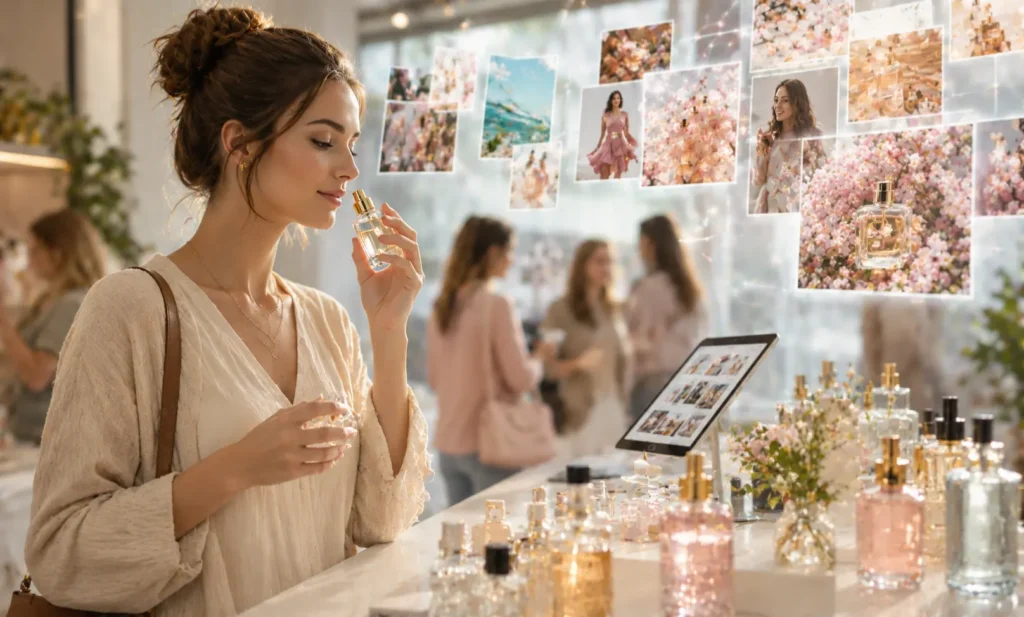
Modern consumers rarely make fragrance decisions in isolation.
Reviews, rankings, influencer recommendations, and community discussions all shape purchasing behavior.
As a result, fragrance trends can spread rapidly.
Examples include:
- The rise of green fragrances
- Citrus-heavy spring releases
- Clean musk trends
- Tea-based fragrances
- Nature-inspired scent profiles
These trends influence which fragrances receive attention and which products dominate seasonal bestseller lists.
For more detail, see “How Spring Fragrance Trends Influence Consumer Choices.”
Why Spring Collections Continue Growing
Many consumers start with one spring fragrance.
Over time, however, collections often expand.
Someone might begin with a fresh citrus scent and later add:
- A floral fragrance
- A green fragrance
- A work fragrance
- A date-night fragrance
- A luxury spring scent
This gradual expansion explains why spring categories remain among the largest segments within modern fragrance collections.
Why Is Spring Considered the Best Season for Discovering New Fragrances?
Spring is often considered the best season for discovering new fragrances because consumers become more open to experimentation, brands launch many new products, and changing weather encourages people to explore lighter scent profiles. Social media recommendations and increased outdoor activities further accelerate fragrance discovery during spring.
🌸 Final Thoughts: Building the Perfect Spring Fragrance Collection
Spring fragrances occupy a unique place in the fragrance world.
They are fresh without being simple.
They are versatile without becoming boring.
They are energetic without becoming overwhelming.
Most importantly, they reflect the atmosphere of one of the most optimistic seasons of the year.
By understanding how spring fragrances work, you can make smarter fragrance choices and build a collection that feels more intentional.
A great spring fragrance collection doesn’t necessarily require dozens of bottles.
Many enthusiasts start with a few carefully selected categories:
- A daily fresh fragrance
- A professional work fragrance
- A date-night spring fragrance
- A long-lasting option
- A versatile outdoor scent
From there, your collection can evolve according to your personal preferences.
If you’re ready to continue exploring the spring fragrance world, these guides will help you dive deeper into specific topics:
🌿 Spring Fragrance Education
- What Makes a Perfume Feel Like Spring?
- Why Floral, Citrus, and Green Notes Define Spring Fragrances
- The Most Popular Spring Fragrance Notes Explained
- The Psychology of Spring Fragrances: Why Fresh Scents Feel Different
📅 Seasonal Wear & Comparisons
- When to Start Wearing Spring Perfumes and Where They Work Best
- Spring vs Summer Perfumes: What’s the Difference?
- Spring vs Winter Perfumes: Why They Feel So Different
- Spring vs Fall Fragrances Explained
🇺🇸 Consumer Trends & Shopping Behavior
- Why Americans Buy More Perfumes During Spring
- How Spring Fragrance Trends Influence Consumer Choices
- Why Spring Is the Biggest Discovery Season for New Fragrances
👨 Best Spring Perfumes for Men
- Best Spring Perfumes for Men
- Best Spring Perfume Comparisons for Men
👩 Best Spring Perfumes for Women
- Best Spring Perfumes for Women
- Best Spring Perfume Comparisons for Women
💰 Shopping by Budget
- Best Affordable Spring Perfumes Under $50
- Best Luxury Spring Fragrances Worth Trying
🌸 Shopping by Fragrance Style
- Best Spring Citrus Fragrances
- Best Spring Floral Fragrances
- Best Spring Fresh Fragrances
🎯 Shopping by Occasion
- Best Spring Perfumes for Dates
- Best Spring Perfumes for Work
- Best Spring Perfumes for Outdoor Activities
Together, these articles form a complete spring fragrance ecosystem that can help both beginners and experienced fragrance enthusiasts find the right scent for every situation.
❓ Frequently Asked Questions
What defines a spring fragrance?
A spring fragrance typically emphasizes freshness, balance, and versatility. Common spring notes include citrus, florals, green accords, tea notes, light woods, and clean musks.
Are spring perfumes only floral?
No. While floral notes are common, many spring fragrances focus on citrus, green, woody-fresh, herbal, or tea-based compositions.
When should I switch from winter fragrances to spring fragrances?
Most people begin transitioning when temperatures consistently rise and winter fragrances start feeling overly heavy or dense on the skin.
Are spring fragrances suitable for work?
Yes. Many spring fragrances are specifically valued for their clean, professional, and socially friendly scent profiles.
What are the most popular spring fragrance notes?
Bergamot, lemon, grapefruit, neroli, jasmine, lily of the valley, green tea, violet leaf, cedarwood, and soft musk are among the most common spring fragrance notes.
Do spring fragrances last as long as winter fragrances?
Some do. While fresh fragrances were historically associated with weaker performance, many modern spring fragrances now offer excellent longevity and projection.
Are citrus fragrances always spring fragrances?
Not necessarily. Citrus notes appear in many spring fragrances, but they are also common in summer perfumes and some year-round fragrances.
Why do fragrance brands launch so many products in spring?
Spring encourages experimentation and discovery. Consumers become more open to trying new scents, making spring one of the strongest seasons for fragrance launches and marketing campaigns.
Can one spring fragrance work for every occasion?
Some versatile fragrances can handle many situations, but dedicated fragrances for work, dates, outdoor activities, or special occasions often provide better results.
Which spring fragrance category is best for beginners?
Fresh citrus fragrances are usually the easiest starting point because they are widely appealing, easy to wear, and highly versatile.
Question for Readers
When spring arrives, do you prefer fresh citrus fragrances, green nature-inspired scents, or floral perfumes—and what is your favorite spring fragrance of all time?
Discover more from Perfume Cultures
Subscribe to get the latest posts sent to your email.


14 Comments