
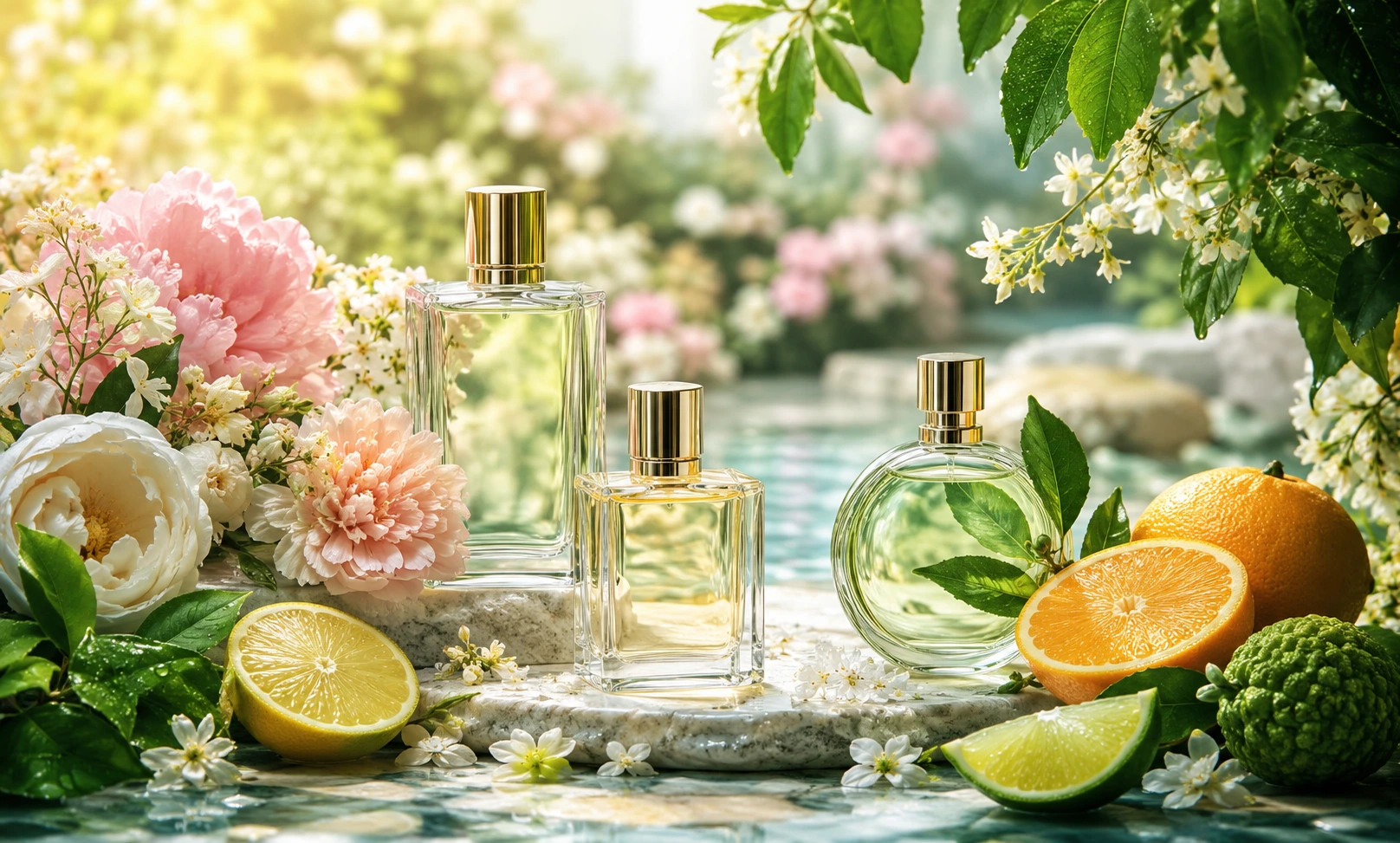
Why Floral, Citrus, and Green Notes Define Spring Fragrances
🌸Why Does Spring Smell Different?
Think about the first truly warm day after a long winter.
Trees begin to bloom. Fresh grass appears. Sunlight feels softer. Windows open again. People spend more time outdoors.
Now think about the fragrances most people reach for during that same period.
They rarely smell like vanilla, leather, smoke, oud, or heavy amber.
Instead, spring fragrances are often built around floral notes, citrus notes, and green accords.
But why?
Is it simply tradition, or is there a deeper connection between spring itself and the scents we naturally associate with the season?
The answer lies in nature, psychology, fragrance chemistry, and even consumer behavior. Floral, citrus, and green notes don’t dominate spring perfumes by accident. They mirror the environmental changes happening around us and match the emotional shift many people experience when winter ends.
Why are floral, citrus, and green notes associated with spring fragrances?
Floral, citrus, and green notes define spring fragrances because they reflect natural seasonal changes. Flowers begin blooming, vegetation becomes greener, and people seek fresher scents after winter. These notes feel lighter, cleaner, brighter, and more energetic than the richer accords commonly associated with colder seasons.
🌿 The Connection Between Nature and Spring Perfumes
Fragrance trends often follow nature.
Spring is the season of growth, renewal, and freshness.
As temperatures rise, our surroundings begin producing scents that have been largely absent throughout winter:
- Fresh flowers
- New leaves
- Green stems
- Citrus fruits
- Blooming gardens
- Damp soil after rain
Perfumers have spent decades recreating these smells because they instantly communicate “spring” to consumers.
This is one reason many fragrances feel seasonal even before we consciously identify their ingredients.
In fact, if you’ve ever wondered why certain perfumes immediately feel like spring, you’ll find a deeper explanation in What Makes a Perfume Feel Like Spring?, where the overall structure of spring fragrances is explored in detail.
🌸 Why Floral Notes Became the Signature of Spring
When people imagine spring, flowers are usually the first image that comes to mind.
That connection exists across cultures and generations.
Flowers symbolize:
- New beginnings
- Warm weather
- Growth
- Optimism
- Beauty
- Renewal
As a result, floral ingredients naturally became the backbone of spring perfumery.
Some of the most common spring floral notes include:
- Rose
- Peony
- Lily of the Valley
- Jasmine
- Magnolia
- Freesia
- Orange Blossom
These ingredients create fragrances that feel:
✅ Airy
✅ Elegant
✅ Romantic
✅ Bright
✅ Natural
Unlike the rich white florals often used in evening fragrances, spring florals are usually designed to feel transparent and effortless.
Many modern consumers prefer florals that smell fresh and natural rather than powdery or overly sweet.
🌼 Not All Floral Notes Smell the Same
One common misconception is that all floral fragrances smell similar.
In reality, floral notes can create very different impressions.
| Floral Note | Typical Impression |
|---|---|
| Rose | Elegant and timeless |
| Peony | Soft and airy |
| Jasmine | Bright and radiant |
| Magnolia | Creamy and smooth |
| Freesia | Fresh and clean |
| Lily of the Valley | Green and delicate |
| Orange Blossom | Citrusy and uplifting |
This diversity explains why floral fragrances dominate so many spring launches every year.
Readers interested in exploring individual floral styles can learn more in The Most Popular Spring Fragrance Notes Explained, which breaks down the most commonly used ingredients during the season.
🍋 Why Citrus Notes Feel Instantly Like Spring
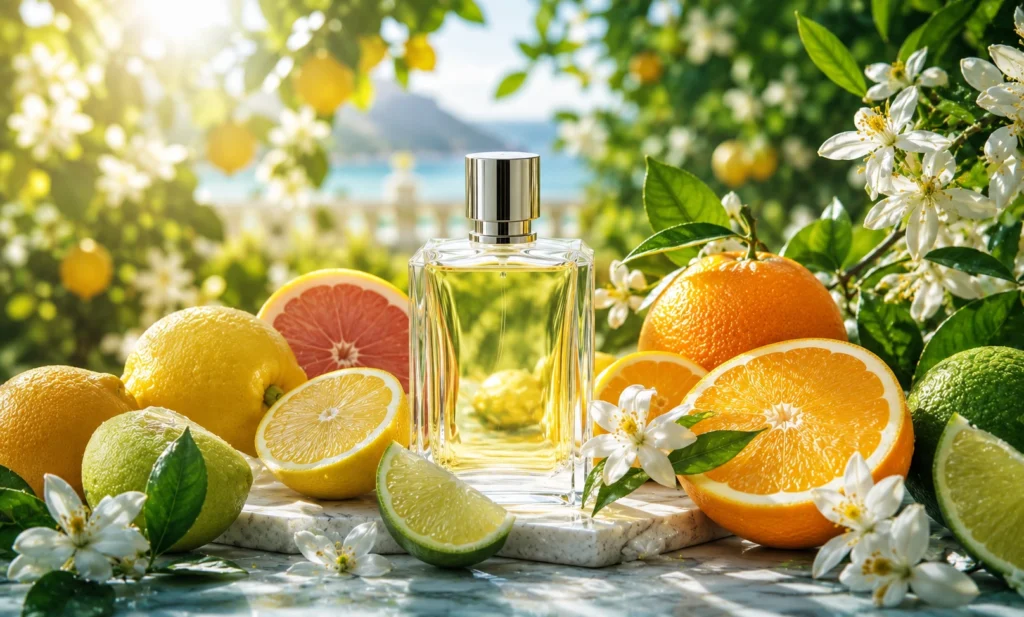
Few fragrance ingredients create an immediate feeling of freshness like citrus.
Even a single spray containing:
- Bergamot
- Lemon
- Grapefruit
- Mandarin
- Orange
- Yuzu
can completely change the mood of a fragrance.
Citrus notes are especially effective because they stimulate feelings associated with:
- Cleanliness
- Energy
- Vitality
- Positivity
- Morning freshness
These emotional responses help explain why citrus fragrances become especially popular as winter ends.
After months of colder weather and heavier scents, consumers often crave something lighter and more uplifting.
Why do citrus fragrances become more popular in spring?
Citrus fragrances become more popular in spring because they feel refreshing, energetic, and clean. Their bright aroma matches warmer weather and outdoor lifestyles, making them a natural alternative to the heavier fragrances many people wear during winter.
🍊 Citrus Notes Create Instant Brightness
One fascinating aspect of citrus ingredients is how quickly they communicate freshness.
Within seconds of application, citrus notes can make a fragrance feel:
- More open
- More vibrant
- More youthful
- More energetic
This effect explains why many spring fragrances begin with citrus top notes even when the heart of the fragrance contains flowers or green ingredients.
Perfumers often use citrus as the opening chapter of a spring scent story.
For readers looking for specific fragrance recommendations built around these ingredients, Best Spring Citrus Fragrances highlights some of the strongest citrus-focused options for the season.
🌿 Why Green Notes Complete the Spring Experience
Floral and citrus notes often receive most of the attention.
Yet green notes may be the most important element of all.
Without green accords, many spring fragrances would feel incomplete.
Green notes recreate scents associated with:
- Fresh leaves
- Grass
- Herbs
- Plant stems
- New vegetation
These notes create the sensation of walking through a garden rather than simply smelling a bouquet of flowers.
Common green ingredients include:
- Violet Leaf
- Galbanum
- Green Tea
- Fig Leaf
- Basil
- Mint
- Ivy
Green accords provide the realism that makes spring fragrances feel alive.
🌱 Green Notes Add Freshness Without Sweetness
Many consumers want freshness but don’t necessarily enjoy sweet fragrances.
Green notes solve this problem.
Unlike fruity ingredients, green accords often provide freshness without adding sugar-like sweetness.
This creates fragrances that feel:
- Crisp
- Clean
- Modern
- Professional
- Unisex
As a result, green fragrances have become increasingly popular among consumers seeking versatile everyday scents.
Many of the fragrances featured in Best Spring Fresh Fragrances rely heavily on green accords to create their clean and natural character.
📊 Floral vs Citrus vs Green Notes in Spring Fragrances
| Characteristic | Floral Notes | Citrus Notes | Green Notes |
|---|---|---|---|
| Main Impression | Blooming flowers | Bright freshness | Natural greenery |
| Emotional Effect | Romantic & uplifting | Energetic & optimistic | Calm & refreshing |
| Typical Longevity | Moderate | Lower | Moderate |
| Best For | Everyday elegance | Daytime energy | Natural freshness |
| Spring Association | Very High | Very High | Very High |
| Popularity Trend | Consistently strong | Extremely popular | Rapidly growing |
🧠 The Psychology Behind Spring Fragrance Notes
The popularity of these notes isn’t only about smell.
It’s also about emotion.
Humans naturally connect scents with memories and environmental cues.
When people smell floral, citrus, or green notes, they often subconsciously associate them with:
- Sunshine
- Outdoor activities
- Nature
- Travel
- Relaxation
- Positive experiences
This psychological connection makes these notes feel appropriate even before we consciously evaluate them.
The emotional side of these fragrances is explored further in The Psychology of Spring Fragrances: Why Fresh Scents Feel Different, which explains why fresh scents often influence mood differently from richer fragrance styles.
🌦️ Why Spring Fragrances Differ From Winter Fragrances

The contrast becomes obvious when comparing seasonal fragrance families.
Winter Favorites
- Vanilla
- Amber
- Leather
- Tobacco
- Oud
- Spices
Spring Favorites
- Floral notes
- Citrus notes
- Green accords
- Light musks
- Tea notes
Winter fragrances create warmth.
Spring fragrances create freshness.
Winter perfumes often feel cozy and comforting.
Spring fragrances feel open, airy, and energetic.
This seasonal transition explains why many fragrance enthusiasts update their collections every spring.
🇺🇸 Why Americans Particularly Love Fresh Spring Notes
In the United States, spring often marks the beginning of:
- Outdoor gatherings
- Weekend trips
- Sports events
- Parks and festivals
- Increased social activity
These lifestyle changes naturally encourage lighter fragrance choices.
Consumer trends consistently show increased interest in fragrances marketed as:
- Fresh
- Clean
- Natural
- Green
- Bright
Floral, citrus, and green notes fit perfectly within those preferences.
This helps explain why many of the most successful spring fragrance launches in the American market emphasize these ingredients heavily in both their scent profiles and marketing campaigns.
🌸 Why These Three Note Families Continue to Define Spring
While fragrance trends change constantly, floral, citrus, and green notes continue to dominate spring for one simple reason:
They perfectly mirror the season itself.
Floral notes represent blooming life.
Citrus notes represent energy and brightness.
Green notes represent nature’s return after winter.
Together, they create the scent profile most people instinctively recognize as spring.
Even as fragrance technology evolves and new ingredients appear, these three families remain the foundation of spring perfumery because they align with how people experience the season emotionally, psychologically, and physically.
❓ FAQ
What is the most common fragrance note used in spring perfumes?
Floral notes are generally the most common spring fragrance ingredients, especially rose, peony, jasmine, and orange blossom.
Why do green fragrances smell so fresh?
Green notes recreate natural elements such as leaves, grass, herbs, and plant stems, creating a crisp and clean feeling.
Are citrus fragrances only suitable for spring?
No. Citrus fragrances work year-round, but they are especially popular during spring and summer because of their refreshing character.
Can a spring fragrance contain floral, citrus, and green notes together?
Yes. Many of the most successful spring fragrances combine all three note families to create a balanced and natural seasonal scent.
Why do spring fragrances usually feel lighter than winter fragrances?
Spring fragrances typically use fresher ingredients with less emphasis on heavy notes like amber, vanilla, tobacco, and oud, resulting in a lighter overall scent profile.
Conclusion
Spring fragrances aren’t defined by a single ingredient.
They’re defined by a feeling.
Floral notes capture blooming beauty. Citrus notes deliver brightness and energy. Green notes recreate the freshness of new growth.
Together, these three fragrance families create the scent identity of spring and explain why so many perfumes released during the season revolve around them.
As fragrance trends continue to evolve, floral, citrus, and green notes remain the timeless ingredients that make spring smell like spring.
Which spring note family do you personally enjoy most—floral, citrus, or green—and why?
Discover more from Perfume Cultures
Subscribe to get the latest posts sent to your email.






11 Comments