
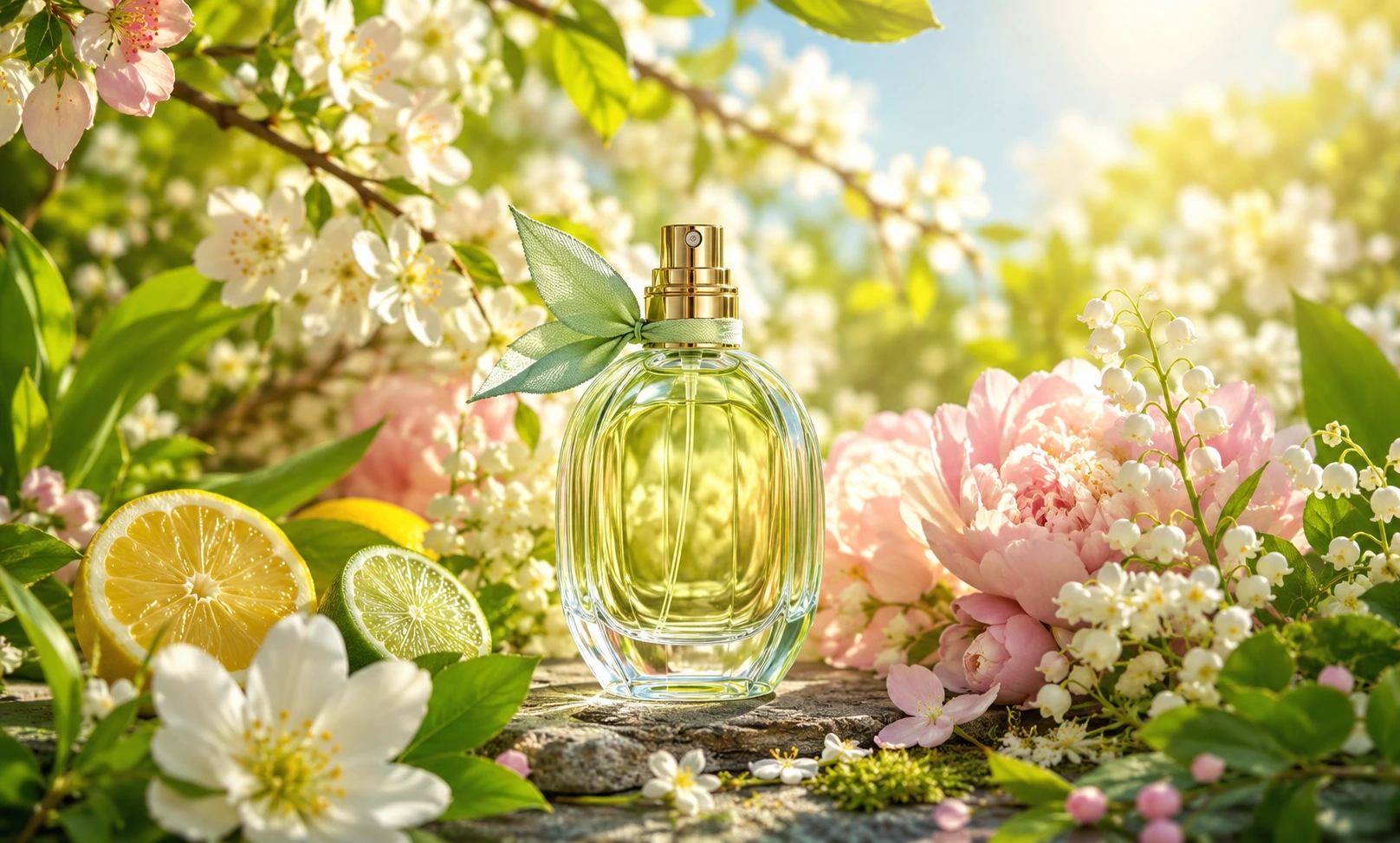
What Makes a Perfume Feel Like Spring?
Spring fragrances seem easy to recognize, yet surprisingly difficult to define.
Most people know when a perfume smells “like spring,” but if asked why, the answer is often vague. Is it the floral notes? The freshness? The lighter feeling compared to winter fragrances?
The reality is that a perfume feels like spring because of a combination of scent characteristics, seasonal psychology, environmental conditions, and cultural expectations. Spring fragrances aren’t defined by a single ingredient. Instead, they create an overall sensory experience that matches what people associate with the season: renewal, freshness, energy, greenery, sunlight, and new beginnings.
That is why two perfumes can contain completely different notes and still feel equally spring-like.
In this guide, we’ll explore the science, psychology, and fragrance structure behind what makes a perfume smell and feel like spring.
What makes a perfume feel like spring?
A perfume feels like spring when it combines fresh, airy, bright, and uplifting characteristics that match the season’s atmosphere. Floral notes, citrus accords, green elements, moderate sweetness, and lighter compositions often create the sensation of spring because they align with people’s psychological expectations of renewal and freshness.
🌸 Why Seasons Influence How Perfumes Feel
Perfumes do not exist in isolation.
People experience fragrances through the lens of weather, emotions, memories, and environmental context.
A scent that feels vibrant and refreshing in April might feel weak or incomplete in January.
Spring represents a transition period between cold winter months and hot summer weather. Because of this, fragrances associated with spring often occupy a middle ground:
✔️ Fresher than winter fragrances
✔️ Softer than many summer fragrances
✔️ Brighter than fall scents
✔️ More versatile than extreme seasonal perfumes
This seasonal balance is one of the biggest reasons why spring fragrances have such universal appeal.
For a complete overview of spring fragrance culture, notes, and seasonal usage, readers can explore the pillar guide Spring Perfumes Explained: Notes, Vibes, and When to Wear Them.
🌿 Spring Fragrances Usually Feel Light Without Feeling Empty
One common misconception is that spring perfumes must be weak.
That isn’t true.
Spring fragrances can be powerful while still feeling light.
The difference lies in perception.
Heavy fragrances often emphasize:
- Dense amber
- Rich resins
- Heavy woods
- Dark spices
- Strong sweetness
Spring fragrances typically emphasize:
- Airiness
- Transparency
- Brightness
- Natural freshness
- Clean transitions between notes
The result feels energetic rather than overwhelming.
Many spring perfumes create movement rather than weight.
Are floral notes required for a perfume to smell like spring?
No. Floral notes are common in spring fragrances, but they are not required. Citrus notes, green accords, fresh woods, herbal elements, aquatic nuances, and light musks can also create a spring-like feeling when combined in a bright and airy fragrance structure.
🌼 The Role of Floral Notes in Creating a Spring Feeling
Flowers are strongly connected to spring in human culture.
When people think of spring, they often imagine:
- Blooming gardens
- Fresh flowers
- New growth
- Colorful landscapes
Because of this association, floral notes naturally communicate “spring.”
Common examples include:
- Rose
- Peony
- Lily of the Valley
- Freesia
- Jasmine
- Orange Blossom
- Magnolia
However, floral notes alone do not guarantee a spring fragrance.
A dark rose wrapped in oud may feel more appropriate for winter.
A bright rose combined with citrus and green accords often feels much more spring-like.
This relationship between floral, citrus, and green materials is explored further in Why Floral, Citrus, and Green Notes Define Spring Fragrances.
🍋 Brightness Creates the First Impression of Spring
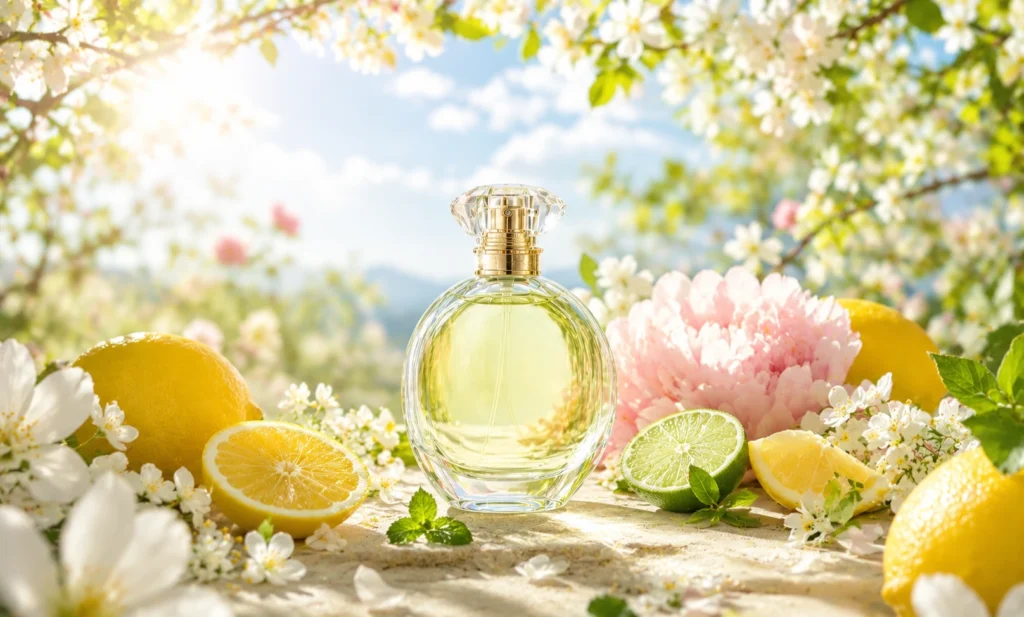
Many spring fragrances create an immediate burst of freshness.
This is often achieved through citrus notes such as:
- Bergamot
- Lemon
- Grapefruit
- Mandarin
- Orange
These ingredients create a sensation of:
✔️ Cleanliness
✔️ Energy
✔️ Optimism
✔️ Morning freshness
Psychologically, people often associate bright citrus aromas with sunlight and warmer weather.
This is why many spring perfumes open with citrus even when floral notes dominate the heart of the fragrance.
Readers who want a deeper breakdown of the ingredients most commonly associated with seasonal fragrances can explore The Most Popular Spring Fragrance Notes Explained, where each note family is examined in greater detail.
🌱 Green Notes Create the Feeling of New Growth
If floral notes represent blooming plants, green notes represent the environment around them.
Green accords can smell like:
- Fresh leaves
- Grass
- Stems
- Herbs
- Garden air
- Crushed greenery
These notes help recreate one of the most recognizable experiences of spring:
The return of vegetation after winter.
Green notes often make fragrances feel:
- Natural
- Fresh
- Crisp
- Outdoorsy
Without them, many spring perfumes would feel less realistic and less connected to nature.
This is one reason why green notes frequently appear alongside florals and citrus in classic spring compositions.
🧠 Why Our Brains Instantly Recognize Spring Fragrances
The feeling of spring isn’t only about smell.
It is also about expectation.
Human brains constantly connect scents with experiences.
When a fragrance smells:
- Bright
- Clean
- Airy
- Natural
People subconsciously associate it with:
- Longer daylight hours
- Outdoor activities
- Warmer temperatures
- New beginnings
This process is known as associative perception.
The fragrance itself may not literally smell like spring.
Instead, it triggers memories and emotional patterns connected to the season.
This psychological dimension explains why certain fragrances instantly feel seasonal even before people consciously analyze the notes.
If you’re interested in the science behind these emotional responses, The Psychology of Spring Fragrances: Why Fresh Scents Feel Different explores how scent perception changes with seasons, mood, and expectation.
🌤️ Spring Fragrances Often Feel Optimistic
Spring is culturally linked to positive ideas:
- Renewal
- Growth
- Possibility
- Energy
- Fresh starts
Because of these associations, fragrances that feel optimistic often become categorized as spring scents.
Notice how many spring fragrances avoid:
- Dark smokiness
- Heavy leather
- Intense sweetness
- Dense resins
Instead, they focus on clarity and openness.
Many consumers describe spring fragrances using words such as:
- Fresh
- Happy
- Bright
- Airy
- Clean
- Uplifting
These emotional reactions are just as important as the actual ingredients inside the bottle.
🌦️ Weather Plays a Bigger Role Than Most People Realize
Climate dramatically changes fragrance perception.
During spring:
- Humidity increases
- Temperatures rise
- Air circulation improves
- People spend more time outdoors
These conditions affect how fragrance molecules evaporate.
As a result:
- Fresh notes project better
- Heavy sweet notes feel less necessary
- Airy compositions feel more comfortable
Many fragrances that feel perfect in spring might feel too light in winter.
Likewise, some winter fragrances may suddenly feel overwhelming when temperatures rise.
Understanding this seasonal transition can also help determine When to Start Wearing Spring Perfumes and Where They Work Best, since temperature and environment directly influence how a fragrance performs.
📊 Spring vs Summer vs Winter Fragrance Characteristics
| Characteristic | Spring | Summer | Winter |
|---|---|---|---|
| Freshness | Very High | High | Low |
| Bright Citrus | High | High | Low |
| Floral Presence | High | Moderate | Moderate |
| Green Notes | High | Moderate | Low |
| Sweetness | Moderate | Low-Moderate | High |
| Warm Amber | Low | Very Low | High |
| Overall Feeling | Fresh & Balanced | Cooling & Light | Rich & Cozy |
This comparison highlights why spring fragrances occupy a unique position in the fragrance world.
They provide freshness without becoming overly aquatic and warmth without becoming overly heavy.
For readers comparing warm-weather fragrance categories, Spring vs Summer Perfumes: What’s the Difference? explains how the two seasons create surprisingly different scent profiles despite sharing some fresh characteristics.
🌸 Spring Fragrances Are About Balance More Than Anything Else
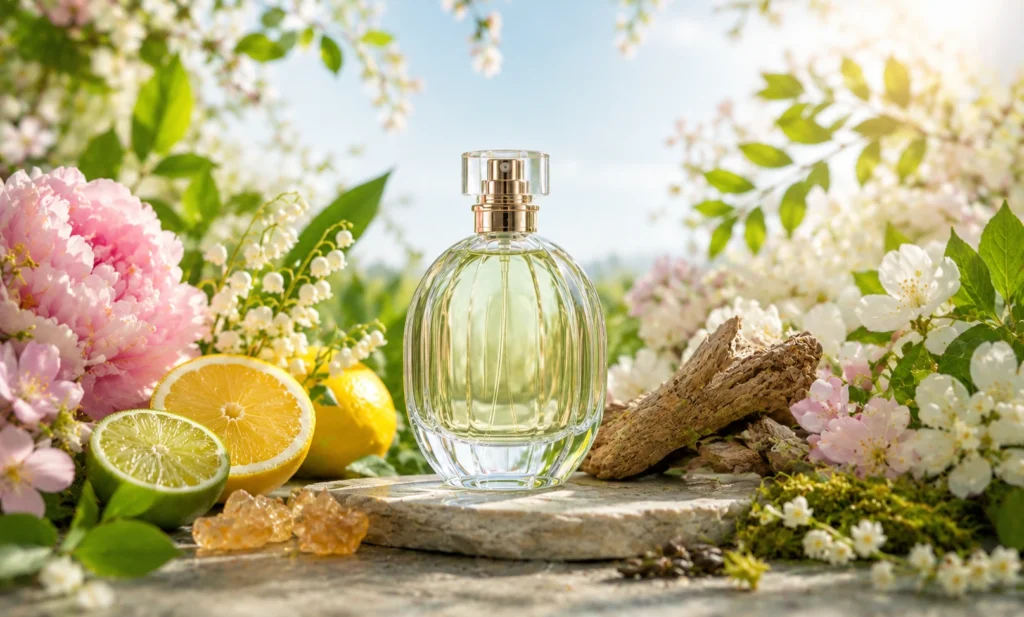
One of the defining characteristics of spring perfumes is moderation.
They rarely aim to be:
- The freshest fragrance ever made
- The sweetest fragrance ever made
- The strongest fragrance ever made
Instead, they seek balance.
Spring fragrances often combine:
✔️ Freshness
✔️ Soft florals
✔️ Green accents
✔️ Gentle sweetness
✔️ Clean musks
This balanced composition mirrors the season itself.
Spring is neither cold nor hot.
Neither dark nor bright.
Neither dormant nor fully active.
The best spring fragrances capture this transitional feeling.
🌷 Why Some Non-Floral Perfumes Still Feel Like Spring
Many modern spring fragrances contain very few floral notes.
Instead, they rely on:
- Citrus
- Tea accords
- Green notes
- Light woods
- Fresh musks
- Aromatic herbs
These fragrances still feel spring-like because they recreate the same emotional atmosphere.
Ultimately, spring is less about specific ingredients and more about the sensation a fragrance creates.
If it feels fresh, optimistic, natural, balanced, and alive, most people will perceive it as a spring fragrance.
🌸 The Bigger Picture: Understanding Spring Fragrance Identity
Many people spend years wearing spring fragrances without fully understanding what connects them.
The answer is not a single note or ingredient.
It is a combination of:
- Bright scent structures
- Seasonal psychology
- Environmental compatibility
- Natural freshness
- Emotional associations
When these elements come together, the result feels unmistakably spring-like.
For readers building a complete understanding of seasonal fragrance culture, the pillar guide Spring Perfumes Explained: Notes, Vibes, and When to Wear Them provides the broader framework that connects all of these spring fragrance concepts together.
Final Thoughts
A perfume feels like spring not because of one note, ingredient, or fragrance family, but because it captures the atmosphere of the season.
Floral notes often help, citrus notes add brightness, green accords create natural freshness, and lighter structures improve wearability as temperatures rise. Yet the real magic comes from how these elements work together to trigger emotions associated with renewal, growth, and optimism.
That is why spring fragrances are often some of the most universally loved perfumes in the fragrance world—they don’t simply smell good, they feel like a fresh start.
❓Interactive Question
When you think of a fragrance that smells like spring, what is the first thing that comes to mind: floral flowers, bright citrus, fresh greenery, or something completely different? Share your answer in the comments!
Discover more from Perfume Cultures
Subscribe to get the latest posts sent to your email.





14 Comments