Spring vs Winter Perfumes: Why They Feel So Different
Have You Ever Wondered Why the Same Perfume Feels Perfect in April but Overwhelming in January?
Imagine walking outside on a bright spring morning. Trees are blooming, sunlight feels gentle, and the air carries a clean freshness. Now imagine that same moment in the middle of winter, surrounded by cold winds, heavy coats, and dry air.
Suddenly, the type of fragrance that feels right changes completely.
This is why many perfumes that seem vibrant and refreshing during spring can feel weak or out of place during winter. At the same time, rich winter fragrances that feel luxurious in December may seem too dense and overwhelming once spring arrives.
The difference isn’t just marketing. It involves climate, psychology, fragrance chemistry, seasonal habits, and even the way people emotionally experience scent throughout the year.
In this guide, we’ll explore exactly why spring and winter perfumes feel so different and how seasonal changes influence the fragrances people naturally prefer.
What is the difference between spring and winter perfumes?
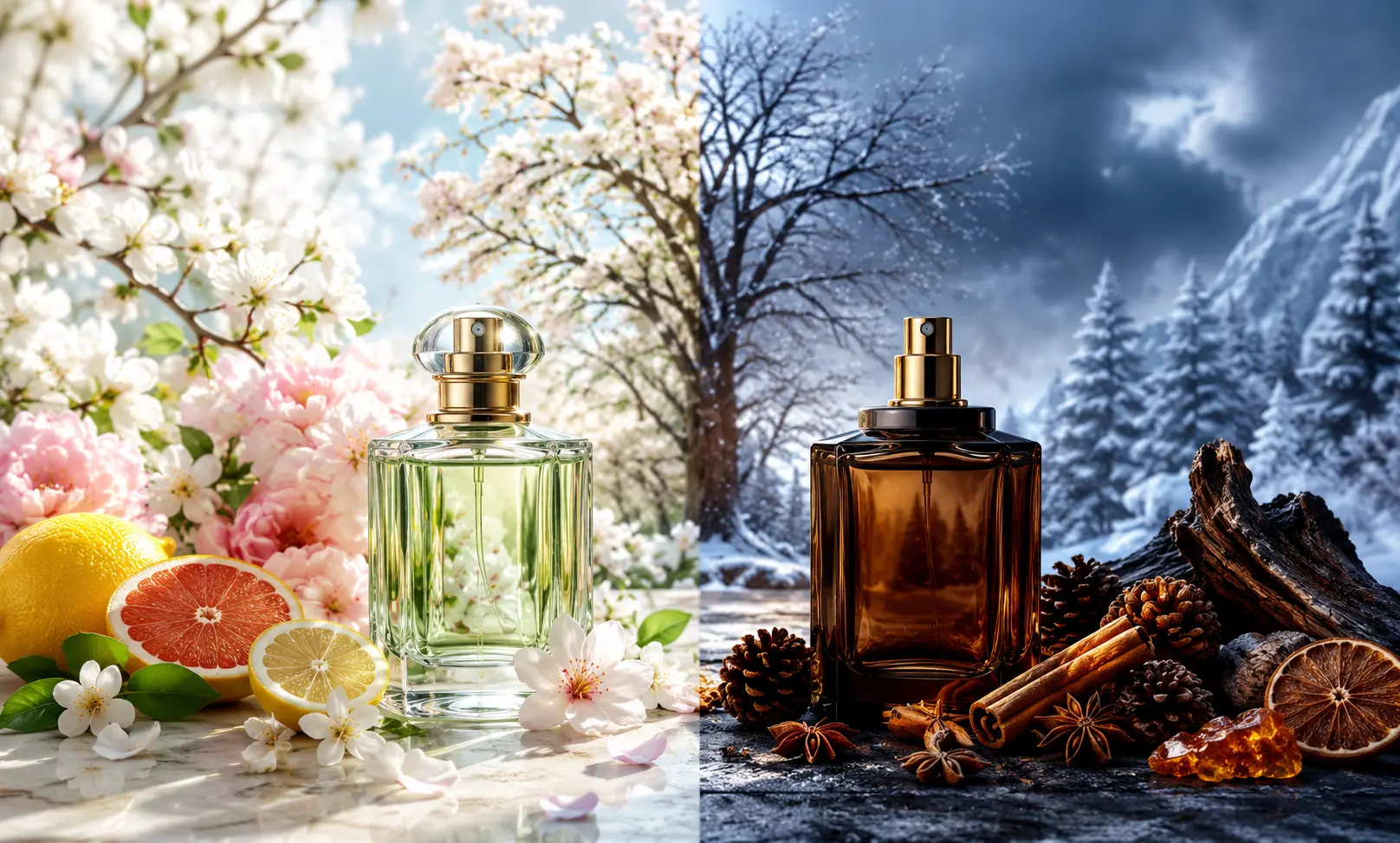
Spring perfumes typically emphasize fresh, airy, floral, citrus, and green notes that complement mild temperatures and outdoor activity. Winter perfumes usually focus on warm, rich, sweet, spicy, woody, and resinous notes that perform better in cold weather and create a sense of comfort and depth.
Why Seasons Change the Way Fragrances Feel
Most people assume perfume remains the same year-round.
Technically it does.
But the environment around it changes dramatically.
Temperature affects evaporation speed, projection, longevity, and even how individual notes are perceived by the human nose.
Cold weather tends to mute lighter ingredients while amplifying the appeal of heavier notes.
Warm weather does the opposite.
This seasonal interaction creates two very different fragrance experiences.
If you’re new to spring fragrances, understanding these seasonal shifts becomes easier after reading Spring Perfumes Explained: Notes, Vibes, and When to Wear Them, which explores the overall identity of spring scents and why they occupy a unique place in fragrance culture.
❄️ The Core Personality Difference Between Spring and Winter Perfumes
The biggest difference isn’t the ingredients themselves.
It’s the mood they create.
Spring Fragrances Focus On:
✔️ Freshness
✔️ Energy
✔️ Cleanliness
✔️ Renewal
✔️ Optimism
✔️ Lightness
Winter Fragrances Focus On:
✔️ Warmth
✔️ Comfort
✔️ Depth
✔️ Richness
✔️ Luxury
✔️ Coziness
Spring perfumes often feel open and breathable.
Winter perfumes often feel dense and enveloping.
One feels like opening a window.
The other feels like sitting beside a fireplace.
🌿 Notes Comparison: Fresh vs Warm Fragrance Families
The notes used in each season reveal why these perfumes feel so different.
| Spring Fragrances | Winter Fragrances |
|---|---|
| Bergamot | Vanilla |
| Lemon | Amber |
| Grapefruit | Tonka Bean |
| Green Leaves | Cinnamon |
| Neroli | Tobacco |
| Lily of the Valley | Oud |
| Peony | Leather |
| Green Tea | Benzoin |
| Light Musk | Patchouli |
| Fresh Woods | Dark Woods |
Many of the notes associated with spring are explored in greater depth in Why Floral, Citrus, and Green Notes Define Spring Fragrances, where these seasonal ingredients are broken down individually.
Why Spring Notes Feel Lighter
Spring fragrances are designed around volatility.
Many citrus and green molecules evaporate quickly.
This creates an immediate feeling of freshness.
When people smell bergamot, lemon, neroli, green leaves, or fresh florals, the brain often interprets them as:
- Clean
- Bright
- Airy
- Energizing
This effect aligns perfectly with the environmental changes occurring during spring.
Longer days.
More sunlight.
More outdoor activity.
More social interaction.
The scent profile naturally matches the season’s atmosphere.
Why Winter Notes Feel Richer
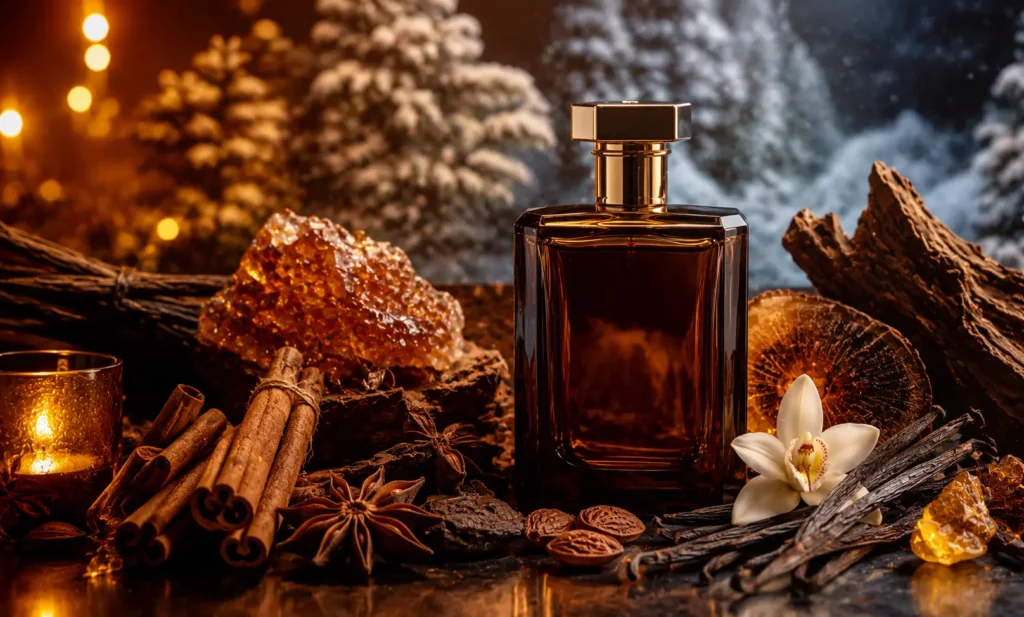
Winter fragrances often rely on heavier aromatic materials.
Examples include:
- Vanilla
- Amber
- Tonka Bean
- Resins
- Oud
- Tobacco
- Leather
These ingredients evaporate more slowly.
Instead of creating a burst of freshness, they create warmth and depth.
This helps winter fragrances remain noticeable despite cold temperatures suppressing scent diffusion.
The result is a scent experience that feels fuller, thicker, and more luxurious.
Why do winter perfumes smell stronger than spring perfumes?
Winter perfumes often contain heavier ingredients such as vanilla, amber, oud, resins, and spices. These notes create a richer scent profile and project more noticeably in cold weather, while spring fragrances prioritize freshness and lightness over density.
🌡️ Climate, Performance & Seasonal Transition
One of the most overlooked reasons seasonal fragrances differ is performance.
Climate dramatically changes how perfume behaves on skin.
Spring Conditions
- Mild temperatures
- Moderate humidity
- Increased outdoor activity
- More airflow
These conditions help fresh notes bloom naturally.
Fragrances feel balanced and comfortable.
Winter Conditions
- Low temperatures
- Dry air
- Heavy clothing
- Less evaporation
These conditions suppress lighter notes.
As a result, richer compositions become more effective.
A fragrance that feels perfect in winter may seem overpowering once temperatures rise.
Likewise, a spring fragrance that feels elegant in April might feel almost invisible during January.
When People Typically Transition From Winter to Spring Fragrances
Most fragrance enthusiasts don’t switch perfumes on a specific calendar date.
Instead, they react to environmental changes.
Common triggers include:
✔️ Warmer afternoons
✔️ Blooming plants
✔️ Longer daylight hours
✔️ Lighter clothing
✔️ Increased outdoor activities
This seasonal transition is discussed further in When to Start Wearing Spring Perfumes and Where They Work Best, which explains why weather patterns often matter more than official season dates.
🧠 The Psychology Behind Spring and Winter Scents
Fragrance isn’t just chemistry.
It’s psychology.
Different scent families activate different emotional associations.
Spring Psychology
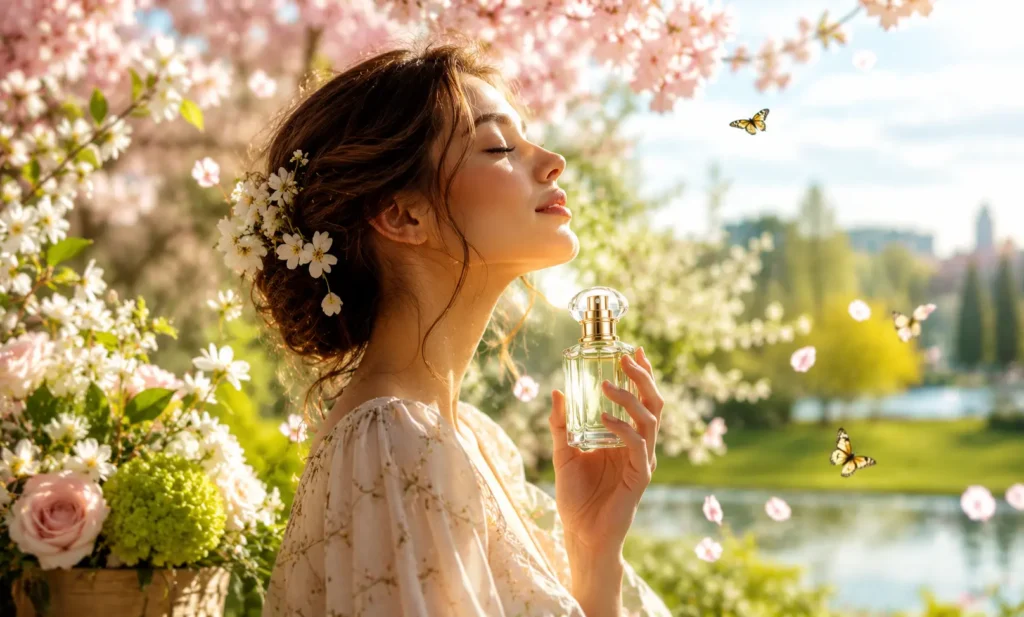
Spring scents are commonly associated with:
- New beginnings
- Growth
- Fresh starts
- Clean environments
- Energy
- Social optimism
This psychological effect helps explain why people often feel more energized when wearing fresh fragrances during spring.
The science behind this perception is explored further in The Psychology of Spring Fragrances: Why Fresh Scents Feel Different.
Winter Psychology
Winter fragrances are commonly associated with:
- Comfort
- Security
- Warmth
- Luxury
- Celebration
- Relaxation
Many winter notes resemble familiar comfort scents.
Vanilla.
Baked desserts.
Spices.
Warm woods.
Resins.
These aromas naturally create emotional feelings of coziness and familiarity.
Why Spring Perfumes Often Feel More “Clean”
Many consumers describe spring fragrances as cleaner.
This doesn’t necessarily mean they’re objectively cleaner.
Instead, fresh notes closely resemble scents people associate with:
- Fresh air
- Flowers
- Green vegetation
- Citrus peels
- Clean fabrics
Because these smells frequently appear in everyday life, the brain often interprets them as clean and approachable.
Winter fragrances create a different impression.
Rather than cleanliness, they emphasize richness and character.
Comparing Spring and Winter Perfume Experiences
| Factor | Spring Perfumes | Winter Perfumes |
|---|---|---|
| Mood | Fresh & Energetic | Warm & Comforting |
| Projection | Moderate & Airy | Dense & Rich |
| Typical Notes | Citrus, Floral, Green | Vanilla, Amber, Spice |
| Outdoor Use | Excellent | Moderate |
| Indoor Use | Light & Easy | Cozy & Intimate |
| Daytime Performance | Excellent | Good |
| Evening Performance | Good | Excellent |
| Seasonal Feeling | Renewal | Comfort |
🇺🇸 Why Americans Buy Different Fragrances in Spring and Winter
Consumer behavior changes dramatically between seasons.
During winter, many American shoppers gravitate toward:
- Gourmand fragrances
- Vanilla scents
- Amber fragrances
- Holiday-inspired releases
During spring, purchasing patterns shift toward:
- Fresh fragrances
- Citrus scents
- Floral compositions
- Clean-smelling perfumes
Retailers often introduce major spring launches because consumers actively seek something new after months of wearing heavier winter scents.
This seasonal reset plays a major role in annual fragrance purchasing cycles.
How Spring Differs From Summer As Well
Although both seasons favor fresher fragrances, spring and summer are not identical.
Spring fragrances typically balance freshness with softness.
Summer fragrances often push freshness even further and focus on heat resistance, aquatic notes, and stronger cooling effects.
For a detailed breakdown, see Spring vs Summer Perfumes: What’s the Difference?, which compares these neighboring fragrance seasons directly.
Final Thoughts
Spring and winter perfumes feel different because they are designed to solve different seasonal needs.
Winter fragrances create warmth, comfort, and richness in cold environments.
Spring fragrances create freshness, energy, and lightness as temperatures rise and nature begins to awaken.
Neither category is better.
They simply reflect the mood, climate, and psychology of the season they’re designed for.
The more you understand these differences, the easier it becomes to choose fragrances that feel perfectly in sync with the world around you.
Frequently Asked Questions
Can I wear winter perfumes during spring?
Yes. Many people continue wearing winter fragrances during cooler spring evenings, although heavy compositions may feel overpowering on warmer days.
Why do citrus perfumes perform better in spring?
Moderate temperatures allow citrus notes to remain refreshing without evaporating excessively fast, creating a balanced scent experience.
Are spring perfumes weaker than winter perfumes?
Not necessarily. They are often designed to feel lighter rather than weaker, emphasizing freshness instead of density.
When should I stop wearing winter fragrances?
There is no fixed date. Most people naturally transition when temperatures rise consistently and heavier scents begin feeling too intense.
Do fragrance brands release more perfumes in spring?
Many brands introduce major launches during spring because consumers are actively looking for new seasonal scents and lighter fragrance options.
Question for Readers
When the weather starts warming up, do you immediately switch to fresh spring fragrances, or do you continue wearing your favorite winter scents for a few more weeks?
Discover more from Perfume Cultures
Subscribe to get the latest posts sent to your email.