
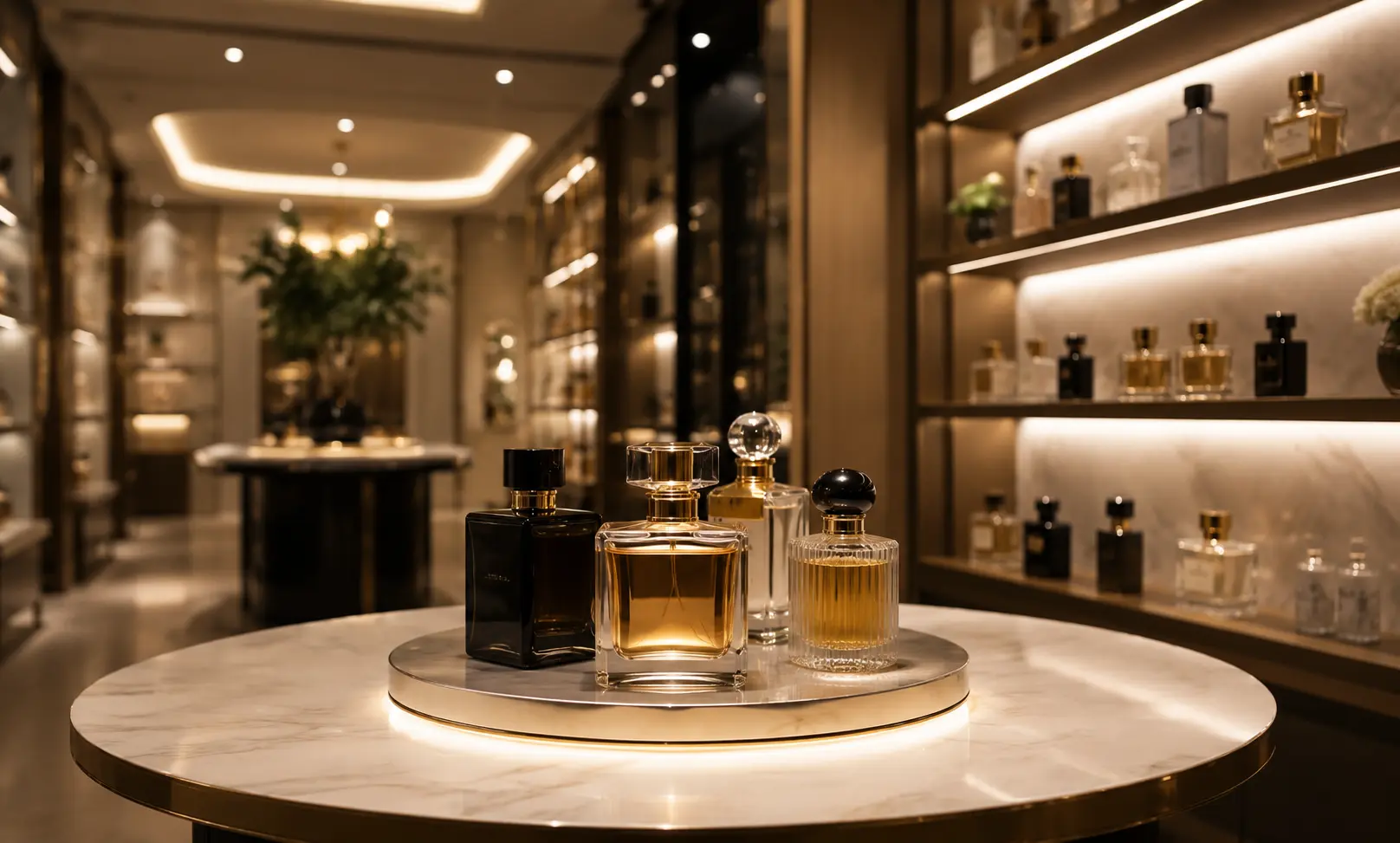
Why Curated Perfume Collections Feel More Luxurious
Modern luxury no longer looks the same.
Years ago, many perfume stores tried to impress customers by displaying hundreds of fragrances at once. Bigger shelves meant bigger prestige. More bottles meant more status.
But today, something fascinating is happening inside the American fragrance market.
Many consumers now perceive smaller curated perfume collections as more luxurious than massive overloaded fragrance displays.
Why?
Because modern luxury psychology has changed.
Today’s consumers increasingly associate luxury with:
- emotional clarity
- calm shopping environments
- selective presentation
- intentional design
- reduced stress
- expert curation
And this psychological shift is quietly transforming how premium fragrance stores are designed.
A carefully curated perfume collection no longer feels “limited.”
It feels refined.
Why do curated perfume collections feel more luxurious?
Curated perfume collections feel more luxurious because consumers associate selective presentation with higher quality, expertise, emotional clarity, and exclusivity. Smaller collections also reduce decision fatigue and create a calmer premium shopping experience.
🧠 Luxury Psychology: Why Selectivity Feels Premium
Human psychology naturally connects scarcity and selectivity with value.
When customers enter a perfume store offering only carefully chosen fragrances, they subconsciously assume:
- every perfume was selected intentionally
- weaker products were removed
- the brand has confidence in its taste
- quality matters more than quantity
This psychological effect exists across many luxury industries:
- designer fashion boutiques
- premium skincare brands
- luxury watch stores
- modern furniture showrooms
Perfume retail is now following the same direction.
Consumers increasingly trust curated expertise more than overwhelming abundance.
This also strongly connects to the emotional retail minimalism explored in Why Minimalist Perfume Stores Often Feel Premium, where clean controlled environments increase perceived exclusivity and sophistication.
✨ Emotional Minimalism Is Becoming a Luxury Signal
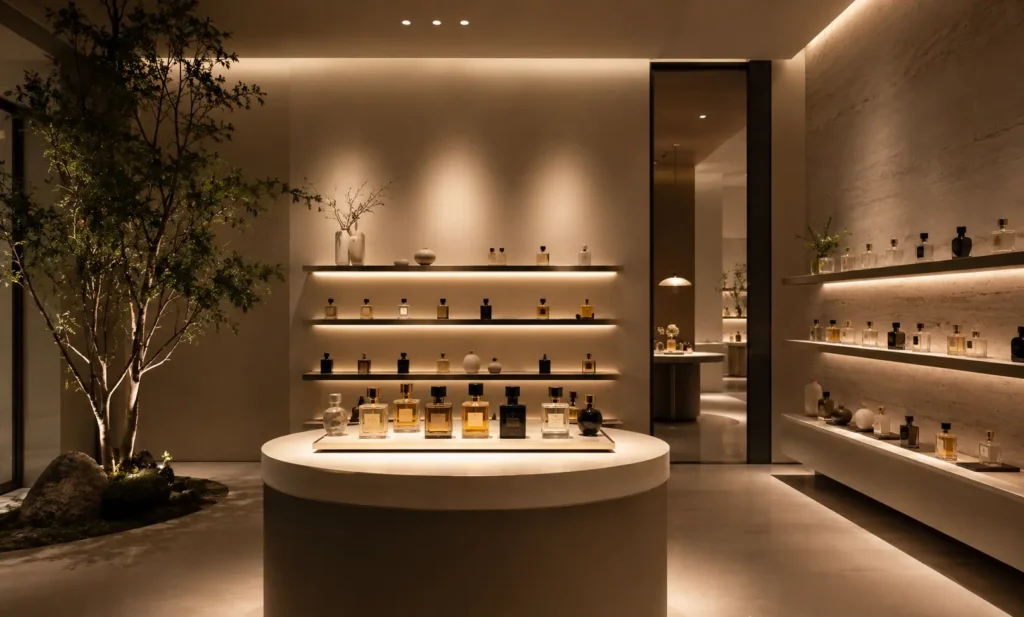
Modern American consumers experience constant overstimulation every day.
Social media feeds. Online shopping. Advertisements. Endless recommendations.
Because of this, emotional simplicity itself now feels luxurious.
Curated perfume collections reduce mental noise.
Instead of forcing customers to compare 300 fragrances, curated stores create:
- emotional calm
- faster decisions
- stronger confidence
- clearer scent memory
- lower stress
That emotional relief creates a premium feeling.
Ironically, many stores accidentally reduce luxury perception by offering too many options.
🇺🇸 American Shopping Behavior Is Quietly Changing
Younger American shoppers increasingly prefer:
- guided shopping experiences
- emotionally intelligent branding
- smaller premium selections
- story-driven fragrance discovery
- personalized recommendations
Large fragrance walls once felt exciting.
Today, they often feel exhausting.
Consumers increasingly want:
“help choosing” instead of “unlimited choice.”
This shift is especially visible among modern niche fragrance buyers.
Many shoppers now believe:
if a store offers fewer fragrances, each perfume must have been chosen for a reason.
That perception dramatically increases perceived luxury.
🛍️ Too Many Perfumes Can Reduce Buying Confidence
Large fragrance collections often create hidden psychological pressure.
After testing too many scents, consumers commonly experience:
- olfactory fatigue
- emotional confusion
- decision paralysis
- reduced excitement
- uncertainty
Eventually, some shoppers leave the store entirely without buying anything.
This directly supports the consumer behavior discussed in Why Customers Leave Perfume Stores Without Buying Anything.
It also connects strongly to the psychological overload explained in Why Too Many Fragrance Choices Confuse Customers.
Modern consumers often feel more confident when choices feel filtered and simplified.
📊 Curated Collections vs Overloaded Fragrance Displays
| Factor | Curated Collection | Overloaded Display |
|---|---|---|
| Luxury Perception | Higher | Lower |
| Emotional Comfort | Strong | Weak |
| Shopping Stress | Lower | Higher |
| Brand Identity | Clear | Confusing |
| Buying Confidence | Higher | Lower |
| Sampling Experience | Focused | Fatiguing |
| Emotional Attachment | Stronger | Weaker |
| Consumer Trust | Higher | Less stable |
🧠 Decision Fatigue Is Now a Serious Retail Problem
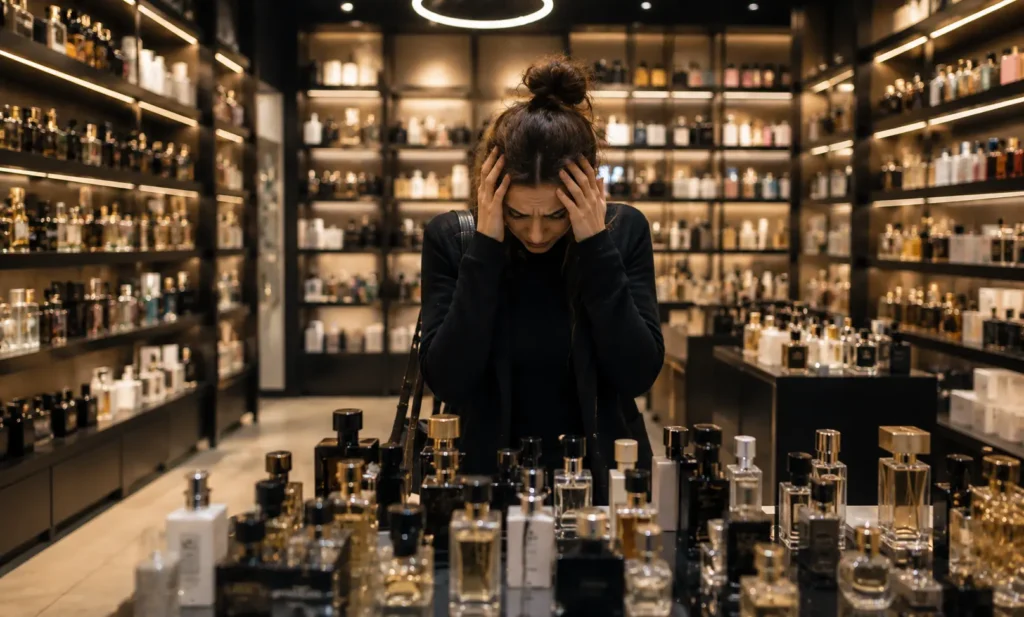
Modern fragrance retail increasingly faces a hidden challenge:
decision fatigue.
The more fragrances customers evaluate, the harder emotional decision-making becomes.
This directly reflects the shopping psychology explored in The Psychology of Decision Fatigue in Fragrance Shopping.
After smelling too many perfumes:
- scent memory weakens
- emotional reactions blur together
- confidence drops
- purchases get delayed
Eventually, consumers stop enjoying the shopping experience.
This is one reason why some premium stores intentionally reduce the number of fragrances displayed at once.
Sometimes fewer choices create stronger emotional engagement.
Do fewer perfume choices increase luxury perception?
Yes. Fewer perfume choices often increase luxury perception because curated selections create emotional clarity, reduce stress, and strengthen feelings of exclusivity, confidence, and premium branding.
🏬 Why Curated Stores Feel More Trustworthy
Curated perfume collections also create perceived expertise.
When stores carefully limit selections, customers often believe:
- experts filtered the fragrances
- every scent serves a purpose
- quality standards are higher
- the brand understands sophisticated taste
This emotional trust matters enormously in fragrance retail.
Perfume shopping is deeply emotional.
Consumers do not simply buy scent molecules.
They buy identity, confidence, mood, and emotional projection.
Curated collections help simplify those emotional decisions.
📈 More Choices Do Not Always Mean More Sales
Many retailers still assume:
bigger collections automatically generate bigger profits.
But modern consumer psychology is becoming more complicated.
Too many fragrances can:
- reduce excitement
- increase confusion
- weaken emotional connection
- slow decisions
- lower conversion rates
This directly supports the retail concerns explored in Can Offering Too Many Perfumes Harm Your Store Sales?
It also complements the buying behavior patterns discussed in Do Customers Buy More When Stores Offer Fewer Perfumes.
In many cases, curated collections create:
- stronger emotional branding
- better customer memory
- higher perceived value
- improved shopping satisfaction
Sometimes luxury comes from restraint — not abundance.
✨ Modern Luxury Is Emotional, Not Numerical
Today’s luxury consumers increasingly value:
- calmness
- intentionality
- emotional comfort
- clarity
- simplicity
- confidence
That is why curated perfume collections feel more luxurious.
They remove emotional noise from the shopping experience.
And in today’s overstimulated world, emotional clarity itself has become a premium experience.
Final Thoughts
The future of fragrance retail may not belong to the stores with the largest inventory.
It may belong to the stores that create the strongest emotional experience.
Curated perfume collections feel luxurious because they make consumers feel guided instead of overwhelmed.
And modern American consumers increasingly see that emotional guidance as a form of premium sophistication.
Have you ever felt more emotionally connected to a smaller curated perfume store than a massive fragrance department filled with endless choices?
Discover more from Perfume Cultures
Subscribe to get the latest posts sent to your email.



One Comment