How Fragrance Sampling Changes Buying Decisions
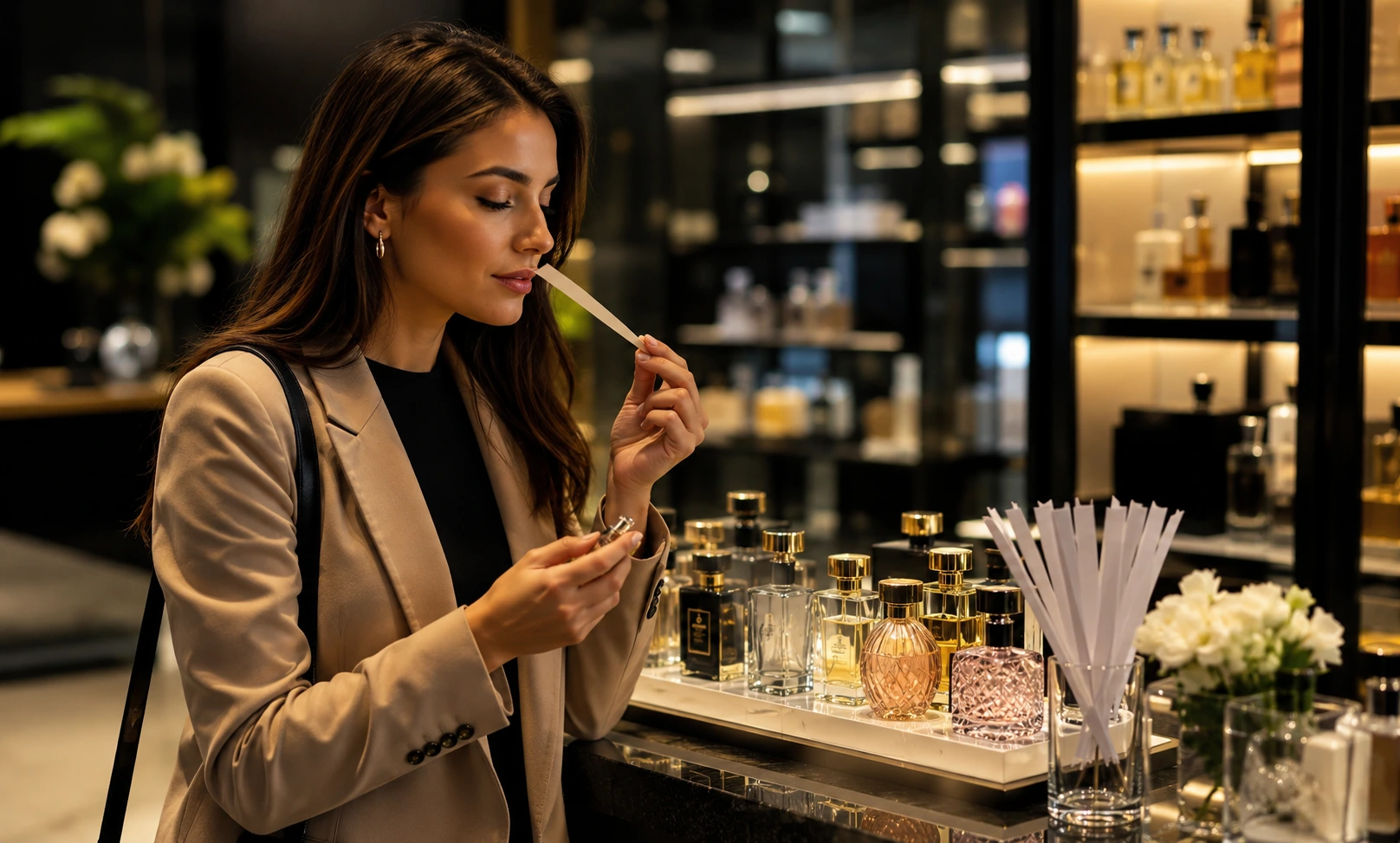
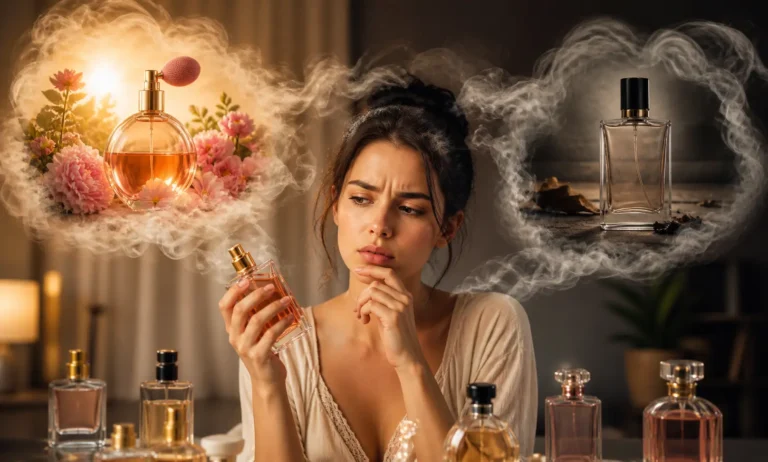
Walk into a modern American perfume store today, and you’ll notice something interesting: people rarely buy fragrances immediately anymore.
Instead, they spray paper strips, test scents on skin, walk around malls for 20 minutes, compare reactions, revisit stores days later, and sometimes purchase only after multiple sampling experiences.
Why?
Because fragrance is no longer just a product.
It has become a psychological experience tied to identity, emotion, memory, social perception, and even lifestyle aspirations.
In the modern American market, fragrance sampling has quietly become one of the strongest forces influencing buying decisions — often more powerful than advertising itself.
And for perfume brands and retailers, understanding how sampling changes consumer behavior may determine whether customers buy… or walk away.
How does fragrance sampling affect buying decisions?
Fragrance sampling affects buying decisions by reducing purchase anxiety, increasing emotional attachment, improving scent memory, and allowing consumers to experience how a perfume reacts with their skin chemistry over time. Modern American shoppers often trust personal testing more than marketing claims when choosing fragrances.
Why Sampling Creates Stronger Emotional Commitment
Perfume is one of the few products people cannot fully understand instantly.
Unlike clothing, electronics, or accessories, fragrance changes over time:
- Top notes disappear
- Skin chemistry alters scent perception
- Heat and movement affect projection
- Emotional reactions evolve after minutes or hours
This creates a unique psychological situation.
Consumers feel uncertain at first.
Sampling reduces that uncertainty.
The moment someone tests a fragrance on their own skin, the scent becomes more personal, memorable, and emotionally connected to them.
This is one reason why many modern perfume stores now prioritize experience over inventory quantity — something strongly connected to the ideas explored in the article about why minimalist perfume stores often feel premium.
When stores create calm sampling environments instead of overwhelming customers with endless options, shoppers become more emotionally engaged with each fragrance.
🛍️ Sampling Slows Down — But Improves — Buying Decisions
One of the biggest misconceptions in retail is that faster decisions always produce more sales.
In fragrance retail, the opposite is often true.
Customers who sample fragrances carefully tend to:
✔️ Return more often
✔️ Trust the brand more
✔️ Feel less buyer’s remorse
✔️ Develop stronger loyalty
✔️ Purchase higher-priced fragrances later
This behavior is especially common among younger American consumers who now view fragrance shopping as an experience rather than a quick transaction.
Interestingly, stores that offer too many perfumes at once can unintentionally damage this process.
This directly connects to the psychology discussed in Can Offering Too Many Perfumes Harm Your Store Sales? because sensory overload often reduces emotional clarity and weakens purchase confidence.
🇺🇸 Modern American Consumers Trust Experience More Than Advertising
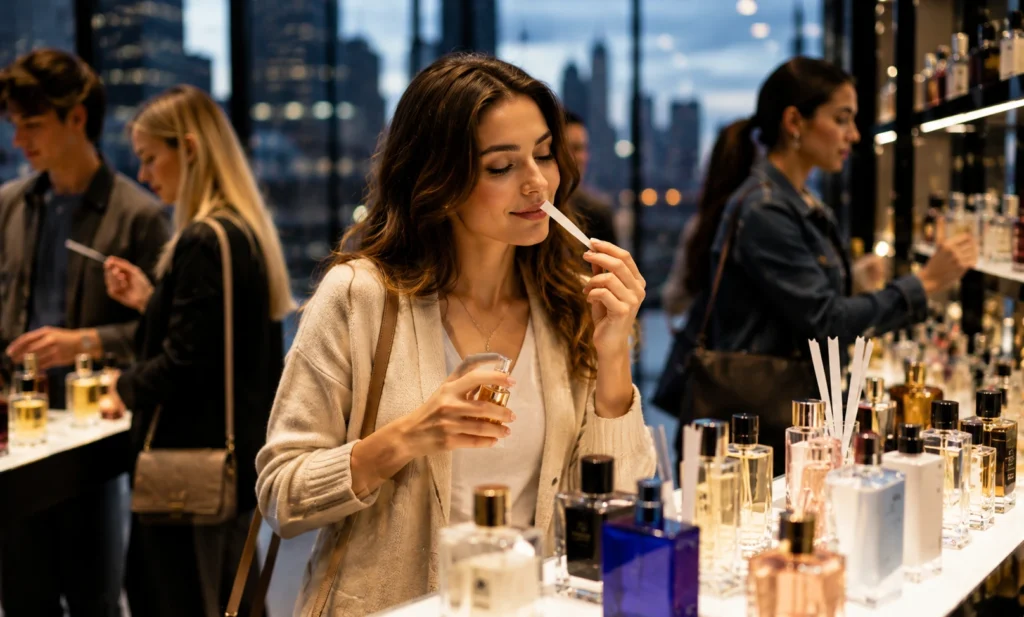
American fragrance buyers have changed dramatically in recent years.
Many shoppers now distrust traditional luxury marketing alone.
Instead, they prefer:
- Real testing
- Ingredient transparency
- Authentic emotional reactions
- Personalized discovery experiences
This explains why sampling stations, discovery kits, and travel-size testers have become extremely popular in the US market.
Consumers increasingly believe:
“If I experience it myself, I trust it more.”
That psychological shift has changed how brands market perfumes entirely.
It also connects closely with the growing success of stores that openly explain fragrance ingredients and scent compositions, as discussed in Why Displaying Perfume Ingredients in Stores Enhances Shopping Experience.
When shoppers understand what they are smelling, the sampling experience becomes intellectually satisfying — not just sensory.
📊 Comparison Table: How Sampling Changes Consumer Behavior
| Shopping Behavior | Without Sampling | With Sampling |
|---|---|---|
| Purchase Confidence | Lower | Higher |
| Emotional Attachment | Weak | Strong |
| Return Probability | Higher | Lower |
| Memory Retention | Short-term | Long-lasting |
| Luxury Perception | Based on branding | Based on personal experience |
| Brand Trust | Moderate | Strong |
| Impulse Buying | More common | Less common |
| Long-Term Loyalty | Weaker | Stronger |
🧠 Fragrance Memory Makes Sampling Extremely Powerful
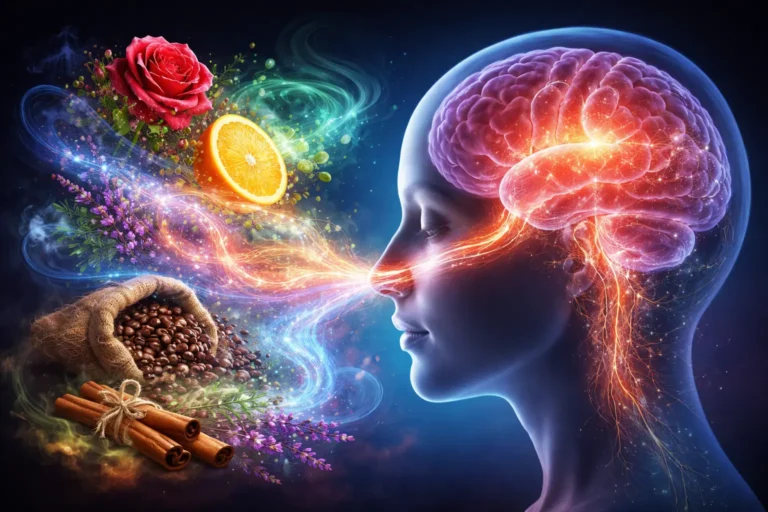
Smell has a direct relationship with emotional memory.
Unlike visual advertising alone, fragrance sampling activates deeper psychological associations inside the brain.
A sampled fragrance may later remind consumers of:
- A vacation
- A relationship
- A confident moment
- A luxury environment
- A specific season or emotion
This emotional memory dramatically increases the likelihood of future purchases.
And this is exactly why scent marketing has become so effective in modern retail environments.
The science behind this phenomenon strongly aligns with the behavioral concepts explored in Why Scent Marketing Works On American Shoppers: The Science Behind It.
Brands that understand sensory memory often outperform brands that rely only on visual luxury aesthetics.
🛍️ Sampling Also Changes Luxury Spending Behavior
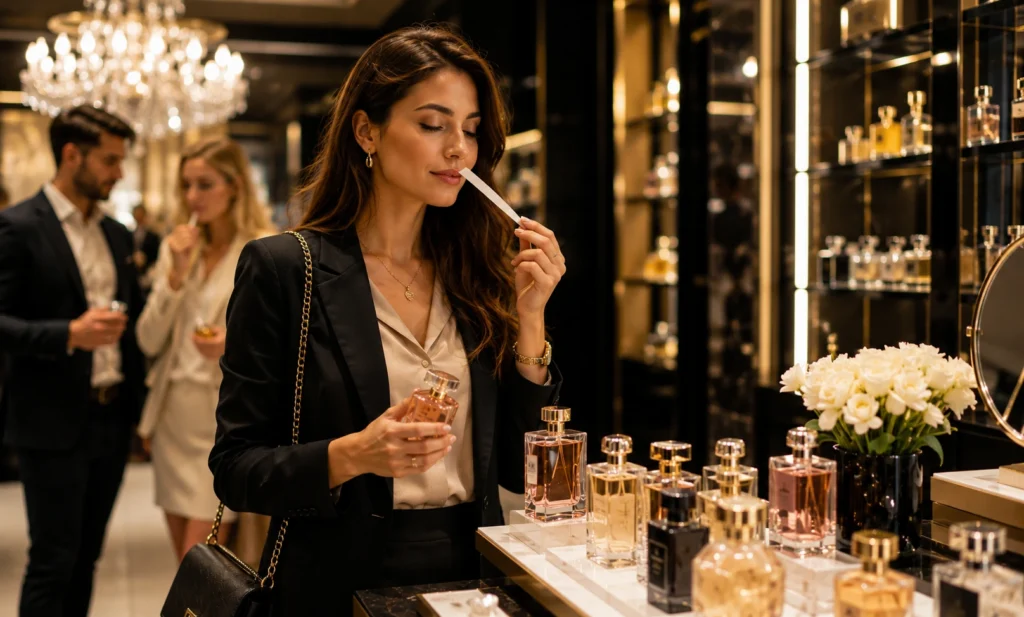
Interestingly, sampling doesn’t always push consumers toward cheaper fragrances.
In many cases, it encourages shoppers to justify spending more money.
Why?
Because emotional connection increases perceived value.
A fragrance that feels emotionally “right” suddenly appears worth the higher price.
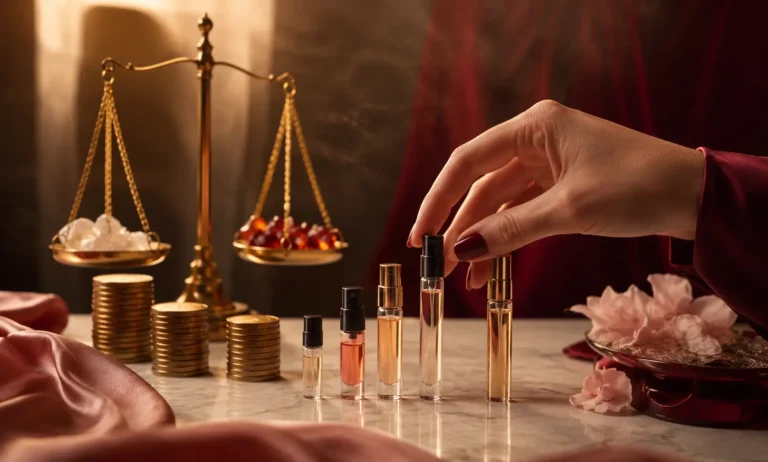
This is especially important in today’s American market, where consumers constantly balance luxury desires with affordability concerns.
Many shoppers now buy fewer fragrances overall — but spend more on fragrances they emotionally connect with deeply.
This behavior closely reflects the purchasing psychology discussed in How American Consumers Balance Luxury and Affordability in Perfume Buying.
Sampling often becomes the bridge between curiosity and premium spending.
Why do perfume samples increase sales?
Perfume samples increase sales because they create emotional familiarity, reduce uncertainty, improve trust, and allow consumers to experience fragrance performance in real-life situations. Sampling also helps shoppers form stronger sensory memories connected to the scent.
📈 Why Sampling Matters Even More for New Perfume Brands
For new perfume brands, sampling can be more important than advertising budgets.
Unknown brands face one major challenge:
Trust.
Consumers hesitate to spend money on fragrances they have never smelled before.
Sampling solves that problem naturally.
Discovery sets, tester programs, subscription boxes, and in-store sampling experiences help emerging brands compete against established luxury houses.
This is one reason why many successful modern fragrance startups invest heavily in experiential marketing instead of traditional advertising alone.
And this strategy directly connects with the growth principles discussed in How New Perfume Brands Can Succeed in a Competitive Market.
Sometimes one memorable sampling experience creates more conversion power than thousands of online impressions.
✨ The Future of Fragrance Shopping Is Experience-Driven
Modern perfume retail is moving toward experiential psychology.
The future is no longer about placing hundreds of bottles on shelves.
Instead, successful fragrance environments increasingly focus on:
✔️ Guided discovery
✔️ Controlled sensory experiences
✔️ Emotional storytelling
✔️ Ingredient education
✔️ Interactive sampling
✔️ Personalized recommendations
Consumers want to feel a fragrance before they buy it.
And in many cases, the sampling experience itself becomes part of the product’s perceived value.
❓FAQ
Do perfume samples actually increase purchases?
Yes. Sampling significantly increases purchase confidence and emotional attachment, making consumers more likely to buy fragrances later.
Why do people test perfume on skin instead of paper?
Skin chemistry changes how fragrances smell over time, making personal testing more accurate than paper strips alone.
Why are discovery sets becoming popular in the US?
American consumers increasingly prefer personalized exploration experiences before committing to full-size fragrance purchases.
Can too many perfume samples confuse customers?
Yes. Excessive options can create sensory overload, decision fatigue, and lower purchase confidence.
Why do luxury perfume stores focus heavily on sampling?
Luxury fragrance brands understand that emotional experience and scent memory strongly influence perceived value and long-term loyalty.
🧠 Conclusion
Fragrance sampling has evolved from a simple retail tool into a powerful psychological experience that shapes trust, emotion, memory, and spending behavior.
In today’s American fragrance market, consumers no longer buy perfumes based only on branding or advertising.
They buy based on how a fragrance makes them feel during the experience itself.
And for modern perfume brands, creating unforgettable sampling moments may be one of the most important competitive advantages of all.
💬 Interactive Question
Do you usually buy fragrances immediately, or do you prefer testing samples for several days before making a final decision?
Discover more from Perfume Cultures
Subscribe to get the latest posts sent to your email.

2 Comments