
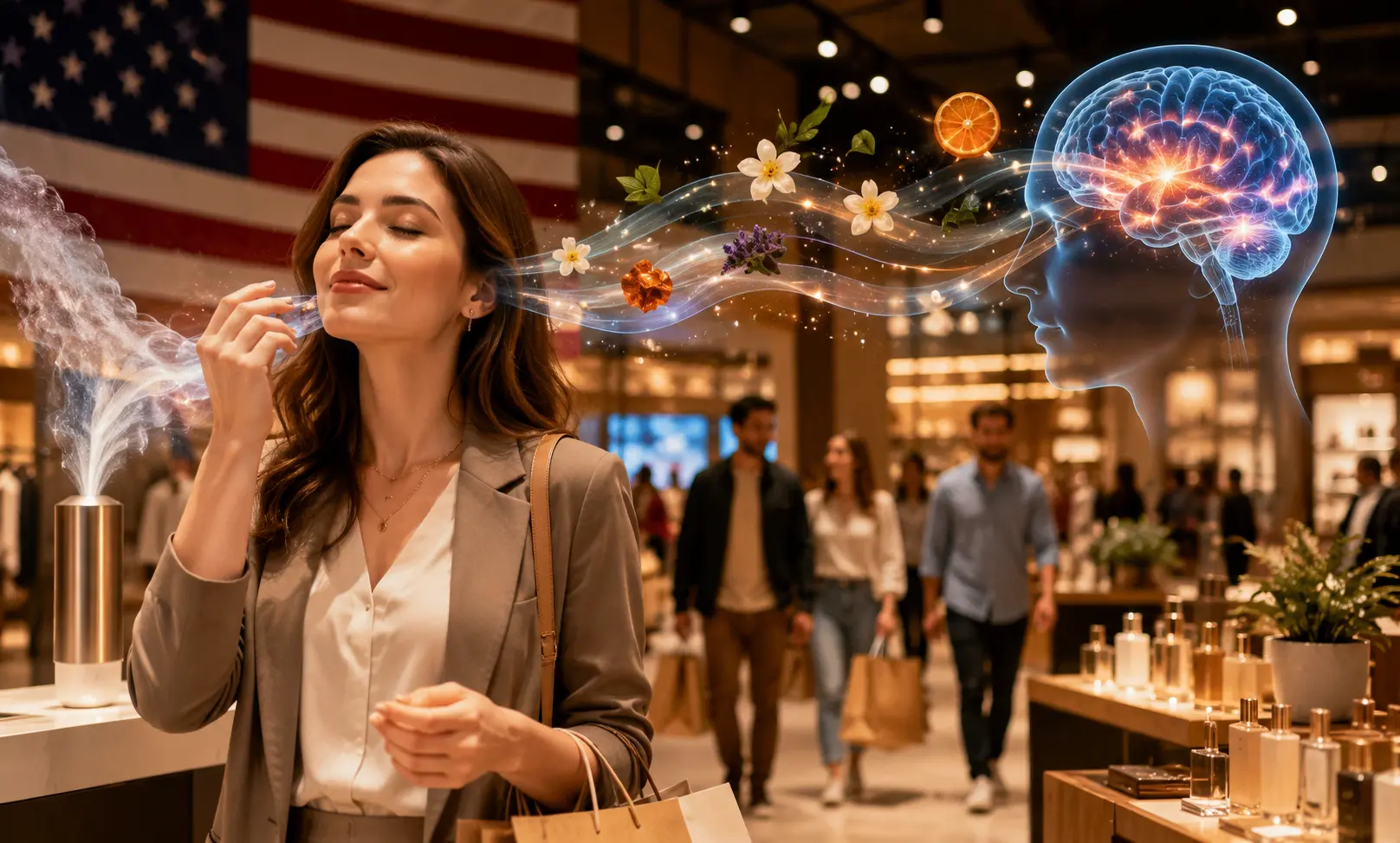
Why Scent Marketing Works On American Shoppers: The Science Behind It
You walk into a luxury hotel lobby in Las Vegas, and before you even notice the marble floors or soft lighting, your brain has already made a decision: this place feels expensive.
But what caused that reaction?
In many cases, it was not the visuals. It was the scent.
Across the United States, brands quietly use fragrance to influence how customers feel, how long they stay inside stores, how much they spend, and even how they remember a shopping experience days later. From malls and casinos to gyms, clothing stores, and luxury hotels, scent marketing has become one of the most powerful psychological tools in modern American retail culture.
The reason it works is surprisingly scientific. Smell bypasses many of the brain’s logical filters and connects directly to memory, emotion, comfort, and social perception. That is why a carefully designed scent can make shoppers feel relaxed, nostalgic, curious, luxurious, energetic, or emotionally attached without them consciously realizing it.
And in America — where shopping is often emotional, lifestyle-driven, and experience-focused — scent marketing has become incredibly effective.
Why does scent marketing work so well on American shoppers?
Scent marketing works because smell is strongly connected to memory, emotion, and subconscious decision-making. In American retail environments, carefully designed scents can increase emotional comfort, improve brand perception, encourage longer store visits, and create stronger memories associated with products or shopping experiences.
🧠 The Brain Processes Smell Differently Than Other Senses
Unlike sight or sound, scent travels directly to the brain’s emotional and memory centers.
That changes everything.
A customer may logically compare prices, but emotionally respond to scent first. This is why certain stores feel calming, energetic, luxurious, or comforting even before shoppers consciously analyze the environment.
Researchers in consumer psychology often describe scent as an “emotional shortcut.” Instead of slowly building trust through rational thinking, fragrance creates an instant atmosphere.
This is also why certain fragrance experiences stay in memory for years.
That connects naturally with your article about The Role of Nostalgia in American Perfume Preferences, because nostalgia is one of the strongest emotional triggers in scent perception. American shoppers often associate specific smells with childhood stores, holidays, hotels, relationships, or cultural moments. Brands intentionally use this psychological connection to create familiarity and emotional safety.
🇺🇸 Why Scent Marketing Became So Powerful in American Retail Culture
American shopping culture is heavily experience-driven.
People do not only buy products. They buy:
- moods
- identity
- comfort
- atmosphere
- social image
- emotional escape
This is why modern American retail spaces increasingly focus on sensory design rather than simple product display.
Luxury hotels use signature scents.
Sportswear stores use energetic fresh aromas.
High-end malls diffuse clean musks and soft woods.
Coffee shops use warm gourmand notes.
Even car dealerships sometimes use controlled leather-style accords to reinforce the feeling of “new luxury.”
In many cases, shoppers do not consciously notice the scent itself.
They simply describe the place as:
- “clean”
- “comfortable”
- “premium”
- “relaxing”
- “expensive”
- “modern”
That psychological effect closely connects with Why Smooth Perfumes Usually Get Better Reactions Than Loud Ones, because smoother scent profiles often reduce sensory pressure while still creating positive emotional impressions.
What types of scents work best in stores?
Soft, clean, comforting, and emotionally familiar scents usually work best in retail spaces. American shoppers tend to respond positively to fragrances that feel smooth, airy, relaxing, and socially comfortable rather than overpowering or aggressively strong.
🛍️ Real Retail Examples of Scent Marketing in America
Many major brands already use scent strategically.
| Brand / Environment | Common Scent Style | Psychological Goal |
|---|---|---|
| Luxury Hotels | Soft woods + white musk | Create calm luxury |
| Clothing Stores | Fresh citrus + clean musk | Increase comfort and energy |
| Coffee Shops | Vanilla + coffee accords | Trigger warmth and hunger |
| Casinos | Warm amber blends | Encourage longer stays |
| Fitness Gyms | Aquatic + minty freshness | Reinforce cleanliness |
| Car Showrooms | Leather-inspired accords | Strengthen premium perception |
The important detail is that these scents are usually controlled and smooth — not loud.
That directly connects with Perfumes That Attract Attention Without Causing Discomfort, because modern scent marketing focuses on creating subtle emotional influence instead of overwhelming projection.
🧠 Why Air Movement Changes Scent Perception Inside Stores
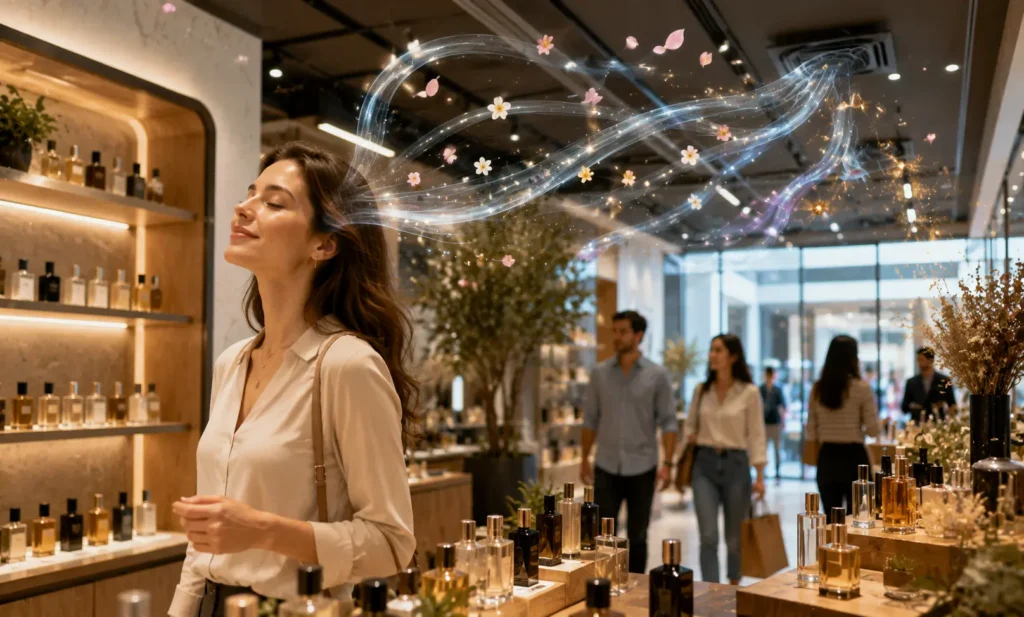
One fascinating detail most shoppers never notice is how movement changes scent perception.
Retail environments are carefully designed around airflow.
As customers walk through a store, fragrance molecules move dynamically through the air. This creates short scent impressions instead of constant heavy exposure.
That psychological phenomenon strongly relates to Why Some Fragrances Smell Better in Motion Than Up Close. Brief scent encounters often feel more pleasant and luxurious because the brain experiences them as light, natural, and intriguing rather than overwhelming.
This is why many stores avoid very dense or heavy fragrance diffusion.
Instead, they create:
- subtle scent trails
- moving scent pockets
- soft atmospheric diffusion
- periodic scent exposure
Ironically, shoppers often remember these soft scent experiences more strongly than intense ones.
🌎 Cultural Diversity Also Shapes Scent Marketing Success
America is one of the most culturally diverse consumer markets in the world.
That means scent preferences are not universal.
Different communities may emotionally respond to:
- sweet gourmand scents
- incense-style aromas
- fresh laundry accords
- oud-inspired warmth
- tropical fruits
- powdery florals
- spicy oriental notes
This creates an important connection with Exploring the Influence of Ethnic Diversity on Perfume Choices in the US.
Modern brands increasingly study cultural scent familiarity because people naturally trust smells that feel emotionally recognizable.
A scent associated with “comfort” in one cultural background may feel strange or too intense in another.
This is why many American retailers now use safer universal scent profiles:
- soft musks
- airy citrus
- mild woody notes
- clean skin-like accords
These create broader emotional acceptance across diverse customer groups.
💰 The Business Side: Why Companies Invest So Much in Scent
Scent marketing is not just artistic.
It is profitable.
Studies and retail experiments consistently suggest that pleasant scent environments can:
- increase customer dwell time
- improve mood
- strengthen brand memory
- increase perceived product quality
- encourage impulse purchases
- reduce stress during shopping
This links naturally with The True Cost of Fragrance: What Americans Really Spend on Perfume, because emotional scent experiences influence spending behavior far beyond personal fragrance purchases alone.
In modern American consumer culture, scent itself has become part of the product experience.
People are no longer only buying items.
They are buying emotional environments.
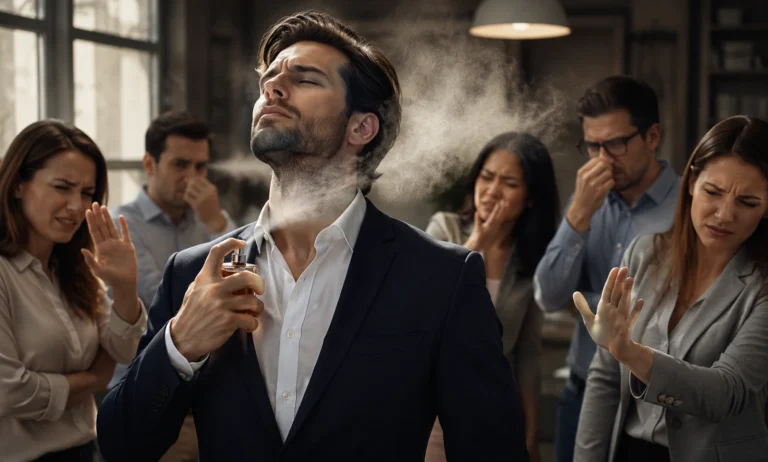
🧠 Why Overpowering Scents Usually Fail in Retail Spaces
One major misconception is that stronger scent equals stronger influence.
In reality, overpowering fragrance often creates psychological resistance.
Heavy projection can:
- cause sensory fatigue
- reduce comfort
- shorten store visits
- increase stress
- trigger negative associations
This explains why many successful scent-marketing systems rely on:
- smooth diffusion
- low concentration
- airy composition
- clean accords
- subtle repetition
The goal is emotional immersion — not sensory attack.
That is exactly why softer atmospheric fragrances often create better long-term brand impressions than aggressive scent saturation.
🧭 The Future of Scent Marketing in America
Scent marketing is becoming more advanced every year.
Future retail environments may increasingly use:
- personalized scent zones
- AI-driven scent adaptation
- demographic-based fragrance targeting
- seasonal emotional scent programming
- smart diffusion systems connected to customer behavior
As American shopping becomes more experience-focused, scent will likely become even more important in shaping how consumers emotionally connect with brands.
And most shoppers may never consciously realize how much fragrance influenced their decisions.
❓FAQ Section
Does scent marketing really affect purchasing behavior?
Yes. Pleasant scent environments can improve mood, increase store comfort, encourage longer browsing time, and strengthen emotional attachment to products or brands.
Why do luxury stores often smell similar?
Many luxury environments use smooth woods, musks, amber, and clean accords because these notes psychologically reinforce calmness, sophistication, and premium perception.
Can strong scents hurt customer experience?
Yes. Overpowering fragrance can create discomfort, sensory fatigue, or stress, especially in crowded indoor environments.
Why do some store scents feel familiar?
Brands intentionally use emotionally recognizable scent profiles because familiarity increases psychological comfort and trust.
Do different cultures respond differently to scent marketing?
Absolutely. Cultural background strongly influences scent preferences, emotional associations, and comfort levels with different fragrance styles.
If you enjoyed the psychology behind scent marketing, you may also want to explore how emotional memory shapes fragrance behavior in The Role of Nostalgia in American Perfume Preferences, or discover why softer scent experiences often create better reactions in Why Smooth Perfumes Usually Get Better Reactions Than Loud Ones.
You can also continue deeper into scent psychology with Perfumes That Attract Attention Without Causing Discomfort and Why Some Fragrances Smell Better in Motion Than Up Close to better understand how movement, comfort, and subtle projection influence social perception.
❓Final Interactive Question
Have you ever walked into a store, hotel, or shopping mall that smelled so good you instantly felt more comfortable or wanted to stay longer?
Discover more from Perfume Cultures
Subscribe to get the latest posts sent to your email.

5 Comments