What Your Favorite Scent Says About Your Personality
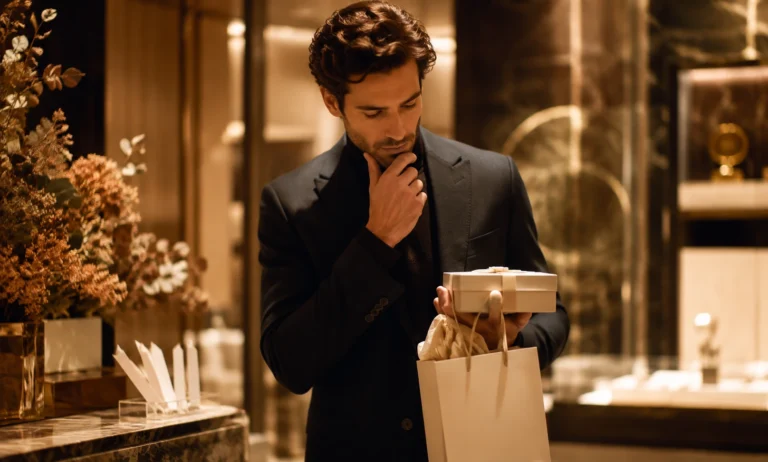
Scent is more than a preference—it’s a quiet language. The fragrances you’re drawn to often reveal patterns about how you think, feel, and interact with the world. While many people choose perfumes based on mood or occasion, the deeper truth is that your favorite scent profile can reflect consistent personality traits, emotional tendencies, and even social behavior.
In this article, we explore how fragrance preferences connect to personality through psychology, neuroscience, and subtle human behavior.
🌿 The Link Between Scent and Identity
Your scent choices are rarely random. Over time, people tend to gravitate toward certain fragrance families—fresh, woody, sweet, or spicy—because they resonate with their internal identity.
This is not just about taste. It’s about alignment.
Many individuals unconsciously select scents that reinforce how they see themselves or how they want to be perceived. This idea is closely connected to how fragrance acts as an invisible extension of self, as explored in Perfume and Identity: The Invisible Expression, where scent becomes part of personal identity rather than just an accessory.
🧠 Why Scent Preferences Feel So Personal
Unlike sight or sound, smell is directly connected to the brain’s emotional center—the limbic system. This explains why certain scents feel “right” instantly, while others feel completely off.
Your brain doesn’t analyze scent logically. It reacts emotionally.
This is why scent preferences often remain stable over time. The emotional intensity of smell, discussed in Why Smell Is the Most Emotional Human Sense, helps explain why people develop strong attachments to specific fragrance types.
🕰️ Memory: The Hidden Force Behind Your Taste
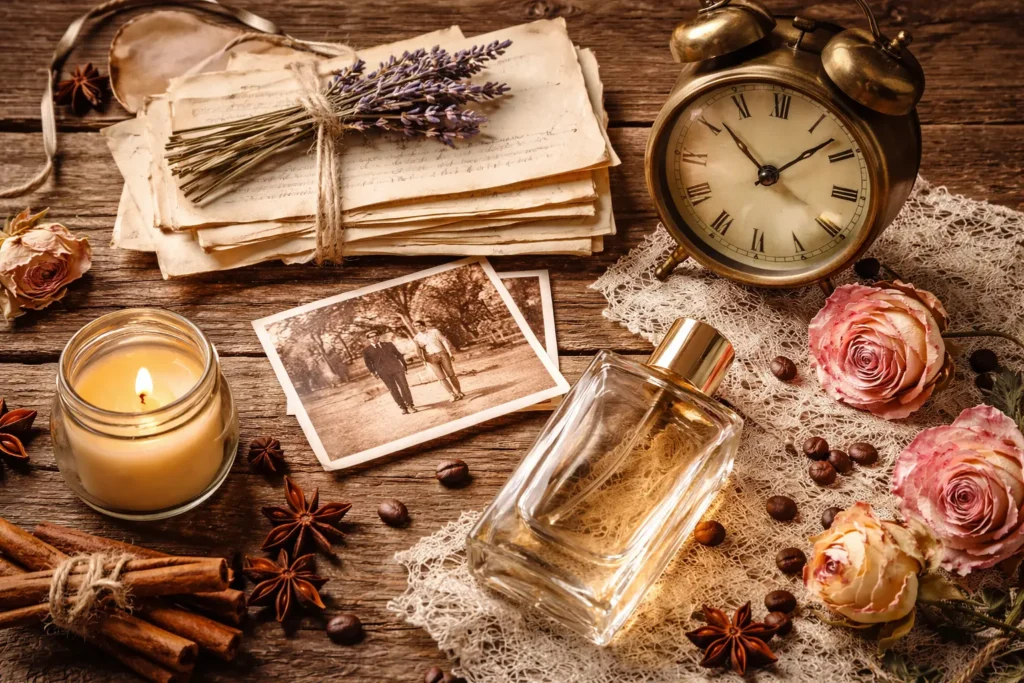
Your favorite scent might not actually be your “choice” in the traditional sense—it could be shaped by memory.
A warm vanilla scent might remind you of comfort. A smoky wood note might trigger a sense of nostalgia or mystery. These associations are built over years of experiences, often without conscious awareness.
This phenomenon is deeply rooted in how smell interacts with memory, something explored in Why Scents Trigger Memories. Your personality and your past are constantly interacting to shape what you find appealing.
⚗️ The Science Behind Scent Preferences
From a scientific perspective, scent preference is influenced by how odor molecules interact with receptors in your nose—and how your brain interprets those signals.
Different people perceive the same scent differently due to variations in olfactory receptors and brain processing. This means your “favorite scent” is biologically personal.
The complexity behind this process is explained in How Perfume Works: The Science Behind Fragrance, Molecules, and Human Smell, where fragrance is not just a smell, but a neurological experience.
👥 What Your Favorite Scent Says About You
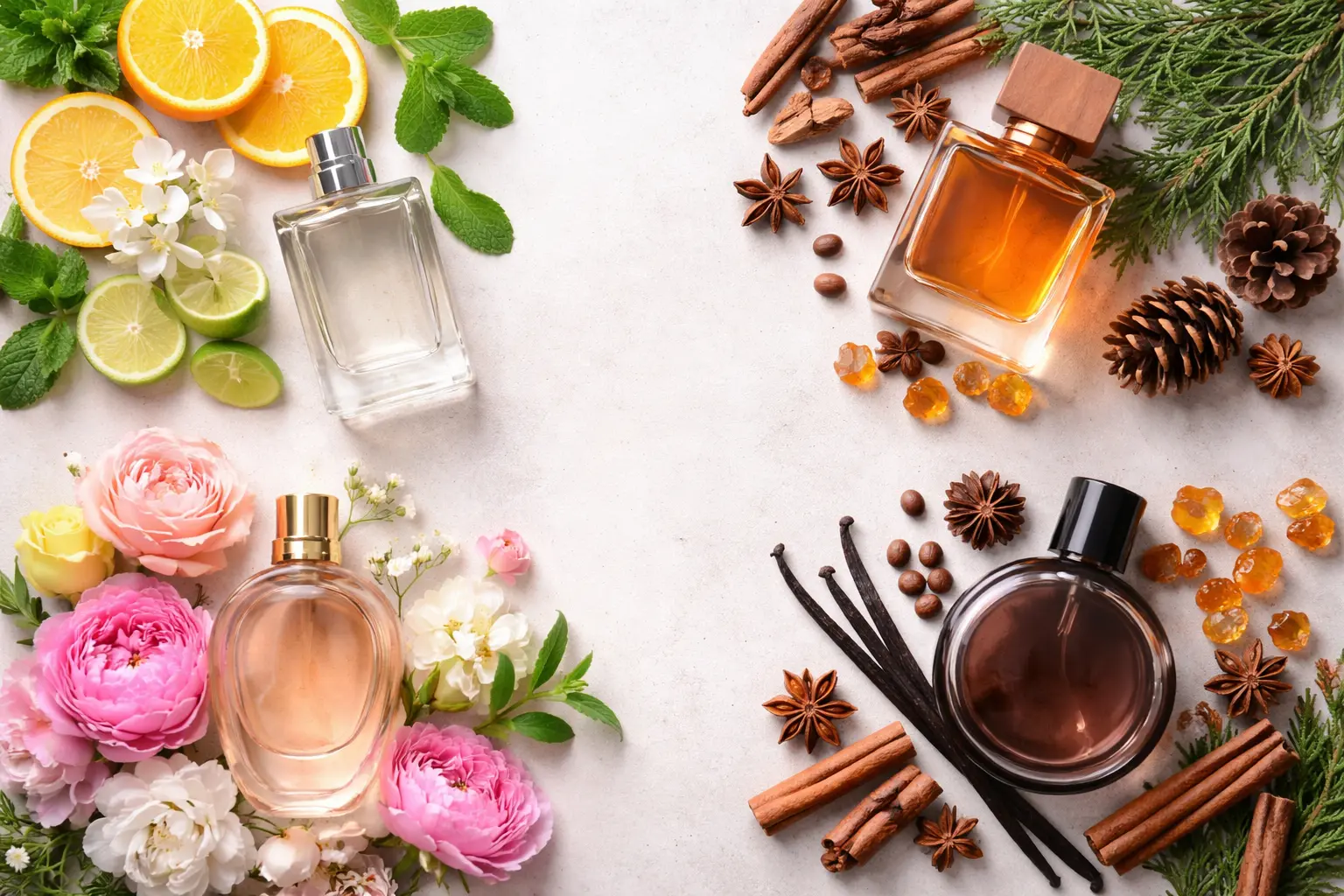
While personality is complex, certain scent families tend to align with common psychological patterns:
🌊 Fresh & Citrus Scents
- Traits: Energetic, optimistic, clean-thinking
- You likely enjoy clarity, simplicity, and social ease
🌸 Floral Scents
- Traits: Romantic, expressive, emotionally aware
- You may value connection, beauty, and emotional depth
🌲 Woody Scents
- Traits: Grounded, introspective, confident
- You tend to prefer stability, depth, and quiet strength
🍫 Sweet & Gourmand Scents
- Traits: Warm, comforting, nostalgic
- You likely appreciate familiarity and emotional security
🔥 Spicy & Oriental Scents
- Traits: Bold, mysterious, independent
- You may enjoy standing out and expressing uniqueness
These patterns are not rules—but they offer insight into how scent preferences often mirror inner tendencies.
🤝 The Social Impact of Your Scent
Your fragrance doesn’t just reflect your personality—it shapes how others perceive you.
People subconsciously form impressions based on scent within seconds. A fresh scent may signal approachability, while a deep, intense fragrance might suggest confidence or intrigue.
This silent communication plays a key role in human interaction, as explored in The Hidden Role of Smell in Human Connection, where scent influences attraction, trust, and emotional response.
🧩 Is Your Scent Choice Conscious or Automatic?
Most people believe they choose perfumes intentionally. In reality, scent preference is often a mix of:
- Emotional memory
- Biological response
- Social conditioning
- Personal identity
You don’t just choose a scent—your brain chooses it for you, based on years of internal associations.
❓ Frequently Asked Questions
Does my favorite scent really reflect my personality?
Yes, to a large extent. While not absolute, scent preferences often align with emotional tendencies, identity, and past experiences.
Can my scent preferences change over time?
Absolutely. As your experiences, environment, and emotional state evolve, your scent preferences can shift as well.
Why do I suddenly stop liking a perfume I used to love?
This can happen due to memory saturation, emotional changes, or even sensory adaptation (your brain becoming less responsive to familiar scents).
Do others perceive my scent the same way I do?
Not always. Due to biological differences in smell receptors, people can interpret the same fragrance differently.
Is there a “best” scent for a personality type?
No. Fragrance is highly personal. The best scent is one that aligns with your identity and feels natural to you.
🧭 Final Thought
Your favorite scent is not just something you wear—it’s something that represents you.
It carries your memories, reflects your emotions, and subtly communicates your presence to others. Understanding this connection doesn’t just help you choose better fragrances—it helps you understand yourself on a deeper level.
💬 Question for You:
What’s your favorite type of scent—and do you think it truly reflects your personality, or surprises you?
Discover more from Perfume Cultures
Subscribe to get the latest posts sent to your email.