
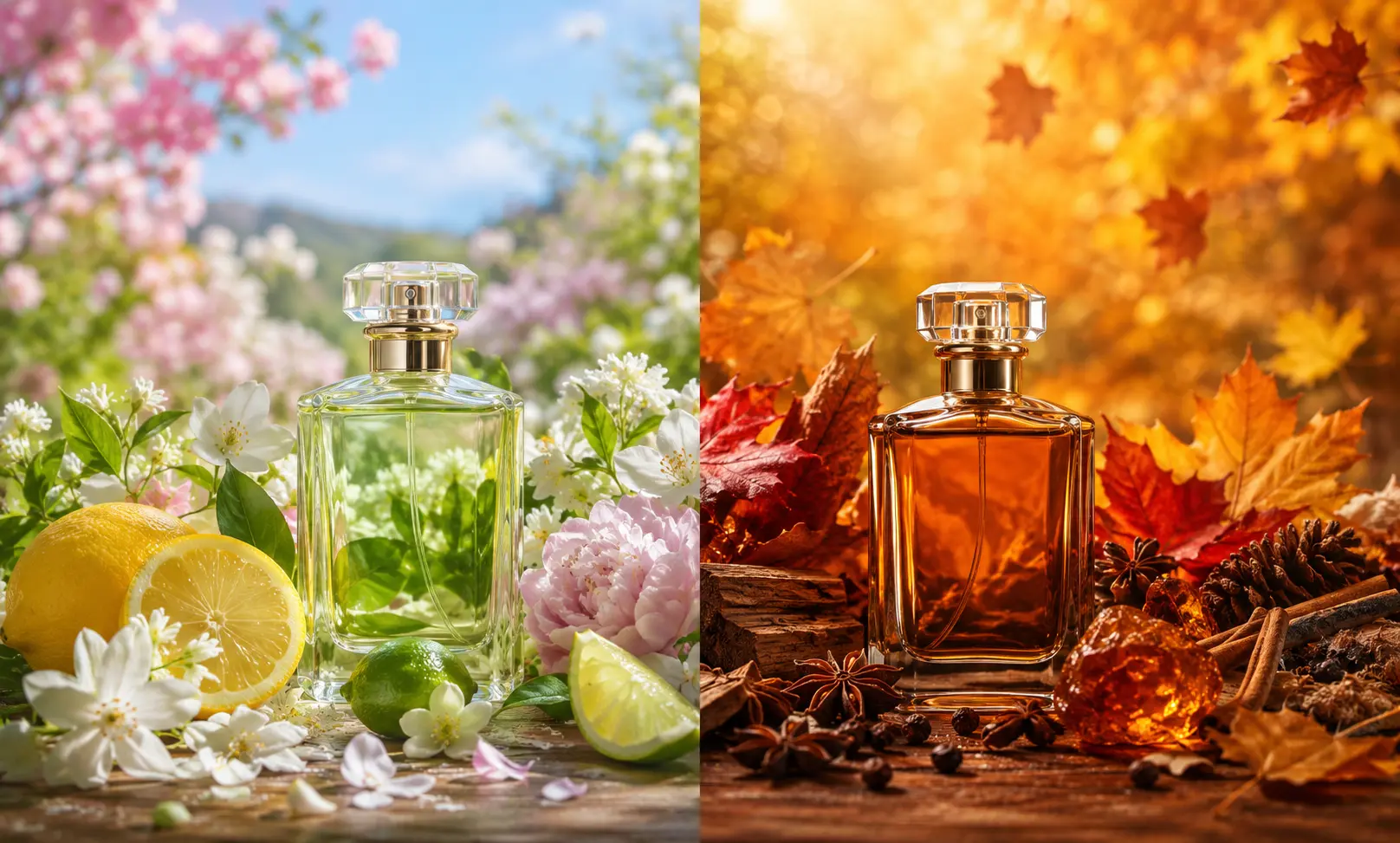
Spring vs Fall Fragrances Explained
The Same Temperature Doesn’t Mean the Same Fragrance
Imagine walking outside on a mild 65°F day. The weather feels comfortable, the sun is shining, and you’re deciding which fragrance to wear.
Now imagine that exact same temperature happening again six months later.
One day is in April.
The other is in October.
The temperature may be identical, but the atmosphere feels completely different.
Spring smells like growth, sunlight, flowers, fresh air, and new beginnings.
Fall smells like leaves, wood, spices, warmth, and transition.
This is why spring fragrances and fall fragrances rarely smell alike—even when the weather conditions seem similar.
Many fragrance beginners assume seasonal perfumes are mostly about temperature. In reality, they are largely about mood, psychology, cultural associations, and how scent interacts with the environment.
Understanding the difference can dramatically improve your fragrance choices throughout the year.
What is the difference between spring and fall fragrances?
Spring fragrances focus on freshness, brightness, florals, citrus, green notes, and airy compositions that reflect renewal and energy. Fall fragrances emphasize warmth, woods, spices, amber, and earthy notes that create comfort, depth, and coziness during seasonal transition.
Why Spring and Fall Feel So Different
Although both seasons are transitional periods between temperature extremes, they move in opposite directions emotionally.
Spring moves toward warmth.
Fall moves toward cold.
That simple difference influences everything.
Spring represents growth, optimism, social activity, and outdoor experiences.
Fall represents slowing down, reflection, comfort, and preparation for winter.
Perfumers often build fragrances around these emotional expectations.
As discussed in What Makes a Perfume Feel Like Spring?, seasonal fragrance identity often comes from the emotions a scent creates rather than the actual weather alone.
A fragrance that feels energetic and uplifting may feel perfect in spring but strangely out of place during autumn.
Spring vs Fall Fragrance Characteristics
Spring Fragrances Focus on Freshness and Light
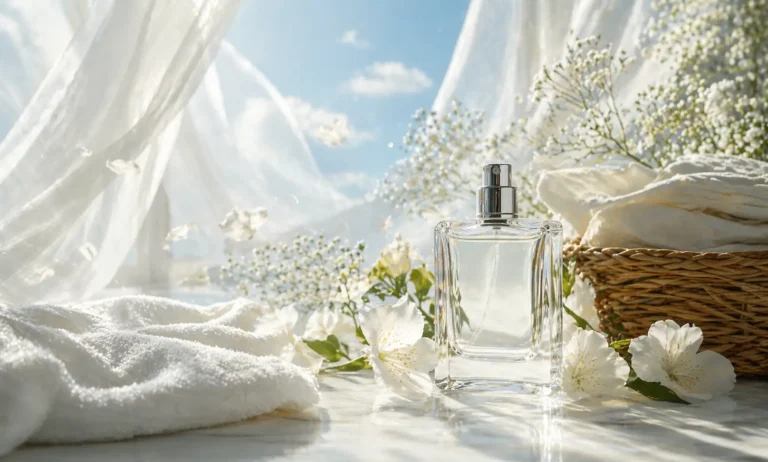
Spring scents are usually designed to feel clean, open, and vibrant.
Common characteristics include:
✔️ Airy compositions
✔️ Bright openings
✔️ Floral transparency
✔️ Green freshness
✔️ Crisp citrus notes
✔️ Moderate sweetness
The goal is often to create a feeling of movement and freshness.
Many fragrances smell almost like opening a window after a long winter.
This is one reason fresh fragrances often become more appealing as temperatures begin rising.
Fall Fragrances Focus on Warmth and Depth
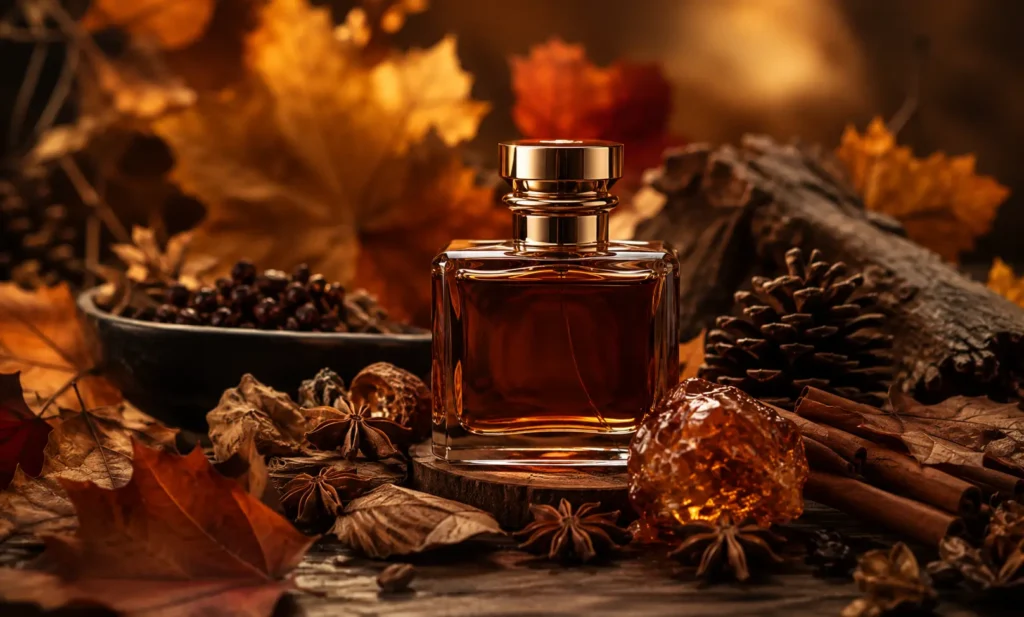
Fall fragrances move in a different direction.
Rather than feeling airy, they often feel richer and more grounded.
Common characteristics include:
✔️ Warm woods
✔️ Spices
✔️ Amber accords
✔️ Dry leaves and earthy notes
✔️ Soft sweetness
✔️ Greater depth and density
Instead of creating freshness, these fragrances create comfort.
The experience becomes more intimate and enveloping.
Are spring fragrances lighter than fall fragrances?
Generally yes. Spring fragrances are usually lighter, fresher, and more transparent, while fall fragrances tend to be warmer, richer, and denser. However, the difference is more about mood and composition than simple strength.
🌿 Spring Notes vs Fall Notes
The easiest way to understand seasonal fragrance differences is by looking at the notes themselves.
| Spring Fragrances | Fall Fragrances |
|---|---|
| Lemon | Cinnamon |
| Bergamot | Nutmeg |
| Grapefruit | Clove |
| Green Tea | Tobacco |
| Neroli | Amber |
| Lily of the Valley | Sandalwood |
| Fresh Jasmine | Cedarwood |
| Green Leaves | Patchouli |
| Fresh Herbs | Dry Woods |
| Pear | Vanilla |
Notice a pattern.
Spring notes often feel juicy, bright, fresh, and alive.
Fall notes often feel dry, warm, comforting, and textured.
This difference is explored further in Why Floral, Citrus, and Green Notes Define Spring Fragrances, where many of spring’s signature materials are responsible for its recognizable seasonal identity.
Why Citrus Dominates Spring but Rarely Fall
Citrus notes are strongly associated with cleanliness, freshness, sunlight, and energy.
These qualities align perfectly with spring.
Fall creates a different emotional environment.
People begin seeking comfort rather than refreshment.
As a result, fragrances gradually move toward woods, spices, amber, and gourmand accords.
The seasonal shift is not accidental.
It reflects changing emotional preferences.
🌡️ Seasonal Transition and Performance
How Weather Affects Fragrance Behavior
Spring weather tends to be unpredictable.
Some days feel cool.
Others suddenly feel warm.
Because of this, versatile fragrances often perform best.
Fresh florals, citrus blends, and green compositions usually adapt well across changing conditions.
Fall weather introduces cooler air and lower temperatures.
Many fragrance molecules evaporate more slowly.
This allows richer notes such as amber, vanilla, and woods to shine.
A fragrance that feels too heavy in spring may suddenly feel perfectly balanced during autumn.
Why Some Spring Perfumes Feel Weak in Fall
Many spring fragrances are intentionally designed to feel transparent.
Their freshness comes partly from volatility.
In cooler fall air, these compositions may feel less vibrant.
The sparkling effect that works beautifully in April can become muted in October.
This is one reason many fragrance enthusiasts gradually rotate their collections as seasons change.
As discussed in When to Start Wearing Spring Perfumes and Where They Work Best, seasonal timing often influences how a fragrance performs and how people perceive it.
🧠 The Psychology Behind Spring and Fall Scents
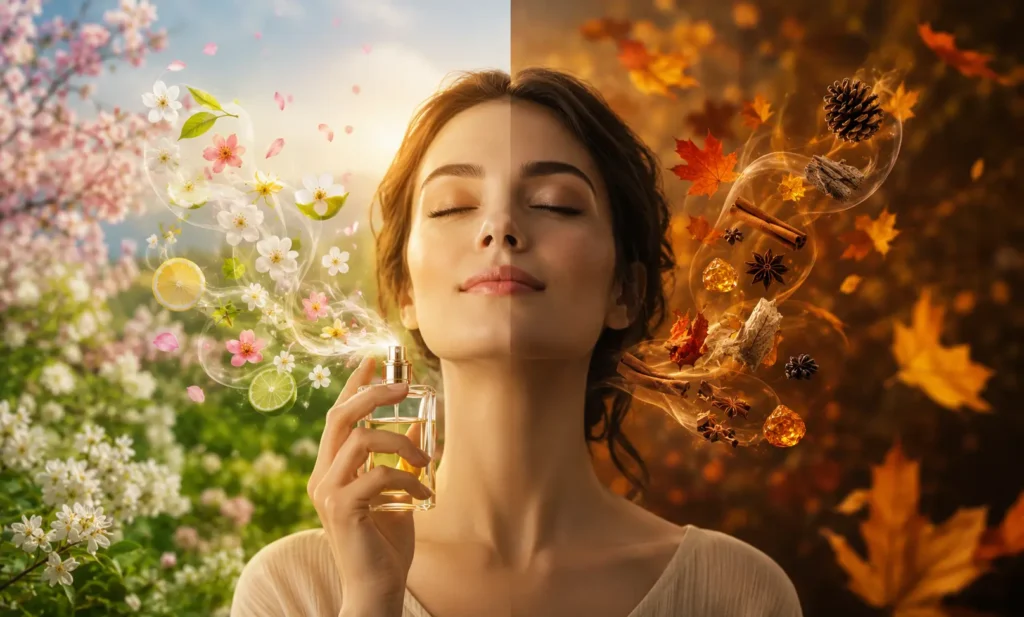
Seasonal fragrance preferences are heavily influenced by psychology.
Humans naturally connect smells with experiences.
Spring scents often trigger associations such as:
- Renewal
- Optimism
- Freedom
- Outdoor activity
- Social gatherings
Fall scents often trigger associations such as:
- Comfort
- Security
- Relaxation
- Reflection
- Home environments
This emotional contrast explains why many people instinctively switch fragrances even before temperatures change significantly.
The phenomenon is closely related to ideas explored in The Psychology of Spring Fragrances: Why Fresh Scents Feel Different, where freshness is linked to energy, optimism, and anticipation.
Why Spring Scents Often Feel More Energetic
Fresh notes stimulate perception differently.
Citrus and green accords often create a sensation of brightness.
The brain tends to interpret these smells as active and uplifting.
Fall fragrances create the opposite effect.
Warm woods and amber notes often feel calming, comforting, and reassuring.
Neither approach is better.
They simply serve different emotional purposes.
🇺🇸 Consumer Behavior and Seasonal Buying Patterns
American fragrance buying behavior follows predictable seasonal patterns.
During spring:
✔️ Fresh fragrances gain popularity
✔️ Citrus fragrances see increased interest
✔️ Floral launches receive more attention
✔️ Discovery and sampling activity increases
Many consumers view spring as a reset period.
People become more willing to try new scents after winter.
This trend aligns naturally with the broader themes discussed in Spring Perfumes Explained: Notes, Vibes, and When to Wear Them, where spring is often described as the season of fragrance exploration and renewal.
Why Fall Often Creates Different Shopping Habits
During fall, consumers frequently seek:
- Cozy scents
- Comfort fragrances
- Vanilla-heavy compositions
- Warm woody perfumes
- Holiday-season purchases
Gift-buying activity also increases as the year approaches major holiday periods.
Many fragrance brands strategically launch richer fragrances during late summer and early fall because consumer demand gradually shifts toward warmth and depth.
Spring vs Fall vs Winter
Many people confuse fall fragrances with winter fragrances.
They overlap but are not identical.
Spring fragrances focus on freshness.
Fall fragrances focus on warmth.
Winter fragrances focus on intensity.
Heavy ambers, dark woods, smoky accords, and powerful sweet fragrances often reach their peak during winter.
For a deeper understanding of how spring contrasts with colder seasons, see Spring vs Winter Perfumes: Why They Feel So Different.
Which Season Offers More Fragrance Variety?
Both seasons offer tremendous diversity.
Spring excels at:
- Fresh scents
- Citrus fragrances
- Florals
- Green compositions
Fall excels at:
- Woods
- Amber fragrances
- Spices
- Gourmands
Rather than choosing one season over the other, most fragrance enthusiasts enjoy both because they satisfy different moods throughout the year.
The best fragrance wardrobe often includes options for both seasons, allowing wearers to match the emotional atmosphere around them.
Final Thoughts
Spring and fall fragrances may exist between the same temperature extremes, but they tell completely different scent stories.
Spring fragrances celebrate freshness, growth, brightness, and optimism through citrus, floral, and green notes.
Fall fragrances embrace warmth, comfort, depth, and reflection through woods, spices, amber, and earthy accords.
Understanding these seasonal differences helps explain why a fragrance that feels perfect in April may not feel right in October—even when the weather looks nearly identical.
The best fragrance is often the one that matches not just the temperature, but the emotional atmosphere of the season.
Frequently Asked Questions
Is spring or fall better for wearing perfume?
Neither season is objectively better. Spring is ideal for fresh, citrus, floral, and green fragrances, while fall is better suited for warm, woody, spicy, and amber-based scents. The best choice depends on the weather, your personal preferences, and the mood you want to create.
Can I wear spring fragrances during fall?
Yes. Many light spring fragrances can still work well during early fall, especially on warmer days. However, as temperatures drop, some people prefer richer fragrances that feel warmer and more comforting.
Why do citrus fragrances feel more like spring?
Citrus notes are often associated with freshness, sunlight, energy, and cleanliness. These characteristics naturally match the themes of spring, which is why citrus fragrances become especially popular during the season.
What notes are most common in fall fragrances?
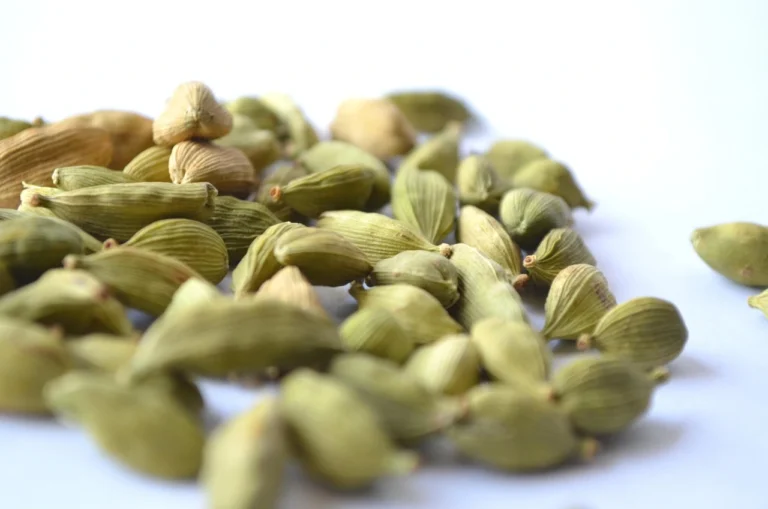
Fall fragrances often feature notes such as amber, sandalwood, cedarwood, patchouli, cinnamon, nutmeg, vanilla, tobacco, and other warm or earthy materials that create a cozy feeling.
Do perfumes last longer in fall than in spring?
In many cases, yes. Cooler temperatures can slow down fragrance evaporation, allowing certain perfumes—especially richer compositions—to last longer and develop more gradually on the skin.
Why do people switch fragrances between spring and fall?
People often associate specific scents with seasonal experiences and emotions. Spring fragrances evoke freshness, growth, and optimism, while fall fragrances create feelings of warmth, comfort, and relaxation.
Are floral fragrances only for spring?
No. While floral notes are strongly associated with spring, many floral fragrances are designed for fall as well. The difference usually lies in the supporting notes. Spring florals are often paired with citrus and green notes, while fall florals may be combined with woods, amber, spices, or vanilla.
What is the biggest difference between spring and fall fragrances?
The biggest difference is the overall mood they create. Spring fragrances focus on freshness, brightness, and energy, while fall fragrances emphasize warmth, depth, comfort, and richness.
Should beginners own both spring and fall fragrances?
Yes. Having at least one fragrance for spring and one for fall allows you to match changing weather conditions and seasonal moods more effectively. Even a small fragrance collection becomes more versatile when it includes scents designed for different seasons.
Do Americans buy more fragrances in spring or fall?
Both seasons are important for fragrance sales. Spring often brings increased interest in fresh releases and fragrance discovery, while fall benefits from holiday shopping, gift purchases, and demand for warmer seasonal scents.
❓ Interactive Question
When the seasons start changing, do you naturally reach for fresh citrus and floral fragrances, or do you prefer warm woody and spicy scents as soon as fall arrives? Share your favorite seasonal style in the comments below.
Discover more from Perfume Cultures
Subscribe to get the latest posts sent to your email.



One Comment