Why Designer Perfumes Smell Similar (And Why That’s Intentional)
Walk into any department store and test several designer fragrances in a row—you’ll quickly notice a pattern. Different brands, different bottles, different marketing… yet something feels familiar.
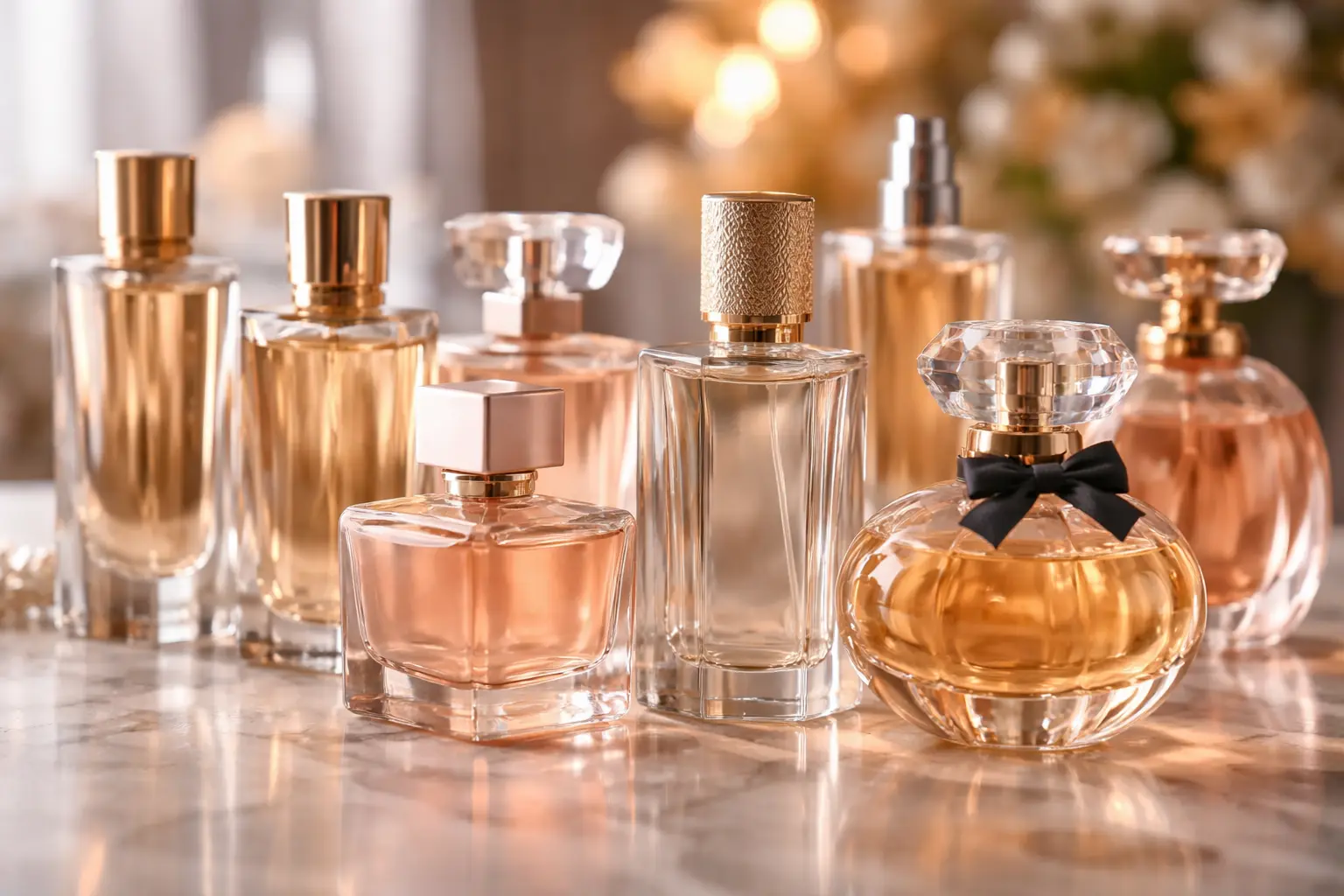
This isn’t a coincidence. It’s the result of deliberate design choices shaped by chemistry, psychology, and market strategy. Designer perfumes often smell similar because they are engineered to succeed with the widest possible audience.
🧪 The Science Behind Repetition in Perfume Design
At the molecular level, many designer fragrances rely on a core set of proven aroma chemicals. These ingredients are:
- Stable
- Cost-effective at scale
- Widely appealing
Common molecules like Ambroxan, Iso E Super, and clean musks appear across countless fragrances. They create:
- A fresh, diffusive scent profile
- A clean, skin-like finish
- A universally pleasant experience
This repetition is not a lack of creativity—it’s a calculated use of ingredients that consistently perform well.
To understand how these molecules interact with your sense of smell, it helps to explore How Perfume Works: The Science Behind Fragrance, Molecules, and Human Smell.
🎯 Designer Perfumes Are Built for Mass Appeal
Designer brands operate with a clear objective:
Create fragrances that as many people as possible will like instantly.
This leads to predictable but effective design patterns:
- Bright citrus openings
- Soft floral or aromatic hearts
- Clean woody or musky drydowns
These structures are familiar because they work. They are easy to wear, socially acceptable, and rarely offensive.
This approach explains why many designer perfumes converge toward similar scent profiles. A deeper look at this strategy can be found in How Perfume Brands Design Scents to Please Everyone.
🛡️ The “Safe Zone” Strategy
Launching a new fragrance is expensive and risky. To minimize failure, brands stay within a “safe olfactory zone”—a set of scent profiles that have already proven successful.
These typically include:
- Fresh and citrusy notes
- Clean musks
- Subtle sweetness
- Smooth woody bases
By staying within this zone, brands ensure:
- Higher acceptance rates
- Lower chances of rejection
- Better commercial performance
This is why many fragrances feel interchangeable—they are designed within the same controlled boundaries.
You can explore this idea further in Are “Mass Appealing” Perfumes Engineered to Be Safe?.
🌊 Smoothness Over Complexity
Another defining trait of designer perfumes is their emphasis on smoothness.
They are intentionally crafted to:
- Blend seamlessly from top to base
- Avoid sharp or challenging contrasts
- Feel soft, balanced, and easy to wear
Highly complex or experimental scents can be exciting, but they also risk being polarizing. Designer fragrances avoid that risk by prioritizing comfort and consistency.
This explains why many of them feel polished but predictable. For a deeper understanding of this sensory experience, see Why Some Perfumes Feel Smooth While Others Feel Harsh.
🧠 Your Brain Prefers Familiar Scents
Human perception plays a major role in why similar perfumes succeed.
Your brain is naturally wired to:
- Recognize patterns quickly
- Prefer familiar sensory input
- Associate known smells with safety and comfort
When you smell a designer fragrance, it often contains elements your brain has encountered before—whether from other perfumes, personal care products, or everyday environments.
This creates an instant sense of recognition and likability, even if you can’t clearly describe the scent.
This psychological effect is explored in Why You Like Scents You Can’t Describe.
🧩 Why Similarity Is Actually a Strategic Advantage
From a business perspective, similarity is not a weakness—it’s an advantage.
Familiar scent profiles:
- Reduce decision fatigue for consumers
- Increase the likelihood of blind purchases
- Appeal across different cultures and age groups
- Perform better in retail environments
In short, predictability improves conversion.
⚖️ Designer vs Niche Perfumes
| Aspect | Designer Perfumes | Niche Perfumes |
|---|---|---|
| Design Goal | Broad appeal | Artistic expression |
| Risk Level | Low | High |
| Scent Similarity | High | Low |
| Complexity | Moderate | High |
| Mass Acceptance | Very high | Variable |
❓ Frequently Asked Questions (FAQ)
Do all designer perfumes smell the same?
Not exactly, but many share similar structures and ingredients, which creates a sense of familiarity across different fragrances.
Why do brands reuse the same scent profiles?
Because they are proven to work. Familiar scent structures are more likely to be accepted by a wide audience and generate consistent sales.
Does similarity mean designer perfumes are low quality?
No. Designer perfumes are carefully engineered for balance, wearability, and mass appeal. However, they may be less experimental than niche fragrances.
Why do I like a perfume even if it reminds me of others?
Because your brain responds positively to familiarity. Recognizable scent patterns create comfort and instant emotional acceptance.
🧭 Final Thought
Designer perfumes don’t smell similar by accident—they are engineered to succeed.
By combining proven ingredients, safe scent structures, and psychological familiarity, brands create fragrances that feel instantly appealing to millions of people.
But here’s something worth thinking about:
Do you prefer fragrances that feel familiar and easy—or ones that challenge your senses and stand out?
Discover more from Perfume Cultures
Subscribe to get the latest posts sent to your email.