The Ultimate Guide to Layering Fragrances Like a Pro
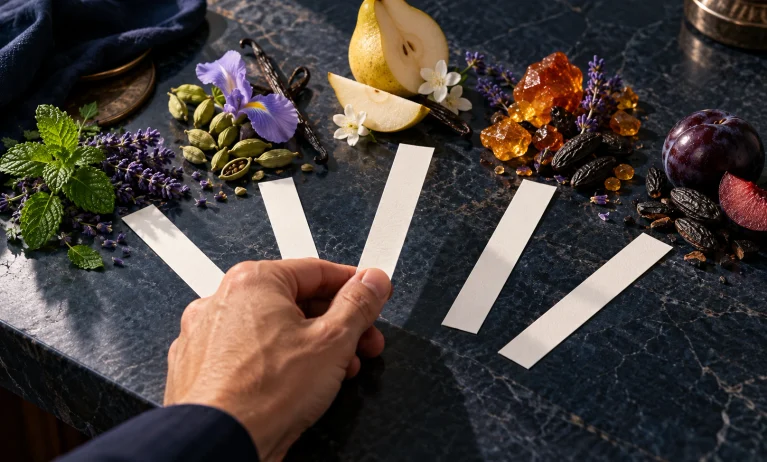
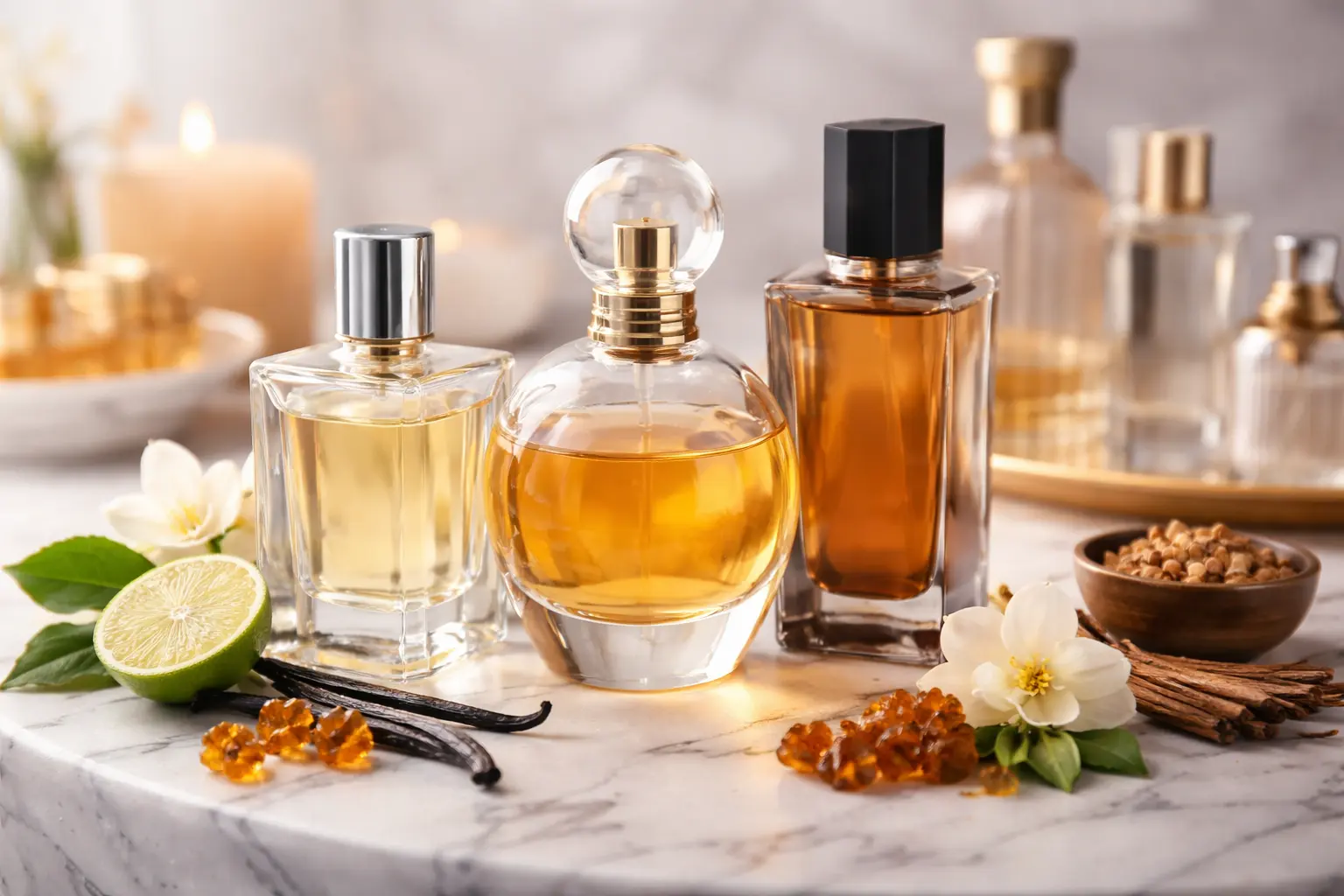
Layering fragrances is no longer a niche technique reserved for perfumers—it has become a powerful way to create a scent that is completely your own. When done correctly, layering can enhance longevity, refine projection, and transform even simple fragrances into something more complex and memorable.
However, most people approach layering randomly—and that’s exactly why it often fails.
This guide will walk you through the science, techniques, and strategies behind fragrance layering so you can do it like a professional.
🧪 Understanding the Science Behind Layering
Before combining fragrances, it’s essential to understand how scents are structured.
Perfumes are built in layers:
- Top notes (initial impression)
- Middle notes (heart)
- Base notes (long-lasting foundation)
This is where knowledge from How Perfume Works: The Science Behind Fragrance, Molecules, and Human Smell becomes crucial. Fragrance molecules evaporate at different rates, meaning that when you layer two scents, you are blending two evolving scent timelines.
👉 The result is dynamic—it changes over time.
Pro Insight:
Always evaluate a layering combination after 20–30 minutes, not just immediately after application.
🎯 Why Layering Works (And When It Fails)
Layering works because it allows you to:
- Create a personalized scent identity
- Enhance weak performance
- Add depth to linear fragrances
It fails when:
- Notes clash (e.g., sharp citrus with dense oud without balance)
- Too many accords compete
- Application order is ignored
🧴 The Right Way to Layer Fragrances
Layering is not just about what you wear—it’s about how you apply it.
Application technique plays a major role in the final result. For a deeper understanding, refer to How to Apply Perfume Properly: The Right Way to Make Your Fragrance Last All Day.
✔️ Core Layering Methods
1. Base + Accent Method
- Apply a strong, long-lasting fragrance first
- Add a lighter or contrasting scent on top
2. Pulse Point Separation
- Apply different fragrances on separate pulse points
- Example: neck (warm scent), wrists (fresh scent)
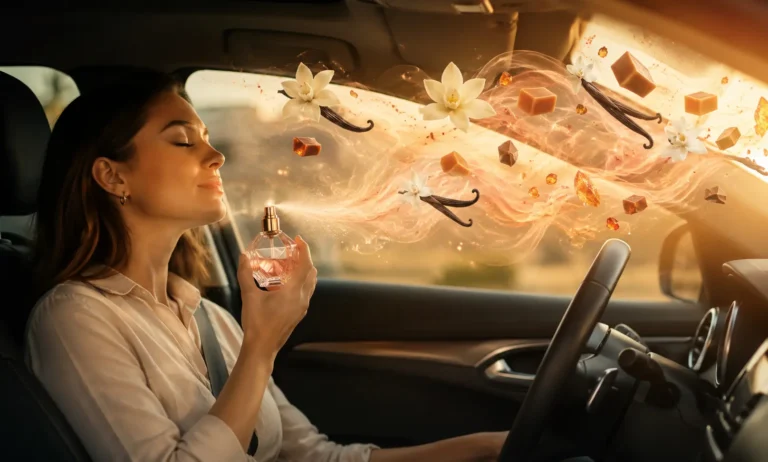
3. Mist Layering
- Spray one fragrance into the air
- Walk through it after applying another
👉 This creates a softer, more blended effect.
🌫️ How Layering Affects Projection (Sillage)

Layering significantly impacts how your fragrance projects and lingers in the air.
It can:
- Amplify projection
- Soften overly strong scents
- Create a smoother scent trail
To better understand this concept, revisit What Is Sillage in Perfume? The Invisible Trail Explained, which explains how scent travels beyond your skin.
Pro Tip:
- Heavy base + fresh top = balanced projection
- Heavy + heavy = overwhelming
🧬 Why Layering Smells Different on Everyone
You can replicate someone else’s exact layering combination and still get a completely different result.
Why?
Because your skin chemistry affects:
- Oil levels
- Body temperature
- Natural scent profile
This is explained in detail in Why Does Perfume Smell Different on Skin?.
👉 In layering, this effect becomes even more pronounced.
Key Takeaway:
Layering is highly personal—experimentation is essential.
🧩 Building Layering Combinations That Work
Instead of guessing, follow proven pairing strategies:
✔️ Safe Combinations
- Citrus + Woody
- Vanilla + Spicy
- Fresh + Musky
✔️ Advanced Combinations
- Gourmand + Smoky
- Floral + Leather
- Aquatic + Amber
👔 Build a Fragrance Wardrobe for Better Layering
Layering becomes easier when you have a structured collection instead of random fragrances.
That’s why building a scent collection—like in How to Build a Fragrance Wardrobe for Men—is essential.
A well-balanced wardrobe includes:
- Fresh daytime scents
- Deep evening fragrances
- Versatile base scents (musks, ambers, woods)
👉 These act as building blocks for successful layering.
⚠️ Common Layering Mistakes to Avoid
- ❌ Mixing too many fragrances at once
- ❌ Ignoring note compatibility
- ❌ Overapplying both scents in the same area
- ❌ Testing combinations too quickly
Rule:
Start with two fragrances only—master that before expanding.
🧠 Pro-Level Layering Strategy
Think like a perfumer:
- Choose a dominant scent (your base identity)
- Add a supporting scent (contrast or enhancement)
- Control intensity through application technique
- Observe how the scent evolves over time
👉 Layering is not just creative—it’s controlled experimentation.
❓ Frequently Asked Questions (FAQ)
Can you layer any two fragrances together?
Not always. Some combinations clash. Start with compatible scent families like citrus + woody or vanilla + spice.
How many fragrances should you layer at once?
Two is ideal. More than that increases the risk of imbalance and confusion.
Does the order of application matter?
Yes. The first fragrance forms the base, while the second shapes the final impression.
Can layering improve fragrance longevity?
In many cases, yes—especially when using a strong base note fragrance like amber or vanilla.
Why does layering smell different on different people?
Because of skin chemistry differences such as oil levels, temperature, and natural scent.
✨ Final Thought
Layering isn’t about wearing more fragrances—it’s about wearing them smarter.
So here’s a question for you:
Have you ever created a layering combination that smelled better than either fragrance alone—or did it completely fail?
Discover more from Perfume Cultures
Subscribe to get the latest posts sent to your email.