
How to Spot Fake Perfume: 7 Easy Ways to Protect Yourself
Perfume is more than just a scent — it’s a personal signature. Whether you’re drawn to the warm depth of Tom Ford Oud Wood, the clean freshness of Dior Sauvage, or the floral sophistication of Chanel No. 5, authentic fragrances have a power that fake ones simply can’t replicate. Unfortunately, counterfeit perfumes are everywhere — from shady online sellers to even seemingly trustworthy marketplaces.
If you’ve ever opened a new bottle and thought, “This doesn’t smell right,” you’re not alone. Fake perfumes are cleverly packaged, but there are always signs that give them away. Here are seven easy ways to spot fake perfume and protect yourself from wasting money — or worse, risking your skin’s health.
1. Check the Packaging Carefully:
The packaging is your first line of defense. Authentic perfume brands invest heavily in design and materials, while counterfeit products often cut corners.
- Examine the wrapping: Genuine perfumes come sealed in high-quality cellophane that fits tightly and smoothly around the box. If it’s loose, wrinkled, or uneven, that’s a warning sign.
- Look for spelling errors: Counterfeiters often make small but telling mistakes — “Channel” instead of “Chanel” or “Dior Souvage” instead of “Sauvage.”
- Inspect the box material: Real perfume boxes are made from sturdy, high-grade cardboard with clean edges and perfect symmetry. Fake ones may look flimsy or off-color.
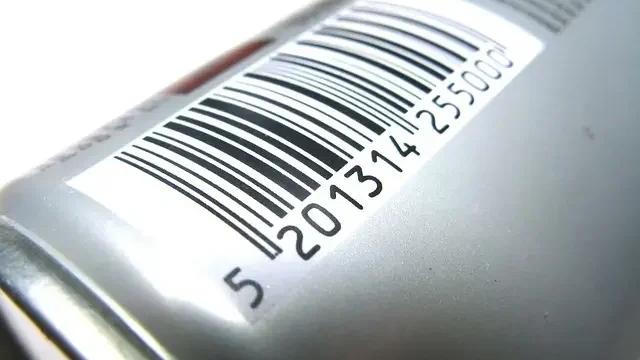
👉 Pro tip: Search for the barcode — it should be clear, aligned, and printed directly on the box (not a sticker).
2. Inspect the Bottle Design and Details:
Luxury perfume brands take pride in their bottle craftsmanship. Everything from the glass quality to the logo placement is precisely engineered.
Here’s what to look for:
- Weight and feel: Genuine perfume bottles usually feel heavier and sturdier, while fake ones can be lightweight or uneven.
- Logo and engravings: Authentic bottles have crisp, centered engravings or printed logos. Counterfeits might have faded, off-center, or slightly different fonts.
- Cap and sprayer: The cap should fit snugly and click firmly into place. A wobbly or loose cap is a red flag.
Many buyers notice that fake perfume bottles leak easily or that the atomizer sprays unevenly. A real fragrance atomizer releases a fine, even mist.
3. Compare the Serial Number:
Every legitimate perfume has a batch code or serial number, which helps verify its authenticity and production date.
- The serial number should appear on both the box and the bottle, and they must match exactly.
- Fake perfumes sometimes use random numbers, or the code might appear only on the box but not the bottle.
You can verify the batch code on websites like CheckFresh.com, which tells you the production date of many perfume brands. If the code doesn’t match or the site can’t recognize it, that’s a major red flag.
4. Evaluate the Scent and Longevity:
This might sound obvious, but the fragrance itself is the ultimate test. Fake perfumes rarely capture the complexity or staying power of the original.
Here’s how to tell:
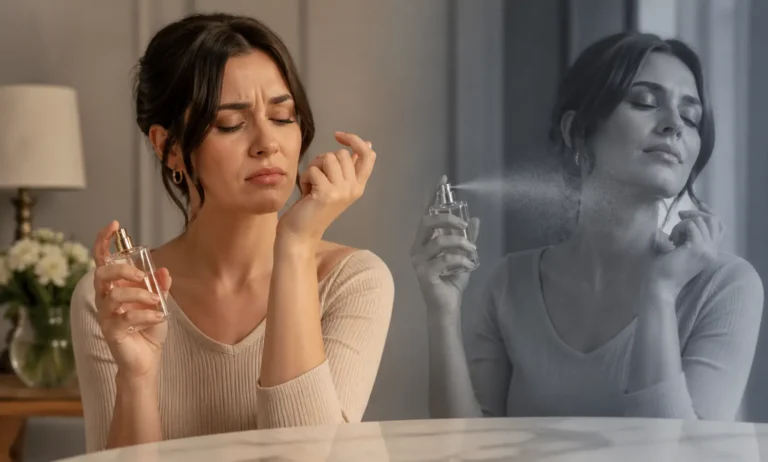
- Smell accuracy: Genuine perfumes develop in layers — top, middle, and base notes. A fake perfume might smell flat, overly alcoholic, or fade quickly after 15–30 minutes.
- Longevity: Real perfumes usually last at least 4–6 hours (for Eau de Parfum) or longer. Counterfeits fade fast, leaving only a faint chemical scent.
- Reaction on skin: Authentic perfumes are dermatologically tested. Fakes can contain harsh synthetic chemicals that irritate your skin or cause rashes.
👉 If the scent disappears quickly or smells cheap and synthetic, trust your nose — it’s probably fake.
5. Pay Attention to the Price:
If the deal seems too good to be true — it probably is. Counterfeit perfumes are often sold at suspiciously low prices to lure buyers.
- A $200 bottle of Creed Aventus selling for $49.99 online? 🚩 Huge red flag.
- Even discounted designer perfumes rarely go below 30–40% off the retail price, except during official brand sales.
When shopping online, stick to authorized retailers such as Sephora, Nordstrom, or FragranceNet. Avoid sketchy websites, social media ads, or unknown eBay sellers that promise “authentic” bottles for impossibly low prices.
6. Examine the Color and Consistency of the Liquid:
Perfume color can reveal a lot. Real perfumes are made with high-quality, stable ingredients, so their color is usually clear or softly tinted. Counterfeit ones often appear darker or oddly colored because they use low-grade dyes or impure alcohols.
Tips to spot differences:
- Color: If your usual perfume suddenly looks darker, yellower, or cloudy, it might be fake or expired.
- Consistency: Genuine perfumes have a smooth, uniform consistency. A fake one might feel oily, watery, or separate over time.
- Sediment: Authentic perfumes never have particles or sediment floating inside.
Light exposure can slightly change a real perfume’s shade over the years, but it should never look murky or uneven.
7. Always Buy from Trusted Sources:
This is the most important rule of all. Where you buy your perfume matters just as much as what you buy.
To protect yourself:
- Purchase from official brand stores or authorized online retailers.
- Avoid sellers who don’t provide receipts, offer cash-only deals, or refuse returns.
- Check reviews — if multiple buyers complain about fake products, steer clear.
Many fake perfumes are sold through third-party sellers on major platforms. Always check the “sold by” section before adding an item to your cart.
If you’re shopping on platforms like Amazon, look for the label “Ships from and sold by Amazon.com” rather than unknown third-party vendors.
Bonus Tip: Trust Your Instincts:
Even with all these tips, your intuition is one of the best tools you have. If something feels off — the box looks cheap, the seller is pushy, or the scent doesn’t last — don’t second-guess yourself. Authenticity should never be a gamble.
Remember, wearing perfume is about confidence and self-expression. Settling for a counterfeit product not only wastes money but also puts your skin and health at risk.
Why Fake Perfumes Are Dangerous:
Beyond poor quality, fake perfumes can be harmful. Laboratory tests have shown that many counterfeits contain:
- Toxic chemicals like methanol, formaldehyde, or even urine (yes, seriously).
- Unregulated alcohols that can cause headaches, nausea, or allergic reactions.
- Synthetic oils that irritate sensitive skin.
Because counterfeiters don’t follow safety standards, you’re essentially spraying unknown chemicals onto your skin and inhaling them. That’s why sticking to genuine fragrances isn’t just about luxury — it’s about safety.
Final Thoughts:
Spotting a fake perfume takes a bit of attention, but once you know what to look for, it becomes second nature. Always remember these seven key steps:
- Inspect the packaging.
- Check the bottle design.
- Match the serial number.
- Smell and test longevity.
- Evaluate the price.
- Look at color and consistency.
- Buy only from trusted sources.
Perfume is an intimate part of your identity — don’t let counterfeiters cheapen it. When you invest in an authentic fragrance, you’re not just buying a scent; you’re buying artistry, safety, and quality that lasts.
So next time you’re shopping for your signature scent, take a few extra minutes to spot the signs of fake perfume — your skin, wallet, and confidence will thank you.
Discover more from Perfume Cultures
Subscribe to get the latest posts sent to your email.


2 Comments