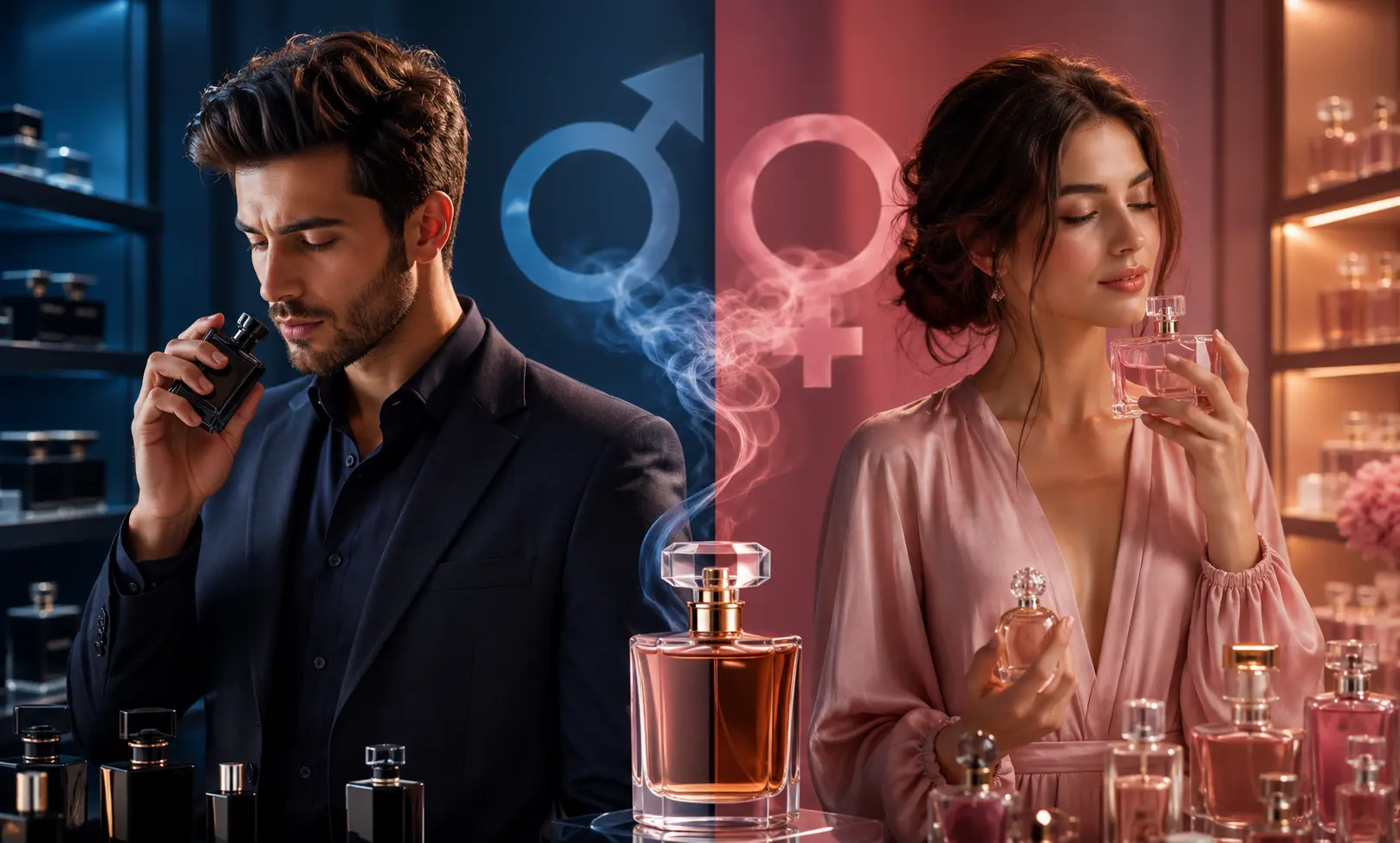
How Gender Influences Perfume Brand Loyalty
The Hidden Reason Some People Stay Loyal to One Perfume Brand for Years
Walk into any fragrance store and you’ll notice something interesting. Some customers head directly to the same brand every time. Others explore new releases, compare different houses, and rarely buy from the same brand twice.
At first glance, this might seem like a matter of personality. However, research in consumer psychology suggests that gender often plays a significant role in how people build loyalty toward perfume brands.
Some consumers develop deep emotional connections with fragrance houses and return repeatedly. Others enjoy variety, experimentation, and discovering something new. Understanding these patterns helps explain why certain brands attract highly loyal customers while others thrive on constant novelty.
In the fragrance world, loyalty isn’t just about liking a scent. It’s often connected to identity, trust, memories, lifestyle, and emotional experiences.
Does gender affect perfume brand loyalty?
Yes. Gender can influence perfume brand loyalty because men and women often approach fragrance purchasing differently. Men tend to show stronger loyalty to specific scents and brands, while women are generally more open to exploring new fragrances, collections, and fragrance houses.
What Is Perfume Brand Loyalty?
Brand loyalty refers to a consumer’s tendency to repeatedly purchase products from the same brand despite having many alternatives.
In fragrances, loyalty may involve:
- Rebuying the same perfume
- Trusting future releases from the same brand
- Preferring one fragrance house over competitors
- Recommending a favorite brand to others
- Feeling emotionally connected to a brand’s image
Perfume loyalty is particularly fascinating because fragrance is one of the most emotional product categories in the world.
Unlike electronics or household products, perfume becomes part of personal identity.
🧠 The Psychology Behind Fragrance Brand Loyalty
Consumers rarely remain loyal for purely rational reasons.
Instead, loyalty develops through several psychological mechanisms.
Familiarity Creates Comfort
Humans naturally trust what feels familiar.
When a fragrance delivers positive experiences repeatedly, consumers begin associating that brand with reliability and satisfaction.
Over time, the brand itself becomes a shortcut for confidence.
Identity Reinforcement
People often choose fragrance brands that reflect how they see themselves.
Luxury brands may represent sophistication.
Niche brands may signal individuality.
Designer brands may communicate modern style.
The stronger this identity connection becomes, the stronger loyalty tends to grow.
Reduced Decision Fatigue
Choosing a fragrance can be overwhelming.
Sticking with a trusted brand reduces uncertainty and simplifies purchasing decisions.
This effect is particularly powerful among consumers who prioritize convenience and consistency.
Why Men Often Show Stronger Brand Loyalty
Many studies in consumer behavior suggest that men often display stronger product loyalty across multiple categories, including fragrances.
Several factors contribute to this pattern.
Preference for Consistency
Many men seek a fragrance that becomes “their scent.”
Once they find something that works, they see little reason to change.
This helps explain why many men continue purchasing the same fragrance for years.
This behavior closely relates to the preference discussed in Do Men Prefer Signature Scents More Than Women?, where signature scent culture appears significantly more common among male fragrance users.
Functional Purchasing Mindset
Men frequently approach fragrance shopping with a practical goal:
- Smell good
- Receive compliments
- Feel confident
Once a product achieves those objectives, experimentation becomes less necessary.
Stronger Satisfaction Loops
When a fragrance consistently produces positive social feedback, loyalty becomes reinforced.
Compliments, confidence, and familiarity all strengthen repeat purchasing behavior.
❤️ Why Women’s Brand Loyalty Often Works Differently
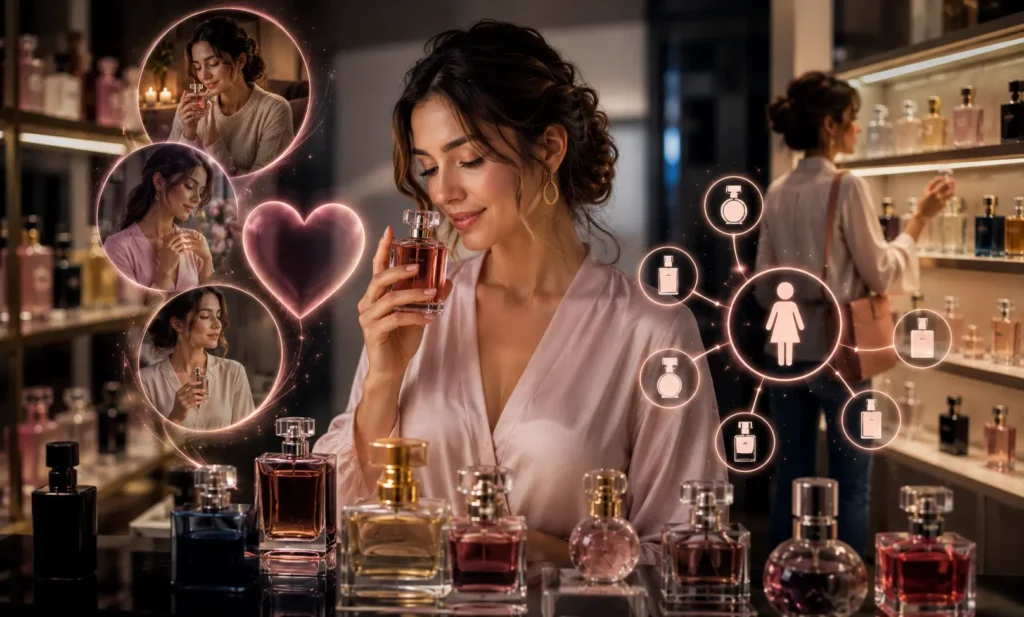
Women’s loyalty is rarely weaker.
It is often simply more complex.
Many female consumers maintain loyalty toward a brand while simultaneously enjoying exploration.
Loyalty to a Brand, Not Necessarily One Scent
A woman may own multiple fragrances from the same house.
Instead of repeatedly purchasing one perfume, she may continue exploring new launches from a trusted brand.
This creates a different form of loyalty.
Emotional Brand Relationships
Fragrance often carries strong emotional meaning.
Memories, moods, relationships, seasons, and life experiences become connected to scents.
This emotional dimension can create powerful brand attachment.
This pattern helps explain findings discussed in Why Women Buy Perfumes as Emotional Products, where fragrance frequently serves purposes beyond simple personal grooming.
Variety-Seeking Behavior
Many women enjoy matching fragrances to:
- Different moods
- Different seasons
- Different social occasions
- Different identities
As a result, brand loyalty may coexist with fragrance diversity.
Comparison Table: Male vs Female Perfume Brand Loyalty
| Factor | Men | Women |
|---|---|---|
| Loyalty to one scent | Higher | Lower |
| Loyalty to a fragrance house | Moderate | High |
| Interest in new releases | Moderate | High |
| Emotional connection | Moderate | Very High |
| Variety seeking | Lower | Higher |
| Brand switching frequency | Lower | Higher |
| Influence of reviews | Moderate | High |
| Signature scent culture | Strong | Moderate |
Why are women more likely to switch perfume brands?
Women often switch perfume brands more frequently because fragrance serves multiple emotional, social, and lifestyle roles. Many enjoy exploring new scents, seasonal collections, and different fragrance experiences rather than relying on a single signature perfume.
How Reviews Influence Loyalty Differently
The modern fragrance market has transformed dramatically.
Consumers now encounter thousands of reviews across YouTube, TikTok, Reddit, and fragrance communities.
However, men and women may use this information differently.
Women Often Build Trust Through Reviews
Many female consumers place greater value on collective experiences and community feedback when evaluating products.
Positive reviews can strengthen trust in a brand and increase future purchases.
This aligns with trends explored in Do Women Trust Fragrance Reviews More Than Men?
Men Often Trust Personal Experience More
Men frequently rely on direct experience.
If a fragrance performs well, that experience alone may be enough to generate long-term loyalty.
Reviews can influence discovery, but personal satisfaction often remains the strongest loyalty driver.
Discovery Habits Shape Loyalty Patterns
The way consumers discover fragrances directly affects loyalty behavior.
Consumers constantly exposed to new recommendations naturally encounter more opportunities to switch brands.
Discovery Encourages Experimentation
Modern discovery channels include:
- TikTok
- YouTube
- Fragrance influencers
- Online communities
- Retail sampling programs
Exposure to constant recommendations increases curiosity and reduces brand exclusivity.
This dynamic connects with insights from How Men and Women Discover New Perfumes Differently, where discovery pathways often differ substantially between genders.
The Paradox of Choice
The more fragrances consumers discover, the harder long-term loyalty becomes.
An endless stream of new options can weaken attachment to existing favorites.
Why Owning More Fragrances Often Reduces Brand Loyalty
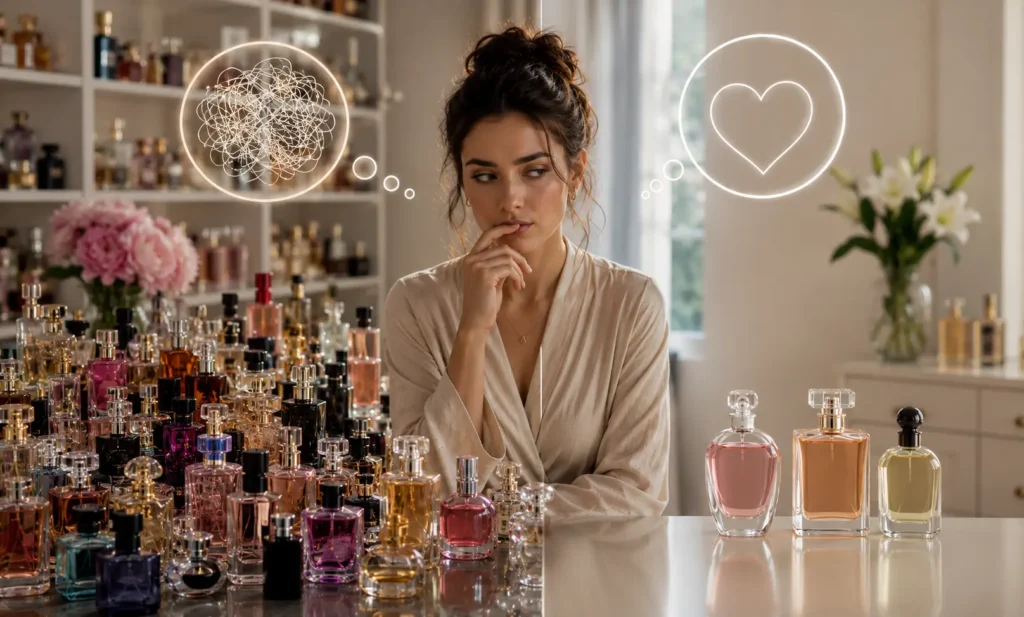
Collection size also influences loyalty.
Consumers with large collections typically divide their attention across multiple brands.
Many women own larger fragrance wardrobes than men, creating more opportunities for experimentation.
This trend closely relates to observations discussed in Why Women Own More Fragrances Than Men, where larger collections naturally encourage broader brand exposure.
A consumer with twenty fragrances will often behave differently from someone who owns only two.
Why Frequent Fragrance Rotation Changes Loyalty
Consumers who rotate fragrances frequently tend to develop loyalty differently.
Instead of remaining attached to a single scent, they become loyal to experiences.
For example:
- Summer fragrances
- Date-night fragrances
- Work fragrances
- Vacation fragrances
Each category may come from a different brand.
As fragrance rotation increases, loyalty shifts from individual products toward broader preferences and fragrance styles.
This pattern is consistent with trends examined in Why Women Change Perfumes More Often Than Men.
📈 How Modern Fragrance Trends Are Changing Loyalty
The traditional concept of brand loyalty is evolving.
Several market shifts are accelerating this change.
Social Media Creates Constant Temptation
Consumers now discover new fragrances daily.
Brand exclusivity becomes harder to maintain.
Sampling Culture Reduces Commitment
Decants, discovery sets, and subscription services make experimentation easier than ever.
Younger Consumers Value Exploration
Many younger fragrance enthusiasts view discovery itself as part of the hobby.
For them, trying new brands can be just as rewarding as remaining loyal to old favorites.
Brand Communities Matter More
Modern loyalty increasingly revolves around communities rather than products alone.
Consumers often remain loyal because they identify with a brand’s culture, storytelling, and audience.
Conclusion
Gender influences perfume brand loyalty in fascinating ways.
Men often develop stronger loyalty toward individual fragrances and signature scents, driven by consistency, familiarity, and practicality.
Women frequently build loyalty through emotional connection, trust, and brand relationships while simultaneously embracing exploration and variety.
Neither approach is better.
They simply reflect different ways consumers use fragrance as part of their identity and daily lives.
As social media, fragrance communities, and discovery platforms continue to grow, brand loyalty is becoming less about purchasing the same bottle forever and more about maintaining trust in the brands that consistently deliver meaningful fragrance experiences.
Frequently Asked Questions
Are men more loyal to perfume brands than women?
Men are often more loyal to specific fragrances, while women may remain loyal to fragrance houses while still exploring multiple scents within those brands.
What creates perfume brand loyalty?
Positive experiences, emotional attachment, trust, identity reinforcement, and product satisfaction all contribute to fragrance brand loyalty.
Do reviews affect perfume loyalty?
Yes. Reviews can strengthen trust and encourage repeat purchases, particularly among consumers who rely heavily on community recommendations.
Why do some consumers switch fragrance brands frequently?
Curiosity, changing preferences, social influence, seasonal needs, and exposure to new fragrances often encourage brand switching.
Is brand loyalty becoming weaker today?
Traditional loyalty to a single fragrance may be declining, but loyalty toward trusted brands and fragrance communities remains strong.
What matters more to you when buying a fragrance: staying loyal to a favorite brand or exploring new perfumes from different brands? Share your experience in the comments below!
Discover more from Perfume Cultures
Subscribe to get the latest posts sent to your email.