
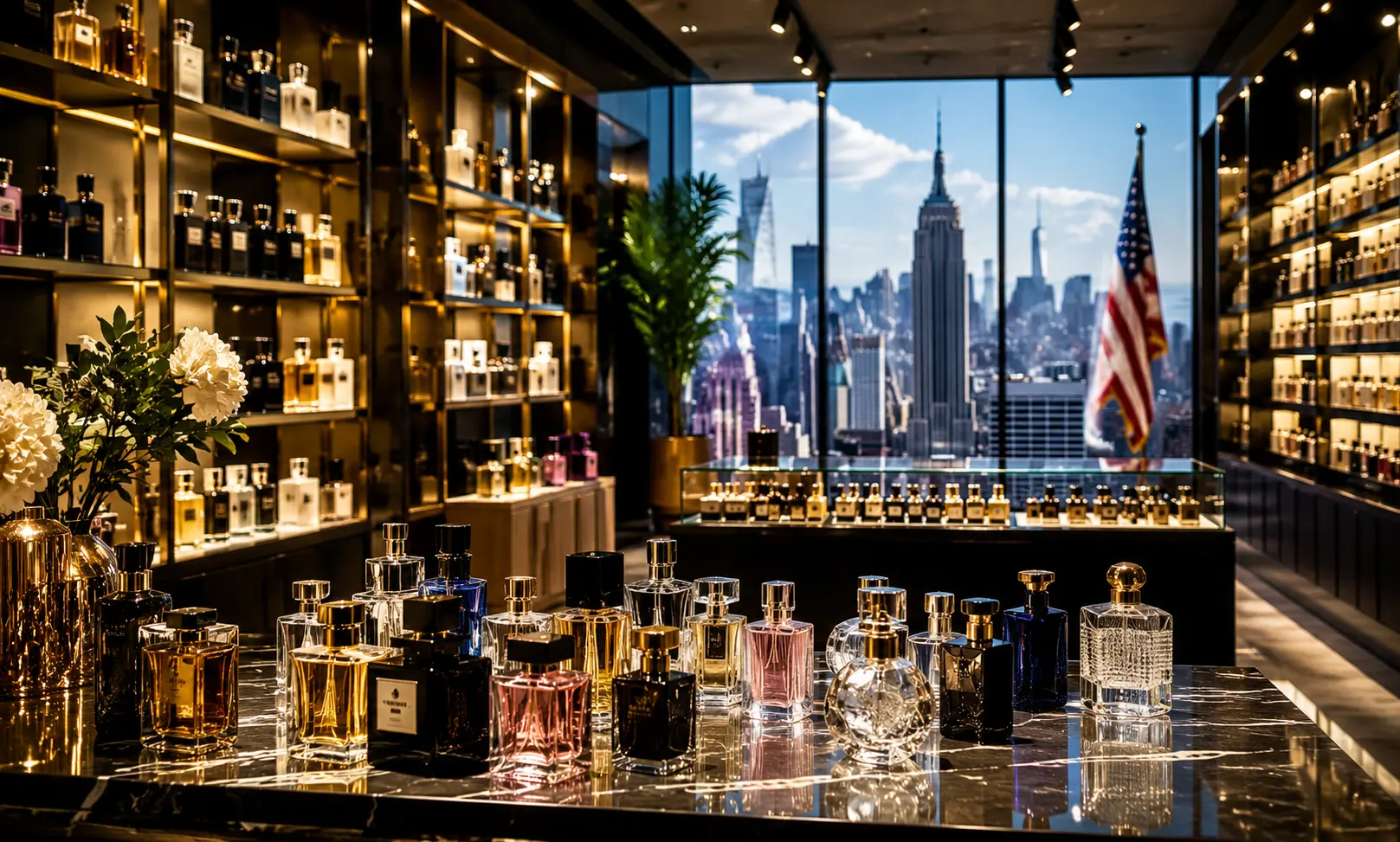
How to Start a Successful Perfume Store in the US
The Perfume Industry Changed — Most New Stores Still Don’t Understand Why
Opening a perfume store in America today is no longer just about filling shelves with luxury bottles and waiting for customers to walk in.
Modern American fragrance buyers behave completely differently than they did even five years ago.
Today’s customers want:
- emotional experiences,
- discovery,
- personalization,
- identity,
- cultural relevance,
- social-media-friendly shopping,
- and flexible price psychology.
Many perfume stores fail not because they sell bad fragrances…
but because they misunderstand modern perfume behavior.
In the US market, a successful fragrance store is no longer just a “shop.”
It is:
- part lifestyle brand,
- part emotional experience,
- part discovery platform,
- and part psychological environment.
And the stores that understand this are the ones growing fastest right now.
How do you start a successful perfume store in the US?
To start a successful perfume store in the US, you need:
- A clear target audience
- Strong store branding
- A fragrance discovery strategy
- A balanced pricing structure
- Modern scent marketing techniques
- A personalized customer experience
- Online and offline visibility
- Understanding of American fragrance trends and buying psychology
The most successful modern perfume stores focus more on customer experience and emotional branding than simply selling products.
🇺🇸 The American Perfume Customer Has Changed Completely
One of the biggest mistakes new store owners make is assuming all customers shop for fragrances the same way.
They don’t.
Modern US consumers are now heavily influenced by:
- TikTok fragrance trends,
- niche fragrance culture,
- discovery experiences,
- identity-based shopping,
- mood-based fragrance use,
- and affordability psychology.
This is why stores that only focus on “luxury presentation” often struggle.
Today’s customer may buy:
- a $300 niche fragrance,
- a $40 clone,
- and a travel spray subscription box…
all in the same month.
This modern behavior connects directly with the ideas discussed in:
- “How American Consumers Balance Luxury and Affordability in Perfume Buying”
- and “How Fragrance Subscription Boxes Are Changing Perfume Consumption In the US.”
Those behavioral shifts are reshaping how physical perfume stores must operate today.
🏪 Your Store Is Not Selling Perfume — It’s Selling Identity
Most successful fragrance stores in America understand one important psychological truth:
People buy perfumes to become a version of themselves.
That changes everything.
A successful store should feel emotionally immersive.
Instead of organizing products only by brand, modern stores increasingly organize experiences around:
- mood,
- personality,
- lifestyle,
- confidence,
- office wear,
- nightlife,
- minimalism,
- nostalgia,
- or cultural familiarity.
This is one reason scent marketing works so powerfully in fragrance retail environments.
The psychology behind this was explored deeply in:
“Why Scent Marketing Works On American Shoppers: The Science Behind It.”
📊 Comparison Table: Traditional Perfume Stores vs Modern Successful US Fragrance Stores
| Factor | Traditional Perfume Store | Modern Successful Perfume Store |
|---|---|---|
| Store Focus | Products | Experiences |
| Customer Journey | Transaction | Discovery |
| Product Display | Brand-based | Mood/lifestyle-based |
| Pricing Strategy | Luxury-only | Mixed affordability |
| Marketing | Discounts | Emotional branding |
| Customer Retention | Low | Community-driven |
| Shopping Behavior | One signature scent | Multiple fragrance rotation |
| Discovery Method | Salesperson recommendation | Sampling + social influence |
| Target Identity | Generic shoppers | Specific lifestyle groups |
🌎 Cultural Diversity Is Now a Massive Business Advantage
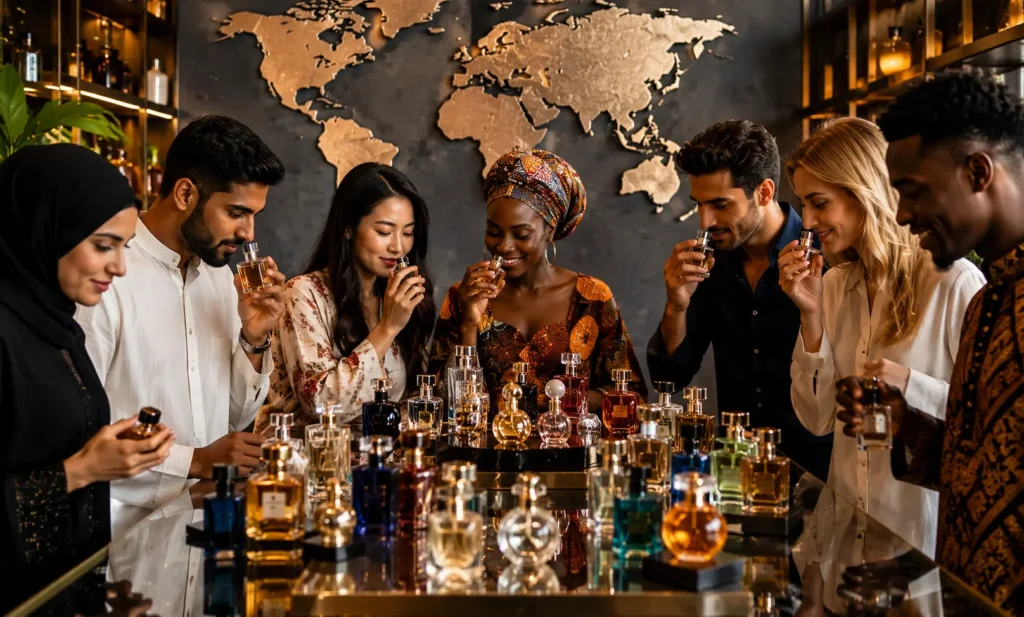
America’s fragrance market is becoming increasingly multicultural.
This creates enormous opportunities for new perfume stores.
Different cultural communities often prefer:
- different scent intensities,
- different ingredient profiles,
- different emotional associations,
- and different shopping behaviors.
Stores that understand these differences gain a huge advantage.
For example:
- some customers prefer clean musks,
- others prefer powerful oud fragrances,
- others prefer sweet gourmand styles,
- while younger consumers may constantly switch between all of them.
This modern diversity trend connects naturally with:
“Exploring the Influence of Ethnic Diversity on Perfume Choices in the US.”
A smart perfume store should never feel culturally narrow.
What makes a perfume store successful today?
A successful modern perfume store combines:
- emotional branding,
- fragrance discovery experiences,
- flexible pricing,
- social-media relevance,
- personalized customer interaction,
- and strong understanding of modern consumer psychology.
Customers no longer want only products — they want experiences, identity, and continuous discovery.
🧴 Younger Americans No Longer Want Just One Signature Scent
This trend is changing the entire business model of fragrance retail.
For decades, perfume stores focused heavily on helping customers choose:
“their one signature fragrance.”
But younger American buyers now prefer:
- fragrance wardrobes,
- seasonal scents,
- mood-based scents,
- occasion-based scents,
- and experimentation.
This behavior creates huge opportunities for stores that:
- encourage sampling,
- rotate displays,
- create discovery kits,
- or personalize recommendations.
This connects directly with:
“Why Younger Americans No Longer Want A Signature Scent.”
The modern customer wants exploration — not permanence.
📈 Practical Steps to Launch a Perfume Store Successfully
✔️ 1. Define Your Target Audience First
Before choosing products, define:
- age group,
- income level,
- fragrance taste,
- shopping behavior,
- and lifestyle identity.
A store targeting:
- Gen Z discovery shoppers
will look completely different from: - luxury niche collectors.
✔️ 2. Build a Strong Brand Personality
Your store needs:
- a recognizable aesthetic,
- emotional tone,
- visual identity,
- and sensory atmosphere.
Customers should immediately understand:
“What kind of fragrance world this store represents.”
✔️ 3. Offer Discovery Instead of Just Inventory
Modern customers love:
- sample programs,
- mini bottles,
- discovery sets,
- rotating fragrance bars,
- and interactive testing experiences.
This is one reason subscription-box culture became so influential in modern fragrance behavior.
✔️ 4. Balance Luxury and Affordability
Many successful US stores now combine:
- premium niche fragrances,
- affordable alternatives,
- travel sprays,
- and mid-range designer scents.
This mixed pricing model attracts broader customer psychology.
✔️ 5. Use Social Media as Discovery Fuel
TikTok, Instagram, and YouTube Shorts heavily influence fragrance shopping today.
Stores that create:
- scent storytelling,
- aesthetic videos,
- “fragrance mood” content,
- and discovery experiences
often grow much faster online.
🏪 Why Many New Perfume Stores Fail
Most failures happen because stores:
- copy old luxury retail models,
- ignore changing consumer psychology,
- lack identity,
- or fail to create emotional experiences.
The modern fragrance business is becoming experience-driven rather than inventory-driven.
This is also why new perfume brands themselves increasingly rely on emotional positioning and storytelling — an idea strongly connected with:
“How New Perfume Brands Can Succeed in a Competitive Market.”
If you want to understand the deeper psychology behind why modern Americans buy fragrances differently today, you should also explore:
- Why Scent Marketing Works On American Shoppers: The Science Behind It
- How American Consumers Balance Luxury and Affordability in Perfume Buying
- Why Younger Americans No Longer Want A Signature Scent
Together, these articles explain the emotional and behavioral shifts transforming the entire US fragrance market.
❓FAQ
Is opening a perfume store still profitable in the US?
Yes — especially stores that focus on discovery experiences, emotional branding, niche positioning, and modern fragrance behavior rather than traditional retail models alone.
Do perfume stores need luxury products only?
No. Many successful stores now combine luxury, affordable, niche, and travel-size fragrances because modern consumers mix price categories frequently.
Why is customer experience so important in fragrance retail?
Perfume buying is highly emotional and sensory. Customers remember how a store feels just as much as the products themselves.
Are younger customers important for fragrance businesses?
Absolutely. Younger consumers are driving many modern fragrance trends including layering, fragrance wardrobes, discovery culture, and social-media-driven shopping.
🧠 Final Thought
The most successful perfume stores in modern America are no longer simply “places that sell fragrances.”
They are:
- identity spaces,
- emotional environments,
- discovery platforms,
- and lifestyle experiences.
The future of fragrance retail belongs to stores that understand human psychology as much as they understand perfume itself.
💬 Interactive Question
If you opened your own perfume store in the US, would you focus more on:
- luxury niche fragrances,
- affordable everyday scents,
- or modern discovery experiences and sampling culture?
Discover more from Perfume Cultures
Subscribe to get the latest posts sent to your email.


One Comment