Why Fragrance Layering Became Popular In the US
A few years ago, many Americans searched for a “signature scent” — one fragrance that defined their personality everywhere they went.
Today, that mindset is fading fast.
Modern American fragrance culture is becoming more experimental, emotional, and personalized. Instead of wearing one scent every day, younger consumers now mix multiple fragrances together to create something unique, temporary, and deeply personal.
This shift is one of the biggest reasons why fragrance layering exploded in popularity across the United States.
And interestingly… this trend is not only about smelling better.
It reflects deeper changes in American identity, social media behavior, personalization culture, subscription-box discovery habits, and even how modern consumers emotionally connect with scents.
Why did fragrance layering become popular in the US?
Fragrance layering became popular in the US because younger consumers increasingly prefer personalization over having one signature scent. Social media, fragrance subscription boxes, cultural diversity, and modern identity trends encouraged Americans to experiment with combining scents to create unique and customizable fragrance experiences.
🇺🇸 The End of the “One Signature Scent” Era
One major reason layering became mainstream is that Americans no longer want to smell exactly the same every single day.
This connects directly with the growing behavioral shift discussed in:
Modern consumers — especially Gen Z and younger millennials — often see fragrance as part of their daily mood, aesthetic, outfit, social environment, or emotional identity.
Instead of asking:
“What scent represents me forever?”
Many Americans now ask:
“What scent fits today’s version of me?”
That psychological shift naturally opened the door to layering.
A woody fragrance might feel perfect for work…
while adding vanilla or musk creates a softer nighttime version.
Layering allows people to create temporary identities instead of permanent scent identities.
📦 Subscription Boxes Accidentally Trained Americans To Layer
Another huge factor came from modern fragrance discovery culture.
This strongly connects with:
Subscription services exposed Americans to dozens of small fragrance samples instead of one full bottle.
As consumers accumulated many mini fragrances, something interesting happened:
They started experimenting.
People began mixing:
- citrus + vanilla
- oud + musk
- fresh + sweet
- luxury + affordable fragrances
Without realizing it, subscription culture transformed fragrance from:
- a fixed purchase
into:
- a customizable scent toolkit.
This changed how Americans emotionally interact with perfume.
Instead of loyalty to one fragrance…
people became loyal to the experience of experimentation itself.
🌎 Cultural Diversity Also Changed Fragrance Habits in America
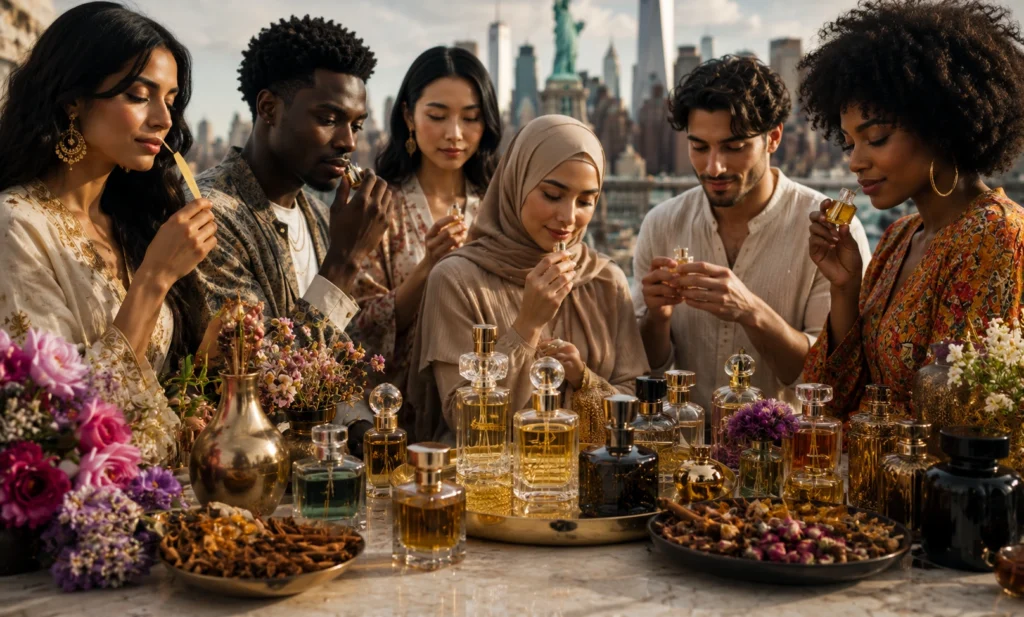
The United States is one of the most culturally mixed fragrance markets in the world.
This directly relates to:
Many layering traditions actually existed long before they became trendy in mainstream American culture.
For example:
- Middle Eastern fragrance culture has long embraced layering oud oils and musks.
- South Asian scent traditions often combine oils, incense, florals, and spices.
- French perfumery historically experimented with scent customization.
- Latin American fragrance habits sometimes combine body products with perfumes for richer scent trails.
As American fragrance culture became more globally connected through TikTok, YouTube, Sephora culture, and niche perfume communities, layering started feeling sophisticated rather than unusual.
Today, many American consumers view layering as:
- artistic
- luxurious
- culturally aware
- creative
rather than “incorrect.”
🧠 Why Layering Feels Psychologically Addictive
Layering activates something powerful in consumer psychology:
control.
Modern Americans increasingly value:
- customization
- individuality
- self-curation
- emotional expression
And layering gives consumers all four at once.
This psychologically overlaps with ideas explored in:
Brands understand that consumers become emotionally attached to products they help “create” themselves.
Even when two people use the same fragrances…
their layering combinations may feel unique.
That creates:
- stronger emotional ownership
- stronger memory attachment
- stronger sensory identity
In many ways, layering makes consumers feel like mini perfumers.
And emotionally, that feeling is extremely satisfying.
What fragrances do Americans usually layer together?
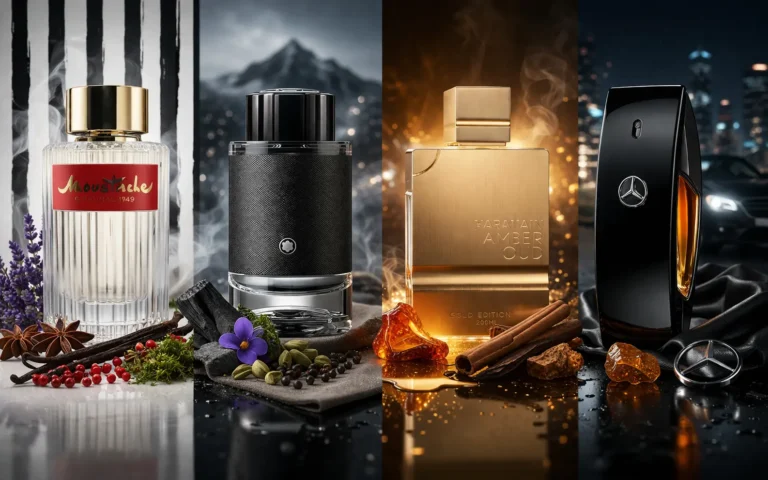
Americans commonly layer fresh fragrances with sweet, musky, woody, or vanilla scents. Popular combinations include citrus with amber, clean musk with florals, and luxury fragrances mixed with affordable perfumes to create personalized scent profiles.
💎 Layering Also Makes Luxury Feel More Accessible
Interestingly, layering changed how Americans perceive luxury fragrances.
This strongly connects with:
Many consumers now buy:
- one expensive fragrance
- and combine it with cheaper supporting scents.
For example:
- luxury amber fragrance + affordable vanilla mist
- niche oud perfume + budget musk oil
- expensive designer scent + inexpensive body spray
This creates a “custom luxury experience” without always paying luxury prices for every layer.
Psychologically, consumers still feel:
- premium
- unique
- elevated
while spending less overall.
That is one reason layering became especially popular during periods of economic pressure and rising perfume prices.
🕰️ Nostalgia Still Plays a Hidden Role
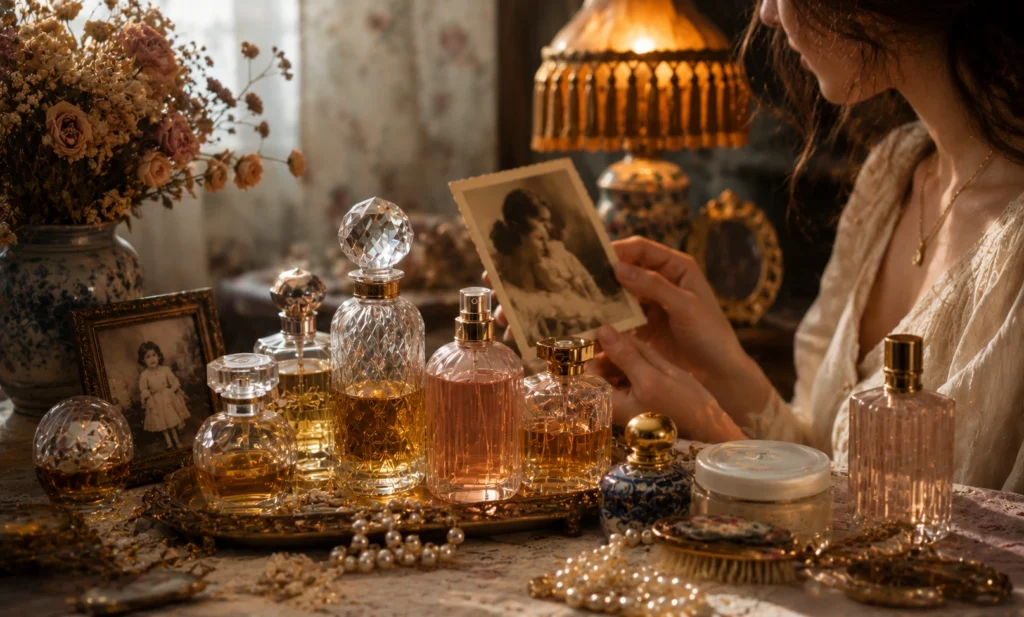
Even modern layering trends often contain nostalgic behavior.
This connects with:
Many Americans layer scents to recreate:
- childhood memories
- old lotions
- vintage perfumes
- family smells
- holiday environments
- mall scents from the 2000s
For example:
someone may combine:
- vanilla body mist
- coconut lotion
- soft musk perfume
because together they recreate emotional comfort from earlier life experiences.
So even though layering looks modern…
its emotional foundation is often nostalgic.
📊 Fragrance Layering vs Traditional Signature Scent Culture
| Factor | Traditional Signature Scent | Modern Fragrance Layering |
|---|---|---|
| Identity Style | Fixed identity | Flexible identity |
| Fragrance Use | One perfume | Multiple combinations |
| Emotional Goal | Recognition | Personal expression |
| Shopping Behavior | Bottle loyalty | Discovery & experimentation |
| Social Influence | Classic luxury culture | TikTok & online fragrance culture |
| Consumer Psychology | Stability | Creativity & customization |
| Popular With | Older generations | Younger Americans |
| Luxury Perception | Expensive bottle ownership | Personalized scent creation |
📱 TikTok and Social Media Accelerated Everything
Layering may have existed for decades…
But social media made it explode.
Platforms like TikTok transformed fragrance layering into:
- entertainment
- self-expression
- aesthetic identity
- social experimentation
Americans now constantly see:
- “layering combos”
- “compliment-getting mixes”
- “clean girl scent stacks”
- “date-night layering routines”
This created an entirely new fragrance behavior pattern where perfume became part of content culture itself.
Instead of simply wearing perfume…
people now talk about building scent combinations the same way they discuss outfits or skincare routines.
🧴 Why Layering Feels More “Human” Than One Perfect Perfume
Ironically, many consumers no longer believe one fragrance can fully represent their personality anymore.
Modern life feels too dynamic for that.
People behave differently:
- at work
- at home
- online
- socially
- romantically
- emotionally
Layering reflects that emotional complexity.
And that may be the deepest reason the trend became so powerful in America.
Consumers increasingly want fragrances that feel:
- adaptive
- emotional
- personal
- evolving
instead of fixed and permanent.
If you’re interested in how modern American fragrance psychology is evolving beyond traditional perfume habits, you may also enjoy reading:
- Why Younger Americans No Longer Want A Signature Scent
- How Fragrance Subscription Boxes Are Changing Perfume Consumption In the US
- Why Scent Marketing Works On American Shoppers: The Science Behind It
- The Role of Nostalgia in American Perfume Preferences
Together, these articles reveal how fragrance in America is becoming less about simple “smelling good” — and more about identity, emotion, personalization, and social behavior.
❓FAQ
Is fragrance layering only popular with younger Americans?
No, but younger consumers helped make it mainstream through social media and personalization culture. Older consumers also layer fragrances, especially through lotions, oils, and nostalgic scent combinations.
Does layering make perfumes last longer?
Sometimes. Layering complementary products like lotions, oils, and perfumes can improve longevity and create a richer scent profile.
Are luxury fragrances better for layering?
Not always. Many Americans intentionally combine luxury perfumes with affordable scents to create unique combinations while reducing overall cost.
Why do layered fragrances feel more personal?
Because consumers actively create the scent experience themselves. This increases emotional attachment and makes the fragrance feel more unique.
Is fragrance layering becoming a long-term trend in the US?
Very likely. The trend strongly aligns with modern American preferences for customization, identity expression, and experiential consumption.
🧠 Conclusion
Fragrance layering became popular in the US because modern consumers increasingly value personalization over permanence.
Americans no longer want fragrance to simply identify them.
They want it to evolve with them.
And through layering, consumers can create scents that feel:
- emotional
- cultural
- nostalgic
- luxurious
- experimental
- uniquely personal
all at the same time.
That combination makes fragrance layering much bigger than a simple perfume trend.
It reflects the psychology of modern American identity itself.
❓Interactive Question
Do you think fragrance layering feels more personal than having one signature scent — or do you still prefer a single fragrance that people recognize you by?
Discover more from Perfume Cultures
Subscribe to get the latest posts sent to your email.