
The Role of Nostalgia in American Perfume Preferences
🧠 Why Americans Keep Falling in Love With Familiar Smells
A fragrance is rarely just a smell in America.
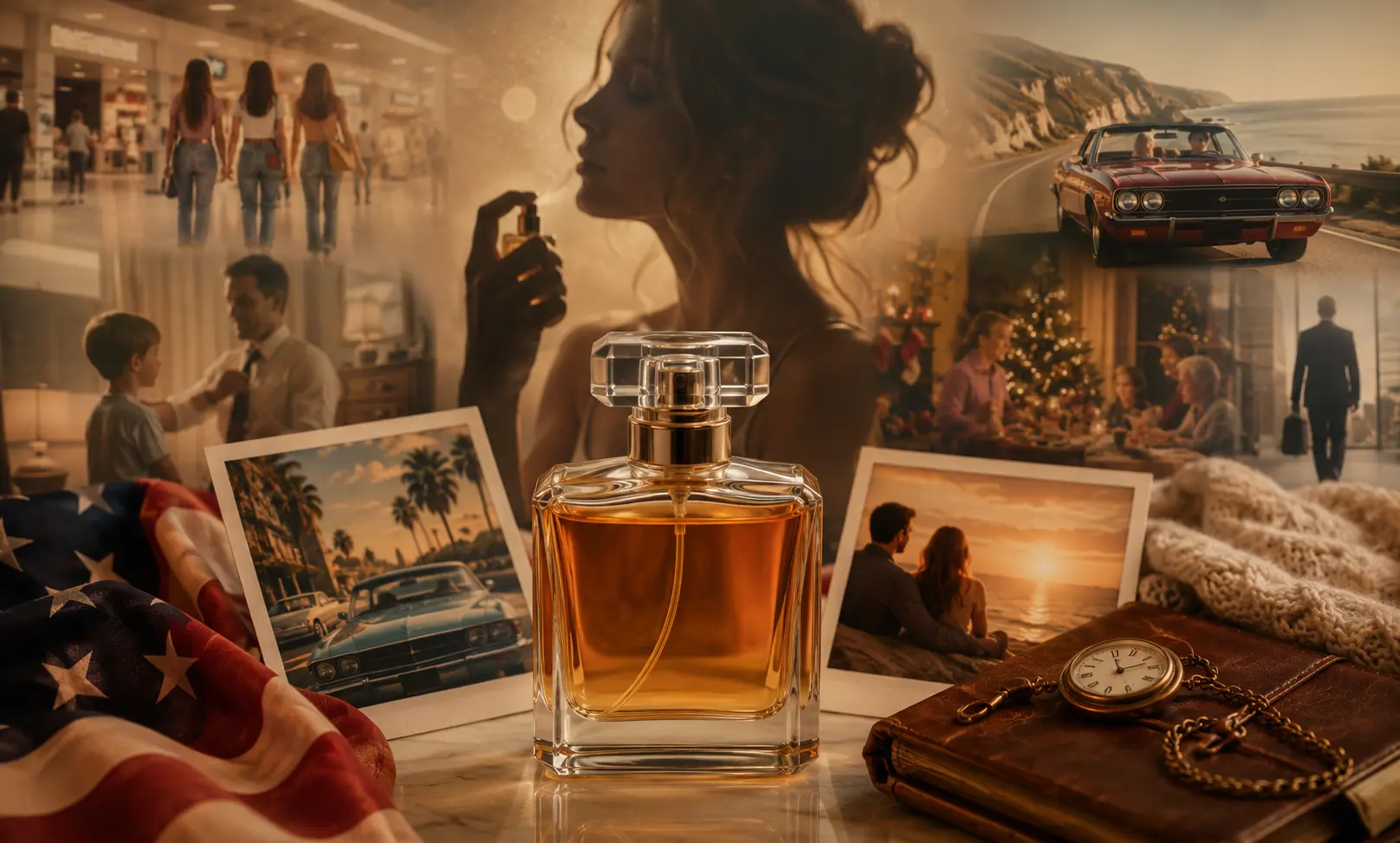
Sometimes it is a memory of a first date in high school. Sometimes it is the scent of a father’s aftershave before work. Sometimes it reminds people of malls in the early 2000s, road trips, summer vacations, or holidays at grandparents’ homes.
That emotional connection is one of the biggest reasons why Americans often buy fragrances emotionally rather than logically.
Even when consumers claim they want “something new,” many eventually return to scents that feel emotionally familiar. This is why nostalgia plays such a powerful role in modern fragrance buying behavior in the United States.
Interestingly, emotional comfort often matters more than pure performance. In fact, people who enjoy emotionally comforting scents are also more likely to appreciate fragrances discussed in Why Smooth Perfumes Usually Get Better Reactions Than Loud Ones, because softer scents often feel safer, warmer, and more emotionally approachable in social settings.
Why does nostalgia affect perfume preferences?
Nostalgia affects perfume preferences because smell is strongly connected to memory and emotion. Familiar fragrance notes can instantly remind people of specific life experiences, relationships, places, or time periods, making certain perfumes feel emotionally comforting and more attractive.
🇺🇸 Fragrance Memory Is Extremely Strong in American Culture
In the United States, fragrance culture is deeply connected to identity and lifestyle eras.
Different generations often associate certain scents with specific cultural moments:
| American Era | Common Fragrance Associations | Emotional Effect |
|---|---|---|
| 1980s | Strong masculine colognes, barbershop scents | Confidence & nostalgia |
| 1990s | Fresh aquatic fragrances | Clean youthfulness |
| Early 2000s | Sweet designer fragrances | Teen memories & dating culture |
| Modern Era | Smooth skin-like scents | Comfort & intimacy |
This emotional connection explains why many Americans continue repurchasing fragrances they wore years ago, even when newer perfumes technically perform better.
That emotional “return effect” also connects naturally with The True Cost of Fragrance: What Americans Really Spend on Perfume, because many consumers repeatedly spend money chasing emotional familiarity rather than purely seeking luxury or uniqueness.
✈️ Why Certain Smells Feel Emotionally “Safe”
Many nostalgic fragrances share similar characteristics:
- Smooth projection
- Soft sweetness
- Clean musks
- Creamy vanilla
- Familiar woods
- Light fresh accords
These scents rarely feel aggressive. Instead, they create emotional comfort.
This is one reason fragrances with balanced projection often perform socially better than loud fragrances. Scents that feel emotionally safe usually blend more naturally into daily American environments like offices, cafés, stores, airports, and social gatherings.
That idea strongly overlaps with Perfumes That Attract Attention Without Causing Discomfort, because people often respond positively to fragrances that feel emotionally inviting rather than overpowering.
🧠 The Brain Remembers Smell Differently Than Other Senses

Smell is directly connected to emotional memory systems in the brain.
Unlike visual memories, fragrance memories can feel immediate and unexpectedly emotional.
A random scent in public can instantly remind someone of:
- Their childhood home
- A former relationship
- School years
- Family gatherings
- Old vacations
- Specific seasons
This is why nostalgic perfumes often create stronger emotional reactions than technically “better” perfumes.
Sometimes a fragrance does not smell impressive because of complexity — it smells impressive because it triggers a memory.
🛍️ Why Modern Perfume Brands Use Nostalgia Marketing
Many American fragrance brands intentionally recreate emotional familiarity.
You can see this in:
- Retro bottle designs
- “Vintage-inspired” marketing
- Clean laundry scents
- Old-school masculine barbershop notes
- Y2K-inspired sweet fragrances
- Minimalist skin scents
Brands understand that consumers emotionally trust familiar scent structures.
This strategy is especially effective among millennials who grew up during the designer fragrance explosion of the late 1990s and early 2000s.
Examples of fragrances often associated with nostalgia:
- Nautica Voyage
- Davidoff Cool Water
- Acqua di Gio
- Versace Pour Homme
These fragrances remain popular partly because they remind people of earlier phases of life.
Why do old perfumes still feel attractive?
Old perfumes still feel attractive because familiar scents create emotional comfort and personal memory associations. People often connect older fragrances with positive experiences, making them feel trustworthy, comforting, and socially pleasant even years later.
🚶 Why Moving Through the Air Changes Emotional Perception
Nostalgic fragrances often become more effective when experienced naturally in motion rather than directly on skin.
When someone walks by wearing a familiar scent:
- The smell feels softer
- The memory trigger feels more natural
- The fragrance becomes emotionally atmospheric
This connects directly with Why Some Fragrances Smell Better in Motion Than Up Close, because many nostalgic scents are designed to create subtle emotional trails rather than intense close-up impact.
Similarly, emotional scent trails are a major reason why some fragrances receive better social reactions in Which Fragrance Leaves the Best Scent Trail?
🧴 Why Compliment-Worthy Fragrances Are Often Nostalgic
Many fragrances that receive frequent compliments are not necessarily the strongest or most luxurious.
Instead, they often smell:
- Familiar
- Easy to understand
- Comforting
- Socially safe
- Emotionally warm
This explains why overly aggressive niche fragrances sometimes receive fewer positive reactions than softer designer scents.
The same behavioral pattern appears in Which Perfume Gets More Compliments Without Overpowering People?, where balanced projection often creates better long-term social impressions than loud performance.
🧠 Modern Americans Want Emotional Comfort More Than Ever
Current American fragrance trends increasingly favor:
- Skin scents
- Clean musks
- Soft vanilla
- Smooth woods
- Relaxing fresh accords
This reflects larger lifestyle shifts:
- Stress-heavy modern life
- Desire for comfort
- Emotional escapism
- Personal identity through scent
- Quiet luxury culture
Many consumers are no longer trying to smell “powerful.”
They want to smell approachable, calming, attractive, and emotionally memorable.
🧳 Nostalgia Also Influences Seasonal Fragrance Choices
Americans often rotate fragrances based on emotional seasonal memories:
| Season | Nostalgic Scent Style | Common Emotional Trigger |
|---|---|---|
| Summer | Aquatics & citrus | Vacation memories |
| Fall | Vanilla & amber | Cozy indoor comfort |
| Winter | Warm spices & woods | Holidays & family gatherings |
| Spring | Fresh florals & green notes | Renewal & optimism |
This emotional rotation keeps fragrances feeling connected to life experiences rather than simply functioning as products.
🧠 Final Thoughts
Nostalgia is one of the hidden psychological forces behind American fragrance culture.
People may think they buy perfumes because of performance, luxury, or popularity — but very often, they buy fragrances because certain smells make them feel emotionally connected to another moment in life.
That emotional familiarity can influence:
- Compliments
- Attraction
- Comfort
- Spending habits
- Brand loyalty
- Social perception
In many cases, the fragrances people remember most are not the loudest ones.
They are the scents that quietly become attached to important memories.
🧭 If you enjoyed the psychology behind nostalgic scents, you may also enjoy reading Why Smooth Perfumes Usually Get Better Reactions Than Loud Ones to better understand why emotionally comfortable fragrances often outperform louder scents socially.
❓FAQ
Why do some perfumes instantly remind people of the past?
Because smell is strongly connected to emotional memory centers in the brain, certain fragrance notes can quickly trigger old memories and emotions.
Are nostalgic fragrances usually soft or strong?
Most nostalgic fragrances tend to have smoother and more approachable scent profiles rather than aggressive projection.
Why are old designer fragrances still popular in America?
Many Americans associate older designer fragrances with important life experiences, making them emotionally comforting and familiar.
Do compliment-getting fragrances rely on nostalgia?
Often yes. Familiar and emotionally comfortable scents tend to feel more socially pleasant and easier to enjoy around others.
Why do familiar scents feel comforting?
The brain associates familiar smells with safety, routine, emotional warmth, and positive experiences from the past.
❓Interactive Question
What fragrance instantly reminds you of a specific moment or period in your life the moment you smell it again?
Discover more from Perfume Cultures
Subscribe to get the latest posts sent to your email.





4 Comments