Can Stress Change How Perfume Smells on You? The Science Explained
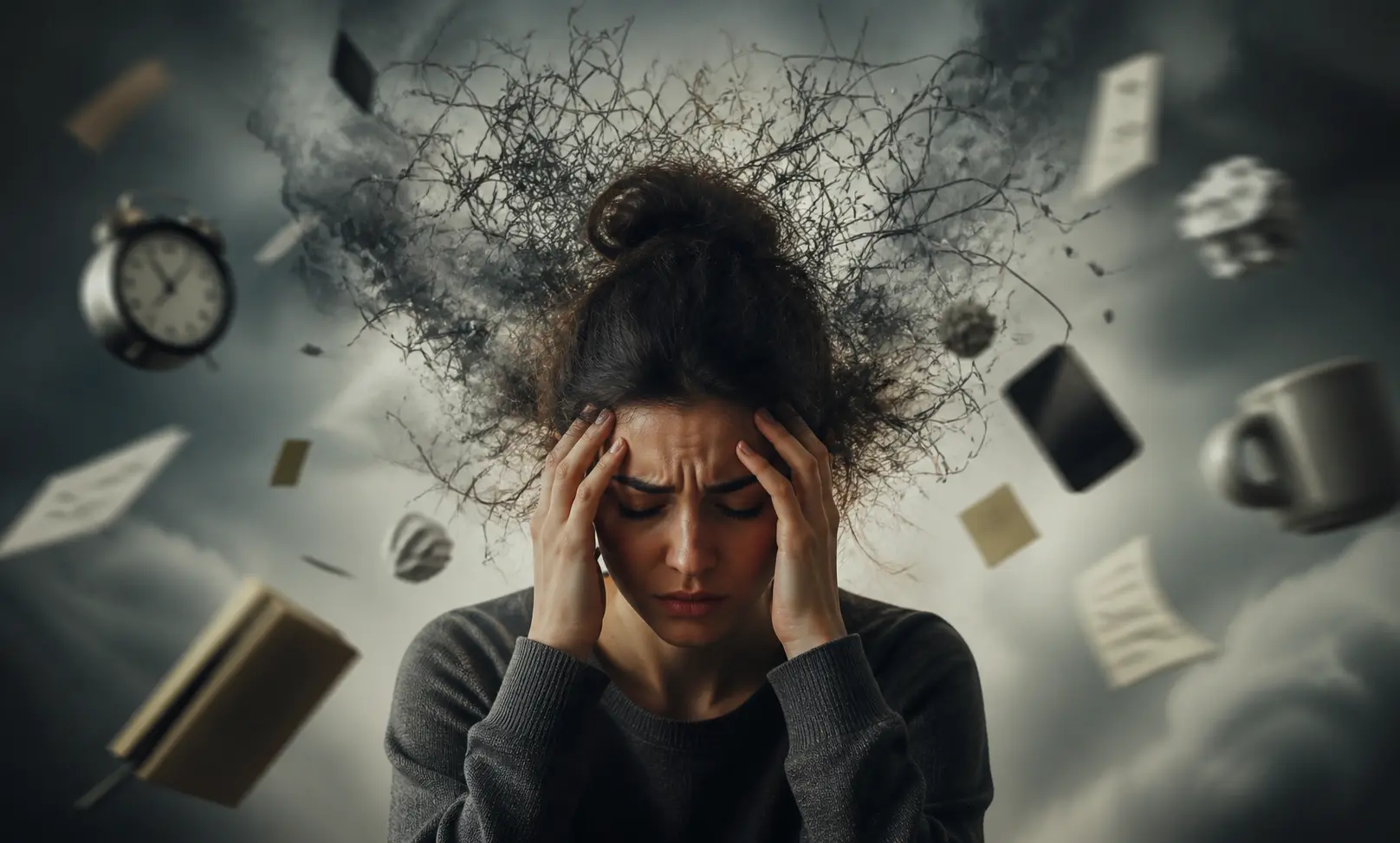
Perfume is often treated as something stable — the same bottle, the same scent, the same experience. Yet many people notice something strange:
on certain days, their favorite fragrance smells different, weaker, sharper, or even unfamiliar.
One overlooked factor behind this shift is stress.
But can stress really change how perfume smells on you?
The short answer: yes — and it affects both your body and your brain.
Can stress change how perfume smells on you?
Yes. Stress can alter your skin chemistry, hormone levels, and scent perception, which can change how a perfume develops, smells, and lasts on your body.
🧬 How Stress Affects Your Skin Chemistry
Your skin is not a neutral surface — it’s a dynamic environment influenced by:
- Body temperature
- Oil production
- Sweat composition
- pH balance
When you’re stressed, your body activates the fight-or-flight response, leading to:
- Increased cortisol
- More acidic sweat
- Changes in skin oil production
These shifts can directly affect how fragrance molecules react on your skin.
This is why a perfume that usually smells smooth and balanced may suddenly feel:
- Sharper
- Sour
- Less blended
To understand the foundation of this interaction, it helps to explore how skin chemistry shapes fragrance behavior in Why Does Perfume Smell Different on Skin?
🧪 The Science Behind It: Molecules, Heat, and Reaction
Perfume is made of volatile molecules that evaporate at different speeds.
Stress influences this process in subtle but powerful ways:
- Higher body temperature → faster evaporation
- Increased sweat → dilution or distortion of notes
- Oil imbalance → uneven scent projection
These changes affect how top, middle, and base notes unfold over time.
If you want a deeper breakdown of how fragrance molecules behave and interact with the body, see How Perfume Works: The Science Behind Fragrance, Molecules, and Human Smell
🧠 Your Brain Under Stress: Perception Changes Everything
Smell is not just physical — it’s neurological.
When you’re stressed:
- Your brain prioritizes survival signals
- Sensory processing becomes less precise
- Emotional interpretation of scent shifts
This means the same perfume may feel:
- Less noticeable
- More irritating
- Emotionally “off”
In other words, the scent might not have changed entirely — your perception of it has.
This connects closely to how scent perception fades or shifts over time, as explained in Olfactory Fatigue Explained Simply
🔄 Why Perfume Feels Weaker on Stressful Days
Many people report that their perfume “disappears” on certain days — stress is often the hidden variable.
Here’s why:
- Mental overload reduces scent awareness
- Faster evaporation shortens longevity
- Distraction lowers sensory focus
So the fragrance isn’t necessarily weaker —
you’re simply less able to detect it consistently.
This phenomenon is explored further in Why Does My Perfume Smell Weaker Some Days
⚖️ Hormones: The Invisible Influence

Stress triggers hormonal fluctuations, especially:
- Cortisol
- Adrenaline
- Changes in testosterone/estrogen balance
These hormonal shifts affect:
- Skin temperature
- Oil production
- Sweat composition
All of which influence how a fragrance develops and smells.
For a deeper look at this connection, refer to How Hormones Affect Perfume Smell
Why does perfume smell different when you’re stressed?
Stress alters skin chemistry, increases body temperature, and changes how the brain processes scent, which can make perfume smell sharper, weaker, or unfamiliar.
📊 Comparison Table: Normal vs. Stressed State
| Factor | Normal State | Stressed State |
|---|---|---|
| Skin pH | Balanced | Slightly more acidic |
| Body Temperature | Stable | Elevated |
| Sweat Composition | Mild | More reactive and acidic |
| Oil Production | Consistent | Irregular |
| Scent Perception | Clear and stable | Distracted or altered |
| Fragrance Longevity | Predictable | May feel shorter |
| Emotional Response | Neutral or pleasant | Unstable or negative |
🧩 The Combined Effect: Body + Brain
What makes stress particularly powerful is that it affects both sides of the fragrance experience:
✔️ The physical side (skin, sweat, temperature)
✔️ The perceptual side (brain, attention, emotion)
This dual influence explains why the change can feel so noticeable — and sometimes confusing.
❓ FAQ Section
Can stress make perfume smell bad?
Yes. Stress can increase skin acidity and alter sweat composition, which may distort fragrance notes and make them smell sharper or less pleasant.
Does stress reduce perfume longevity?
It can. Higher body temperature and increased sweat may cause perfume to evaporate faster, reducing how long it lasts on your skin.
Why can’t I smell my perfume when I’m stressed?
Stress affects attention and sensory processing, making you less aware of ongoing scents even if they are still present.
Can emotional state change how a scent feels?
Absolutely. Emotions influence how your brain interprets smells, which can make the same fragrance feel different depending on your mood.
Is this effect permanent?
No. Once your stress levels normalize, your skin chemistry and scent perception usually return to their typical state.
🧭 Final Insight
Perfume is not just about the bottle —
it’s about the interaction between your body, your brain, and your current state.
Stress doesn’t just change how you feel.
It subtly reshapes how you experience scent itself.
💬 Let’s Make It Interactive
Have you ever noticed your favorite perfume smelling different on stressful days?
Or disappearing faster than usual?
Share your experience — it might reveal more about scent than the perfume itself.
Discover more from Perfume Cultures
Subscribe to get the latest posts sent to your email.



One Comment