
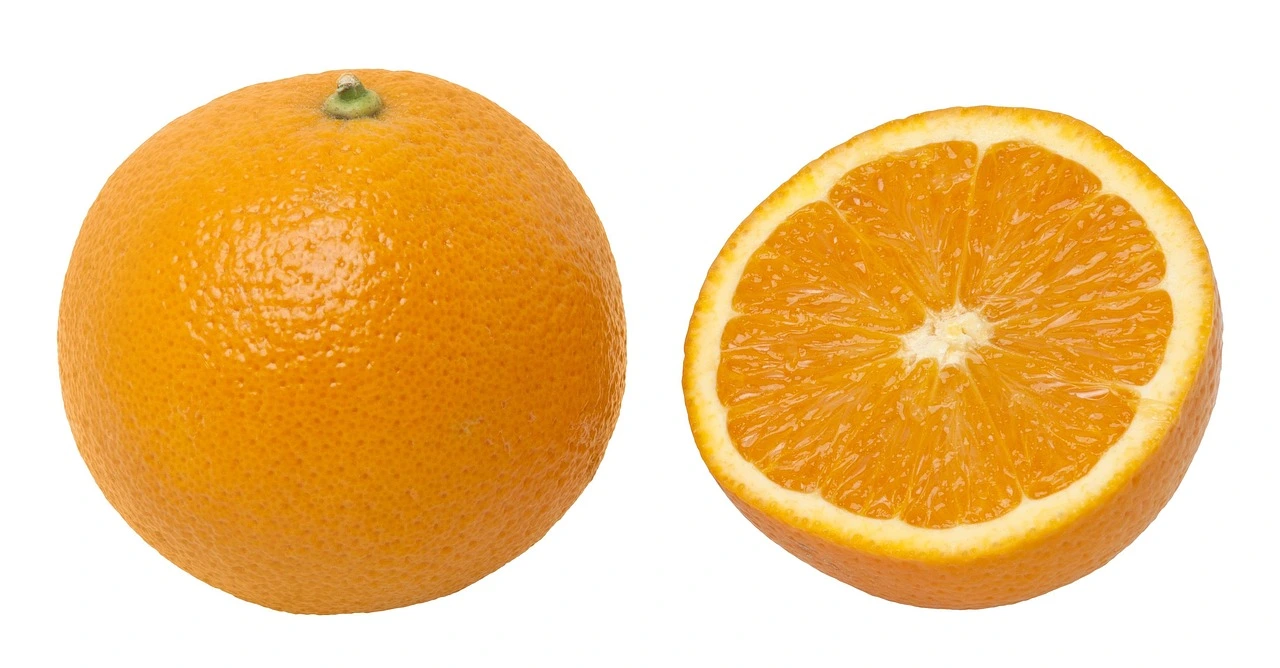
🍊 The Zesty Role Of Orange In Crafting Signature Perfumes
Why Orange Never Goes Unnoticed:
In the world of perfumery, few ingredients deliver instant joy quite like orange. Bright, lively, and universally appealing, orange notes have become a cornerstone in crafting signature perfumes that feel both timeless and modern. From luxury fragrance houses to niche artisan brands, orange brings a zesty energy that immediately captures attention. For American fragrance lovers who value freshness, versatility, and emotional connection, orange-based perfumes often strike the perfect balance between familiarity and sophistication.
Beyond its pleasant aroma, orange plays a strategic role in fragrance composition. It can energize an opening, soften heavier notes, or add a natural sweetness that feels clean rather than sugary. This unique flexibility explains why orange remains one of the most frequently used citrus notes in contemporary perfumery.
🌿 The Origins of Orange in Perfumery:
Orange has been part of aromatic traditions for centuries. Bitter orange trees, originally cultivated in Asia, made their way to the Mediterranean and later influenced European perfumery. The essential oils extracted from orange peels, blossoms, and leaves became prized for their uplifting and mood-enhancing properties.
In modern perfumery, sweet orange oil is commonly cold-pressed from the peel, preserving its fresh and juicy character. Perfumers value orange not only for its scent but also for its ability to bridge natural and synthetic ingredients seamlessly. This makes it especially appealing in today’s market, where consumers often seek fragrances that feel both authentic and innovative.
🧪 Types of Orange Used in Signature Perfume
Not all orange notes smell the same. Each variety offers a distinct aromatic profile that shapes the personality of a perfume.
| Orange Type | Scent Profile | Common Use |
|---|---|---|
| Sweet Orange | Juicy, fresh, cheerful | Everyday fresh perfumes |
| Bitter Orange | Dry, slightly green | Elegant and refined scents |
| Blood Orange | Rich, fruity, slightly tart | Bold, modern compositions |
| Orange Blossom | Soft, floral, honeyed | Romantic and sensual perfumes |
Sweet orange is often chosen for mass-appeal fragrances, while bitter orange and blood orange appear more frequently in niche and luxury perfumes targeting experienced fragrance enthusiasts in the U.S. market.
👃 Orange as a Top Note: The First Impression
Orange is most commonly used as a top note, meaning it’s one of the first scents you smell after applying a perfume. This placement is no accident. Orange delivers an immediate burst of freshness that feels welcoming and energizing.
For signature perfumes, this initial impression matters deeply. A well-crafted orange opening can:
- Instantly uplift the mood
- Create a sense of cleanliness and vitality
- Encourage repeat wear due to its non-overpowering nature
In American lifestyle culture—where perfumes are often worn daily to work, social events, or casual outings—orange-based openings feel especially appropriate and versatile.
🧠 The Emotional Impact of Orange in Fragrance
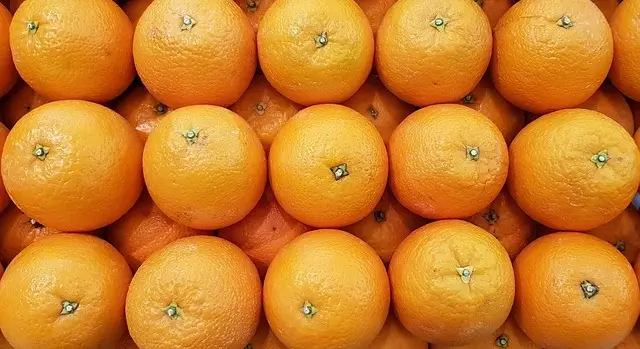
Scent psychology plays a major role in fragrance preference, and orange excels in this area. Studies and general observations consistently associate orange aromas with:
- Optimism and positivity
- Reduced stress and mental fatigue
- Enhanced focus and alertness
This emotional profile makes orange perfumes popular choices for daytime wear and warm climates. Many people subconsciously gravitate toward orange-infused scents when they want to feel energized yet comfortable, making them ideal candidates for “signature” status.
⚖️ How Orange Balances Other Notes
One of orange’s greatest strengths is its ability to harmonize with a wide range of ingredients. In fragrance formulation, balance is everything, and orange often acts as a mediator.
- With woods: Orange brightens cedarwood, sandalwood, and vetiver, preventing them from feeling too dry.
- With spices: It softens notes like cardamom, cinnamon, or pepper, creating warmth without heaviness.
- With florals: Orange adds freshness to jasmine, rose, or neroli, keeping floral blends light and wearable.
This versatility explains why orange appears in both masculine and feminine perfumes, as well as unisex compositions favored by modern American consumers.
🧴 Iconic Perfumes That Showcase Orange
Many well-known fragrances rely on orange to define their identity. While formulations vary, the role of orange remains consistent: to energize, uplift, and invite.
Examples include:
- Fresh citrus colognes designed for daily wear
- Luxury perfumes where orange adds sparkle to complex blends
- Niche fragrances using blood orange for a bold, contemporary twist
These perfumes often become personal signatures because orange feels approachable yet distinctive—a rare combination in perfumery.
🌎 Orange in Craft and Niche Perfumery
In the craft perfume movement, orange has found renewed appreciation. Independent perfumers often experiment with different extraction methods or blend orange with unexpected notes like tea, leather, or incense.
For U.S.-based niche fragrance lovers, these creative approaches feel refreshing. Orange acts as an entry point, making experimental perfumes more accessible without sacrificing originality. This trend aligns with the growing American interest in artisanal products and storytelling-driven brands.
If you enjoy learning how citrus ingredients shape modern fragrances, you may also like exploring our previous article, “What Makes Malaysian Perfume Houses Unique?” which highlights how regional creativity and local influences bring fresh perspectives to modern perfumery, offering another fascinating angle beyond citrus-driven scents.
🔮 The Future of Orange in Signature Perfumes
As fragrance trends evolve, orange continues to adapt. With increasing demand for clean-smelling, mood-boosting perfumes, orange remains highly relevant. Perfumers are now pairing orange with:
- Sustainable woody molecules
- Soft musks for skin-like effects
- Herbal notes for wellness-inspired fragrances
These modern interpretations ensure that orange will remain a central ingredient in signature perfumes for years to come, especially in markets like the United States where versatility and wearability are highly valued.
🍊 Conclusion: Why Orange Deserves Its Signature Status
Orange is more than just a fresh citrus note—it’s a foundational element in crafting perfumes that feel personal, memorable, and emotionally uplifting. Its ability to balance compositions, enhance mood, and appeal to a wide audience makes it a natural choice for signature scents.
Whether used boldly or subtly, orange continues to define some of the most beloved perfumes on the market. Its zesty charm ensures that it never fades into the background, always leaving a bright and lasting impression.
What kind of orange-based perfume do you prefer—light and fresh, or rich and bold? Share your thoughts in the comments and let’s discuss your signature scent preferences. 🍊✨
Discover more from Perfume Cultures
Subscribe to get the latest posts sent to your email.