The Surprising Role of Vegetables in Perfume Making

When we think of perfume, most of us imagine delicate floral scents, luxurious oud, or sweet vanilla. Rarely do vegetables come to mind. Yet, in the innovative world of perfumery, vegetables in perfume are gaining attention as unique ingredients that add unexpected depth, freshness, and complexity to modern fragrances.
From classic herbs like basil and celery to more unusual choices like carrot, tomato leaf, and beetroot, perfumers are exploring the aromatic potential of vegetables. For American consumers and fragrance enthusiasts, understanding how these natural ingredients are used can elevate your appreciation of niche perfumes and even inspire your next signature scent.
Why Vegetables Are More Than Just Food in Perfume:
It might seem surprising, but vegetables have been part of perfumery for centuries. Early European perfumers experimented with herbs, leaves, and roots to create natural, aromatic compounds. Over time, these ingredients fell out of mainstream use, replaced by synthetic molecules or more traditional floral and woody notes.
Today, there’s a resurgence of interest in botanical fragrances. Vegetables offer fresh, green, and sometimes slightly bitter notes that can balance sweetness, enhance other natural ingredients, or bring a garden-fresh quality to a composition. They are especially popular in niche perfumes, where originality and artistic experimentation are highly valued.
Some of the reasons vegetables are used include:
- Freshness: Notes like cucumber or celery can create a crisp, invigorating top note.
- Green Depth: Tomato leaf or bell pepper can provide green, slightly herbal undertones.
- Complexity: Root vegetables like carrot or parsnip add earthy, grounding qualities that enhance the perfume’s longevity.
Popular Vegetables in Modern Perfumery:
Several vegetables have emerged as surprisingly effective ingredients in innovative perfumery. Here’s a closer look:
1- Carrot:
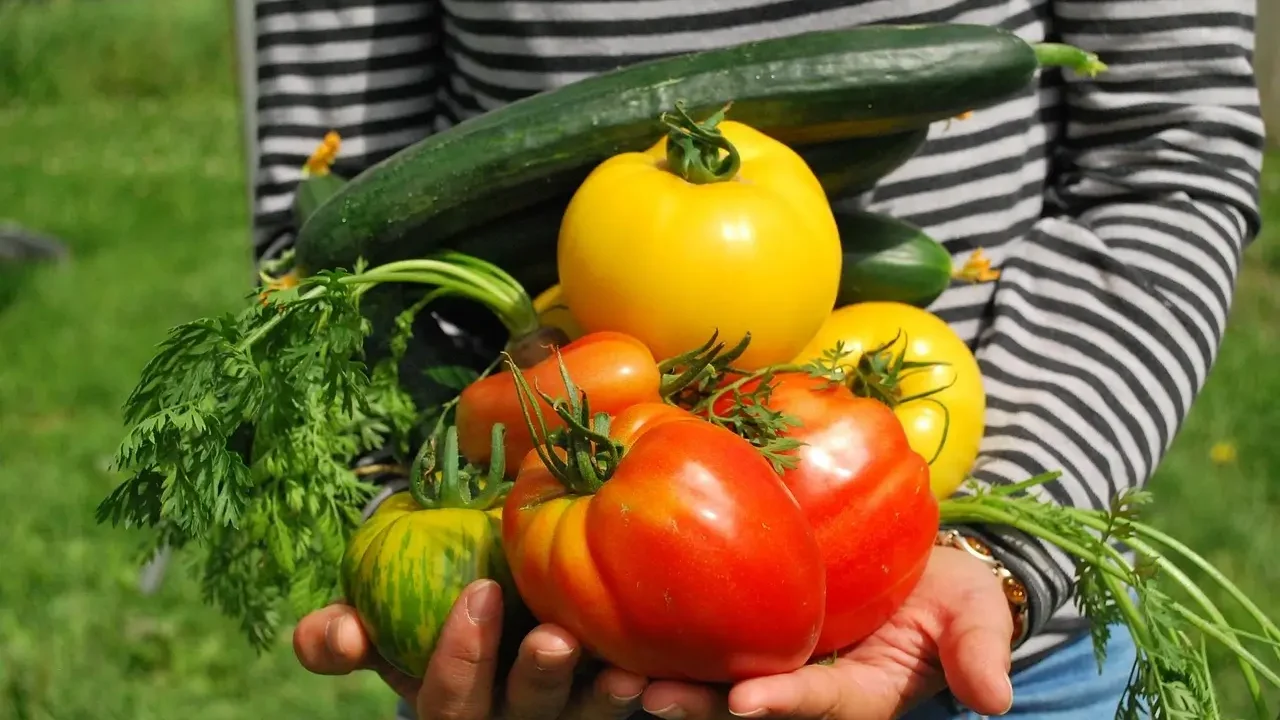
Carrot seeds produce an essential oil with a warm, slightly sweet, and earthy aroma. Perfumers often use carrot in base notes to provide depth, while the fresh green carrot top can appear in top notes for a crisp, vegetal touch. Brands like L’Artisan Parfumeur and Hermès have experimented with carrot-based accords in limited edition fragrances.
2- Tomato Leaf:
The scent of tomato leaves is unmistakably green, sharp, and slightly tangy. This note is used to evoke freshness, energy, and the feeling of a garden in summer. It’s found in fragrances designed to surprise the wearer with unexpected vegetal accents.
3- Celery:
Celery seed and root extracts offer a subtle bitterness and watery green quality that can lift a perfume, making it feel more refreshing and dynamic. Celery has been used in avant-garde fragrances to complement citrus and herb notes.
4- Cucumber:
Cucumber provides a watery, cool, and crisp aroma. It’s often used in top notes to create a sense of freshness, especially in fragrances marketed as light, summer perfumes.
5- Beetroot and Radish:
Root vegetables like beetroot and radish contribute earthy, sometimes slightly sweet or peppery undertones. These are typically part of the heart or base of the perfume, giving a natural grounding effect.
How Perfumers Extract Vegetable Notes:

Capturing the scent of vegetables requires specialized techniques. Unlike flowers, which can often be distilled into essential oils, vegetables may need more innovative methods:
- Steam Distillation: Common for harder roots like carrot or parsnip.
- Cold Pressing: Used for certain seeds that contain aromatic oils.
- Solvent Extraction / CO₂ Extraction: Ideal for delicate leaves, such as tomato or celery, to preserve the green, fresh quality without cooking the aroma.
- Enfleurage: An older technique occasionally used to capture fragile aromas from soft leafy vegetables.
These methods ensure the vegetable’s aromatic essence remains vibrant, natural, and true to its character.
The Artistic Value of Vegetables in Perfume:
In American fragrance culture, there’s a growing appreciation for artistic, unconventional scents. Vegetables allow perfumers to:
- Break Stereotypes: Move beyond overly sweet, floral, or musky fragrances.
- Tell a Story: Fragrances can evoke gardens, farmers’ markets, or seasonal harvests.
- Create Layered Complexity: Combining green, earthy, and spicy notes from vegetables results in multidimensional compositions.
Niche brands often highlight these ingredients in marketing to emphasize creativity and natural authenticity. For example, a fragrance may be described as “crisp cucumber, earthy carrot, and tomato leaf with a hint of basil,” instantly signaling originality and sophistication.
Vegetables vs. Fruits in Perfumery:
While fruits have long been popular in perfumery—think citrus, berries, or tropical fruits—vegetables are making a distinct impression. Unlike fruits, which are often sweet or tangy, vegetables introduce:
- Subtle Bitterness: Adds depth and contrast.
- Green Freshness: Evokes earth, foliage, and natural environments.
- Versatility: They blend well with herbs, florals, and woods without overpowering.
This makes vegetables in perfume an exciting choice for consumers seeking natural perfume ingredients that feel different from mainstream fruity or floral scents.
Examples of Perfumes Featuring Vegetables:
Several notable fragrances illustrate the innovative use of vegetables:
- Hermès Eau de Rhubarbe Écarlate: Rhubarb, technically a vegetable, provides tart, tangy freshness with a green undertone.
- L’Artisan Parfumeur Mon Numéro 10: Incorporates carrot seed oil for a warm, earthy base.
- DS & Durga Like This: Features tomato leaf and green herbs for a crisp, garden-inspired composition.
These examples highlight how innovative perfumery in Europe and the U.S. embraces vegetables as both primary and supporting notes.
Why American Consumers Should Care:

For U.S. fragrance enthusiasts, understanding the role of vegetables opens new dimensions:
- Expands Scent Horizons: Introducing unusual notes like tomato leaf or carrot top can transform your perception of what a perfume can be.
- Supports Natural and Sustainable Practices: Vegetable-based extracts are often organically sourced and environmentally conscious.
- Encourages Niche Exploration: Many American consumers now seek botanical fragrances and artisan creations over mass-market perfumes.
By exploring these vegetal fragrances, you can discover scents that feel personal, memorable, and conversation-worthy.
The Future of Vegetables in Perfume:
With sustainability and creativity driving the modern fragrance industry, the role of vegetables is likely to expand. We can expect:
- More garden-inspired collections emphasizing local and seasonal produce.
- Crossovers with culinary perfumery, where chefs and perfumers collaborate to highlight edible botanicals.
- Experimental extraction techniques that preserve the freshness and complexity of vegetables like fennel, kale, or even pumpkin.
American consumers are uniquely positioned to embrace this trend, given the country’s vibrant niche perfume scene and openness to innovative scents.
Final Thoughts:
The idea of vegetables in perfume might seem surprising at first, but once you experience the fresh green notes of tomato leaf, the earthy warmth of carrot, or the crispness of cucumber, you begin to appreciate the artistry behind modern perfumery.
In a world dominated by sweet florals and heavy musks, vegetables provide a refreshing, unexpected alternative that adds complexity, authenticity, and natural beauty to fragrance compositions.
Next time you explore a niche perfume collection or visit a boutique in New York, Los Angeles, or Chicago, don’t be afraid to ask about vegetal notes. You might discover a scent that feels like a fresh garden in a bottle—a truly unique olfactory experience.
Embrace the unexpected. Let vegetables redefine your perfume journey.
Discover more from Perfume Cultures
Subscribe to get the latest posts sent to your email.