

Is Bleu de Chanel Still Unique or Too Popular? Honest Verdict
✨ Popularity Changed the Question
Some fragrances become popular because they follow a successful formula. Bleu de Chanel became popular because it helped define one.
That distinction matters—but it also creates an uncomfortable problem for today’s buyer. The more successful a luxury fragrance becomes, the harder it can be to feel individual while wearing it. Nobody wants to pay a premium price only to wonder whether the scent has become too familiar.
When Bleu de Chanel established its fresh, aromatic, and woody identity, it offered a polished alternative to traditional citrus colognes, heavy masculine woods, and sweeter evening fragrances. It felt modern, flexible, expensive, and remarkably easy to wear.
Today, the market has moved closer to it. Numerous designer fragrances now combine bright freshness, aromatics, clean woods, amber, musk, and broad masculine appeal. Bleu de Chanel no longer stands apart simply because of its category; it now competes inside a category it helped shape.
That raises the real buying question: if so many fragrances have borrowed from the blue-fragrance formula—and Bleu de Chanel itself has become globally recognizable—does wearing it still give you something distinctive?
The honest answer is yes, but not in the way it once did.
Bleu de Chanel is no longer rare, and its broader fresh-woody direction no longer feels revolutionary. What remains distinctive is the execution: few competitors reproduce its exact balance of freshness, woody refinement, subtle darkness, controlled projection, and social versatility with the same consistency.
Popularity has reduced its exclusivity—not its quality.
Its four interpretations also offer noticeably different levels of familiarity and distinction. If you are unfamiliar with those differences, begin with the complete guide to Bleu de Chanel EDT, EDP, Parfum, and L’Exclusif.
This article will separate popularity from genericity, identify which version still feels the most distinctive, and help you decide whether Bleu de Chanel deserves a place in your collection—or whether your money would be better spent on something less familiar.
❓ Is Bleu de Chanel Still Unique or Too Popular?
Bleu de Chanel is no longer rare, but it remains distinctive through its refined blending, woody depth, versatility, and recognizable character. Its popularity makes the fragrance familiar rather than automatically generic. It is still worth considering unless exclusivity and an unusual niche-style identity are your highest priorities.
The most accurate verdict is therefore not “unique” or “too popular.”
It is recognizable, influential, and exceptionally polished—but no longer exclusive.
💎 What Still Makes Bleu de Chanel Distinctive?
🎼 Its Uniqueness Comes From Balance, Not One Unusual Note
Bleu de Chanel does not depend on a strange ingredient or dramatic signature accord that immediately separates it from everything else.
Its identity comes from how several familiar effects are arranged:
- Bright citrus freshness
- Clean aromatic energy
- Dry cedar-like structure
- Smooth sandalwood
- Musky or ambery depth
- Restrained smokiness
- A controlled transition from freshness to warmth
None of these elements is revolutionary in isolation. Their balance is what gives Bleu de Chanel its character.
Many fragrances can be fresher. Some are louder, sweeter, darker, cheaper, or longer-lasting. Others create a more experimental first impression. Far fewer move between casual freshness, professional cleanliness, romantic warmth, and formal refinement without feeling obviously designed for only one environment.
Bleu de Chanel’s originality today is therefore functional as much as olfactory. It does not merely smell pleasant; it remains unusually difficult to place in the wrong situation.
🌊 It Has a Recognizable Emotional Identity
Bleu de Chanel communicates a specific type of confidence.
It is not the rebellious confidence of leather, smoke, or animalic notes. It is not the playful confidence of a sweet clubbing fragrance, and it is not the aggressive confidence of enormous projection.
Its style is controlled:
- Clean without feeling basic
- Masculine without becoming rough
- Mature without smelling dated
- Expensive without being flashy
- Attractive without demanding attention
- Professional without becoming sterile
That emotional consistency makes the fragrance recognizable even when individual notes are difficult to identify.
A wearer may not consciously think, “I smell cedar, sandalwood, citrus, and incense.” The impression is simpler: polished, composed, clean, and intentional.
That impression remains one of Bleu de Chanel’s strongest competitive advantages.
🧵 Quality Is Often Most Noticeable in the Transitions
An inexpensive or less carefully balanced fragrance may create an exciting opening but lose coherence during the dry-down. The citrus disappears, the sweetness becomes rougher, or the woody base feels disconnected from the freshness that came before it.
Bleu de Chanel generally avoids abrupt transitions.
The fragrance changes, but the identity remains intact. Brightness gradually gives way to aromatics, woods, sandalwood, amber, smoke, or resinous warmth depending on the version.
This smoothness may not produce the most dramatic first five minutes in a store, but it becomes valuable during a full day of wear. Bleu de Chanel often smells more convincing as a complete experience than as a single opening sprayed on paper.
🧭 Familiarity Is Not the Same as Interchangeability
Bleu de Chanel now smells familiar partly because the market moved closer to it.
However, “familiar” does not mean every blue fragrance is interchangeable with it. A sweeter fragrance may attract more immediate attention. A sharper ambroxan fragrance may project farther. A less expensive alternative may reproduce the general fresh-woody idea.
That does not guarantee the same texture, development, restraint, or versatility.
The distinction can be summarized clearly:
| Question | Honest Answer | What It Means for Buyers |
|---|---|---|
| Is Bleu de Chanel rare? | No | It will not provide complete exclusivity |
| Is its overall style familiar? | Yes | Many later fragrances use related fresh-woody ideas |
| Does it smell poorly made? | No | Familiarity does not erase blending quality |
| Is it interchangeable with every blue fragrance? | No | Sweetness, woods, projection, and refinement vary significantly |
| Can people recognize it? | Sometimes | Fragrance enthusiasts are more likely to recognize the DNA |
| Does it still feel luxurious? | Yes | Especially through texture, balance, presentation, and restraint |
| Is it still distinctive? | Yes, but moderately | Its distinction comes from execution rather than novelty |
Bleu de Chanel is no longer the fragrance to buy because nobody else understands its style. It is the fragrance to buy because its style has survived imitation without losing its polish.
🌍 Why Did Bleu de Chanel Become So Popular?
Bleu de Chanel did not become successful through one viral moment or one unusually powerful characteristic. Its popularity was built through a combination of brand authority, broad appeal, practical versatility, and an identity that felt modern without becoming difficult.
The complete story of why Bleu de Chanel became so popular explains how those strengths turned it into a reference point for modern masculine fragrance.
👔 It Solves More Than One Fragrance Problem
Many buyers do not want a separate fragrance for every outfit, temperature, and occasion. They want one bottle that smells appropriate almost everywhere.
Bleu de Chanel—especially the Eau de Parfum—answers that need unusually well.
It can work for:
- Office days
- University
- Business travel
- Casual weekends
- Dinner dates
- Weddings
- Family gatherings
- Formal events
- Everyday errands
- Situations where excessive projection would be inappropriate
This does not mean it is the absolute best fragrance for every one of those settings. A specialized fragrance may outperform it within a narrow role.
Its strength is that it rarely fails completely.
🛡️ It Feels Safe Without Smelling Cheap
Mass appeal can sometimes create blandness. A fragrance becomes so cautious that it lacks texture, development, or personality.
Bleu de Chanel takes a more sophisticated approach to safety.
It avoids many polarizing extremes—heavy sweetness, dirty leather, medicinal oud, dense powder, sharp animalic notes, or overwhelming smoke—without reducing itself to a basic clean scent.
That makes it approachable for beginners while retaining enough woody structure and refinement to remain satisfying for experienced wearers.
🏛️ Chanel Adds Emotional and Practical Value
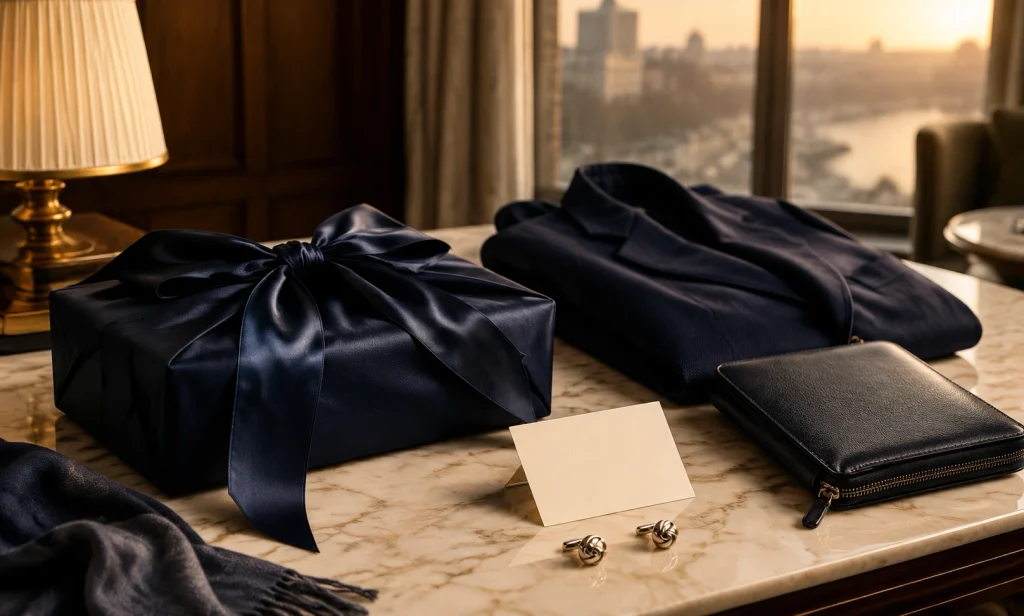
The Chanel name contributes to the fragrance’s popularity, but branding alone cannot explain its longevity.
Presentation matters. The bottle, magnetic cap, visual identity, boutique presence, and luxury reputation make the purchase feel significant. These qualities are particularly powerful when Bleu de Chanel is bought as a first luxury fragrance, professional upgrade, milestone purchase, or gift.
But the scent also has to earn repeated wear.
A prestigious bottle may generate the first purchase; versatility and enjoyment generate the second.
🔄 Multiple Versions Keep the Identity Relevant
The collection does not offer only one fixed interpretation.
The EDT emphasizes energy and freshness. The EDP adds balance and depth. The Parfum moves toward creamy sandalwood and controlled elegance. L’Exclusif creates a darker, richer, and more specialized expression.
This progression allows Bleu de Chanel to serve younger wearers, professionals, mature minimalists, luxury buyers, and existing fans without abandoning its core identity.
Popularity, in this case, is not evidence of creative failure. It is evidence that the central idea adapts unusually well.
🧬 Does Popularity Make Bleu de Chanel Generic?
❓ Does Bleu de Chanel Smell Generic Because It Is Popular?
Bleu de Chanel can smell familiar because its success influenced many later fresh, woody, and aromatic fragrances. However, popularity does not make its composition generic. It retains a recognizable balance, smooth development, and refined dry-down—even if it no longer offers the exclusivity some collectors expect.
The word “generic” is often used too casually in fragrance discussions.
A fragrance may be popular without smelling generic. It may also be rare while smelling derivative. Distribution and originality are related only indirectly.
For a closer scent-focused examination, the distinction is explored in whether Bleu de Chanel smells generic or simply too common.
🧠 Popularity Changes Perception Before It Changes Smell
When you repeatedly encounter a scent profile, your brain becomes familiar with its structure. What once felt surprising begins to feel normal.
This can happen even when you are not frequently meeting people wearing the exact fragrance. Similar designer releases, affordable alternatives, dupes, shower products, and blue-fragrance advertising can make the broader style feel familiar.
Bleu de Chanel itself has not necessarily become less refined. The context around it has changed.
A groundbreaking design often appears less radical after the market adopts its ideas.
🌊 Influence Can Make the Original Feel Like a Follower
Newer fragrance buyers may experience the category in reverse.
They may smell several sweet, fresh, woody, or ambroxan-driven fragrances before trying Bleu de Chanel. When they finally encounter the original collection, it can seem like another participant in an already crowded category.
Historically and creatively, the relationship is more complicated. Bleu de Chanel helped establish expectations that later releases developed in louder, sweeter, younger, cheaper, or more performance-focused directions.
Understanding how Bleu de Chanel influenced modern blue fragrances helps explain why its DNA can feel familiar without being creatively insignificant.
👥 Is It Really Worn by Everyone?
Bleu de Chanel is globally famous, but “popular” should not be confused with “everyone around you wears it.”
Availability, climate, age, budget, culture, workplace, and local fragrance preferences affect how often you encounter it. Fragrance enthusiasts may also overestimate its everyday recognizability because they discuss and compare it constantly.
Most people you meet are unlikely to analyze the exact concentration or identify every note. They may simply perceive that you smell clean, woody, elegant, or expensive.
The more important concern is personal.
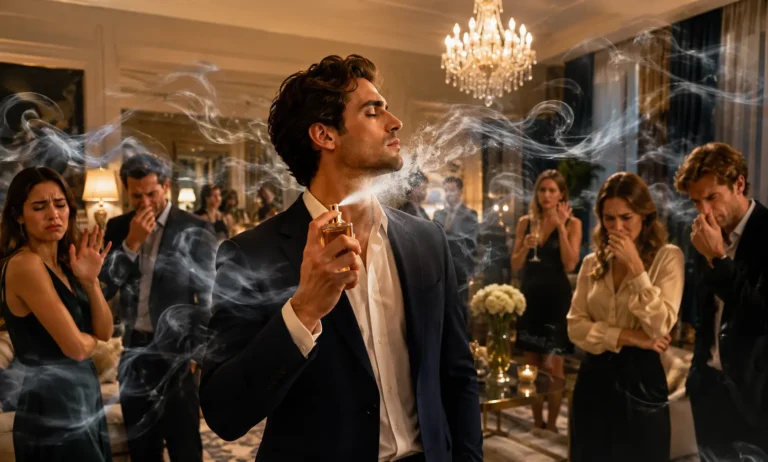
If wearing a fragrance becomes less enjoyable once you know other people own it, Bleu de Chanel may feel too popular regardless of how often you encounter it in reality. If you care more about smelling consistently good than being impossible to identify, its popularity becomes much less important.
🌑 Which Bleu de Chanel Version Feels Most Unique?
Not every Bleu de Chanel version has the same level of familiarity.
The shared DNA keeps the collection connected, but the balance changes considerably as you move from the bright EDT toward the darker L’Exclusif.
| Version | Distinctiveness Today | What Feels Familiar | What Still Feels Special | Best For |
|---|---|---|---|---|
| Eau de Toilette | Moderate | Bright citrus, aromatics, and dry blue-style woods | Crisp energy and the clearest expression of the original idea | Heat, daytime, casual wear |
| Eau de Parfum | Moderate | The most recognizable balance of freshness, warmth, and woods | Exceptional versatility and a polished transition into the dry-down | One-bottle buyers and signature wear |
| Parfum | High | Retains the familiar Bleu freshness and woody identity | Creamier sandalwood, smoother texture, and understated maturity | Formal wear, dates, and quiet luxury |
| L’Exclusif | Very high | Maintains a recognizable clean woody connection | Darker amber, resinous depth, leathery shadows, and greater density | Evenings, cold weather, and collectors |
🍋 Eau de Toilette: The Most Historically Important, but Most Familiar
The EDT presents Bleu de Chanel in its brightest and most energetic form.
Its citrus, aromatics, and dry woods remain attractive, especially in hot weather. However, the market is now full of fresh masculine fragrances that offer related effects.
That makes the EDT the least unusual interpretation today—but not necessarily the least enjoyable.
Choose it because you want clarity, movement, and freshness. Do not choose it because you expect an obscure signature scent.
🌊 Eau de Parfum: Familiarity at Its Most Complete
The EDP is arguably the collection’s commercial center.
It balances freshness, warmth, incense-like depth, cedar, sandalwood, musk, and controlled sweetness. That balance is why it works so well—and why it may feel familiar to experienced fragrance buyers.
Its uniqueness is not dramatic. It is practical.
The EDP makes the strongest case for someone who wants one premium fragrance that can move from work to dinner, from casual clothing to formal wear, and from warm afternoons to cooler evenings.
🌲 Parfum: More Distinctive Through Restraint
Parfum reduces some of the bright sparkle and places greater emphasis on smooth woods and creamy sandalwood.
It does not attempt to become more unique by becoming louder. Its distinction appears at close range through texture, softness, maturity, and a more luxurious dry-down.
For buyers who associate uniqueness with refined execution rather than dramatic projection, the Parfum may be the most satisfying traditional Bleu de Chanel.
🌑 L’Exclusif: The Most Distinctive Version
L’Exclusif moves furthest from the conventional blue-fragrance formula.
It is darker, warmer, denser, more resinous, and more serious. Its woody and ambery depth gives it a stronger evening identity, while leathery shadows make it less universally safe than the earlier versions.
That reduced versatility is part of what makes it more distinctive.
L’Exclusif is the best option for someone who loves the Bleu identity but feels the EDT, EDP, and Parfum are too familiar. However, it should not be treated as an automatic upgrade. It is more expensive, less natural in extreme heat, and more dependent on personal taste.
The most distinctive version is not necessarily the smartest version for everyday life.
🎯 Who Should Still Buy Bleu de Chanel?
Bleu de Chanel remains an excellent purchase when familiarity supports your goals rather than conflicting with them.
A detailed buyer profile is available in who should buy Bleu de Chanel—and who should avoid it, but the central decision can be reduced to one question:
Do you want dependable refinement or rare self-expression?
✅ Buy It If You Value Dependable Refinement
Bleu de Chanel makes sense if you want:
- One fragrance for many situations
- A clean, woody, and mature signature scent
- Luxury quality without a challenging composition
- Controlled projection for professional environments
- A fragrance that can be dressed up or down
- Broad appeal without excessive sweetness
- An established scent rather than a risky experiment
- Presentation and brand recognition
- A bottle you can wear frequently
- Quiet confidence rather than aggressive attention
The EDP is the safest recommendation for most of these buyers. The EDT is more logical in persistent heat, the Parfum suits understated elegance, and L’Exclusif serves darker evening preferences.
🚫 Look Elsewhere If Exclusivity Is the Main Goal
Bleu de Chanel may disappoint you if you want:
- A fragrance few people recognize
- An experimental or artistic niche composition
- A dramatic reaction from experienced collectors
- Maximum projection for the price
- Heavy sweetness for clubs and nightlife
- A scent that transforms unpredictably
- A fragrance that becomes your identity mainly because it is rare
- A completely unfamiliar opening or dry-down
No version can fully escape the reputation of the Bleu de Chanel name. Even L’Exclusif remains part of a famous luxury collection.
If exclusivity is non-negotiable, choosing a less familiar fragrance house may be more effective than choosing the darkest Bleu concentration.
🧪 Sample According to the Reason You Are Hesitating
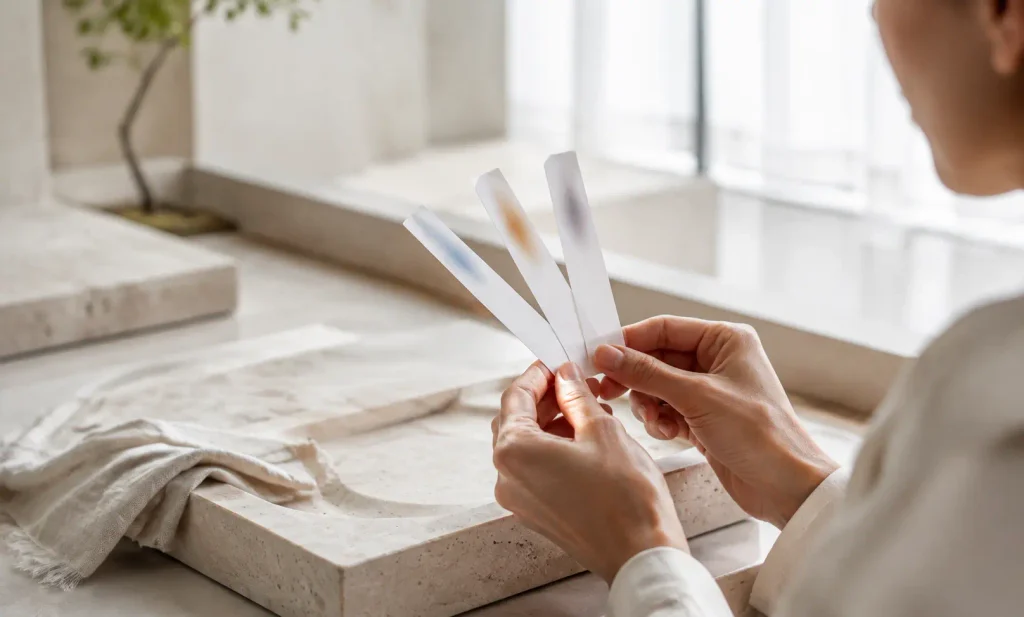
Your sampling strategy should match your objection.
If Bleu de Chanel feels too common, compare EDP, Parfum, and L’Exclusif on skin rather than judging the entire collection through the EDT.
If it feels too restrained, compare projection during a full wearing rather than spraying repeatedly on paper.
If it feels too expensive, calculate how frequently you would realistically wear it.
If you already own several blue fragrances, test whether Bleu de Chanel adds a better texture, a more professional role, or a smoother dry-down—not merely another variation of freshness and woods.
A bottle should solve a real need in your collection. Prestige alone is not a need.
🏁 Final Verdict: Still Special, but No Longer Exclusive
Bleu de Chanel is too popular for someone whose highest priority is rarity. It is still unique enough for someone who values recognizable quality, balance, refinement, and extraordinary versatility.
That is the central distinction.
Do not buy Bleu de Chanel expecting strangers to believe they have discovered a fragrance nobody else knows. Buy it because you want a composition that remains polished across work, travel, dates, formal events, and daily life.
The EDP is the strongest overall purchase for most people. The EDT is better for brightness and hot weather. The Parfum offers the smoothest traditional expression, while L’Exclusif provides the darkest and most distinctive experience.
Price also changes the standard by which popularity should be judged. The complete analysis of whether Bleu de Chanel is worth it or overpriced can help determine whether refinement, versatility, and frequent wear justify paying for a fragrance that is prestigious but no longer rare.
The final verdict is simple:
Bleu de Chanel is not special because it is unknown. It is special because, despite becoming one of the most familiar names in modern fragrance, it still performs its role with remarkable control.
Popularity reduced its exclusivity.
It did not erase its quality.
❓ Frequently Asked Questions
Is Bleu de Chanel too common in 2026?
Bleu de Chanel is widely known and its general fresh-woody style is familiar, but that does not mean everyone around you wears it. Its popularity matters most to buyers who strongly value exclusivity.
Does Bleu de Chanel still smell modern?
Yes. Its balance of citrus, aromatics, clean woods, sandalwood, and controlled warmth still feels modern. It may no longer feel revolutionary, but it does not smell outdated.
Which Bleu de Chanel version is the most unique?
L’Exclusif is the most distinctive because it is darker, warmer, denser, more resinous, and less conventionally fresh than the earlier versions. Parfum is the most distinctive traditional interpretation.
Which version feels the most common?
The EDT and EDP are the most familiar expressions. The EDT reflects the influential original direction, while the EDP presents the most broadly appealing balance of freshness and woody warmth.
Does Bleu de Chanel smell generic?
Not exactly. Its general category is familiar, but the fragrance retains a recognizable structure, smooth development, and polished dry-down. Familiarity should not be confused with poor quality or complete lack of identity.
Can Bleu de Chanel still work as a signature scent?
Yes. Its versatility makes it exceptionally suitable as a signature scent. If exclusivity matters, choose Parfum or L’Exclusif—or make the fragrance more personal through restrained application and the occasions with which you associate it.
Will Bleu de Chanel still get compliments?
It can. Its clean, masculine, refined character remains broadly appealing. Compliments depend on projection, application, environment, personal chemistry, and social interaction—not only the popularity of the fragrance.
Should collectors still buy Bleu de Chanel?
Collectors should buy it when a specific version fills a genuine role. Parfum may add smooth formal elegance, while L’Exclusif can provide darker evening depth. Buying it only because the collection is famous may create unnecessary overlap.
Is Bleu de Chanel worth buying if I already own other blue fragrances?
Possibly, but sample first. It is worthwhile if it offers better blending, versatility, texture, or personal enjoyment than what you already own. It may be redundant if your collection already contains several polished fresh-woody fragrances serving the same occasions.
Is a less popular fragrance automatically better?
No. Rarity does not guarantee quality, versatility, performance, or personal enjoyment. A less popular fragrance is better only when you genuinely prefer its scent and the individuality it provides.
💬 What Matters More to You?
Would you still choose Bleu de Chanel for its refinement and versatility—or would you rather wear a less familiar fragrance that feels more personal?
Discover more from Perfume Cultures
Subscribe to get the latest posts sent to your email.




One Comment