
How the Industrial Revolution Changed the Way We Smell
The Industrial Revolution, spanning roughly from the late 18th century to the mid-19th century, transformed societies in countless ways—from agriculture and transportation to manufacturing and urban development. While historians often focus on its economic and social impacts, one fascinating but often overlooked aspect is how it changed the way people perceive and interact with scents. The Industrial Revolution not only altered our environment but also influenced the history of fragrance, shaping modern perfumery and everyday olfactory experiences.
Urbanization and New Smells:
Before industrialization, most people lived in rural or semi-rural settings, surrounded by natural scents: fresh-cut grass, wood smoke from fireplaces, and the aroma of local food markets. The rise of factories, mechanized production, and urban expansion introduced a whole new palette of smells—often harsher and more complex.
Cities like Manchester, Birmingham, and Pittsburgh became hubs of industrial activity. The air was filled with smoke from coal-fired factories, chemical emissions, and the odor of crowded living conditions. For many, this industrialization and smell combination created a stark contrast to rural life, prompting a desire for fragrances that could mask or counteract these urban odors.
The Birth of Modern Perfumery:
The challenges of industrial urban living inadvertently accelerated the development of modern perfumery. As cities grew, people became more conscious of personal hygiene and odor management. This was a turning point in the history of fragrance.
Before the Industrial Revolution, perfumes were primarily available to the elite, often composed of natural extracts like rose, jasmine, and ambergris. But industrialization led to innovations in chemistry, enabling the creation of synthetic fragrance molecules. Molecules such as vanillin, coumarin, and synthetic musks allowed perfumers to craft scents that were previously impossible. These breakthroughs democratized fragrance, making it more accessible to the growing urban middle class in America and Europe.
Factories, Chemicals, and New Aromas:
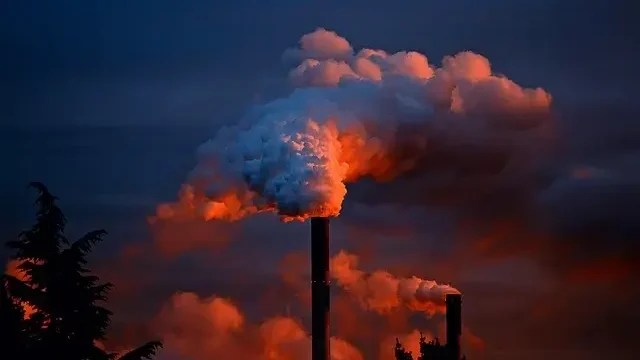
With industrial growth came new chemicals in everyday life. Factories produced synthetic dyes, soaps, and cleaning agents, all of which emitted distinctive odors. The smell of coal, iron, and chemical by-products permeated urban neighborhoods, changing the public’s olfactory environment.
American consumers of the 19th century began associating cleanliness and modernity with certain scents. Fresh soap, floral waters, and artificially created fragrances became markers of social status and personal care. This transformation highlights how industrialization and smell were intertwined: humans adapted to an environment full of synthetic and industrial odors by embracing manufactured fragrances.
Fragrance and Hygiene: A Cultural Shift:
Before industrialization, bathing was infrequent, and perfumes served more as luxurious accessories than hygiene tools. The Industrial Revolution brought water supply improvements, indoor plumbing, and public health reforms, which influenced daily hygiene practices.
As bathing became more regular, so did the use of fragrance. Scented soaps, colognes, and powders became integral to personal care routines. This period marked the shift from perfume as an elite indulgence to a necessity for the urban middle class, particularly in the United States, where cities like New York and Boston saw rapid industrial growth.
The Role of Transportation:
Transportation advances—steam engines, trains, and eventually automobiles—also altered our sensory experiences. As people traveled more, they encountered new environments and scents, from industrial hubs to rural landscapes. This exposure broadened their olfactory vocabulary and influenced the evolution of modern scents.
Perfumers responded by creating fragrances that evoked distant lands or natural experiences lost in the smoke-filled city. For example, tropical floral notes or exotic spices in perfumes allowed urban Americans to experience a sense of escape from industrialized surroundings.
The Chemical Revolution and Perfume Innovation:
The Industrial Revolution coincided with major advances in organic chemistry. Scientists like Justus von Liebig and August Wilhelm von Hofmann pioneered techniques to isolate and synthesize aromatic compounds. The ability to produce synthetic fragrances enabled perfumers to expand their palettes exponentially.
Synthetics made perfumes longer-lasting, more consistent, and often more affordable. Iconic scents such as violet and lily of the valley, which were rare or seasonal in nature, could now be reproduced year-round. This innovation not only changed perfumery but also influenced the way urban populations experienced scent daily.
Industrial Pollution and the Desire for Freshness:
Ironically, the smells of industrialization created a market for freshness. Factories, coal, and urban waste produced unpleasant odors, especially in densely populated American cities. Perfumes and scented products became essential tools to counteract these harsh environmental smells.
Companies capitalized on this trend, marketing scented soaps, powders, and colognes as symbols of refinement and modern living. The concept of “masking” industrial odors became a driving force in consumer behavior, solidifying fragrance as a cultural necessity rather than a luxury.
Niche Fragrances and Urban Identity:
The Industrial Revolution laid the groundwork for niche fragrances and personalized scents. As chemical innovation allowed for a wider variety of aromas, people began choosing fragrances that reflected personal identity, social status, and lifestyle. Urban Americans in the late 19th and early 20th centuries embraced this opportunity, using scent to distinguish themselves amidst the crowded, industrial cityscape.
Lasting Impact on the Modern Nose:
Today, the legacy of the Industrial Revolution in perfumery is still evident. Modern fragrances—both designer and niche—rely heavily on synthetic molecules discovered during this era. Urban Americans are accustomed to complex scent layers, often blending natural and synthetic components, a practice that began during the industrial era.
Moreover, the way society perceives smell—linking cleanliness, modernity, and personal identity—is a direct result of industrialization’s influence on urban living conditions. The revolution not only changed production methods but also reshaped human olfactory culture.
Conclusion:
The Industrial Revolution was more than a technological and social turning point; it was a sensory one. It introduced Americans to new urban odors, sparked chemical innovations, and transformed the history of fragrance. From synthetic molecules to scented soaps, the revolution reshaped how people perceive, interact with, and value smell.
By understanding this history, we gain insight into why modern scents are structured the way they are, why urban populations became more conscious of fragrance, and how the interplay between environment and human perception continues to influence perfumery today.
Discover more from Perfume Cultures
Subscribe to get the latest posts sent to your email.





One Comment