How Perfume Traveled the World: A Scented Journey Through Cultures
Perfume is more than a pleasant scent; it is a bridge between cultures, a silent storyteller of human history. From the bustling markets of ancient Mesopotamia to the refined salons of Paris, fragrance has played an essential role in shaping societies, expressing identity, and even influencing trade. In this journey, we’ll explore how perfume traveled the world and left its scented mark across different civilizations.
The Origins of Perfume: From Rituals to Everyday Life:
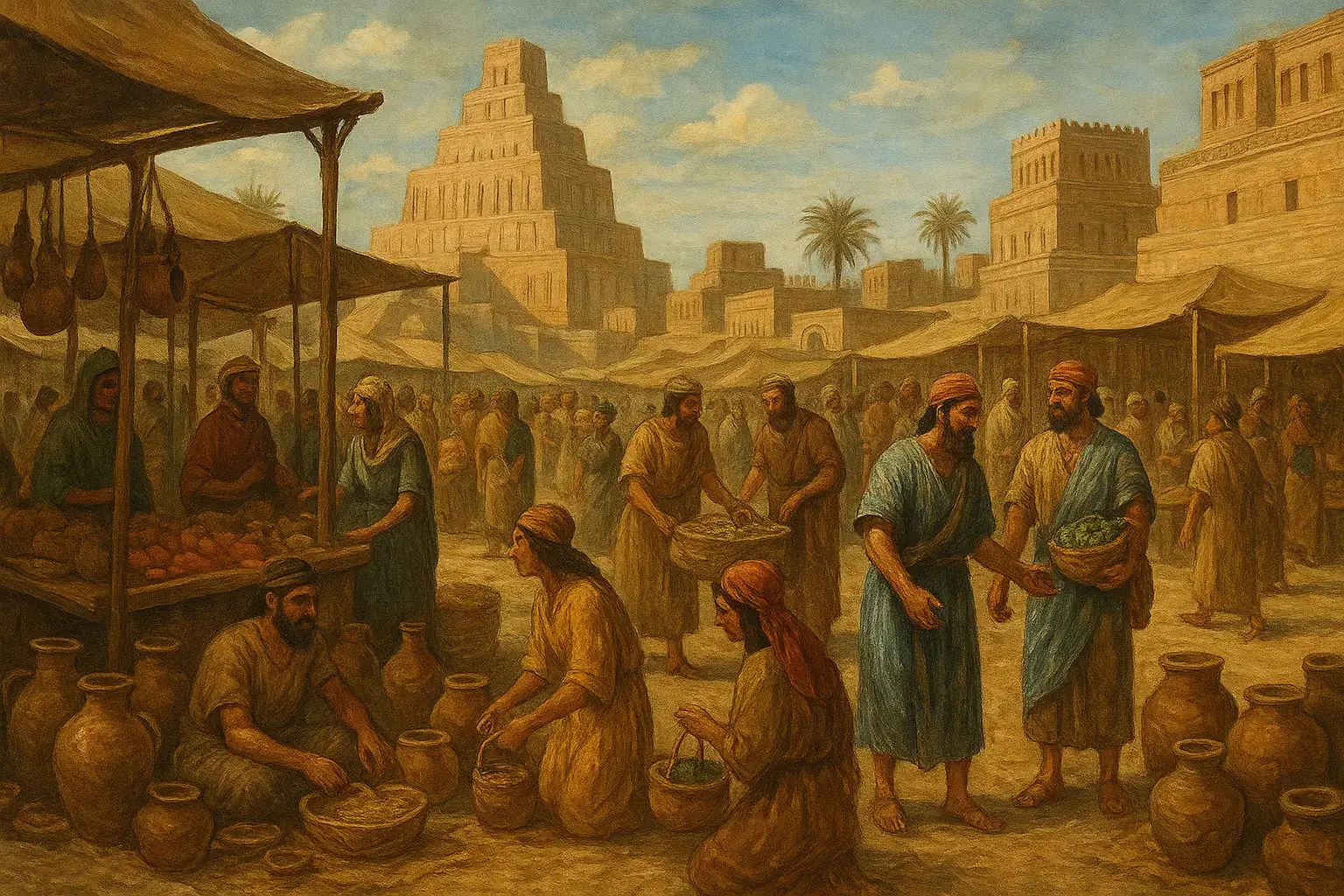
The history of perfume begins thousands of years ago in Mesopotamia and Egypt, where fragrance was first crafted for religious ceremonies. Ancient Egyptians considered perfume sacred, using it in temple rituals, burial practices, and personal grooming. Ingredients like frankincense, myrrh, and lotus flowers were highly valued, not just for their aroma but for their spiritual significance.
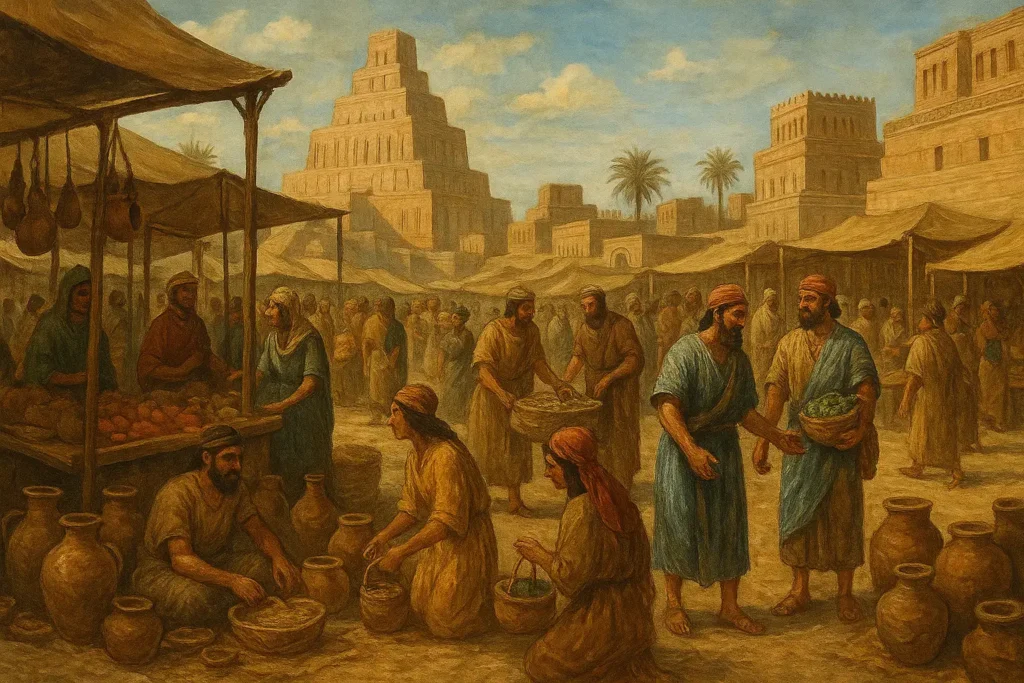
In Mesopotamia, perfumery was closely linked to royalty and luxury. The Sumerians recorded recipes for scented oils and ointments on clay tablets, proving that the art of creating perfume was already sophisticated. Perfumes were seen as a status symbol, a sign of wealth and refinement, and a way to honor both the gods and oneself.
These early developments set the stage for perfume to become a cultural phenomenon that would eventually travel far beyond the Middle East.
Perfume in Ancient Civilizations: Egypt, Greece, and Rome:
As trade routes expanded, the secrets of perfume-making spread to Greece and Rome. In Greece, fragrance became a symbol of elegance and leisure. Women and men alike used scented oils to soften skin and mask odors, and perfumes were often mixed with cosmetics. Greek mythology also incorporated fragrances; for example, gods and goddesses were often described as enveloped in divine scents.
Rome elevated perfume to another level. Roman baths, a central part of social life, were scented with floral and herbal essences, creating an immersive sensory experience. Perfumes were also used as diplomatic gifts, and wealthy Romans would collect exotic scents from faraway lands. Trade with India, Arabia, and Africa introduced new ingredients, such as sandalwood, cinnamon, and exotic flowers, making Roman perfumery remarkably diverse.
This blending of cultures shows how perfume became a vehicle for cultural exchange, long before the concept of globalization existed.
The Islamic Golden Age: Preserving and Enhancing the Art of Fragrance:
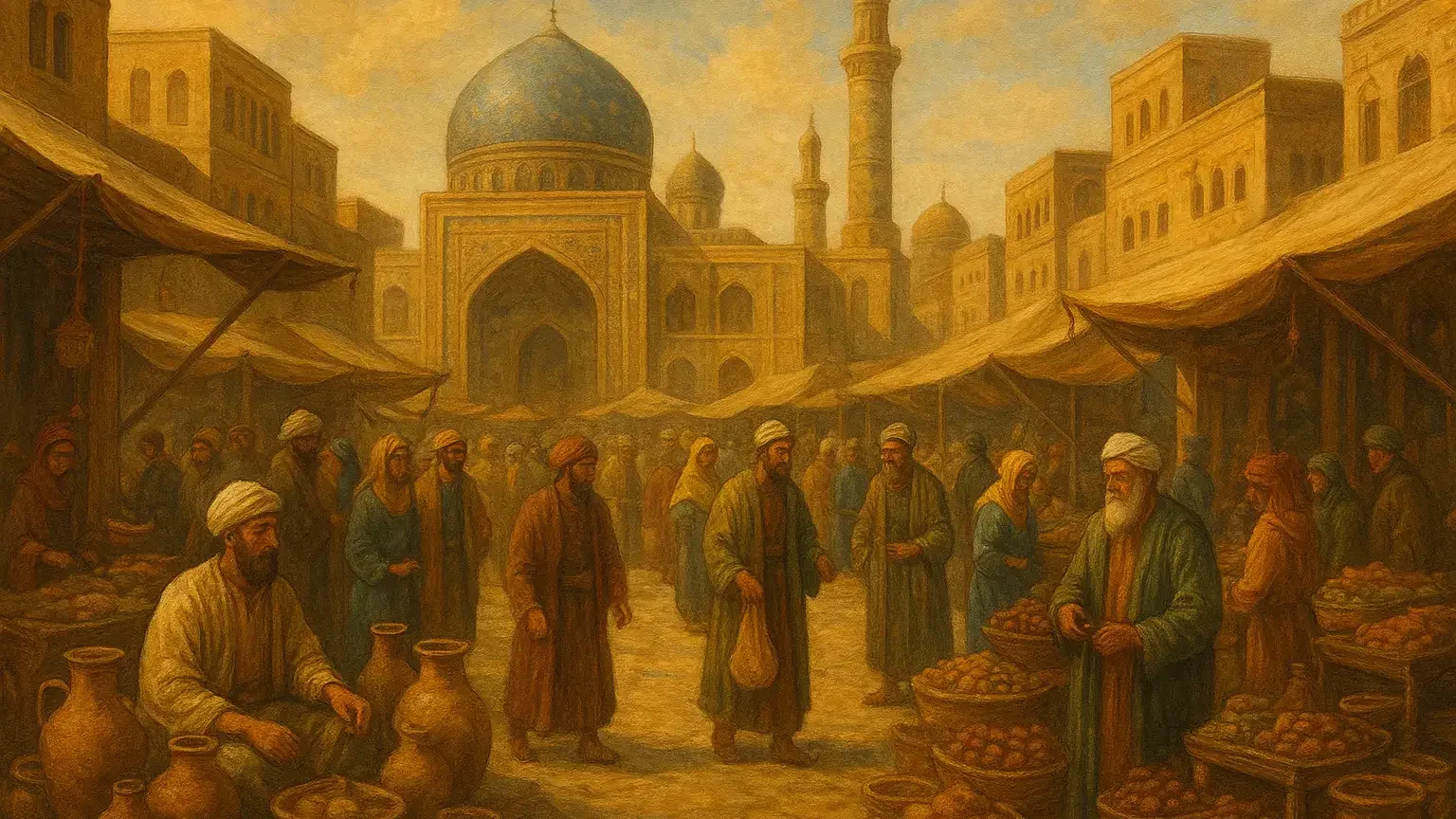
During the Islamic Golden Age, perfumery reached new heights. Scholars and chemists in Persia and the Middle East perfected distillation techniques, allowing the extraction of pure essential oils. This innovation made perfumes more refined and versatile.
Perfume was not just a luxury; it was part of daily life. Markets in cities like Baghdad and Cairo were filled with aromatic wonders, from rosewater to oud, each carrying cultural significance. Islamic chemists also documented thousands of formulas for perfumes, ointments, and scented oils, preserving ancient knowledge while contributing their innovations.
Through the Islamic world, perfume spread along trade routes to Europe, influencing Mediterranean and eventually Western European perfumery traditions.
The Renaissance and the Birth of Modern European Perfumery:
Perfume entered Europe more prominently during the Renaissance. Italian and French aristocrats embraced fragrance as a symbol of sophistication and status. Italy, particularly Venice, became a hub for importing exotic raw materials, while France later emerged as the world leader in perfumery.
By the 17th century, French perfumers in Grasse, Provence, perfected the art of creating floral essences. Lavender, jasmine, and rose were transformed into perfumes that reflected elegance and refinement. The use of perfume also expanded beyond the elite; scented soaps, powders, and candles became popular, making fragrance an integral part of European culture.
This era marked the beginning of perfume as both an art and a commerce-driven industry, shaping social rituals, fashion, and personal identity.
Perfume Travels Across Continents: Trade and Exploration:
The Age of Exploration in the 15th and 16th centuries facilitated the global journey of perfume. European explorers brought back spices, resins, and aromatic plants from Asia, Africa, and the Americas. Ingredients like vanilla, cocoa, and sandalwood introduced new olfactory experiences to the Old World.
Trade networks allowed perfumers to experiment with novel combinations, creating fragrances that were both familiar and exotic. For instance, ambergris from the oceans and musk from Asia became highly prized ingredients in European perfume houses. Perfume became a symbol of sophistication, curiosity, and cross-cultural exchange.
Even today, many of the scents we associate with luxury and elegance have roots in these global interactions. The journey of perfume is essentially a story of human exploration, curiosity, and appreciation for beauty.
Perfume in Modern Times: Global Brands and Cultural Identity:
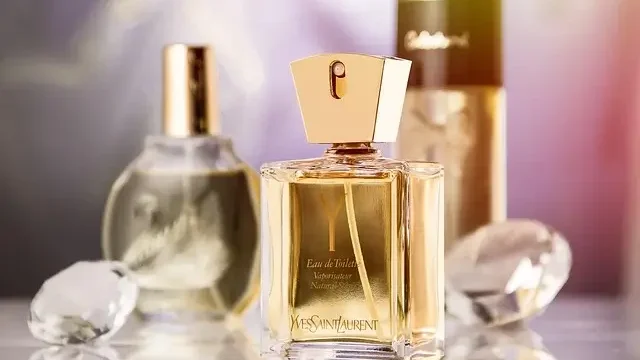
Today, perfume continues to traverse borders, shaping and reflecting cultural identity worldwide. Luxury brands in France, Italy, and the United States dominate the market, yet niche perfumers draw inspiration from local ingredients and traditions. Japanese incense, Middle Eastern oud, and Indian attars have inspired Western compositions, while Western perfumery techniques have been adopted globally.
Perfume also serves as a personal signature, allowing individuals to express their identity in a world that is increasingly interconnected. Social media has further accelerated this phenomenon, enabling scent trends to spread globally in a matter of hours. A fragrance can now carry not just aroma but a story—a narrative that connects continents, history, and cultures.
Cultural Significance: Beyond the Fragrance:
Perfume is more than a product; it is a cultural artifact. In many societies, scents are tied to memory, celebration, and ritual. Wedding ceremonies, religious festivals, and social gatherings often incorporate fragrances to evoke emotions and create a shared experience.
Understanding the cultural significance of perfume allows us to appreciate its role in shaping human interactions. The same rose oil that graced Egyptian temples centuries ago might now be found in a modern American boutique, demonstrating continuity and transformation across time and space.
Conclusion: A Journey That Never Ends:
The story of perfume is a story of humanity itself—a testament to creativity, trade, cultural exchange, and personal expression. From ancient rituals to modern boutiques, fragrances have traveled across continents, carrying with them stories of civilizations, innovations, and identities.
As we wear perfume today, we are part of this centuries-long journey. Each scent is a whisper from the past, a connection to distant lands, and a celebration of the diversity of human culture. The journey of perfume, like fragrance itself, is timeless—always evolving, always connecting us to the world.
Discover more from Perfume Cultures
Subscribe to get the latest posts sent to your email.