
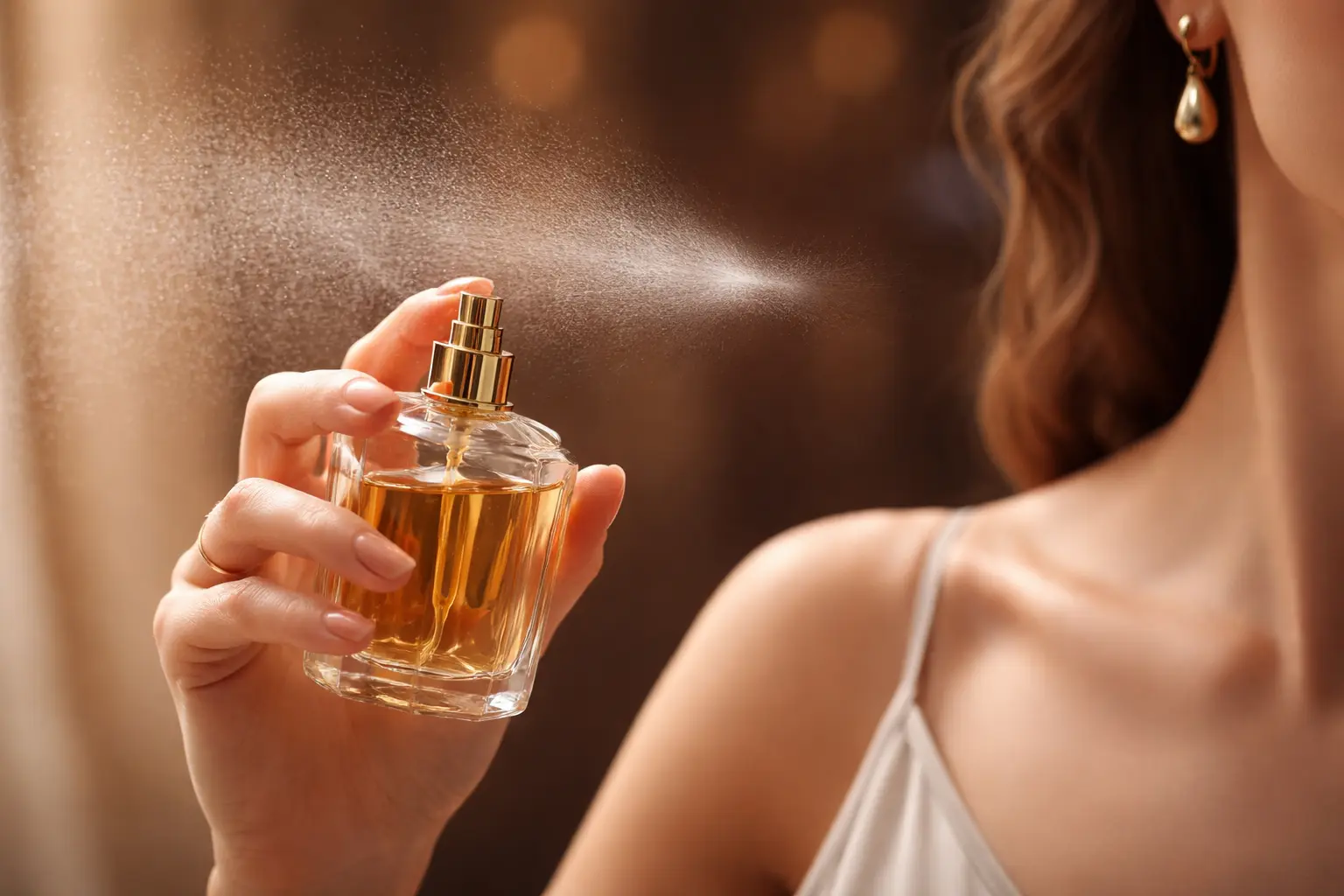
What Happens to Each Note After You Spray a Perfume?
When you spray a perfume, you’re not experiencing a static scent—you’re witnessing a time-based transformation. Each note unfolds in a specific sequence, driven by volatility, skin chemistry, and environmental factors. Understanding what happens to each note after application is the key to evaluating a fragrance beyond its first impression.
🧪 The Moment of Impact: What Happens Immediately After Spraying?
The instant perfume touches your skin, alcohol begins to evaporate rapidly, carrying the most volatile molecules into the air. These molecules form what we call the top notes—the lightest and fastest to disappear.
At the same time, heavier molecules remain closer to the skin, waiting for their turn to emerge. This layered evaporation process is not random—it follows the fundamental principles explained in How Perfume Works: The Science Behind Fragrance, Molecules, and Human Smell, where molecular weight and volatility dictate how a fragrance evolves over time.
🍋 Stage 1: Top Notes (0–15 Minutes)
Top notes are your first encounter with a fragrance. Typically fresh, sharp, or citrusy, they are designed to capture attention instantly—but they are also the most deceptive.
Because these molecules evaporate quickly, what you smell in the first few minutes is not the true identity of the perfume. This is why relying on top notes alone can lead to poor judgment, a concept explored deeply in Why Top Notes Lie (And What Really Matters in Perfume).
Key Characteristics:
- High volatility
- Bright, fresh, attention-grabbing
- Short-lived
🧠 Stage 2: The Perception Gap (5–20 Minutes)
Here’s where things get interesting.
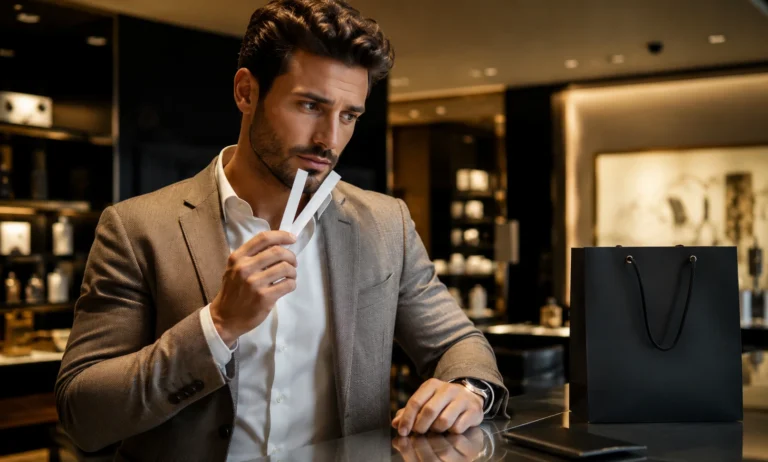
Your brain tends to form a fast emotional judgment based on the opening. However, during this phase, the perfume is already transitioning—top notes are fading, and heart notes are beginning to rise.
This mismatch between what you smell first and what the perfume becomes explains why many people misjudge fragrances too quickly. The psychology behind this phenomenon is explained in Why Your First Impression Of a Perfume Is Often Wrong.
What’s Happening:
- Olfactory adaptation begins
- Emotional bias forms early
- The scent is already changing
🌸 Stage 3: Heart Notes (15 Minutes – 2 Hours)
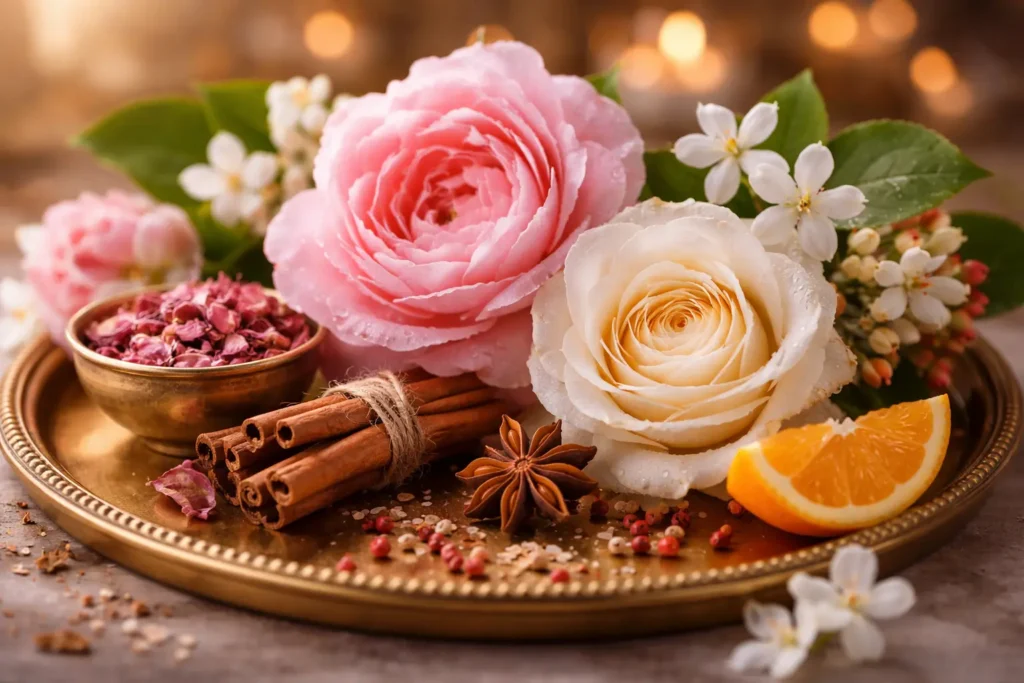
As the top notes evaporate, the heart (middle) notes take center stage. This is the true personality of the fragrance—the part perfumers spend the most time crafting.
Heart notes are more stable and balanced. Floral, spicy, or fruity accords are common here, creating the core identity of the scent.
However, this stage is not identical for everyone. Your skin’s chemistry—oil levels, pH, and temperature—can alter how these notes develop, as explained in Why Does Perfume Smell Different on Skin?.
Key Characteristics:
- Moderate volatility
- Defines the fragrance’s character
- Strong interaction with skin chemistry
🌲 Stage 4: Base Notes (2+ Hours)
Finally, the fragrance settles into its base notes—the longest-lasting and deepest layer.
These molecules are heavy and slow to evaporate, often including woods, amber, musk, or resins. This stage determines how the perfume lingers throughout the day and how it leaves a lasting impression.
If you’ve ever wondered why some perfumes last all day while others disappear quickly, it comes down to this phase, as detailed in How Long Does Perfume Last? Understanding Longevity, Skin Chemistry, and Fragrance Strength.
Key Characteristics:
- Low volatility
- Deep, warm, long-lasting
- Responsible for longevity and sillage
⏳ The Full Evolution Timeline
| Stage | Time Range | Role in the Fragrance |
|---|---|---|
| Top Notes | 0–15 minutes | First impression (often misleading) |
| Transition | 5–20 minutes | Perception vs reality shift |
| Heart Notes | 15 min – 2 hours | Core identity of the scent |
| Base Notes | 2+ hours | Longevity and depth |
⚠️ Why Most People Misunderstand Perfume
The biggest mistake is judging a fragrance too early.
Perfume is not a snapshot—it’s a timeline. Each stage reveals a different layer, and skipping this evolution means missing the true essence of the scent.
Understanding this progression allows you to:
- Choose fragrances more accurately
- Avoid misleading first impressions
- Appreciate the craftsmanship behind scent design
❓ FAQ (Frequently Asked Questions)
Why do top notes disappear so fast?
Top notes consist of lightweight, highly volatile molecules that evaporate quickly when exposed to air and body heat.
How long should I wait before judging a perfume?
At least 30–60 minutes. This allows the heart notes to fully develop and gives a more accurate representation of the fragrance.
Do all perfumes follow the same note progression?
Most structured perfumes do, but some modern compositions blur the lines between stages, creating a more linear scent.
Why does the same perfume smell different on different people?
Because of variations in skin chemistry, temperature, and even hydration levels.
What determines how long a perfume lasts?
Primarily the concentration of base notes, the formulation, and how your skin interacts with the fragrance.
So next time you spray a perfume, will you still trust your first impression—or wait to discover the full story it reveals over time?
Discover more from Perfume Cultures
Subscribe to get the latest posts sent to your email.


One Comment