Has Bleu de Chanel Been Reformulated? Old vs New Explained
Bleu de Chanel has been on the market long enough for many wearers to ask the same uneasy question: Did Chanel change it? Perhaps an older bottle smelled brighter, smokier, richer, or simply lasted longer than the bottle you own now. Or perhaps a recent sample does not match the memory of the one you wore years ago.
The honest answer is more nuanced than “yes” or “no.” Fragrances can change over time for several reasons, but a different smell does not automatically prove a reformulation. Batch variation, storage, aging, the version you are testing, and even your own nose can all create a real difference in the wearing experience.
Has Bleu de Chanel been reformulated?
Bleu de Chanel may have evolved over its lifespan, as many long-running fragrances do, but Chanel does not publish a consumer-facing formula-change log for every production update. A difference between an old and new bottle can also come from batch variation, storage, age, concentration, or skin chemistry—not necessarily a confirmed reformulation.
🔍 What “Reformulated” Actually Means
A reformulation means the fragrance formula has been adjusted in some way. That may involve replacing an ingredient, changing the level of a material, updating a supplier, or adapting the formula to meet modern regulations and ingredient availability.
It does not always mean that Chanel has created an entirely new scent. In luxury fragrance, changes can be subtle: a citrus opening may feel less sparkling, incense may seem softer, or the dry-down may feel cleaner or less dense than a remembered older bottle.
That distinction matters with Bleu de Chanel because it is not one single fragrance. The line includes EDT, EDP, Parfum, and L’Exclusif, each built with its own character. Before comparing bottles, revisit Bleu de Chanel: The Complete Guide to make sure you are comparing the same concentration and not two intentionally different versions.
🧭 The Short Answer: Old vs New Bleu de Chanel
Older bottles of Bleu de Chanel can smell different from newer bottles, but there is no simple universal rule saying that every old bottle is better or every newer bottle is weaker.
Some longtime wearers notice differences in freshness, smokiness, projection, or longevity. Others find their recent bottles completely consistent with what they remember. Both experiences can be genuine, because fragrance perception is personal and the product itself can vary slightly across production periods.
| Possible reason for the difference | What it can feel like |
|---|---|
| Formula update | A note seems softer, cleaner, less sharp, or less prominent |
| Batch variation | Small shifts in balance or performance between production runs |
| Bottle aging | The scent becomes smoother, darker, or less sparkling |
| Storage conditions | Weaker top notes, altered color, or reduced freshness |
| Different concentration | EDT, EDP, Parfum, and L’Exclusif smell intentionally different |
| Nose and skin chemistry | The fragrance develops differently than it did before |
🕰️ Why the Release History Matters
Bleu de Chanel did not arrive all at once as the complete collection people know today. The line expanded over time, and every concentration gives the “Bleu” idea a different emphasis: freshness in the EDT, deeper warmth in the EDP, smoother woods in the Parfum, and a more elevated interpretation in L’Exclusif.
This is why comparing a 2012 EDT memory with a current Parfum sample will never provide useful proof of reformulation. They are not meant to smell the same in the first place. For the proper sequence of launches and how the family developed, see The History of Bleu de Chanel: Complete Release Timeline.
🧪 Why an Old Bottle Can Seem Better
An older bottle often carries more than fragrance—it carries memory. You may remember wearing it in a different season, on different skin, during a more exciting period of life, or before you became familiar with dozens of similar blue fragrances.
There are also physical reasons an old bottle may feel different:
- Time can soften sharp edges in the formula.
- Repeated exposure to air after opening can subtly alter the balance.
- A bottle stored well may preserve its character better than one exposed to heat and light.
- A fragrance worn less often can feel more striking when you return to it.
That does not mean the old bottle is automatically superior. Sometimes it is simply more familiar, more mature, or more emotionally connected to a particular memory.
How can you tell if Bleu de Chanel was reformulated?
You cannot confirm a Bleu de Chanel reformulation from scent alone. Compare the same concentration, check the batch code, inspect storage history, and test both bottles side by side on skin. A different smell may reflect batch variation or bottle age rather than a major formula change.
🔢 Start With the Batch Code, Not Internet Rumors
If your bottle smells different, the batch code is your most useful starting point. It helps identify whether two bottles were made near each other or years apart, which makes your comparison more meaningful.
For example, comparing bottles from distant production periods may reveal a difference—but it still does not prove why that difference exists. You need to consider storage, authenticity, and the condition of each bottle before drawing a conclusion. Use Bleu de Chanel Batch Code Explained to understand where to find the code and what it can realistically tell you.
👃 Batch Variation vs a True Reformulation
Batch variation is one of the most misunderstood parts of fragrance collecting. Even when a formula has not undergone a major redesign, natural materials, suppliers, production conditions, and aging can create a slightly different impression.
A true reformulation usually becomes a broader, repeatable pattern: many users compare equivalent old and new bottles and consistently notice the same change. One unusual bottle alone is not enough evidence.
| Sign | More likely batch variation | More likely meaningful formula change |
|---|---|---|
| Difference appears in one bottle only | Yes | Less likely |
| Many wearers report the same change over time | Less likely | More likely |
| Two bottles were stored differently | Very possible | Inconclusive |
| You compared different concentrations | Not relevant | Not valid evidence |
| Side-by-side testing shows a repeatable shift across several bottles | Possible | Worth investigating |
For a fuller explanation of why two genuine bottles can still feel different, read Do All Bleu de Chanel Bottles Smell the Same?.
📦 Does New Packaging Mean a New Formula?
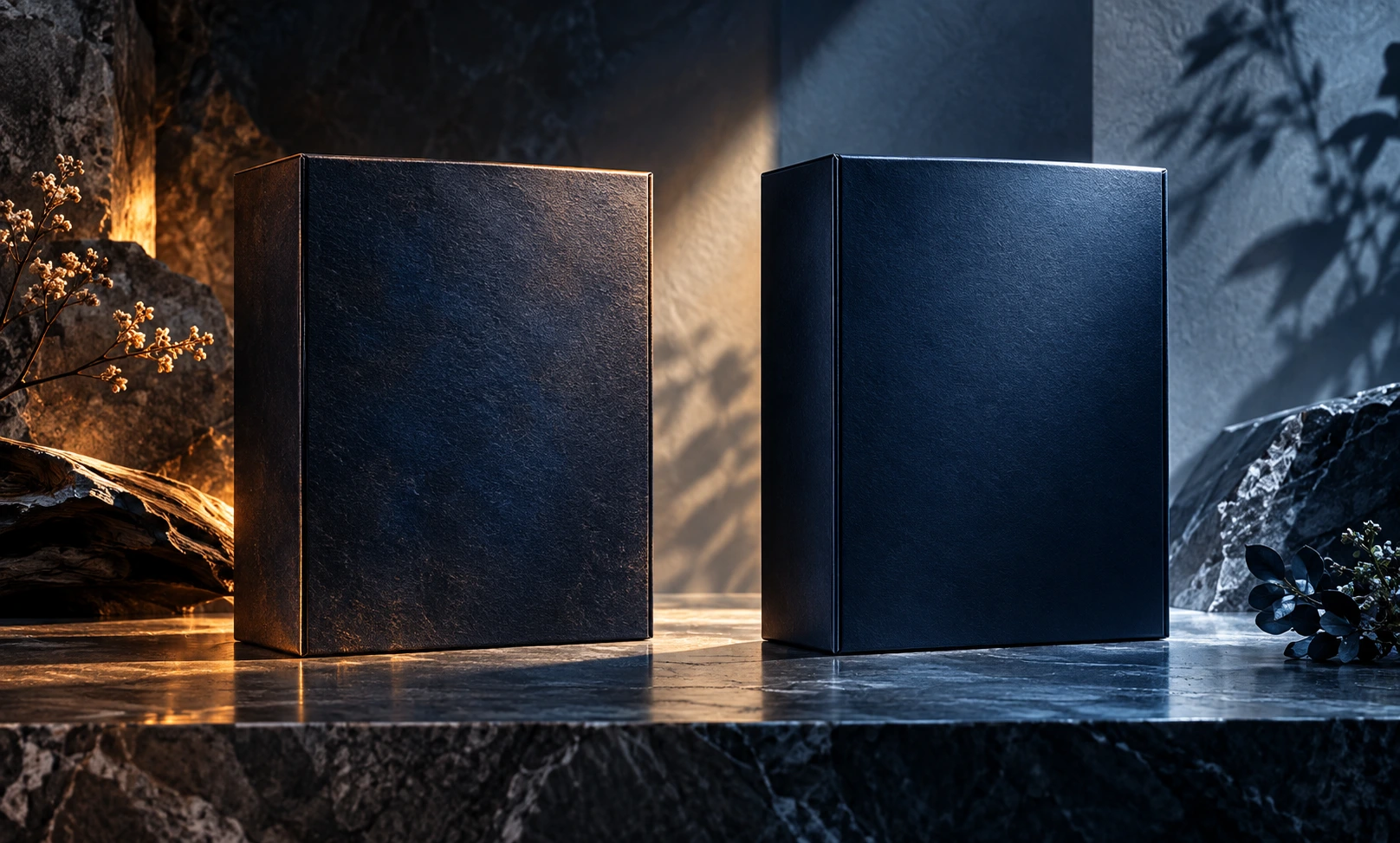
Not necessarily. Packaging can change for ordinary commercial reasons: updated labeling, regional distribution, production adjustments, redesigned boxes, or small manufacturing details. These changes can make a new purchase look suspicious beside an older bottle, especially when you are expecting every detail to remain identical.
Treat packaging as a clue to investigate—not proof of a reformulation. If the box, font, cap, label, or bottle finish concerns you, first consult Why Does My Bleu de Chanel Packaging Look Different? before deciding that your fragrance is a different formula.
🎨 Does a Different Liquid Color Prove Anything?
The liquid color can vary slightly with age, light exposure, storage conditions, and the way a bottle is viewed. A bottle that looks warmer or darker is not automatically old, fake, damaged, or reformulated.
Color becomes more useful when it appears alongside other signs: an unusual odor, obvious evaporation, poor storage history, or a scent that has clearly lost its normal top notes. If you are specifically concerned about this point, Why Is My Bleu de Chanel Liquid a Different Color? explains what is normal and when to be cautious.
🧴 How to Compare an Old and New Bottle Properly
A fair comparison is much more reliable than spraying one bottle today and another next week.
- Test the same version only—EDT against EDT, EDP against EDP, and so on.
- Spray both on clean skin or matching test strips.
- Use the same number of sprays.
- Compare the opening after five minutes, then the heart after one hour, and the dry-down later.
- Test on more than one day if possible.
- Note the batch codes and storage condition of each bottle.
Pay attention to the type of difference. Is one bottle less citrusy? Is the incense softer? Does the newer bottle project less, or do you simply stop noticing it sooner? Specific observations are far more useful than saying, “The old one was stronger.”
⚖️ Should You Buy an Older Bottle?
Only buy an older bottle if you value the collector aspect and trust the seller. Older stock can be excellent, but age alone is not a guarantee of better performance or a better scent. Poor storage can damage even a desirable vintage bottle, while a current bottle from a reputable retailer may be fresher, safer, and easier to replace.
For most buyers, the smartest approach is simple: sample the current version before chasing discontinued-looking batches or paying inflated resale prices. If you enjoy it on your skin, it remains a worthwhile purchase regardless of online arguments about past formulations.
🛍️ The Best Buying Decision
Do not let reformulation anxiety stop you from enjoying Bleu de Chanel. The current lineup is still one of the most polished and versatile designer fragrance families available, but the right concentration matters more than the myth of finding a “perfect old batch.”
Choose EDT if you want the crispest and most energetic style, EDP for the most balanced all-rounder, Parfum for a smoother and more refined feel, or L’Exclusif if you want the most distinctive luxury direction. Sample first when possible, then buy from an established retailer with clear return and authenticity policies.
❓ FAQ
Has Chanel officially confirmed every Bleu de Chanel reformulation?
No. Chanel does not publicly provide a detailed consumer timeline for every formula adjustment. That is why claims online should be treated carefully unless they are supported by direct side-by-side evidence.
Is old Bleu de Chanel stronger than new Bleu de Chanel?
Not always. Some wearers perceive older bottles as stronger, but performance can also be affected by storage, concentration, skin, weather, and nose blindness.
Can a newer batch still smell excellent?
Absolutely. A newer bottle can smell excellent, perform well, and be completely authentic. “Newer” does not mean inferior.
Should I avoid buying Bleu de Chanel because of reformulation rumors?
No. Test the current version you are considering. If you enjoy it, that is more valuable than buying an unknown older bottle based only on nostalgia or forum opinions.
Final Verdict
Bleu de Chanel may have evolved over the years, but a different bottle does not automatically equal a dramatic reformulation. The most sensible approach is to compare like for like, check the batch code, consider storage and age, and judge the fragrance in front of you—not only the version you remember.
For buyers, the current bottle is the one that matters. Test it, wear it, and choose the concentration that best fits your style. A great fragrance does not need to be identical to a decade-old memory to deserve a place in your collection.
Discover more from Perfume Cultures
Subscribe to get the latest posts sent to your email.