
Why Younger Americans No Longer Want A Signature Scent
For decades, wearing a “signature scent” was considered part of personal identity in America. One fragrance. One recognizable smell. One bottle people associated with you.
But younger Americans are quietly abandoning that idea.
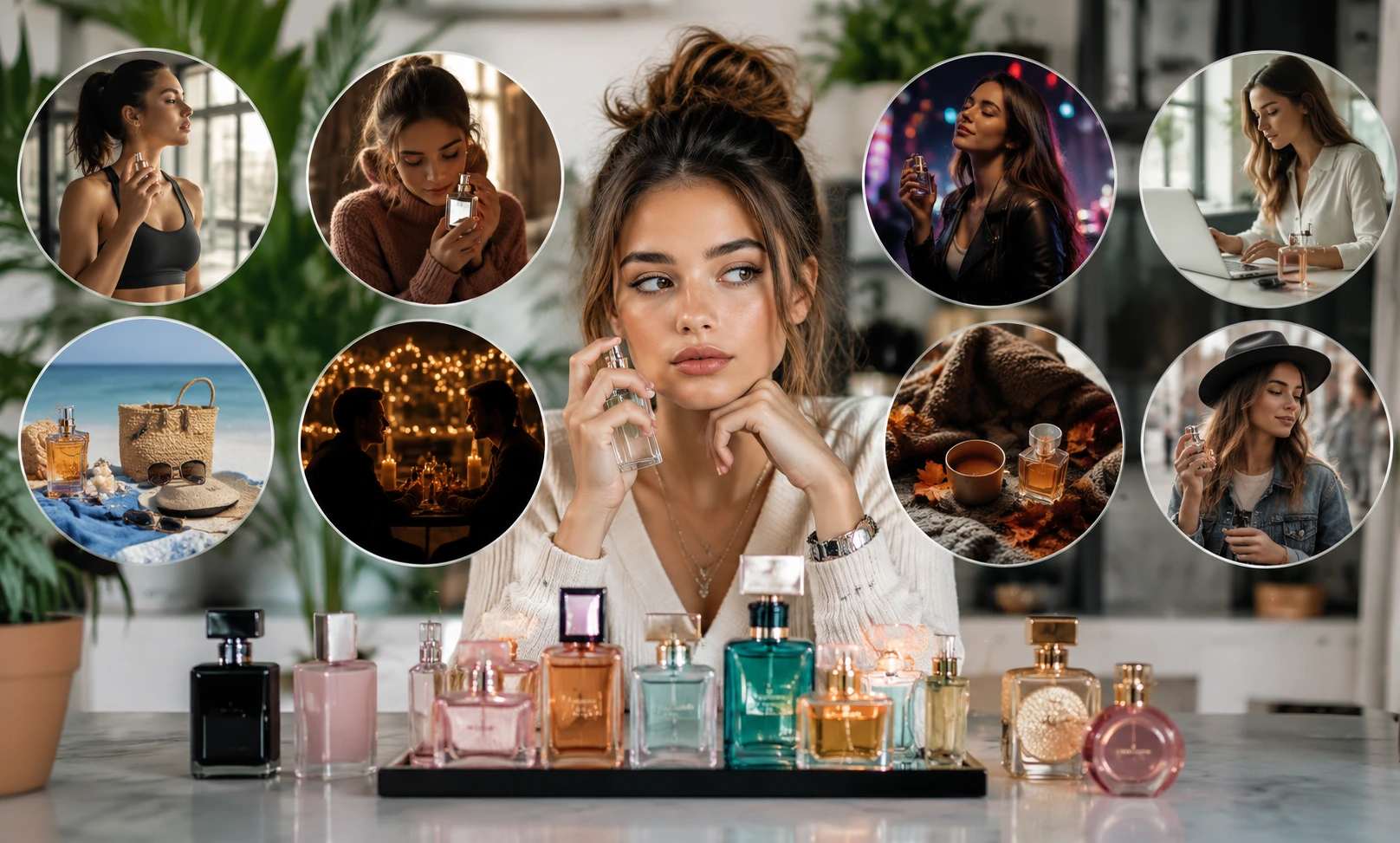
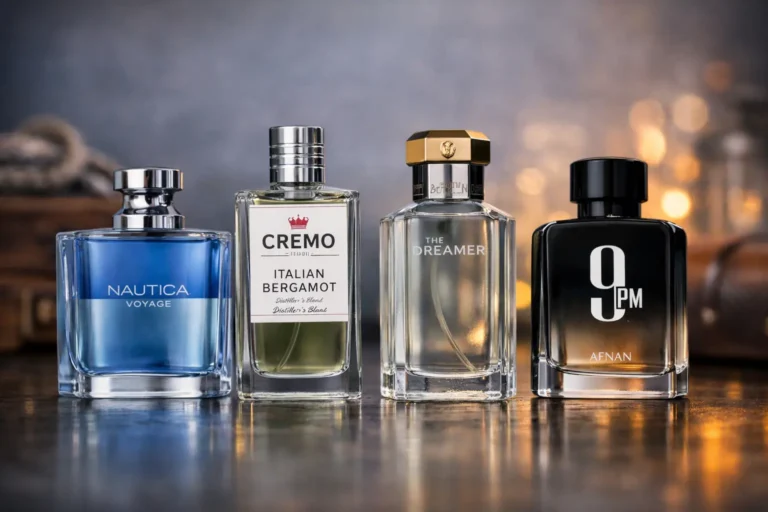
Instead of staying loyal to a single fragrance for years, Gen Z and younger Millennials now rotate between multiple scents depending on mood, season, social setting, aesthetics, TikTok trends, or even emotional state. One week they want something clean and minimal. The next week they want something nostalgic, loud, smoky, tropical, or ultra-luxury.
To younger consumers, wearing only one fragrance now feels limiting — almost like wearing the exact same outfit every day.
And the modern perfume industry is rapidly adapting to this psychological shift.
Why do younger Americans no longer want a signature scent?
Younger Americans increasingly prefer fragrance variety over long-term loyalty because modern identity has become more flexible, digital, and mood-driven. Social media exposure, subscription boxes, cultural diversity, and constant product discovery encourage people to match fragrances to different situations rather than commit to one permanent scent.
🧠 The “Signature Scent” Concept Feels Old-Fashioned to Gen Z
Previous generations often treated fragrance like a personal trademark.
People wore the same scent:
- To work
- On dates
- At parties
- During every season
- For years at a time
The fragrance became part of their social identity.
But younger Americans grew up in a completely different environment:
- Constant trend cycles
- Personalized algorithms
- TikTok aesthetics
- Fast-changing fashion
- Digital self-expression
- Mood-based consumer behavior
Today, identity feels fluid rather than fixed.
That psychological shift also affects perfume behavior.
Instead of asking:
“What perfume represents me forever?”
Many younger consumers now ask:
“What fragrance fits how I feel today?”
This connects strongly with the growing discovery culture discussed in the article about fragrance subscriptions. In fact, How Fragrance Subscription Boxes Are Changing Perfume Consumption In the US reflects how younger Americans now explore fragrances almost like streaming playlists instead of permanent possessions.
🇺🇸 Modern American Lifestyle Encourages Fragrance Rotation
Modern American life is highly situational.
A younger consumer may want:
- A clean skin scent for work
- A sweet gourmand for dates
- A fresh citrus fragrance for the gym
- A smoky niche scent for nightlife
- A nostalgic scent for comfort
- A luxury-inspired fragrance for social status
One fragrance can no longer satisfy every emotional or social role.
This is especially true in urban American culture where people constantly shift between:
- Digital spaces
- Social circles
- Work environments
- Aesthetic identities
- Lifestyle communities
Fragrance has become contextual rather than permanent.
📦 Subscription Culture Changed Consumer Behavior
Subscription services dramatically accelerated this change.
Instead of committing to one expensive bottle, younger consumers can now test:
- Multiple scent styles
- Seasonal trends
- Niche houses
- International fragrances
- Viral perfumes
- Experimental compositions
This lowered the emotional attachment people once had toward a single scent.
Owning many small fragrance experiences now feels more exciting than owning one “forever fragrance.”
That behavioral shift directly overlaps with the modern buying patterns explored in How American Consumers Balance Luxury and Affordability in Perfume Buying, where younger shoppers increasingly mix affordable experimentation with occasional luxury purchases.
📊 Signature Scent Era vs Modern Fragrance Rotation
| Traditional Signature Scent Culture | Modern Younger American Fragrance Behavior |
|---|---|
| One scent for years | Multiple rotating scents |
| Loyalty-focused | Discovery-focused |
| Identity stability | Identity flexibility |
| Department store shopping | Online & subscription exploration |
| Limited fragrance exposure | Constant fragrance exposure |
| Seasonal repetition | Mood-based switching |
| Familiarity & consistency | Variety & experimentation |
🧠 Fragrance Is Now Part of “Micro-Identity”
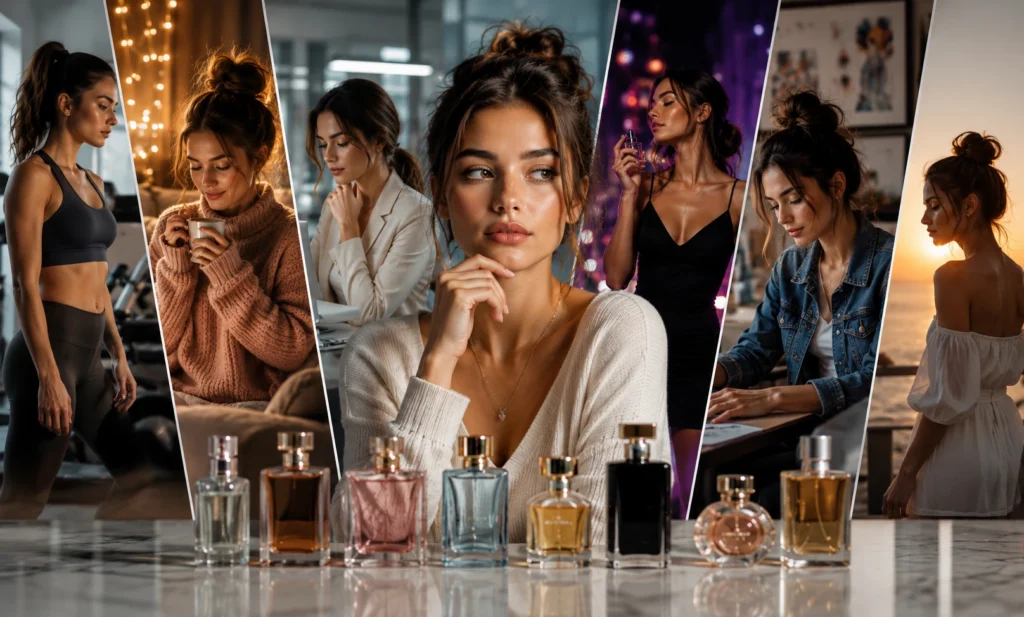
Younger Americans increasingly build what psychologists call “micro-identities.”
People present different versions of themselves depending on:
- Social media platform
- Friend group
- Fashion style
- Event type
- Emotional mood
- Time of day
Fragrance naturally became part of this behavior.
A perfume today is often treated as:
- An accessory
- A temporary aesthetic
- A social signal
- A mood enhancer
- A lifestyle extension
Not necessarily a lifelong identity marker.
This explains why many younger consumers own collections of smaller bottles instead of investing emotionally in only one fragrance.
🌎 Cultural Exposure Expanded Fragrance Preferences
American consumers today are exposed to far more scent cultures than previous generations.
Social media, immigration, niche perfume communities, and online shopping introduced younger audiences to:
- Middle Eastern oud fragrances
- Korean clean scents
- French niche perfumery
- Latin American tropical notes
- Japanese minimalist fragrance styles
As cultural fragrance exposure expands, personal taste becomes more diverse and experimental.
This directly connects with the broader fragrance diversity trends discussed in Exploring the Influence of Ethnic Diversity on Perfume Choices in the US, where American perfume preferences increasingly reflect multicultural influence rather than one dominant fragrance style.
Are signature scents disappearing in America?
Signature scents are becoming less common among younger Americans because modern fragrance culture prioritizes variety, emotional flexibility, and constant discovery. Many consumers now prefer owning multiple fragrances for different moods and social situations instead of being known for only one scent.
🎯 Scent Marketing Also Encourages Constant Switching
Modern fragrance marketing no longer promotes long-term loyalty the way it once did.
Brands now constantly push:
- Limited editions
- Seasonal launches
- Viral TikTok fragrances
- Discovery kits
- Layering trends
- “Perfume wardrobes”
- Mood-based fragrance recommendations
Consumers are psychologically encouraged to keep exploring rather than settle permanently.
That strategy aligns closely with the behavioral marketing principles explored in Why Scent Marketing Works On American Shoppers: The Science Behind It, where emotional triggers and sensory novelty strongly influence modern American buying behavior.
🧠 Nostalgia Still Exists — But Differently
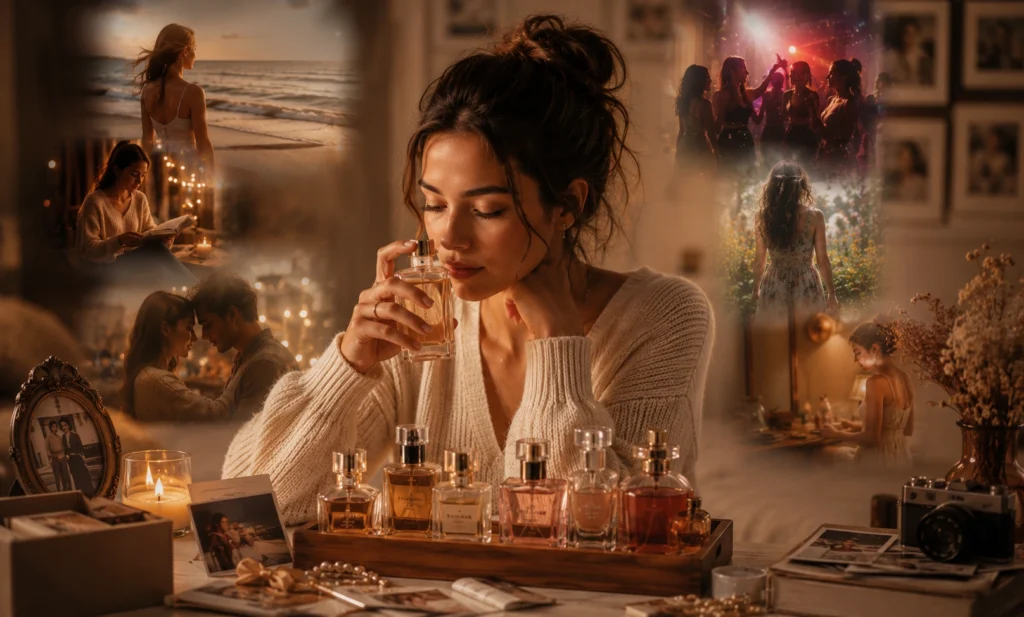
Interestingly, nostalgia still matters deeply in fragrance psychology.
However, younger Americans often experience nostalgia through:
- Temporary scent phases
- Seasonal fragrance memories
- Specific aesthetic eras
- Emotional associations
Rather than lifelong loyalty.
For example:
- A coconut sunscreen scent may represent one summer
- A vanilla fragrance may remind someone of college years
- A smoky perfume may represent a specific relationship phase
Nostalgia became fragmented into experiences instead of one permanent signature identity.
This emotional behavior also reflects the memory-driven scent associations discussed in The Role of Nostalgia in American Perfume Preferences.
🧴 The Rise of the “Fragrance Wardrobe”
Instead of owning:
“My perfume”
Younger consumers increasingly build:
“My fragrance wardrobe.”
This concept treats perfumes similarly to:
- Fashion outfits
- Sneakers
- Accessories
- Music playlists
Different scents now serve different emotional and social purposes.
And from a psychological perspective, this behavior gives consumers:
- More self-expression
- More novelty
- More emotional stimulation
- More social adaptability
Which modern digital culture strongly rewards.
🔎 Why This Trend Matters for the Future of the Perfume Industry
This shift is changing the entire fragrance market.
Brands are now focusing more on:
- Discovery sets
- Travel sprays
- Affordable experimentation
- Seasonal launches
- Layering fragrances
- Social media storytelling
- Fast emotional engagement
The industry understands that younger consumers increasingly value:
Experience over loyalty.
And that may permanently redefine how fragrances are marketed in America over the next decade.
If you’re interested in how modern American fragrance behavior is evolving beyond traditional perfume loyalty, you may also enjoy exploring how subscription services transformed scent discovery in the US, why nostalgia still shapes perfume choices emotionally, and how cultural diversity is reshaping American fragrance preferences across younger generations.
❓FAQ
Do younger Americans still have favorite fragrances?
Yes, but many no longer limit themselves to only one scent. Instead, they rotate between several favorites depending on mood, weather, or social context.
Why are fragrance collections becoming more popular?
Social media, subscription services, and easier online access expose consumers to more fragrance styles, encouraging experimentation and collecting behavior.
Are signature scents completely disappearing?
Not entirely. Some people still prefer having a recognizable personal scent, but younger generations increasingly favor flexibility and variety.
How do subscription boxes affect perfume habits?
Subscription boxes reduce the risk of trying new fragrances, making consumers more comfortable exploring multiple scent styles instead of committing to one bottle.
Why do younger consumers change fragrances so often?
Modern identity is more dynamic and emotionally driven. Many younger consumers use fragrance as a temporary form of self-expression rather than a fixed identity marker.
Conclusion
The decline of the signature scent doesn’t mean younger Americans care less about fragrance.
In many ways, they care more than ever.
But instead of using one scent to define who they are permanently, they now use multiple fragrances to express different moods, identities, memories, and experiences throughout daily life.
And in a culture driven by discovery, personalization, and emotional flexibility, that approach feels far more modern.
💬 Interactive Question
Do you prefer having one signature scent that people recognize instantly, or do you enjoy switching fragrances depending on your mood and lifestyle?
Discover more from Perfume Cultures
Subscribe to get the latest posts sent to your email.
2 Comments