Why Gendered Perfumes Are Becoming Obsolete
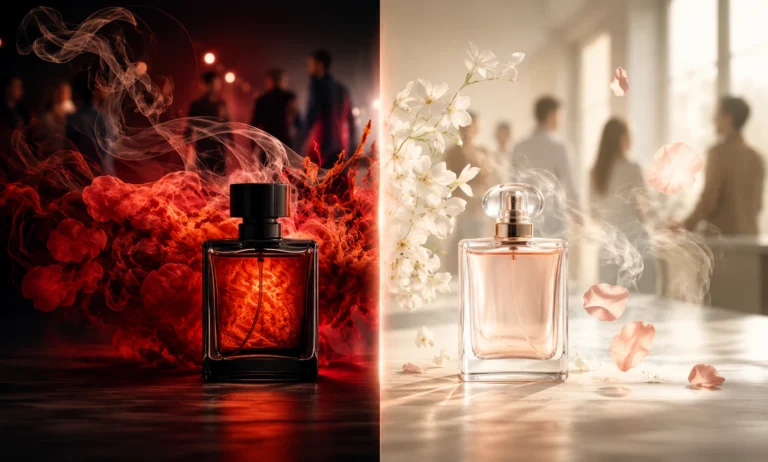
For decades, perfumes were neatly divided into “for men” and “for women.” Walk into any store, and you’d be guided by labels before your nose ever had a chance to decide.
But something is shifting.
Today, more people are ignoring these labels entirely—and the fragrance industry is slowly catching up. Gendered perfumes are no longer the rule. In fact, they’re becoming… obsolete.
So what changed?
🧠 The Truth: Your Nose Was Never Gendered
The idea that certain scents belong to men and others to women was never rooted in biology—it was built by marketing.
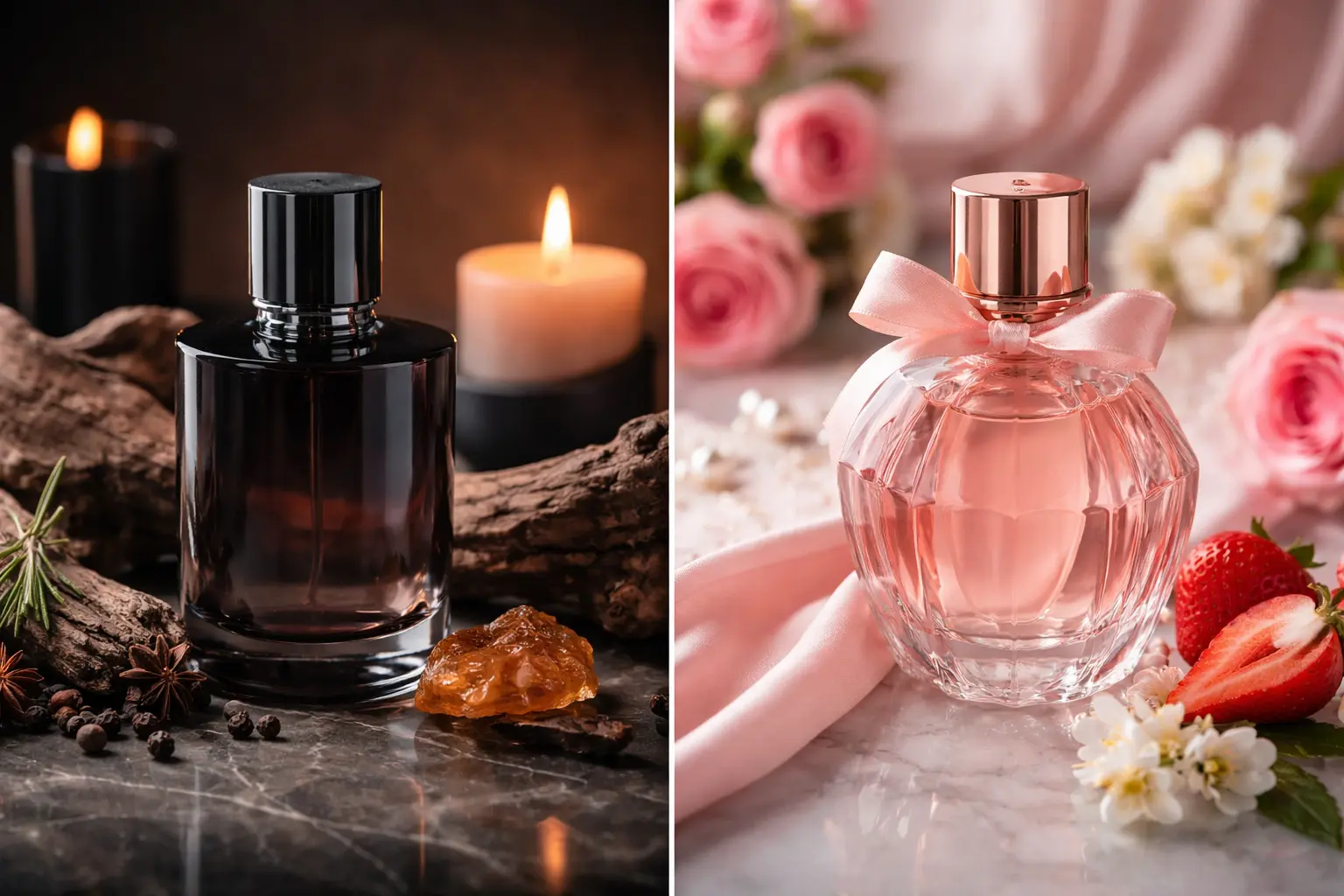
Floral notes? “Feminine.”
Woody or smoky notes? “Masculine.”
Yet, your brain doesn’t process scent that way.
In fact, this shift is closely tied to the rise of modern fragrance culture explored in Why Genderless Scents Are Rising — And What It Says About Us, where individuality is replacing outdated labels.
👉 Today, people choose scents based on:
- Mood
- Personality
- Context
- Emotional response
—not gender.
🪞 Perfume Is Identity, Not Category
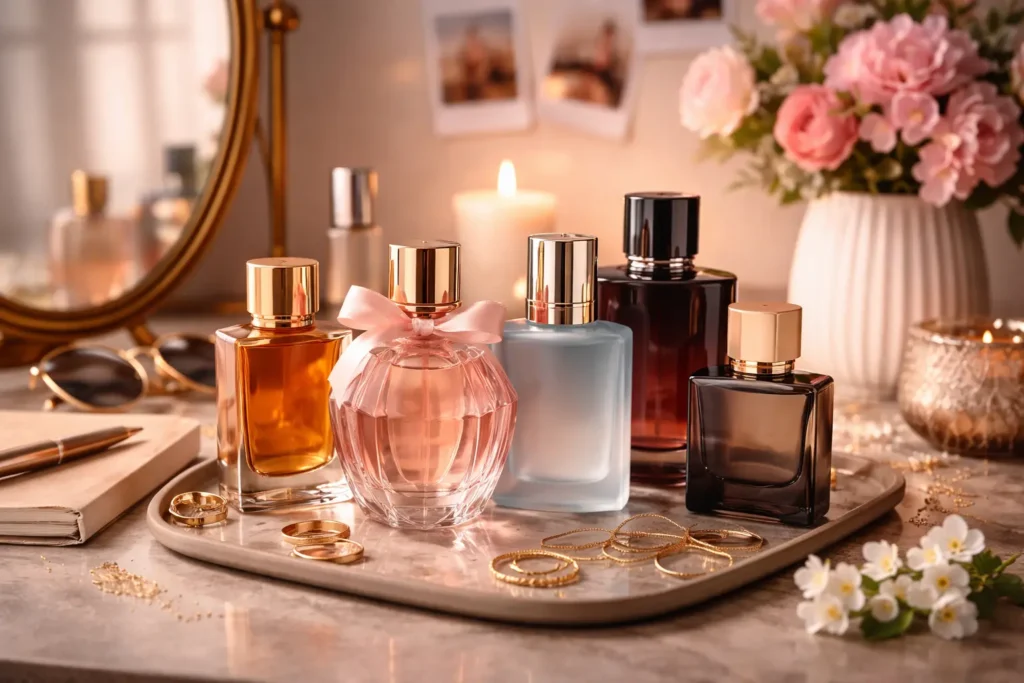
Fragrance is deeply personal.
It’s not about fitting into a predefined box—it’s about expressing who you are.
That’s why modern consumers are moving toward a more fluid understanding of scent, something explored in Perfume and Identity: The Invisible Expression. A fragrance can be bold, soft, mysterious, or comforting—regardless of who wears it.
💡 The shift is simple:
Perfume is no longer “for him” or “for her”
It’s for you
💞 Scent Connects People—Not Labels
One of the biggest reasons gendered perfumes are fading is that scent operates on a deeper level than categorization.
It influences:
- Attraction
- Comfort
- Emotional bonding
And this happens subconsciously.
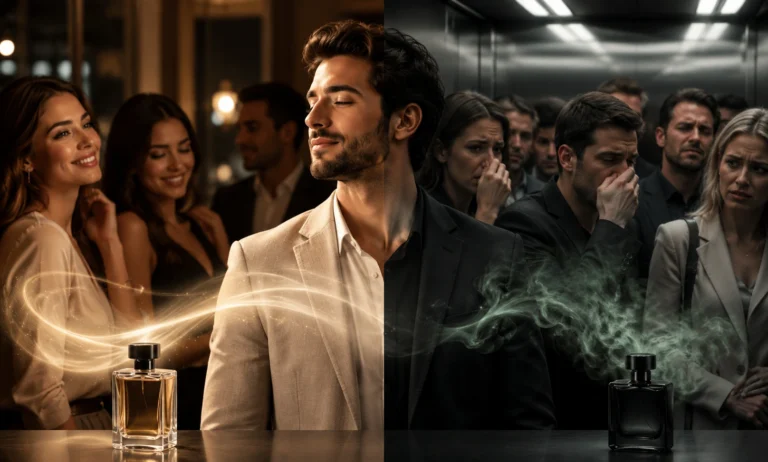
As explained in The Hidden Role of Smell in Human Connection, your scent can shape how others feel around you—without them even realizing it.
👉 And here’s the key:
People don’t respond to your fragrance as “male” or “female.”
They respond to how it makes them feel.
🧠 Your Brain Doesn’t Care About Gender Labels
Scent works beneath conscious thought.
It can influence decisions, impressions, and even trust—something explored in Can Perfume Influence Decision-Making?.
This means:
- A “feminine” scent on a man can feel warm and inviting
- A “masculine” scent on a woman can feel powerful and confident
The brain reacts to associations, not categories.
👉 Which makes gender labels… irrelevant.
🛍️ The Industry Is Changing (Finally)
Let’s be honest—gendered perfumes were incredibly profitable.
They encouraged:
- More product lines
- More targeted marketing
- More consumer segmentation
But modern consumers are becoming more aware.
As discussed in How Brands Use Scent to Shape Consumer Behavior, brands historically used scent to influence perception and buying behavior. Gender was just one of those tools.
Now, brands are shifting toward:
- “Unisex” collections
- Minimalist branding
- Emotion-driven storytelling
Because that’s what people actually want.
🧩 Why We Needed Labels in the First Place
Scent is hard to describe.
Unlike color or sound, we struggle to put smells into words—something explored in Why We Struggle to Talk About Smell.
So historically, labels like:
- “Fresh for men”
- “Sweet for women”
…were shortcuts.
👉 They helped people make quick decisions.
But today, with more educated consumers and online discovery, we don’t need those shortcuts anymore.
🌿 The Deeper Shift: Smell Beyond Categories
At its core, scent is one of the most abstract and emotional human senses.
It doesn’t follow rules.
This idea is beautifully explored in The Philosophy of Scent: Why Smell Is the Most Overlooked Sense, where scent is framed as something deeply personal, fluid, and impossible to fully categorize.
👉 Which makes one thing clear:
Gendered perfume categories were never natural.
They were imposed.
🔥 What This Means for You
This shift gives you freedom.
You can:
- Wear vanilla without worrying it’s “too feminine”
- Wear leather or oud without thinking it’s “too masculine”
- Choose based on feeling, not labels
And ironically, this often leads to better fragrance choices—because you’re finally listening to your own senses.
💣 Editor’s Choice: A Perfect “Gender-Free” Fragrance
🔥 What if you could experience the iconic “no-gender” luxury scent everyone talks about—without paying the luxury price?
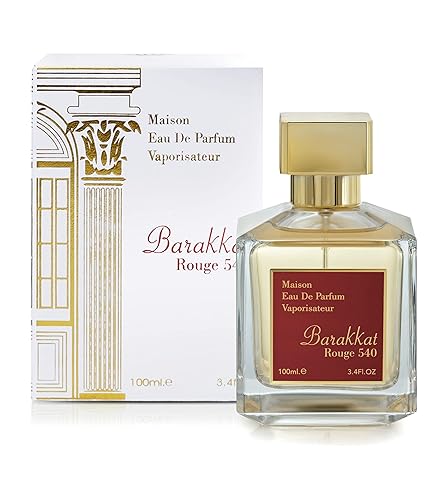
Barakkat Rouge 540 (Extrait de Parfum)
⭐ Rating: 4.3 / 5 🔥 Vibe: Sweet, airy, woody-amber luxury scent✔️ Inspired by Baccarat Rouge 540 ✔️ Long-lasting extrait concentration ✔️ Unisex and versatile ✔️ Budget-friendly niche alternative
💡 Why it fits this article:
This fragrance perfectly represents the shift away from gender labels—it’s designed to be worn by anyone, focusing on scent experience rather than categories.
👉 View Today’s Deal on Amazon 🔥
✔️ Smells different on every person
✔️ Works in any season
✔️ Loved by both men and women
✔️ High projection and long-lasting
❓ Frequently Asked Questions
1. Are gendered perfumes completely gone?
Not entirely—but they’re becoming less relevant. Many brands still use them, but consumer behavior is shifting toward unisex choices.
2. What does “unisex perfume” really mean?
It means the fragrance is not designed for a specific gender. Instead, it focuses on universal appeal and personal interpretation.
3. Can I wear any perfume regardless of gender?
Absolutely. Your skin chemistry and personal taste matter far more than any label.
4. Why were perfumes gendered in the first place?
Mainly for marketing and simplicity—to help consumers choose faster and to increase sales through segmentation.
5. Do men and women perceive scents differently?
There can be slight differences, but overall, perception is highly individual and influenced more by experience than gender.
🧭 Final Thought
The fall of gendered perfumes isn’t just a trend—it’s a cultural shift.
We’re moving from:
“What should I wear?”
to
“What feels like me?”
And that’s where fragrance becomes truly powerful.
💬 Interactive Question:
Do you still prefer gender-labeled perfumes, or have you started choosing scents purely based on how they feel?
Discover more from Perfume Cultures
Subscribe to get the latest posts sent to your email.