🧴 How Do Perfumes Get Their Names? The Surprising Stories You Didn’t Know
Perfume lovers often fall in love with a fragrance before even smelling it. A name can spark curiosity, emotion, or even nostalgia. Think about it: would a scent feel the same if it were called “Formula #27” instead of something poetic or provocative?
In the world of perfumery, fragrance names are not random. They are carefully crafted marketing tools, emotional triggers, and storytelling devices. Behind every iconic perfume name lies a strategy — sometimes artistic, sometimes psychological, and sometimes surprisingly commercial.
So how do perfumes get their names? And what surprising stories hide behind those elegant bottles on your shelf?
Let’s explore.
🌸 The Power of a Name in the Fragrance Industry
In the American fragrance market, branding is everything. A perfume name must:
- Capture attention instantly
- Reflect the scent’s personality
- Fit the brand identity
- Be memorable and easy to pronounce
- Evoke emotion
Perfume naming is part art, part psychology, and part strategy.
Luxury houses invest heavily in fragrance branding, often hiring marketing teams, linguists, and creative directors to develop the perfect name. Why? Because a strong perfume name can influence buying decisions before a customer even tests the scent.
🏛️ Some Names Come From History
Many classic perfumes borrow from history, culture, or mythology.
For example, Chanel No. 5 was not named after a flower or fantasy concept. Instead, it was reportedly chosen because the perfumer presented several samples numbered sequentially — and number five stood out.
Similarly, Dior Sauvage draws on the French word for “wild,” immediately evoking raw masculinity and nature.
These names aren’t random. They communicate identity, heritage, and positioning within the luxury fragrance industry.
💭 Some Names Tell a Story
Modern perfumery increasingly embraces storytelling. A perfume name might represent:
- A memory
- A fantasy
- A mood
- A city
- A romantic idea
For example, Yves Saint Laurent Black Opium suggests addiction, nightlife, and intensity. The name alone creates a cinematic atmosphere before the bottle is even opened.
This is deliberate. In the competitive U.S. fragrance market, consumers aren’t just buying scent — they’re buying emotion.
🔥 Provocative Names Sell
Some fragrance brands intentionally choose bold or controversial names to stand out.
Consider By Kilian Good Girl Gone Bad. The name immediately suggests rebellion and duality. Whether or not the fragrance matches the drama of the title, the intrigue drives curiosity — and curiosity drives sales.
In marketing psychology, this is called emotional activation. The name creates a story in the buyer’s mind, increasing engagement.
🌍 Geography as Inspiration
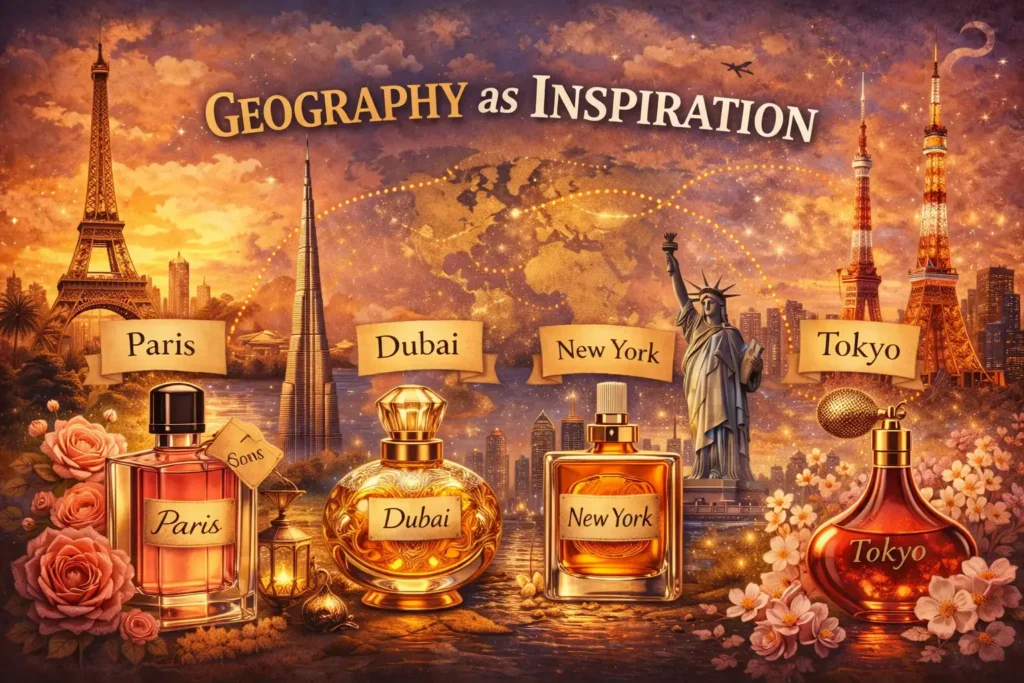
Many perfumes are named after cities or exotic locations.
Why? Because place names trigger imagination.
A fragrance named after:
- Paris suggests elegance
- Dubai suggests luxury
- New York suggests energy
- Tokyo suggests modernity
Geographic perfume names create mental imagery. This strategy works especially well in American markets where travel and lifestyle branding are powerful motivators.
🧠 The Psychology Behind Perfume Naming
Perfume naming relies heavily on consumer psychology.
1️⃣ Emotion Over Logic
Customers rarely buy perfume based on ingredients alone. Instead, they respond to how a name makes them feel.
2️⃣ Simplicity Wins
Short, memorable names are easier to recall.
3️⃣ Sensory Language
Words like “Velvet,” “Midnight,” or “Bloom” trigger sensory imagination.
In fragrance marketing, the name must act as the first impression. Before smelling, touching, or even seeing the bottle, the name sets expectations.
🏷️ Minimalist vs. Descriptive Naming
There are two major naming styles in perfumery:
| Style | Example | Strategy |
|---|---|---|
| Minimalist | Chanel No. 5 | Timeless and abstract |
| Descriptive | Black Opium | Emotional and story-driven |
Minimalist names often signal luxury and confidence. Descriptive names focus on mood and storytelling.
Both approaches can succeed — depending on brand positioning and target audience.
✨ Niche Perfumes and Creative Freedom
Niche fragrance brands tend to experiment more with naming.
Unlike mainstream commercial brands, niche houses often embrace:
- Long poetic titles
- Abstract concepts
- Dark humor
- Artistic references
For example, Maison Francis Kurkdjian Baccarat Rouge 540 combines exclusivity (“Baccarat”) with a mysterious number.
Niche perfume names often appeal to collectors who value uniqueness and artistic identity.
📈 Marketing Research Behind the Scenes
You might imagine perfume naming as a purely creative process. In reality, market research plays a significant role.
Before launching a fragrance in the U.S., brands often:
- Test name reactions in focus groups
- Check pronunciation ease
- Ensure cultural appropriateness
- Verify trademark availability
A name that works beautifully in Paris might confuse American consumers. Global fragrance branding requires cross-cultural awareness.
🧪 When Names Don’t Match the Scent
Sometimes, a perfume name creates expectations that the scent does not fulfill.
For example, a fragrance called “Ocean Breeze” might contain mostly sweet vanilla notes. This disconnect can affect customer satisfaction.
In today’s review-driven market, transparency matters more than ever. Fragrance houses must balance creativity with authenticity.
🏆 Iconic Examples and Their Impact
Let’s compare a few well-known perfume naming strategies:
| Perfume | Naming Type | Emotional Effect |
|---|---|---|
| Chanel No. 5 | Numerical | Timeless, classic |
| Sauvage | Adjective | Wild, masculine |
| Black Opium | Dramatic | Bold, addictive |
| Baccarat Rouge 540 | Exclusive | Mysterious, luxurious |
Each name shapes perception before the fragrance touches skin.
🧴 How Would You Name a Perfume?
If you were launching your own fragrance brand in the American market, consider these questions:
- What emotion should the name trigger?
- Is it easy to remember?
- Does it align with your brand identity?
- Will it stand out in search results?
In the age of SEO and online perfume reviews, discoverability matters. A unique yet searchable perfume name can improve visibility.
🌟 The Real Secret Behind Perfume Names
Here’s the surprising truth:
Perfume names are rarely about the ingredients.
They are about storytelling, positioning, aspiration, and emotional branding.
In many cases, the name is decided before the final formula is even complete. The concept comes first — the scent follows.
That’s the power of branding in modern perfumery.
🧭 Final Thoughts
The next time you browse a fragrance counter or scroll through online perfume reviews, pause for a moment. Look at the name before reading the notes.
Ask yourself:
- What image does it create?
- What emotion does it trigger?
- What lifestyle is it selling?
Perfume naming is not accidental. It is strategic, psychological, and often surprisingly complex.
And now that you know the stories behind fragrance names, you’ll never look at a perfume bottle the same way again.
💬 What Do You Think?
Have you ever bought a perfume because of its name alone? Or have you ever been disappointed when the scent didn’t match the story?
Share your thoughts — I’d love to hear your experience.
If you enjoyed discovering how fragrances get their names, you might also love exploring the cultural powerhouse that shaped much of modern perfumery.
In our in-depth article, The Secret Behind France’s Dominance in the Perfume World, we uncover how French heritage, branding philosophy, and centuries of craftsmanship influenced everything — from scent composition to the elegant naming strategies still used today.
It’s the perfect next read if you want to understand the deeper roots behind today’s fragrance storytelling.
Discover more from Perfume Cultures
Subscribe to get the latest posts sent to your email.