
🕌 Scent and Spirituality: Exploring the Use of Fragrance in Mosques
For many visitors stepping into a mosque for the first time, the experience is not only visual or auditory—it is deeply olfactory. A soft trace of incense, the warmth of oud, or the clean comfort of musk often fills the air. These scents are not accidental. In Islamic tradition, fragrance plays a meaningful spiritual role, shaping the atmosphere of worship and enhancing mindfulness.
In this article, we explore how scent and spirituality intersect in mosques, why fragrance has remained central to Islamic spaces for centuries, and how these practices resonate with modern audiences—especially those curious about the relationship between scent, ritual, and inner calm.
🌿 The Spiritual Power of Scent in Human Experience
Across cultures, scent has long been linked to memory, emotion, and spirituality. Scientific research confirms that smell is closely tied to the brain’s emotional center, which explains why certain aromas instantly evoke calm, focus, or reverence.
In religious settings, fragrance often acts as a sensory bridge—guiding the mind away from distraction and toward reflection. For American readers familiar with scented candles in meditation rooms or incense in churches and temples, the use of fragrance in mosques follows a similar universal principle: scent prepares the soul.
🕋 Why Fragrance Matters in Mosques
In Islam, cleanliness and beauty are closely connected to worship. Mosques are not just gathering places; they are spaces intended to reflect inner purity and respect for prayer.
Fragrance in mosques serves several purposes:
- Creating a welcoming and serene environment
- Encouraging mental focus during prayer
- Honoring the act of communal worship
- Reflecting prophetic traditions that valued pleasant scents
Rather than overwhelming the senses, mosque fragrances are typically subtle, designed to support spirituality rather than dominate it.
🌸 Traditional Scents Commonly Used in Mosques
Certain fragrances appear repeatedly in mosques across the Islamic world. These scents are chosen not for trendiness, but for their symbolic and sensory qualities.
🌿 Oud (Agarwood)
Often described as deep, woody, and meditative, oud is one of the most respected fragrances in Islamic culture. Its lingering presence creates a sense of gravity and reverence, making it ideal for sacred spaces.
🌼 Musk
Clean, soft, and comforting, musk is associated with purity and tranquility. It is frequently used to gently scent prayer areas without distracting worshippers.
🔥 Frankincense and Natural Incense
Burned in small amounts, incense helps establish a ritual atmosphere. The slow rise of scented smoke mirrors the idea of spiritual elevation.
These fragrances are not random choices—they align with the values of modesty, balance, and intention.
🧘 How Fragrance Enhances Spiritual Focus
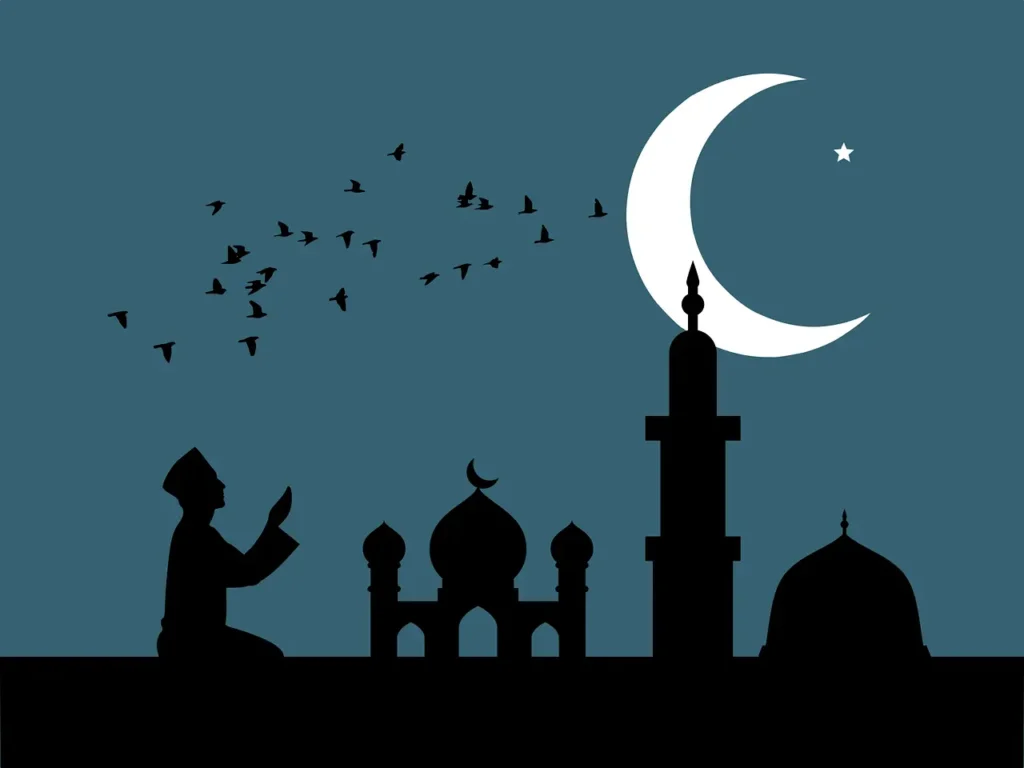
Prayer in Islam involves both physical movement and mental presence. Scent subtly supports this process by grounding attention in the present moment.
A familiar fragrance can:
- Reduce mental noise
- Encourage slower, deeper breathing
- Signal a transition from daily life to sacred time
For many worshippers, the scent of a mosque becomes part of their spiritual memory—instantly recognizable and emotionally reassuring.
🌍 Cultural Variations Across the Islamic World
While the spiritual meaning of fragrance remains consistent, regional preferences influence which scents dominate different mosques.
- Middle Eastern mosques often favor rich oud and incense
- North African mosques may lean toward herbal or resinous notes
- Southeast Asian mosques often feature lighter, fresher aromas
These variations show how local culture and global spirituality coexist, making the mosque experience both universal and personal.
🧠 A Perspective for American Readers
For American audiences exploring Islam through cultural or sensory lenses, fragrance offers an accessible entry point. You don’t need theological background to understand how scent affects mood and awareness.
In fact, many modern wellness practices—mindfulness, aromatherapy, meditation—mirror principles that have existed in mosques for centuries. The intentional use of fragrance demonstrates how spiritual environments are carefully designed to support inner stillness.
🧼 Cleanliness, Respect, and Moderation
It’s important to note that Islam emphasizes moderation in all things, including fragrance. Overpowering scents are discouraged, especially in shared spaces.
The goal is not luxury or excess, but consideration for others. This balance ensures that fragrance remains a tool for unity rather than distraction.
🌺 Fragrance as a Silent Language of Faith
Unlike spoken sermons or written texts, scent communicates without words. It creates an emotional backdrop that transcends language and culture.
In mosques, fragrance becomes a silent expression of devotion—a reminder that spirituality engages all the senses, not just the intellect.
If you’re interested in how scent influences sacred or emotional spaces beyond mosques, you may enjoy exploring one of our related articles titled Is Collecting Perfumes an Obsession or a Passion? It offers a broader perspective on the emotional and psychological relationship people build with fragrance over time.
❓ Final Thoughts
Fragrance in mosques is far more than tradition—it is an intentional practice that connects scent, spirituality, and human psychology. By understanding this relationship, we gain insight not only into Islamic worship, but into the universal power of scent to guide reflection and presence.
Have you ever experienced a place where scent deeply affected your mood or sense of calm?
We’d love to hear your thoughts—share your experience in the comments 👇
Discover more from Perfume Cultures
Subscribe to get the latest posts sent to your email.