
How Perfumes Shaped Islamic Civilization: A Journey from Andalusia to Baghdad
When people think of perfume history, they often jump straight to France or Renaissance Europe. Yet centuries before Grasse became a fragrance capital, the Islamic world was already shaping perfumery as a science, an art, and a cultural language. From the elegant courts of Andalusia to the intellectual heart of Baghdad, perfumes played a defining role in daily life, medicine, spirituality, and global trade.
This journey reveals how Islamic civilization didn’t just use fragrance—it refined it, preserved it, and passed it on to the modern world.
🌿 Fragrance as a Cultural Foundation in Islamic Society:
In Islamic civilization, perfume was never a luxury reserved for elites alone. It was woven into everyday life and moral values. Cleanliness, personal grooming, and pleasant scent were seen as reflections of inner discipline and respect for others.
Historical records describe widespread use of natural perfumes, scented oils, and incense across social classes. Markets sold musk, ambergris, rosewater, and sandalwood alongside food and textiles. Perfume culture became a shared social experience, not an exclusive one.
This deep cultural relationship laid the groundwork for systematic perfume development, something rarely seen elsewhere at the time.
🕌 Perfume and Spiritual Life:
One of the most powerful drivers of perfume innovation in Islamic civilization was religious practice. Mosques were often scented with incense, rosewater, or oud to create a calm, focused atmosphere. Personal fragrance was encouraged, especially before communal gatherings.
Unlike some cultures that associated scent with vanity, Islamic tradition viewed fragrance as enhancing dignity and mindfulness. This spiritual acceptance helped normalize and expand perfume use across regions, from North Africa to the Middle East.
As demand grew, so did experimentation with extraction techniques and scent blending.
🧪 Baghdad: The Scientific Heart of Perfumery:
At the center of this fragrance revolution stood Baghdad, the capital of the Abbasid Caliphate. More than a political hub, Baghdad was a global center of science, chemistry, and medicine.
Islamic scholars didn’t treat perfume as mystery—they treated it as chemistry.
One of the most influential figures was Al-Kindi, often called the father of Arab chemistry. He wrote detailed texts describing perfume recipes, distillation methods, and ingredient combinations. His work documented:
- Alcohol-based extractions
- Distillation of floral waters
- Systematic blending ratios
- Storage techniques to preserve scent
These writings transformed perfumery from craft into applied science, influencing generations of scholars—and eventually Europe.
🌹 Andalusia: Where East Met West Through Scent:
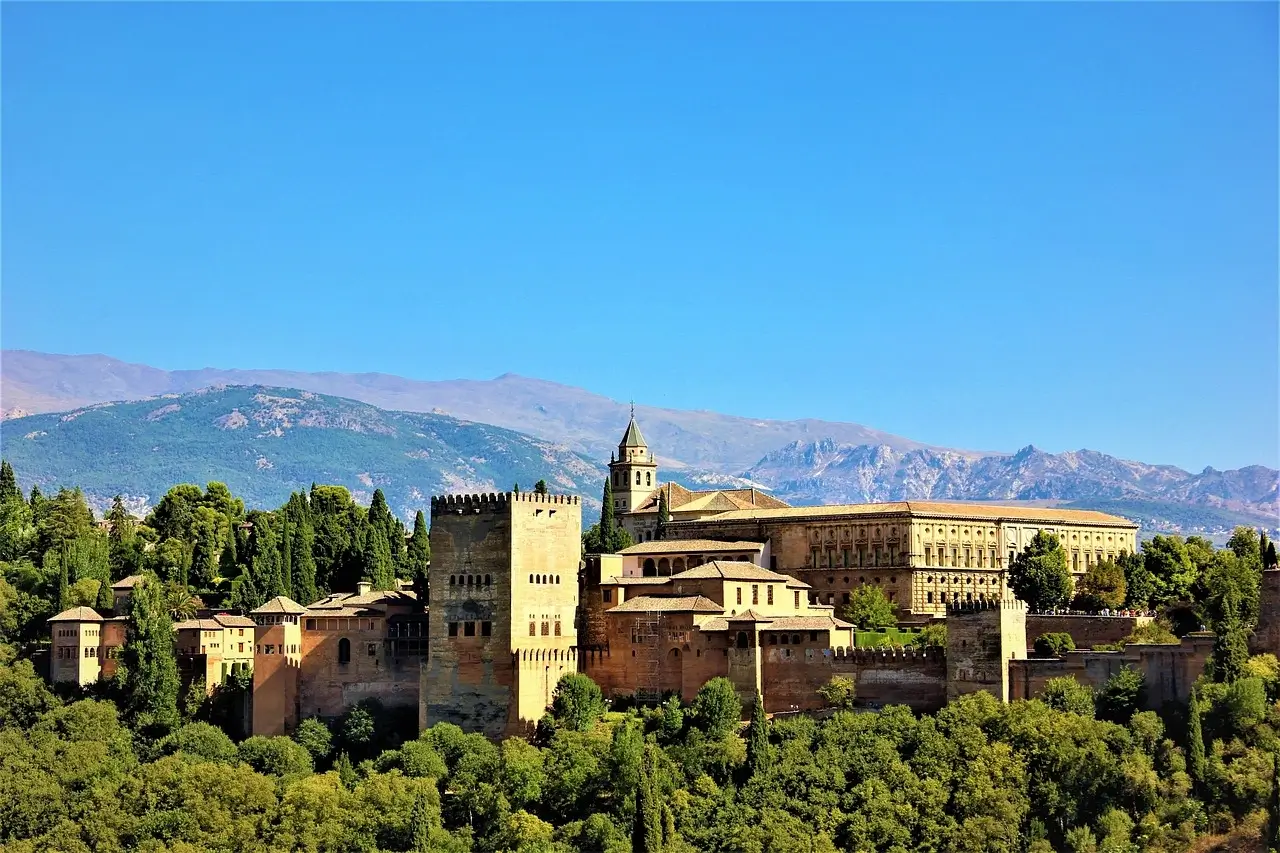
While Baghdad refined the science, Andalusia (Islamic Spain) became the cultural bridge between Islamic perfumery and Europe.
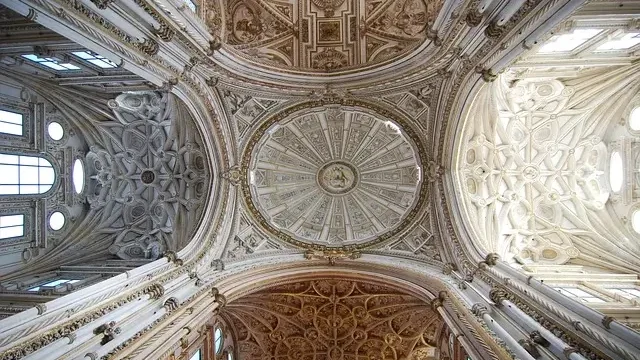
Cities like Córdoba and Granada were renowned for their gardens, baths, and palaces infused with fragrance. Rosewater fountains, citrus blossoms, and herbal oils shaped urban life. Perfume was not hidden—it was part of architecture and public space.
Andalusian perfumers adapted Eastern ingredients to Mediterranean climates, blending local botanicals with imported resins and spices. This fusion created new scent profiles that would later inspire European traditions.
🚿 The Rise of Scented Hygiene:
One of the most overlooked contributions of Islamic civilization is the connection between perfume and hygiene. Public bathhouses (hammams) were widespread and often incorporated scented oils, soaps, and steam infused with herbs.
These practices introduced the idea that fragrance belonged in daily cleanliness routines, not just ceremonies. When Europeans encountered these customs through Andalusia and the Crusades, they brought them home—slowly reshaping Western attitudes toward bathing and scent.
This shift directly influenced the later rise of scented soaps, colognes, and personal grooming products in Europe.
🧭 Trade Routes That Changed the World of Perfume:
Islamic civilization controlled vast trade networks connecting:
- India (spices, sandalwood)
- Southeast Asia (oud, resins)
- Africa (musk, ambergris)
- China (exotic aromatics)
Muslim traders didn’t just transport ingredients—they standardized quality, pricing, and knowledge. Perfume materials became reliable commodities rather than rare curiosities.
This global fragrance economy allowed consistent experimentation and innovation, giving Islamic perfumers access to materials no single region could produce alone.
📜 Preservation of Ancient Knowledge
Another critical contribution was preservation. Islamic scholars translated and expanded upon Greek, Roman, and Persian texts related to medicine and aromatics. Instead of copying blindly, they corrected errors, added observations, and tested formulas.
When Europe entered the Middle Ages, much of this knowledge would have been lost—if not for Arabic manuscripts later translated into Latin. Many European perfume and pharmaceutical traditions trace their roots directly to these texts.
In this way, Islamic civilization became the guardian of fragrance knowledge.
⚗️ Innovations That Still Shape Modern Perfumery:
Several techniques used today owe their existence to Islamic perfumers:
- Distillation of essential oils
- Alcohol-based perfume foundations
- Layered scent construction (top, heart, base)
- Botanical classification of aromatic plants
These methods are now standard in modern fragrance houses, from niche brands to global designers. The language may have changed—but the foundations remain.
🪔 Symbolism of Scent in Islamic Art and Literature
Perfume also carried symbolic meaning. Poetry from the Islamic Golden Age frequently used fragrance as a metaphor for memory, love, and divine beauty. Scents were associated with gardens, paradise, and spiritual reward.
This emotional connection elevated perfume beyond utility. It became a storytelling tool, influencing how fragrance is marketed and described even today.
🌍 From Islamic Civilization to the Modern Perfume Industry
By the time Renaissance Europe began developing its own perfume identity, it was building on centuries of Islamic innovation. Techniques learned through Andalusia and translated texts eventually reached Italy and France.
Without this foundation:
- Modern perfumery would have developed later
- Alcohol-based fragrances might not exist
- Ingredient trade networks would be fragmented
Islamic civilization didn’t just influence perfume—it accelerated its evolution.
If this journey through Islamic perfume history sparked your curiosity, you may enjoy exploring how specific regions refined fragrance traditions even further.
👉 Read next: “Ottoman Perfumers: The Hidden Masters Behind Fragrance Traditions”
Discover how Ottoman artisans transformed inherited knowledge into luxurious scent cultures that influenced Europe for centuries.
✨ Final Reflection
Perfume in Islamic civilization was never accidental. It was studied, refined, traded, and celebrated across continents. From the laboratories of Baghdad to the gardens of Andalusia, fragrance shaped daily life, spiritual practice, and scientific progress.
Understanding this history doesn’t just enrich our appreciation of perfume—it reminds us that modern fragrance owes a profound debt to a civilization that understood scent as both science and soul.
Discover more from Perfume Cultures
Subscribe to get the latest posts sent to your email.
2 Comments