

Why Scents Trigger Memories: The Powerful Link Between Smell and the Brain
Few experiences are as powerful as suddenly remembering a place, a person, or a moment in time just because of a specific smell.
You might catch the scent of vanilla, rain, or an old perfume, and instantly feel transported back to childhood, a holiday, or a special memory.
This phenomenon is not just emotional—it is deeply rooted in neuroscience and the way the human brain processes scent.
In this article, we’ll explore why scents trigger memories, how smell connects directly to the brain’s emotional centers, and why fragrances are often the strongest memory triggers compared to other senses.
🧠 The Science Behind Smell and Memory
The reason scents trigger memories lies in the unique way our brain processes smell.
When you inhale a fragrance, odor molecules travel through the nose and activate specialized smell receptors. These receptors send signals directly to a part of the brain called the olfactory bulb.
Unlike other senses, smell has a direct connection to two important brain regions:
- The amygdala – responsible for emotions
- The hippocampus – responsible for memory formation
Because these areas are closely linked, smell can trigger emotional memories almost instantly.
This is why a perfume worn years ago can suddenly bring back vivid memories of a person, place, or event.
If you’re interested in understanding why scents can instantly trigger powerful feelings and memories, you may also enjoy reading:
👉 Why Smell Is the Most Emotional Human Sense
This article explores the fascinating connection between scent, emotions, and the brain—revealing why smell is considered the most emotionally powerful of all human senses.
👃 Why Smell Is the Strongest Memory Trigger
Many scientists believe smell is the most powerful sense for memory recall. This phenomenon is often called the “Proust Effect.”
Compared to sight or sound, scents:
- Trigger memories more quickly
- Produce stronger emotional reactions
- Recall older memories more vividly
Researchers studying scent and memory found that smell-triggered memories often come from early childhood, which makes them feel especially emotional.
For example:
- The smell of sunscreen might remind someone of summer vacations.
- The scent of a certain perfume might bring back memories of a loved one.
- Freshly baked cookies might recall childhood holidays.
This is why perfume, cologne, and scented environments can become deeply associated with personal experiences.
🌸 Why Perfumes Create Long-Lasting Emotional Memories
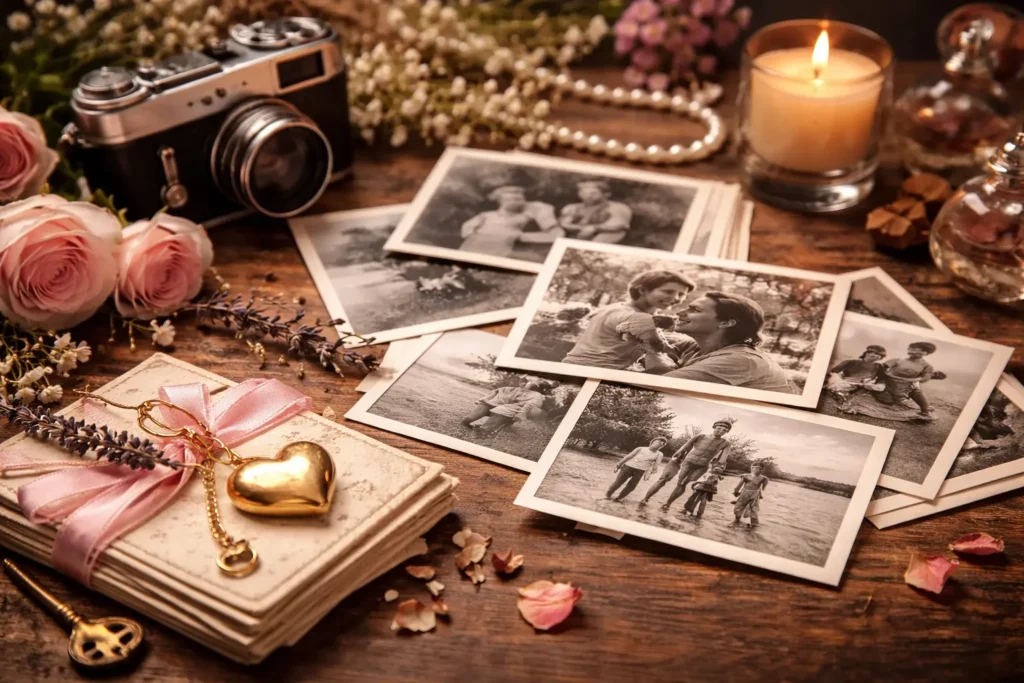
Perfumes are particularly powerful memory triggers because they are complex blends of scent molecules.
A single fragrance may contain dozens or even hundreds of aromatic compounds, each interacting with the brain’s smell receptors.
Over time, the brain begins to associate that scent combination with specific experiences, such as:
- A romantic date
- A wedding
- Traveling abroad
- A favorite family member
Years later, even a small hint of the same fragrance can activate the entire emotional memory.
This is one reason many people say “a certain perfume reminds me of someone.”
🧬 The Role of the Brain’s Limbic System
The key to understanding why smells trigger memories lies in the limbic system, a group of brain structures responsible for emotions and memory.
The limbic system includes:
| Brain Structure | Role in Scent Memory |
|---|---|
| Olfactory Bulb | Detects odor molecules |
| Amygdala | Processes emotions |
| Hippocampus | Stores long-term memories |
Because smell signals travel directly into this system, scent memories often feel:
- more emotional
- more vivid
- more nostalgic
This direct pathway is unique among the senses.
For comparison:
- Sight and sound must first pass through the thalamus before reaching emotional centers.
- Smell bypasses this step, making the reaction faster and more emotional.
🏠 Everyday Examples of Smell-Triggered Memories
Most people experience scent memories regularly in everyday life.
Common examples include:
The smell of rain (petrichor)
Brings back memories of childhood storms or walking outside after rainfall.
The scent of old books
Reminds people of school libraries or quiet reading spaces.
A familiar perfume
Can instantly remind someone of a friend, partner, or relative.
Food aromas
The smell of coffee, bread, or spices often recalls family meals.
These scent memories can feel surprisingly vivid—even decades later.
🧪 Why the Brain Stores Smell Memories So Strongly
Scientists believe smell memories are powerful because they combine three elements at once:
1️⃣ Sensory input (the smell itself)
2️⃣ Emotional reaction
3️⃣ Context of the moment
When these three factors occur together, the brain forms a very strong neural connection.
This is why certain scents can unlock memories you didn’t even realize you still had.
🌍 How Perfume Brands Use Memory Psychology
Interestingly, the fragrance industry often uses memory psychology when designing perfumes.
Many brands intentionally create scents that evoke:
- childhood comfort
- warm nostalgia
- exotic travel experiences
- romantic memories
For example:
- Vanilla often creates feelings of warmth and comfort.
- Citrus scents evoke freshness and energy.
- Woody notes often remind people of nature and calm environments.
- These scent choices help fragrances become emotionally memorable.
❓ Frequently Asked Questions About Scent and Memory
Why do smells trigger memories more than other senses?
Smells connect directly to the amygdala and hippocampus, the brain areas responsible for emotion and memory. Because of this direct connection, scent memories are often stronger and more emotional.
Why do perfumes remind us of people?
When someone regularly wears a fragrance, the brain begins to associate that scent with that person. Later, smelling the same fragrance can instantly recall memories of them.
What is the Proust Effect?
The Proust Effect refers to the phenomenon where a scent suddenly triggers vivid autobiographical memories. The name comes from the writer Marcel Proust, who described this experience in his literature.
Why do childhood smells feel especially nostalgic?
Childhood is when the brain forms many first-time emotional experiences, making smell memories from that period particularly strong and vivid.
✨ Final Thoughts
The connection between scent and memory is one of the most fascinating aspects of human perception.
Because smell is directly linked to the emotional centers of the brain, fragrances can instantly transport us back to moments we thought were long forgotten.
This is why perfumes are more than just pleasant aromas—they can become powerful emotional time capsules.
The next time a fragrance suddenly reminds you of a person, place, or moment in life, you’ll know it’s not just nostalgia—it’s the remarkable science of scent and memory at work.
💬 Now we’re curious:
Has a particular perfume or smell ever brought back a strong memory for you? Share your experience in the comments!
Discover more from Perfume Cultures
Subscribe to get the latest posts sent to your email.





4 Comments