Why the Same Perfume Smells Different on Everyone

Have you ever sprayed your favorite perfume on a friend and thought, “Wait, that doesn’t smell the same on me!” You’re not imagining things — the same perfume really can smell different on everyone. What seems like a simple fragrance is actually a complex chemical story that unfolds uniquely on each person’s skin.
Perfume is personal chemistry in action. From your skin’s natural oils to your diet and environment, many hidden factors influence how a fragrance behaves. In this article, we’ll explore why perfume smells different on different people, what affects the scent’s evolution, and how to choose a fragrance that truly matches you.
1. Your Skin Chemistry Is the Key Player:
Every person’s skin is a little chemical laboratory. The natural oils, pH level, and moisture of your skin directly affect how a perfume smells.
- Skin oils: Fragrances mix with sebum — the natural oil your body produces. If you have oily skin, your perfume will likely smell warmer, sweeter, and last longer.
- Dry skin: People with dry skin tend to have lighter scent projection because the fragrance evaporates faster. The same perfume might smell more powdery or faint.
- pH levels: Your skin’s acidity or alkalinity can alter certain scent molecules. For example, floral perfumes may become sharper on acidic skin and creamier on neutral or basic skin.
👉 Pro tip: Hydrate your skin before applying perfume — moisturized skin helps your scent last longer and stay truer to its intended aroma.
2. Body Temperature and Blood Flow Change Everything:
The warmth of your body plays a huge role in how perfume develops. Perfume molecules react to heat — the warmer the skin, the faster the top notes evaporate and the heart and base notes emerge.
- People with warmer body temperatures tend to have perfumes that “open up” quickly, revealing deeper notes sooner.
- Those with cooler skin may find that their perfume smells lighter and takes longer to evolve.
That’s why the same perfume can smell spicy and bold on one person and soft and airy on another.
For example, Le Labo Santal 33 might project strong woody notes on someone warm-skinned, while on another person, it leans more leathery and smoky.
3. Diet and Lifestyle Influence Your Natural Scent:
What you eat doesn’t just affect your body — it also affects how perfume interacts with your skin.
- Spicy or garlicky foods can subtly change your body odor, which influences how fragrances blend.
- High-protein diets can increase ammonia compounds that alter the sweetness of a scent.
- Fruits, vegetables, and water-rich diets tend to make your natural scent cleaner, allowing perfume notes to shine as intended.
Even habits like smoking, drinking alcohol, or using certain medications can modify your skin’s scent profile. That’s why a perfume that smells fresh and citrusy on your friend might turn musky or dull on you.
4. The Environment and Weather Matter More Than You Think:
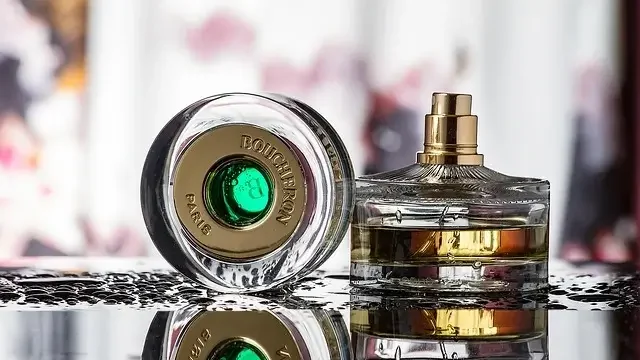
Perfume isn’t just chemistry — it’s physics, too. The temperature, humidity, and air quality around you can dramatically change how a fragrance behaves.
- In warm climates, scents become more intense because heat accelerates evaporation. You might notice stronger top notes but less longevity.
- In cold or dry air, the scent stays closer to the skin and lasts longer, but the top notes may appear muted.
- Humidity can amplify sweet or floral notes, making a perfume smell heavier or cloying.
This is why some people find their favorite perfume smells amazing in winter but overwhelming in summer.
👉 Tip: Adjust your perfume choice by season — light, citrusy scents for summer and deeper, woody or oriental notes for winter.
5. Hormones and Personal Biology Affect Scent Perception:
Your body’s hormones are constantly changing — and with them, your natural body chemistry. These subtle shifts can affect how you both emit and perceive scents.
- Menstrual cycles, pregnancy, or stress can change how your body reacts to perfume.
- During hormonal changes, your scent receptors may become more or less sensitive to certain notes like musk or floral tones.
- Even your sense of smell can vary day to day depending on mood, fatigue, and hormones.
That’s why a perfume you once loved might suddenly feel “off” — it’s not necessarily the perfume that changed, but you.
6. The Role of Fragrance Notes and Concentration:
Every perfume is built like a musical composition, with top, middle, and base notes — and they react differently depending on your skin.
- Top notes (like citrus or bergamot) are light and evaporate quickly. Skin temperature can make them fade faster or linger longer.
- Middle notes (like jasmine, rose, or spice) blend with your natural scent and vary the most between individuals.
- Base notes (like amber, vanilla, or wood) anchor the fragrance — they’re the most stable and often reveal the biggest personal difference.
The concentration also matters:
- Eau de Parfum lasts longer and interacts more deeply with skin oils.
- Eau de Toilette is lighter and may vary more between users due to faster evaporation.
So if your friend’s perfume smells sweeter or stronger, it might be because of both skin chemistry and perfume concentration.
7. Your Nose Interprets Scents Differently:

Even if two people wear the same perfume, they might not perceive it the same way. Our olfactory receptors — the sensors in our noses — are genetically unique.
- Some people are more sensitive to certain molecules like iso E super (common in modern perfumes such as Escentric Molecules 01).
- Others may be “nose-blind” to musk or amber notes, leading to a completely different experience.
This difference in perception explains why your favorite perfume might seem subtle to you but overpowering to someone else.
8. How to Choose a Perfume That Works for You:
Now that you know why the same perfume smells different on everyone, how do you find one that truly suits you? Here are a few tips:
- Test perfumes on your own skin, not on paper strips — that’s the only way to know how they’ll evolve on you.
- Wait at least 30 minutes after applying to let all the notes develop.
- Try before you buy: Wear a sample for a full day to see how it changes with your body chemistry.
- Consider your environment: If you live in a hot, humid place, go for lighter scents with citrus or aquatic notes.
- Trust your instincts: Don’t choose a perfume just because it smells good on someone else — it should smell amazing on you.
9. Can You Make a Perfume Smell the Same on You?
While you can’t completely control your skin chemistry, you can make perfume smell more consistent with these tricks:
- Moisturize first: Apply unscented lotion or petroleum jelly to create a neutral base.
- Spray on clothes or hair: Fabric and hair hold scent molecules differently, giving a more stable aroma.
- Avoid layering too many scented products: Soap, deodorant, and lotions can interfere with your perfume’s character.
- Store perfume properly: Keep it away from heat and sunlight to preserve its integrity.
With these steps, your perfume will smell closer to its original form — even if your skin has its own signature chemistry.
Final Thoughts:
The next time you wonder why your perfume smells different from your friend’s, remember — it’s not the fragrance, it’s you. Your body chemistry, diet, hormones, environment, and even your emotions all shape how scent unfolds on your skin.
That’s what makes perfume so fascinating. It’s not just a bottle of aroma; it’s a collaboration between art, science, and individuality. The same perfume tells a different story on every person — and that’s the true beauty of fragrance.
So wear your perfume proudly, knowing that no one else in the world smells exactly like you.
“Have you noticed your favorite perfume smelling different on you compared to others? Share your experience in the comments below — we’d love to hear your scent story!”
Discover more from Perfume Cultures
Subscribe to get the latest posts sent to your email.