
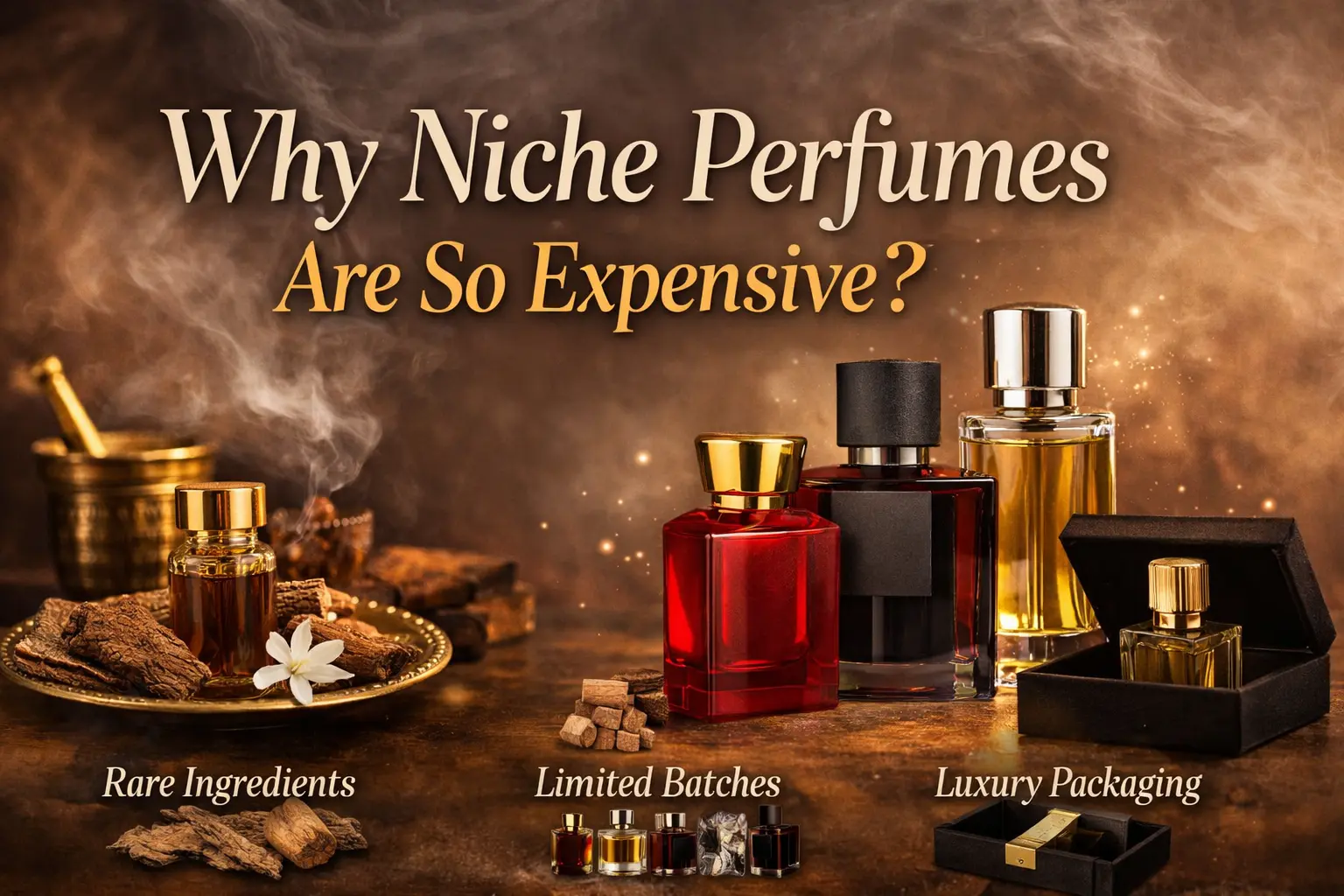
🧴 Why Niche Perfumes Are So Expensive?
In the world of fragrance, prices can vary dramatically. While many designer perfumes cost between $60 and $120, niche perfumes often reach prices of $200, $300, or even higher. For many fragrance enthusiasts in the United States, this raises an obvious question: why are niche perfumes so expensive?
The answer lies in several factors that distinguish niche perfumery from mainstream fragrance production. From rare ingredients and small-batch manufacturing to artistic freedom and exclusive branding, niche perfumes operate under a completely different philosophy than designer scents.
Understanding these factors helps fragrance lovers appreciate what they are truly paying for when they invest in a luxury scent.
🌿 What Is a Niche Perfume?
Before exploring the cost, it is important to understand what niche perfumes actually are.
A niche perfume is typically produced by a fragrance house that focuses primarily on perfume creation rather than fashion or cosmetics. Unlike designer brands that produce perfumes as one part of a larger business, niche brands dedicate their entire identity to fragrance artistry.
Examples of well-known niche perfume houses include:
- Nasomatto
- Byredo
- Parfums de Marly
- Amouage
- Maison Francis Kurkdjian
These brands are known for crafting fragrances that prioritize creativity, originality, and high-quality ingredients, often targeting fragrance collectors rather than mass markets.
🌸 Rare and High-Quality Ingredients
One of the biggest reasons niche perfumes are expensive is the quality of the ingredients used in their formulations.
Luxury fragrance houses frequently use:
- natural oud
- rare resins
- exotic flowers
- high-quality essential oils
- expensive aroma molecules
Some raw materials in perfumery are extremely costly. For example:
- Oud oil can cost thousands of dollars per kilogram
- Orris root (used for iris notes) requires years of aging
- Natural jasmine absolute requires thousands of flowers for a small amount of oil
Because niche perfume brands prioritize scent quality over cost reduction, they often choose ingredients that are simply too expensive for mass-market perfumes.
🧪 Small-Batch Production
Another major factor behind the high price of niche fragrances is small-batch production.
Designer perfumes are manufactured on a massive scale. Large companies can produce millions of bottles, dramatically lowering production costs through economies of scale.
Niche perfume houses operate very differently.
Many niche fragrances are produced in limited batches, sometimes only a few thousand bottles worldwide. Smaller production runs mean:
- higher cost per bottle
- more careful quality control
- limited distribution
This exclusivity is part of what makes niche perfumes attractive to collectors and fragrance enthusiasts.
🎨 Artistic Freedom and Creative Perfumery
Unlike commercial fragrance companies that rely heavily on market research and focus groups, niche perfume brands often allow perfumers complete artistic freedom.
This freedom encourages perfumers to explore bold ideas and unusual scent combinations such as:
- smoky incense with leather
- earthy woods with dark resins
- unconventional gourmand notes
- experimental aroma molecules
Because niche fragrances are designed as olfactory art, the development process can take years. The additional research, experimentation, and refinement contribute to the final price of the perfume.
📦 Premium Packaging and Brand Identity
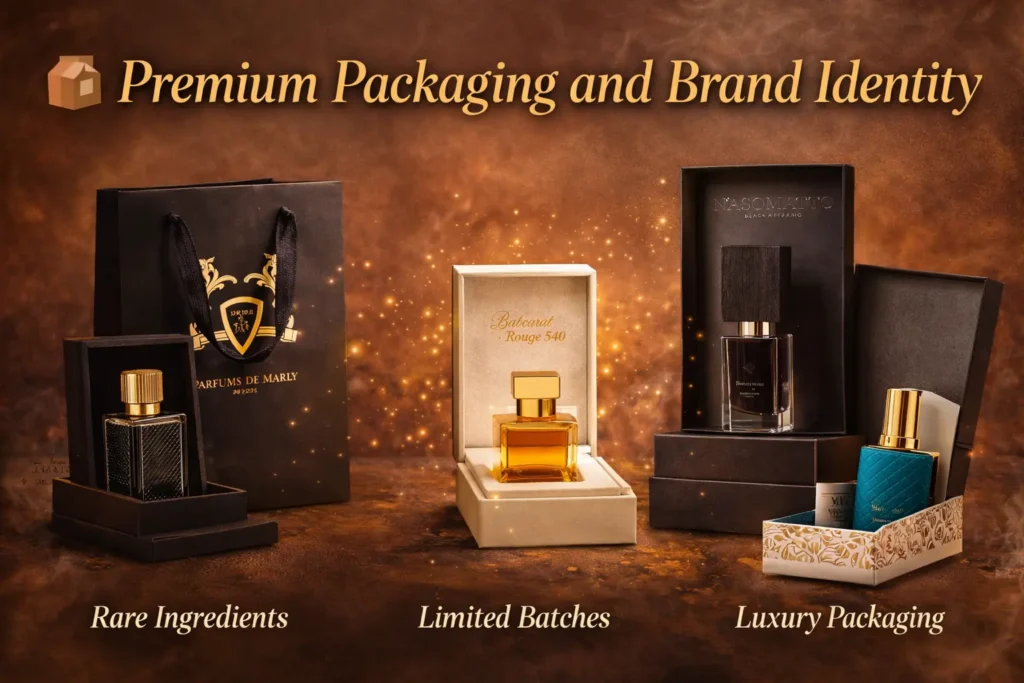
The presentation of niche perfumes also contributes to their higher price.
Many niche brands invest heavily in:
- handcrafted bottles
- heavy glass flacons
- artistic label design
- luxury packaging materials
These elements reinforce the perception of exclusivity and craftsmanship.
Unlike designer perfumes sold in large retail chains, niche fragrances are often distributed through boutique fragrance shops and specialty retailers, which further increases their price due to smaller sales volume.
📊 Niche vs Designer Perfumes
The difference between niche and designer fragrances becomes clearer when comparing key aspects of their production.
| Feature | Niche Perfumes | Designer Perfumes |
|---|---|---|
| Production scale | Small batches | Mass production |
| Ingredients | Often rare or natural | More synthetic blends |
| Creative freedom | High | Limited by market research |
| Distribution | Boutique retailers | Department stores |
| Price range | $150 – $400+ | $60 – $150 |
This table highlights why niche perfumes typically command higher prices than mainstream fragrances.
💎 Exclusivity and Fragrance Identity
Many perfume lovers are drawn to niche fragrances because they offer something that designer perfumes often cannot: individuality.
Designer fragrances are designed to appeal to millions of people. As a result, their scent profiles are usually safe and widely appealing.
Niche perfumes, however, embrace uniqueness. They may smell unusual, daring, or even polarizing. But for fragrance collectors, this uniqueness creates a sense of personal identity.
Wearing a niche fragrance often feels less like following a trend and more like expressing personal taste.
🧴 Are Niche Perfumes Worth the Price?
Whether niche perfumes are worth the cost ultimately depends on what a fragrance wearer values.
For someone who simply wants a pleasant everyday scent, a designer perfume may offer excellent value.
However, for fragrance enthusiasts who appreciate:
- rare ingredients
- artistic composition
- exclusivity
- craftsmanship
niche perfumes can feel like a worthwhile investment.
Many collectors compare niche perfumery to fine wine or luxury watches. The experience goes beyond functionality and becomes part of a broader appreciation for craftsmanship and creativity.
🔎 Trying Niche Perfumes Before Buying
Because niche perfumes can be expensive, many fragrance lovers prefer to sample them before committing to a full bottle.
Sampling allows you to explore different niche scents without spending hundreds of dollars immediately. One popular method is purchasing small fragrance portions known as perfume decants.
If you’re curious about how fragrance collectors test expensive scents before buying full bottles, you may enjoy reading our detailed guide:
👉 🧴 What Is a Perfume Decant? A Beginner’s Guide to Sampling Luxury Fragrances
This article explains how decants work and why they have become a popular way to explore niche perfumes without overspending.
❓ Frequently Asked Questions About Niche Perfumes
Why are niche perfumes more expensive than designer perfumes?
Niche perfumes are often more expensive because they use higher-quality ingredients, produce fragrances in smaller batches, and focus on artistic creativity rather than mass-market appeal.
Do niche perfumes last longer?
Not always, but many niche perfumes use higher concentrations of fragrance oils, which can contribute to better longevity and stronger projection.
Are niche perfumes better than designer perfumes?
“Better” depends on personal preference. Niche perfumes tend to prioritize creativity and uniqueness, while designer perfumes focus on broad consumer appeal.
Are niche perfumes worth buying?
For fragrance enthusiasts who enjoy unique scent profiles and luxury craftsmanship, niche perfumes can be well worth the price.
✨ Final Thoughts
The high price of niche perfumes reflects a combination of factors: rare ingredients, small-scale production, artistic creativity, and exclusive branding.
For many fragrance enthusiasts, niche perfumes represent more than just a pleasant scent—they are a form of olfactory art that celebrates craftsmanship and individuality.
However, exploring niche fragrances does not have to begin with a full bottle purchase. Sampling through decants allows you to discover these luxurious scents in a more affordable and practical way.
So before investing in an expensive niche fragrance, consider sampling first—and you might discover a scent that truly feels like your signature.
💬 What do you think?
Do you believe niche perfumes justify their high prices, or do you think designer fragrances offer better value?
Share your thoughts in the comments—we’d love to hear your perspective!
Discover more from Perfume Cultures
Subscribe to get the latest posts sent to your email.



One Comment