Why Is Bleu de Chanel Called “Bleu”? The Meaning Behind the Name
Bleu de Chanel is one of those fragrance names that sounds simple until you stop and think about it. Why “Bleu”? The fragrance is not literally blue, and the name does not describe one obvious ingredient such as rose, oud, or vanilla. Yet it immediately communicates a mood: cool confidence, polished freshness, depth, and modern masculinity without being loud.
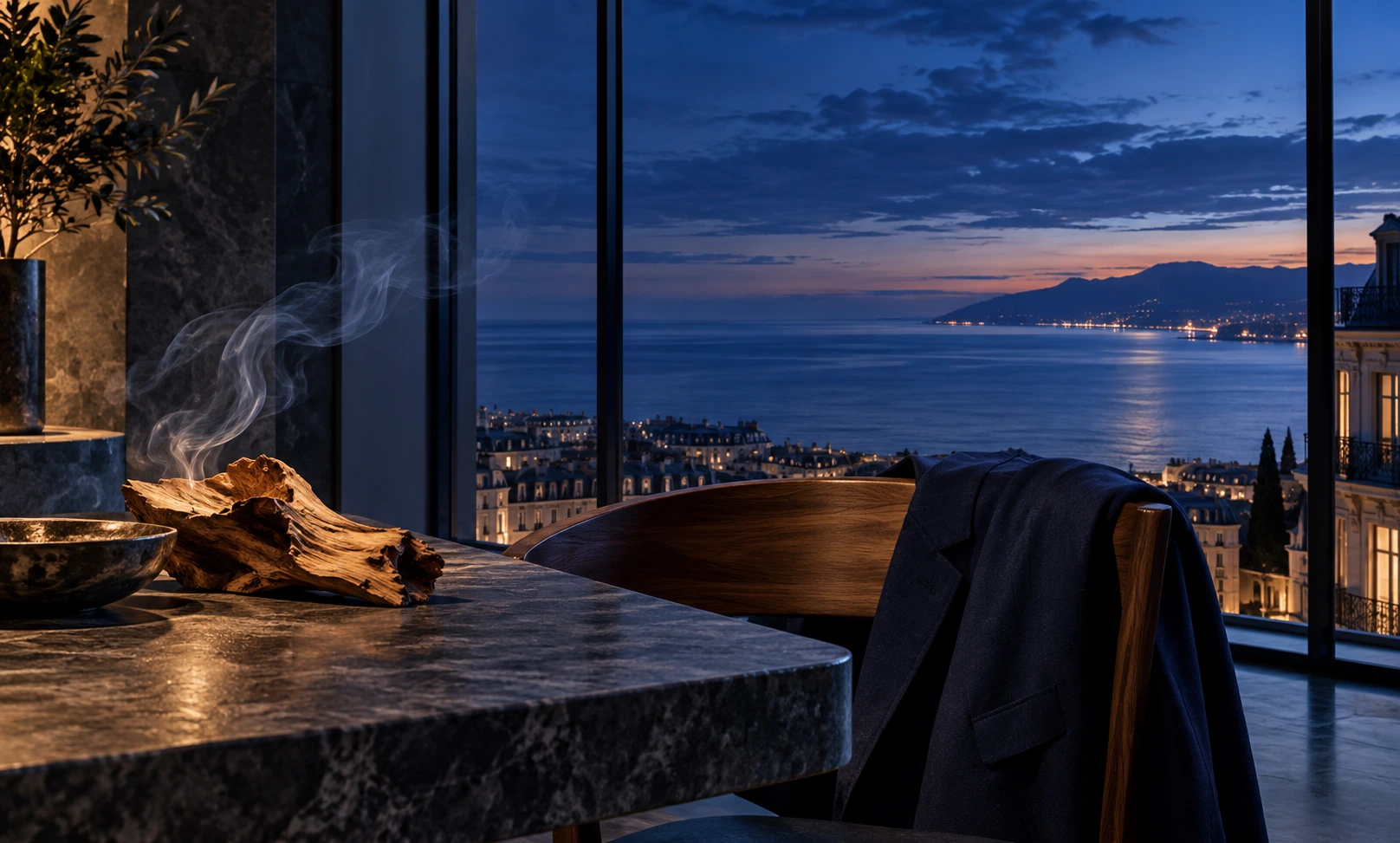
That is the power of the name. “Bleu” is less about a color and more about an atmosphere. It suggests open sky, deep water, a dark tailored jacket, and a man who looks composed without appearing to try too hard. The scent was designed to feel clean and accessible, but never ordinary.
✨ Why Is Bleu de Chanel Called “Bleu”?
Bleu de Chanel is called “Bleu” because Chanel used the word to express a modern, fresh, deep, and elegant masculine identity—not to describe the literal color of the fragrance. The name reflects the scent’s balance of bright citrus freshness, aromatic woods, and darker smoky-incense depth.
In fragrance, blue is often associated with clean air, freshness, versatility, and a put-together feeling. Chanel used that idea in a more refined way. Bleu de Chanel is not simply a light aquatic scent; it moves from crisp and energetic to dry, woody, and quietly mysterious.
That contrast is exactly why the name works. It feels fresh enough for daytime, yet deep enough for the evening.
🎨 “Bleu” Is a Mood, Not a Color
The word bleu means “blue” in French, but Chanel chose it as an emotional signal. Blue can feel calm, confident, elegant, and slightly distant. It can suggest a clear blue sky, but also midnight blue—an image that feels richer, more formal, and more mature.
Bleu de Chanel uses both sides of that image. Its opening feels bright and open, while its dry-down becomes more grounded and intimate. This makes the fragrance feel flexible rather than locked into one season, age group, or occasion.
| What “Bleu” suggests | How Bleu de Chanel expresses it |
|---|---|
| Freshness | Citrus and aromatic brightness in the opening |
| Confidence | A clean, composed scent profile that never feels chaotic |
| Depth | Dry woods, incense-like warmth, and a more serious base |
| Versatility | A style that fits work, casual wear, dates, and formal settings |
| Quiet luxury | Smooth blending rather than loud sweetness or aggressive projection |
The name also avoids being too descriptive. A title such as “Citrus Woods” would tell you what is inside the bottle, but it would not create the same world. “Bleu” gives the fragrance room to feel personal. One wearer may see it as fresh and professional; another may experience it as dark, sensual, and elegant.
🖤 The Chanel Identity Behind the Name
Chanel has always been strongest when it creates an identity rather than merely selling a product. The brand’s best-known names are short, memorable, and emotionally loaded. Bleu de Chanel follows that tradition.
The name is deliberately restrained. It does not promise extreme seduction, explosive performance, or a wild nightlife personality. Instead, it presents a more subtle message: you can smell refined, capable, and attractive without wearing something difficult or attention-seeking.
That decision made the fragrance feel contemporary when it arrived, but it also helped it age well. Trends change quickly, while a clean, elegant, woody style remains easy to wear. The name “Bleu” gave Chanel a visual and emotional language that could grow with the fragrance line rather than limiting it to one scent profile.
For the full evolution from the original release to the later flankers, see The History of Bleu de Chanel: Complete Release Timeline.
🌿 How the Scent Actually Smells “Blue”
Bleu de Chanel does not smell like seawater, blue flowers, or a single “blue” ingredient. Its blue character comes from contrast: bright freshness over darker structure.
The opening gives the scent energy. Then the composition settles into aromatic, woody, and subtly warm territory. This development makes it feel more polished than a simple shower-fresh fragrance and more wearable than a very dark, heavy woody scent.
If you want the complete scent profile in plain language, read What Does Bleu de Chanel Smell Like?.
🧪 How Do the Notes Create the “Bleu” Effect?
Bleu de Chanel smells “blue” because its notes create a balance between brightness and depth. Fresh citrus and aromatics give it an open, clean feeling, while woods and incense-like nuances make it feel darker, smoother, and more sophisticated as it dries down.
The fragrance does not rely on one dramatic note. Its appeal comes from the transition between different textures. It starts bright, then becomes drier, calmer, and more refined on skin. That is why many people describe it as versatile: it has enough freshness for daytime but enough warmth for dinner, a date, or a formal event.
| Scent element | The feeling it adds | Why it supports the “Bleu” name |
|---|---|---|
| Citrus freshness | Clean, bright, energetic | Creates the open-air and confident first impression |
| Aromatic notes | Crisp, masculine, polished | Keeps the freshness elegant instead of sporty |
| Woody notes | Dry, structured, mature | Gives the fragrance weight and lasting character |
| Incense-like depth | Smoky, smooth, slightly mysterious | Adds the midnight-blue side of the scent |
| Clean musky warmth | Comfortable, modern, wearable | Helps the composition feel effortless rather than heavy |
For a closer look at what each part of the composition contributes, visit Bleu de Chanel Notes Explained.
The darker side matters just as much as the fresh side. Without it, Bleu de Chanel could have been another pleasant clean designer fragrance. The dry woods and incense-like character give it more authority and make the scent feel distinctly Chanel. If this is the facet you notice most, Why Does Bleu de Chanel Smell Woody, Smoky, or Incense-Like? explains it in greater depth.
🌊 How “Bleu” Became a Fragrance Category
Before Bleu de Chanel, fresh masculine fragrances certainly existed. But Bleu de Chanel helped define what many people now expect from a modern “blue fragrance”: clean freshness, woody depth, crowd-pleasing versatility, and a polished masculine image.
Over time, many brands created fragrances built around similar ideas. Some became sweeter, louder, more aquatic, or more synthetic in style. Others focused heavily on citrus or ambroxan-style brightness. Bleu de Chanel remained influential because it kept a sense of restraint. It does not need to shout to feel present.
Its impact is one reason the word “blue” now means more than a color in fragrance discussions. It often describes a whole family of easy-to-wear, fresh-woody scents aimed at people who want reliability without boredom.
To see the broader influence in detail, read How Bleu de Chanel Influenced Modern Blue Fragrances.
📈 Why the Name Helped Make It So Popular
A successful fragrance needs more than a good smell. It needs a message people can understand quickly. “Bleu de Chanel” is elegant, easy to remember, and instantly connected to the Chanel name. It sounds premium without sounding complicated.
More importantly, the fragrance delivers on what the name suggests. People expect something fresh, stylish, and modern—and they receive a scent that feels appropriate in many real-life situations. That consistency built trust. It became a safe recommendation for someone buying their first luxury fragrance, a dependable signature scent for professionals, and an easy gift choice.
Popularity has also made the fragrance familiar. But familiar does not mean poor quality. In everyday life, its recognizability often reflects how reliably it creates a clean, attractive, well-dressed impression.
For the full reasons behind its global success, see Why Did Bleu de Chanel Become So Popular?.
🛍️ Which Bleu de Chanel Version Best Fits the “Bleu” Idea?
Each version interprets the name slightly differently. The original Eau de Toilette is the brightest and most immediately fresh. Eau de Parfum adds more richness and depth. Parfum feels smoother and more refined, while L’Exclusif takes the concept in a darker, more luxurious direction.
| If you want “Bleu” to feel… | Best direction to explore |
|---|---|
| Bright, crisp, and energetic | Eau de Toilette |
| Balanced, versatile, and confident | Eau de Parfum |
| Smooth, mature, and quietly elegant | Parfum |
| Darker, richer, and more exclusive | L’Exclusif |
The right version depends on what you want the name “Bleu” to mean on your skin. Some people want fresh confidence for work and everyday wear. Others want the richer, more intimate side for evenings and colder weather. The important point is that every version keeps the same core idea: modern elegance with more depth than its clean opening first suggests.
❓ Frequently Asked Questions
Does “Bleu” mean Bleu de Chanel is an aquatic fragrance?
Not exactly. It has a fresh, airy quality, but it is primarily a citrusy, aromatic, woody fragrance with deeper smoky and incense-like facets. It is more refined and structured than a typical aquatic scent.
Is Bleu de Chanel named after the bottle color?
The dark-blue bottle supports the concept, but the name represents the fragrance’s overall mood and identity. “Bleu” is meant to suggest freshness, depth, confidence, and understated elegance.
Why are blue fragrances so popular?
They are usually easy to wear, broadly appealing, and suitable for many occasions. Bleu de Chanel helped make the fresh-woody blue-fragrance style especially desirable because it added polish and depth to that accessible formula.
Which version smells the most sophisticated?
Many people find Parfum and L’Exclusif the most mature and refined because they emphasize the smoother, darker, woodier side of the Bleu de Chanel identity.
✨ Final Verdict: “Bleu” Is Chanel’s Idea of Modern Elegance
Bleu de Chanel is called “Bleu” because the name captures a feeling, not a literal color. It represents brightness without being childish, depth without becoming heavy, and masculinity without needing to be loud.
That is why the name remains so effective. It prepares you for the fragrance before you ever smell it: clean, controlled, confident, and quietly luxurious. Whether you prefer the fresh EDT, the versatile EDP, the smoother Parfum, or the darker L’Exclusif, each version builds on the same enduring idea of what “Bleu” can be.
Discover more from Perfume Cultures
Subscribe to get the latest posts sent to your email.