The Science Behind Why Certain Scents Make Us Happy
Why does the smell of fresh citrus feel energizing, while vanilla or soft musk creates a sense of comfort and calm? The answer lies in a powerful intersection of chemistry, neuroscience, and human emotion. Unlike any other sense, smell bypasses logical processing and connects directly to the emotional core of the brain—making it one of the most influential triggers of happiness.
🧪 How Scent Interacts with the Brain
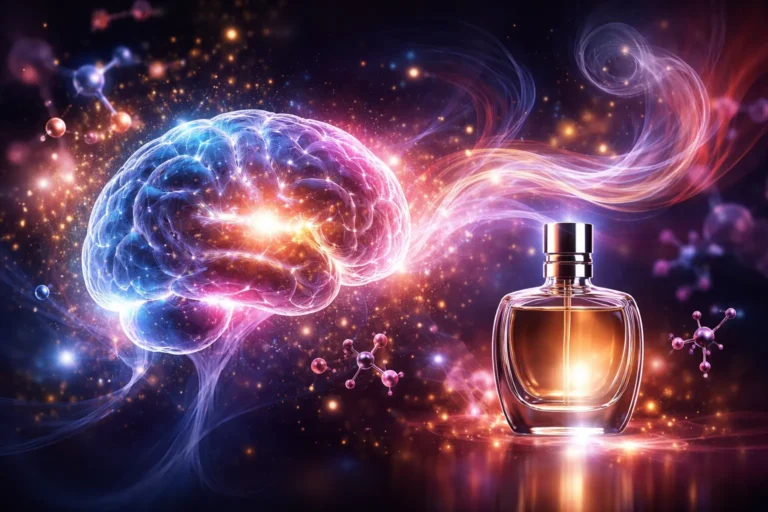
To understand why certain scents make us happy, we first need to understand how smell actually works. When you inhale a fragrance, tiny odor molecules travel through the nose and bind to olfactory receptors. These receptors send signals directly to the brain—specifically to the olfactory bulb, which is closely linked to the limbic system.
This biological pathway is explained in detail in How Perfume Works: The Science Behind Fragrance, Molecules, and Human Smell, where scent is not just perceived—it is experienced at a neurological level.
Unlike sight or sound, smell does not pass through a rational filter first. Instead, it reaches areas responsible for emotion and memory almost instantly. This direct access is the key to understanding why certain scents can immediately shift our mood.
❤️ The Emotional Power of Smell
Smell is often described as the most emotional human sense—and for good reason. The limbic system, which processes emotions such as joy, fear, and comfort, is directly activated by scent signals.
This is why a simple fragrance can:
- Instantly calm anxiety
- Trigger a feeling of nostalgia
- Create a sense of warmth or happiness
In Why Smell Is the Most Emotional Human Sense, this connection is explored in depth, showing how scent doesn’t just accompany emotions—it actively shapes them.
🧠 The Memory Connection: Why Familiar Scents Feel Good
One of the strongest explanations for scent-induced happiness lies in memory. When you encounter a smell that your brain has previously associated with a positive experience, it reactivates that emotional memory.
For example:
- The smell of sunscreen might remind you of relaxing beach vacations
- A floral note may bring back memories of a loved one
- Warm gourmand scents can evoke childhood comfort
This phenomenon is known as associative memory and is explored further in Why Scents Trigger Memories. The brain does not separate smell from emotion—it stores them together, making certain scents powerful emotional shortcuts.
🤝 Social and Psychological Comfort

Happiness triggered by scent is not only internal—it is also social. Certain smells can make us feel safer, more connected, and more comfortable around others.
Subtle, clean, or skin-like fragrances often create:
- A sense of trust
- Emotional warmth
- Increased likability
This is why scent plays a hidden but crucial role in human interaction, as discussed in The Hidden Role of Smell in Human Connection. A pleasant scent doesn’t just affect how we feel—it influences how others feel around us.
🧬 Personal Identity and Emotional Alignment
Not all scents make everyone happy in the same way. What feels uplifting to one person may feel overwhelming or unpleasant to another. This is because scent preference is deeply tied to identity, experience, and even culture.
When a scent aligns with your personality or self-image, it creates a sense of emotional harmony. You’re not just smelling something pleasant—you’re recognizing something that feels like you.
This idea is explored in Perfume and Identity: The Invisible Expression, where fragrance becomes a reflection of who we are rather than just what we wear.
🌿 Why Certain Notes Are Commonly Associated with Happiness
Although scent perception is personal, some fragrance families are widely linked to positive emotions:
| Scent Type | Common Effect |
|---|---|
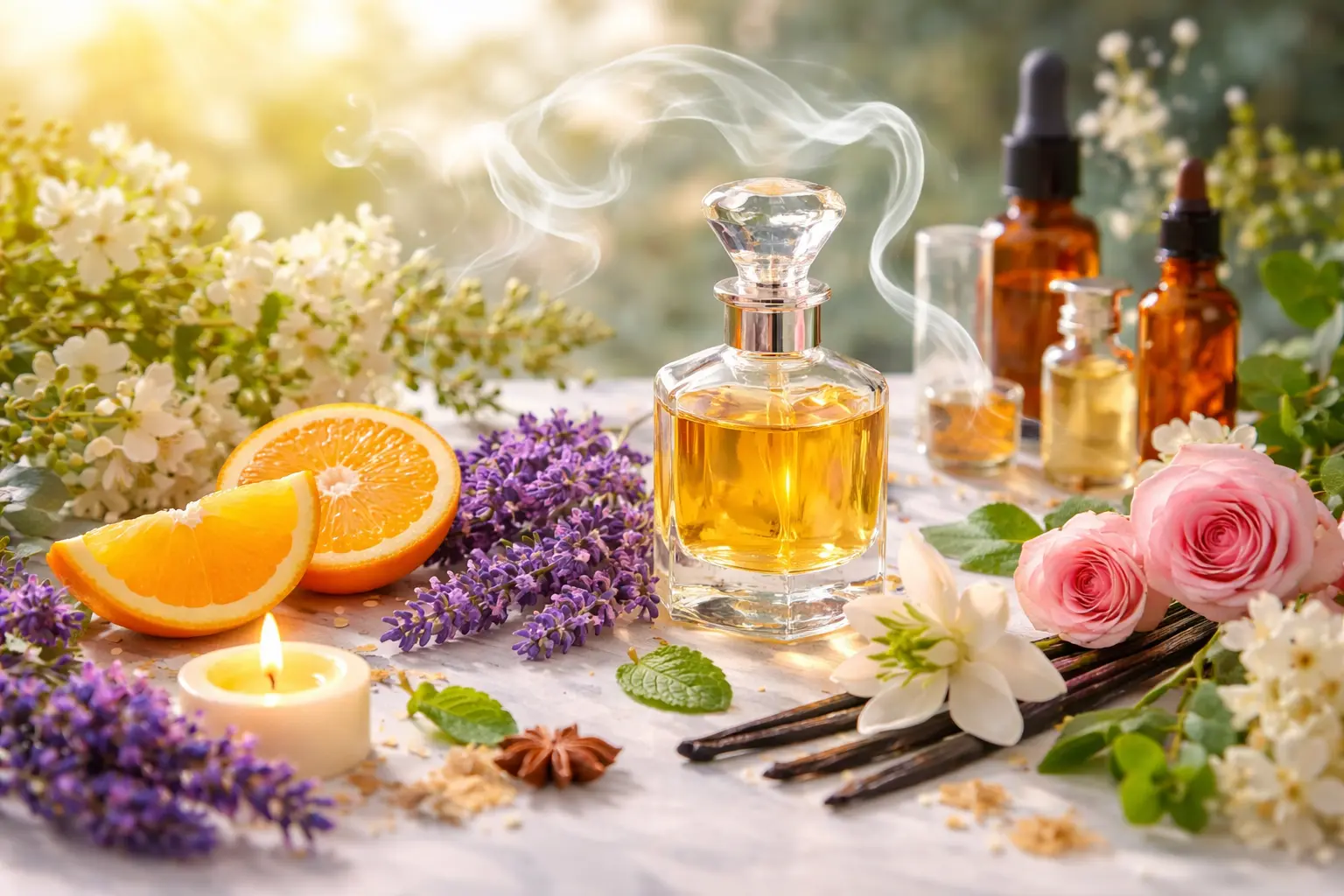
| Citrus (lemon, orange) | Energy, freshness, mental clarity |
| Vanilla & Gourmand | Comfort, warmth, relaxation |
| Floral (rose, jasmine) | Romance, softness, emotional balance |
| Woody (sandalwood, cedar) | Grounding, calm, stability |
These associations are partly biological and partly learned, shaped by repeated positive exposure over time.
❓ Frequently Asked Questions (FAQ)
Why do some scents instantly improve mood?
Because scent signals go directly to the brain’s emotional center, bypassing logical processing. This allows for immediate emotional reactions.
Are “happy scents” universal or personal?
They are mostly personal. While some scent types are broadly associated with positive feelings, individual experiences and memories play a major role.
Can scent be used intentionally to improve mood?
Yes. This is the basis of aromatherapy and personal fragrance use—choosing scents that align with desired emotional states.
Why do certain smells remind me of specific moments?
Because the brain stores scent and memory together. When you smell something familiar, it reactivates the emotional memory linked to it.
Can wearing a fragrance change how I feel about myself?
Absolutely. When a scent aligns with your identity, it can enhance confidence, comfort, and emotional well-being.
🧩 Final Insight
Happiness triggered by scent is not random—it is the result of a deeply integrated system involving biology, memory, emotion, and identity. Every time you experience a scent you love, your brain is not just reacting—it is recognizing, remembering, and reconnecting.
💬 Final Thought for the Reader
What is the one scent that instantly makes you feel happier—and what memory or emotion do you think it’s secretly connected to?
Discover more from Perfume Cultures
Subscribe to get the latest posts sent to your email.