
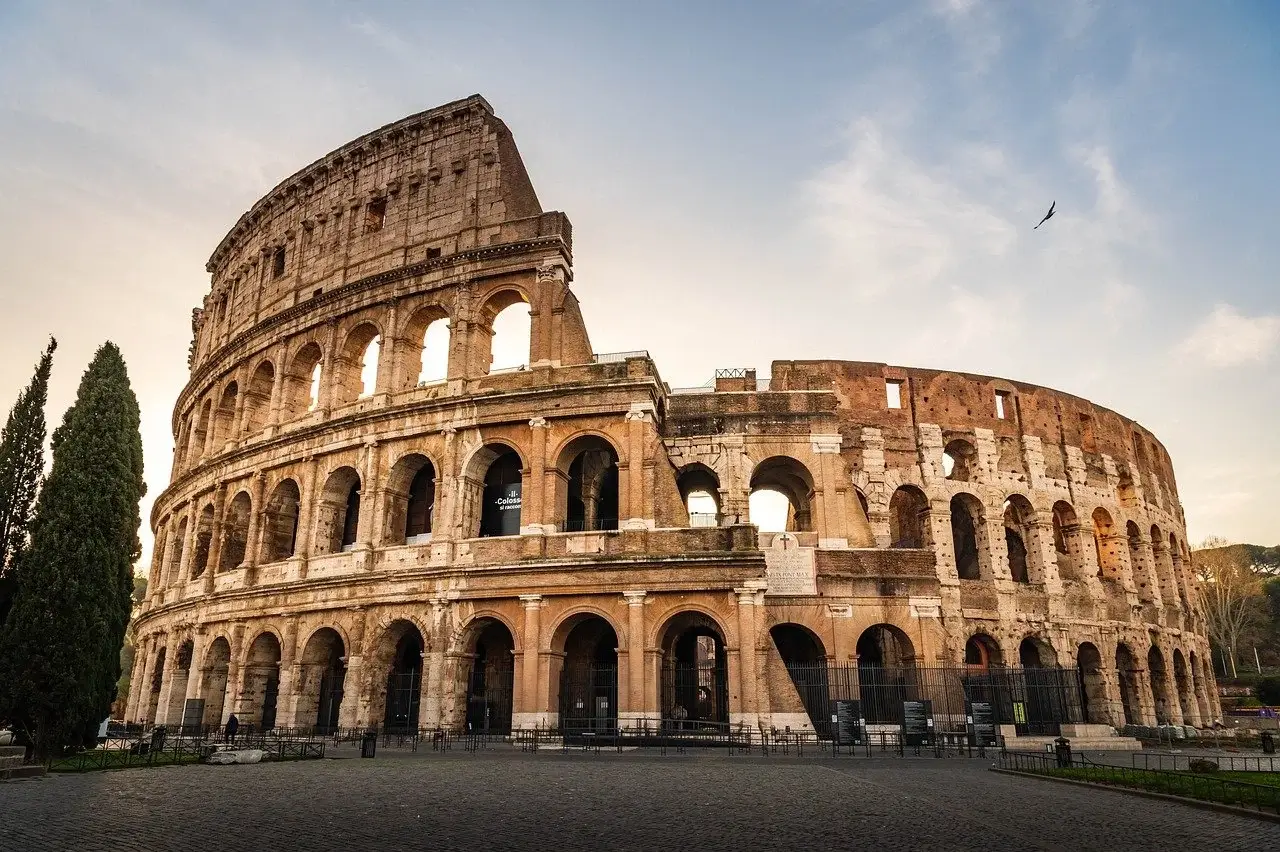
🇮🇹 Discover the Secrets Behind Italy’s Iconic Perfume Houses

Italy—the land of art, passion, and timeless beauty—has given the world more than just fashion and fine cuisine. Hidden within its historic streets and sun-soaked hills lies another form of artistry: Italian perfumery. From Florence to Milan, Italian perfume houses have mastered the delicate balance between tradition and innovation, creating fragrances that are both emotional and unforgettable.
This article reveals what makes Italian perfume brands stand out, how their philosophy differs from other nations, and why their creations continue to captivate perfume lovers across the globe.
🕰️ A Legacy Rooted in Renaissance Art:
Italian perfumery is inseparable from the country’s artistic history. During the Renaissance, Florence became the center of European perfume-making, with noble families commissioning custom scents to express status and individuality.
One name that often surfaces is Catherine de’ Medici, the Florentine noblewoman who brought Italian perfume artistry to France in the 16th century—planting the seeds of European luxury perfumery as we know it.
But Italy didn’t just teach the world how to wear perfume; it taught the world how to feel perfume. The Italian approach is emotional, expressive, and romantic. Scents are designed not just to smell good, but to tell stories—about love, nature, art, and the joy of living (La Dolce Vita).
🌿 The Italian Philosophy of Perfumery:
While French perfumes often emphasize sophistication and balance, Italian fragrances tend to celebrate emotion, spontaneity, and sensuality. They’re alive—vibrant compositions that capture the warmth of Mediterranean life.
Here are the values that define Italian perfume culture:
- Emotion over perfection: Italians view perfume as an extension of the soul, not just a fashion accessory.
- Natural inspiration: From citrus orchards in Sicily to Tuscan fields of iris, nature plays a starring role.
- Artisan craftsmanship: Many Italian houses are family-owned, preserving ancient techniques through generations.
- Quality over quantity: Production is often small-scale, ensuring authenticity and attention to detail.
This passion-driven philosophy explains why Italian perfumes are often described as poetic—each bottle a small work of art.
🏛️ The Birthplace of Modern Italian Perfume:
Florence remains the beating heart of Italian perfumery. The Officina Profumo-Farmaceutica di Santa Maria Novella, established by Dominican monks in 1612, is considered one of the oldest pharmacies in the world. Its iconic fragrances, such as Acqua di Santa Maria Novella, blend herbs, resins, and florals inspired by centuries-old recipes.
Meanwhile, cities like Milan and Venice became creative hubs during the 20th century, giving rise to brands that merged design, fashion, and scent—turning perfume into wearable luxury.
🌺 Iconic Italian Perfume Houses You Should Know:
🌞 Acqua di Parma – The Embodiment of Italian Elegance:
Born in 1916, Acqua di Parma defines effortless sophistication. Its signature fragrance, Colonia, became the scent of Italian gentlemen in the 1930s, admired for its fresh blend of citrus, lavender, and rosemary.
Today, Acqua di Parma represents the essence of “sprezzatura”—a uniquely Italian term meaning graceful nonchalance. Its fragrances continue to reflect that laid-back yet luxurious spirit that has enchanted both Hollywood stars and royalty alike.
🌿 Santa Maria Novella – Where History Meets Spirituality:
Few perfume houses can match the legacy of Santa Maria Novella. Established over four centuries ago, this Florentine institution still handcrafts its perfumes using traditional botanical distillation methods.
Each fragrance carries a sense of serenity and heritage—like Fresia and Melograno, which recall the serenity of monastery gardens. Santa Maria Novella perfumes are not only scents but time capsules preserving Italian devotion to art and purity.
🌸 Tiziana Terenzi – A Symphony of Passion and Fire:
Run by brother-and-sister duo Tiziana and Paolo Terenzi, this niche house embodies modern Italian creativity. Their fragrances—like Andromeda and Kirké—combine bold ingredients and complex layering, resulting in powerful, emotional experiences.
Tiziana Terenzi’s philosophy is simple: perfume should evoke emotion before admiration. Their compositions often feature sensual notes of amber, patchouli, and fruits—creating a warm Mediterranean embrace that feels distinctly Italian.
🪶 The Signature Notes of Italian Perfumery:
Italian perfumery thrives on contrasts—light and shadow, simplicity and complexity, freshness and depth. Commonly used notes reflect the country’s landscapes and lifestyle:
| Fragrance Element | Common Italian Notes | Symbolic Meaning |
|---|---|---|
| Citrus | Bergamot, lemon, mandarin | Freshness, vitality, sunlight |
| Floral | Iris, jasmine, orange blossom | Romance, beauty, femininity |
| Herbal | Rosemary, basil, thyme | Nature, energy, purity |
| Woody & Resinous | Cedar, amber, myrrh | Tradition, strength, spirituality |
These natural ingredients tell a sensory story of Italy—from the sparkling coasts of Amalfi to the serene hills of Tuscany.
🎨 Perfume as a Form of Italian Art:
In Italy, perfume is treated like a painting or a musical composition. Each fragrance begins with inspiration—an image, a melody, or a memory—and evolves into a balanced olfactory masterpiece.
The bottle design also plays a crucial role. Italian perfume houses often collaborate with artists and designers, turning packaging into expressions of elegance and minimalism. This attention to aesthetic beauty, paired with deep cultural roots, sets Italian perfumery apart in the global market.
Even Italian fashion houses like Gucci, Valentino, and Versace have carried this artistic sensibility into their perfumes—each brand capturing a different aspect of Italian glamour, from bold sensuality to classical refinement.
💎 Italian Perfume vs. French Perfume: A Fragrant Comparison:
| Aspect | Italian Perfumes | French Perfumes |
|---|---|---|
| Philosophy | Emotional, expressive, passionate | Elegant, refined, balanced |
| Inspiration | Nature, art, Mediterranean life | Couture, romance, luxury |
| Style | Warm, lively, spontaneous | Structured, complex, polished |
| Audience Appeal | Individuality and emotion | Sophistication and prestige |
While French perfumes often symbolize timeless grace, Italian fragrances radiate human warmth and vitality—like an opera sung straight from the heart.
🌍 Why Americans Are Drawn to Italian Perfumes:
In recent years, American consumers have developed a strong appreciation for Italian perfume houses. The reasons are as vivid as the scents themselves:
- Authenticity: Each fragrance carries a true artisan spirit, crafted in small batches.
- Versatility: Italian perfumes transition beautifully from day to night, season to season.
- Cultural appeal: The romance and creativity of Italy resonate deeply with U.S. audiences seeking emotional connection.
- Luxury with warmth: Unlike colder luxury brands, Italian perfumes feel inviting—like a heartfelt conversation.
For many Americans, wearing an Italian fragrance is like wearing a piece of art—something that expresses who they are, not just how they smell.
🌱 Sustainability and the New Wave of Italian Niche Brands:
Modern Italian perfumers are also embracing eco-conscious craftsmanship. Brands like Laboratorio Olfattivo and Bois 1920 focus on sustainability, using recyclable packaging and ethically sourced ingredients without compromising artistry.
This new generation of Italian perfumers is redefining luxury for the 21st century—honoring nature, respecting tradition, and innovating with integrity.
🌅 Conclusion: The Soul of Italian Perfumery:
The true secret behind Italy’s iconic perfume houses lies in their emotional authenticity. Every drop tells a story—a song of sunlit hills, blooming gardens, and unrestrained joy.
Italian perfumers don’t just bottle ingredients; they bottle feelings. They remind us that perfume is not a mask, but a mirror of our inner self. From the heritage of Acqua di Parma to the passion of Tiziana Terenzi, Italian fragrances continue to enchant the world with their artistry, elegance, and soul.
Because in Italy, beauty isn’t made—it’s lived. 🇮🇹
“If the artistry of Italian perfumery has captured your imagination, you’ll enjoy exploring how scent evolved alongside technology and culture.Take a deeper look into the past in our article ⚙️ How the Industrial Revolution Changed the Way We Smell — and uncover how innovation transformed the way fragrances were made and experienced.”
💬 Which Italian perfume house speaks to your soul the most — the timeless elegance of Acqua di Parma or the fiery passion of Tiziana Terenzi? Share your thoughts and let’s celebrate the art of scent together!
Discover more from Perfume Cultures
Subscribe to get the latest posts sent to your email.






One Comment