
Fragrance Notes You Should Never Mix: Common Perfume Mistakes

Have you ever layered two of your favorite perfumes, expecting a divine blend — only to end up smelling like a chemical experiment gone wrong? You’re not alone. Mixing perfumes, often called layering, is a growing trend in the fragrance community. When done right, it can create a signature scent that’s uniquely yours. But when done wrong, it can result in an overwhelming, unbalanced, or even unpleasant aroma.
Understanding which fragrance notes don’t mix well is the key to mastering this art. Let’s explore the science and common mistakes behind bad combinations — and how to fix them.
1. The Basics of Fragrance Notes:
Before we dive into what not to mix, let’s revisit how perfumes are structured. Every fragrance is built around three main layers known as fragrance notes:
- Top notes: The first impression (e.g., citrus, herbs, light fruits).
- Middle notes: The heart of the fragrance (e.g., florals, spices).
- Base notes: The long-lasting foundation (e.g., woods, musk, amber).
When you combine two perfumes, you’re actually mixing these layers — and sometimes they clash chemically or olfactively. That’s why even two beautiful scents can smell awful together.
2. Don’t Mix Heavy Oud with Fresh Citrus:
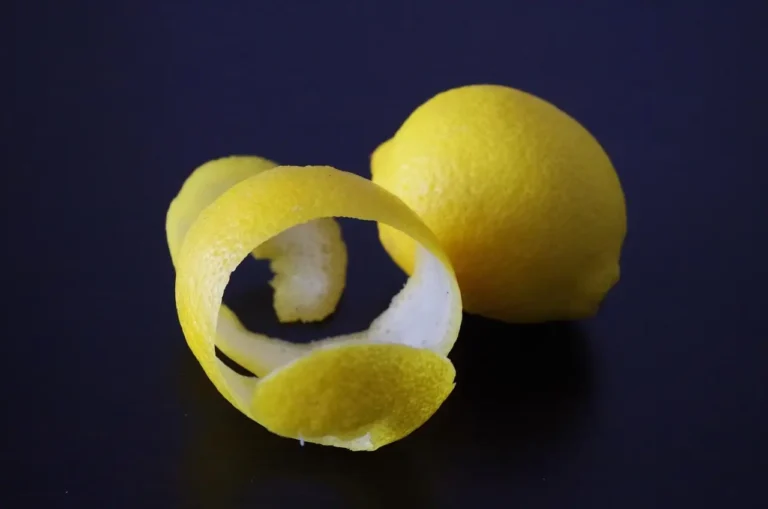
Oud, a deep and resinous note popular in Middle Eastern perfumery, is powerful and commanding. When paired with zesty citrus notes like lemon or grapefruit, it creates a confusing contrast — earthy warmth colliding with bright sharpness.
Why it doesn’t work: Citrus evaporates quickly, while oud lingers for hours. This mismatch in longevity makes the scent evolve unevenly, leaving an unpleasant after-smell.
Better alternative: Pair oud with amber, vanilla, or soft rose — these notes blend smoothly and maintain balance.
3. Avoid Combining Gourmand Scents with Strong Florals:
Gourmand fragrances (those that smell edible — like vanilla, caramel, or chocolate) are delicious but can easily become overwhelming. Mixing them with heady florals like jasmine or tuberose often results in an overly sweet and cloying combination.
Example: Yves Saint Laurent Black Opium layered with Dior J’adore — both are lovely on their own, but together, they clash.
Better alternative: Balance gourmand notes with something woody or musky to tone down the sweetness.
4. Never Mix Marine Notes with Spices:

Marine or aquatic perfumes give that clean “fresh-out-of-the-shower” feeling, while spicy notes like cinnamon, pepper, or clove add heat. Unfortunately, these two scent families don’t play well together.
Why it doesn’t work: Spices add warmth; marine notes evoke coolness — so when mixed, they neutralize each other and lose their character.
Better alternative: Pair marine with citrus or green notes for a breezy, natural vibe.
5. Be Careful Mixing Fruity and Woody Notes:
Fruity notes (like peach, pineapple, or berries) are vibrant and playful, but when mixed with dark woody bases like cedar or vetiver, they can smell muddy or synthetic.
Why it doesn’t work: The contrast is too sharp — the fruitiness fades fast, while the woodiness dominates the dry-down.
Better alternative: Fruity scents go beautifully with floral or soft musky notes.
6. Musk + Patchouli: A Clash of Intensity:
Both musk and patchouli are powerful base notes. On their own, they create depth and sensuality. But together, they can become too heavy and suffocating, especially in warm weather.
Why it doesn’t work: Both are long-lasting and dominate the blend, leaving little room for top or middle notes to breathe.
Better alternative: Use musk with light florals or patchouli with sweet amber — each combination enhances warmth without overpowering.
7. Amber and Green Notes Don’t Mix Smoothly:

Amber is warm, cozy, and sensual. Green notes — like grass, tea leaves, or galbanum — are fresh, crisp, and earthy. Combining them often results in an awkward “hot-cold” effect that confuses the nose.
Why it doesn’t work: The contrast between resinous amber and green herbal tones feels disjointed.
Better alternative: Pair amber with spices (for warmth) or green notes with citrus (for freshness).
8. Layering Mistake: Mixing Too Many Perfumes:
Another common mistake isn’t about specific notes — it’s about quantity. Layering more than two or three perfumes at once often leads to chaos. Even if each fragrance smells amazing separately, too many layers make it impossible for your nose to process the result.
Tip: Stick to two complementary scents — like a floral base and a woody accent — and test before wearing them in public.
9. Ignoring Skin Chemistry:
One reason a combination may smell bad on you but great on someone else is skin chemistry. Factors like pH balance, skin type, and diet affect how perfume develops.
For example:
- Dry skin tends to absorb fragrance quickly, muting lighter notes.
- Oily skin amplifies base notes, making strong scents even stronger.
Tip: Always test new combinations on your wrist and let them settle for at least 30 minutes before deciding.
10. Alcohol-Free vs. Alcohol-Based Layering
If you’re using oil-based attars or alcohol-free perfumes, be cautious mixing them with sprays. The different formulas can separate on the skin, creating uneven diffusion.
Tip: Try layering perfumes within the same family — like using an oil version under a spray version of the same scent. This enhances longevity without conflict.
11. The Golden Rule: Balance Is Everything:
Think of fragrance layering like cooking. You wouldn’t mix chili powder with vanilla ice cream, right? The same logic applies to perfumes — some combinations simply don’t complement each other.
A balanced blend includes:
- One dominant scent family (e.g., floral, woody).
- A supporting note for depth (e.g., musk or amber).
- A light top note for freshness (e.g., citrus or green).
When you follow this formula, your custom fragrance feels harmonious and sophisticated — never chaotic.
12. How to Experiment Safely:
If you love experimenting but don’t want to risk a bad combo:
- Start small: Spray each perfume on separate blotters and wave them together.
- Use unscented lotion: It can soften overpowering notes.
- Stick to one brand: Many perfume houses design their scents to be layered within the same collection (like Jo Malone or Maison Margiela).
Conclusion: Find Harmony, Not Chaos:
Mixing perfumes should feel like art, not trial by fire. The secret lies in understanding your fragrance families, knowing your skin chemistry, and mastering balance. Avoiding these common perfume mistakes can help you discover a signature scent that truly reflects your personality — elegant, confident, and unmistakably you.
“Have you ever tried layering perfumes — or ended up with a scent disaster? Share your experience in the comments below and tell us your favorite fragrance combo!”
Discover more from Perfume Cultures
Subscribe to get the latest posts sent to your email.