Do More Ingredients Make a Better Perfume? The Truth Behind Complex Scents
In the world of perfumery, many people assume that a perfume packed with dozens of ingredients must smell richer, last longer, and simply be better. After all, more ingredients should mean more complexity—right? Not necessarily.
The truth is, the number of ingredients in a fragrance doesn’t always determine its quality. Sometimes, a minimalist scent crafted from just a few raw materials can feel more elegant, balanced, and memorable than a formula with fifty notes fighting for attention.
The Science of Scent Composition:
Every perfume is built like a musical composition, structured in three layers:
top notes, heart notes, and base notes. These layers unfold over time as the perfume interacts with your skin and environment.
Adding more ingredients can make the fragrance pyramid more intricate—but also more unstable. When too many volatile molecules compete, the scent might lose clarity or smell “muddy.”
Perfumers often say that balance matters more than quantity. Each ingredient must play its part harmoniously. A single dominant molecule, such as Iso E Super (used in Escentric Molecules 01), can carry an entire perfume if used skillfully.
In other words, the art lies not in the number of notes but in their orchestration.
Why More Ingredients Can Backfire:
Many consumers equate complex ingredient lists with luxury. But in practice, perfumes overloaded with ingredients can:
- Smell confusing or chaotic — because too many notes compete for attention.
- Lose longevity — as conflicting chemical reactions reduce performance on skin.
- Cause allergic reactions — due to unnecessary synthetic compounds added for layering.
A study by fragrance chemists at the International Fragrance Association (IFRA) found that perfumes with more than 60 ingredients often suffer from olfactory fatigue—the nose simply stops distinguishing the layers after a few minutes.
So while complexity can add depth, it often risks blurring the artistry behind the scent.
When Simplicity Wins: The Minimalist Perfume Movement:
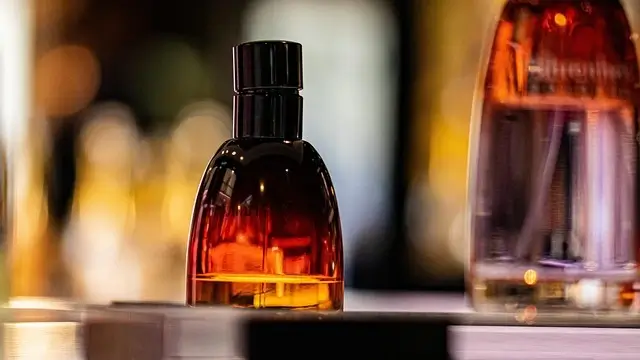
Over the last decade, the fragrance world has seen a quiet rebellion against “overdesigned” perfumes. Minimalist and niche brands are proving that less really can be more.
- Le Labo’s Santal 33 features a small palette of ingredients but delivers an unforgettable smoky-wood aroma.
- Escentric Molecules uses only one or two molecules, yet achieves cult status worldwide.
- Maison Margiela’s Replica line captures specific moods with clean, linear compositions—no excess notes required.
These examples show that a perfume doesn’t need 100 ingredients to make a statement. Instead, clarity, storytelling, and emotional connection matter most.
American audiences, in particular, have embraced this minimalist wave. Clean scents fit perfectly with modern values of authenticity, transparency, and sustainability.
Complexity Done Right: When Many Notes Work:
That said, complexity isn’t inherently bad—it’s just challenging to master.
Some luxury houses, like Chanel and Dior, are experts at layering dozens of natural and synthetic ingredients into perfectly balanced symphonies.
For example, Chanel No. 5 contains more than 80 components, yet remains one of the most timeless perfumes ever created.
What makes it work?
- A clear concept – every ingredient supports a specific mood.
- Experienced perfumers – they know which raw materials blend harmoniously.
- High-quality ingredients – natural absolutes and fine synthetics chosen with precision.
So, complexity is beautiful when it serves the fragrance’s identity—not when it hides behind marketing claims.
The Role of Marketing and Perception:
Perfume marketing often promotes ingredient count as a sign of luxury. Terms like “crafted with 120 rare essences” sound impressive, but they don’t guarantee quality.
Brands know that consumers associate abundance with value. Yet, in perfumery, refinement is often invisible.
A minimalist scent may cost more to produce than a crowded formula because it demands perfect proportions and high-grade materials.
In short, don’t let marketing dictate your nose. The true test of quality lies in how a perfume evolves on your skin—not how many ingredients appear on its label.
How to Choose the Right Perfume for You:
If you’re wondering whether you prefer simple or complex scents, here’s a quick guide:
1-If you enjoy clarity and modern elegance
Try minimalist brands like Le Labo, Aēsop, or Escentric Molecules.
2-If you love depth and layered richness:
Explore traditional houses like Chanel, Guerlain, or Amouage.
3-If sustainability matters:
Look for niche brands using eco-conscious materials with shorter ingredient lists and transparent sourcing.
Ultimately, the best perfume is the one that connects with your story, not the one that lists the most notes.
The Takeaway: Quality Over Quantity:
So, do more ingredients make a better perfume?
Not really. What truly defines a great perfume is balance, creativity, and emotional resonance.
Some of the world’s most beloved scents rely on just a handful of perfectly chosen materials. As perfume enthusiasts, we should celebrate both minimalism and complexity—when done with purpose.
Next time you sample a fragrance, don’t ask how many ingredients it has. Ask instead:
Does it move me? Does it tell a story I want to wear?
What’s your take—do you prefer a fragrance with a hundred ingredients or a perfectly crafted minimalist scent? Share your favorite below!”
Discover more from Perfume Cultures
Subscribe to get the latest posts sent to your email.