

🌿 Did Ancient Persian Civilization Use Perfumes?
The ancient Persian civilization, one of the most influential cultures of the ancient world, is often celebrated for its art, architecture, and contributions to science. However, one fascinating yet lesser-known aspect of their culture is their sophisticated use of perfumes. From royal courts to everyday life, fragrances played a pivotal role in Persian society, intertwining with rituals, personal grooming, and religious ceremonies.
🏛️ Perfumes in Persian Royal Courts:
Persian kings and queens had a profound appreciation for luxury, and perfumes were no exception. Royal palaces were infused with rich aromas made from rare resins, essential oils, and floral extracts. These scents were more than just indulgence; they were a symbol of status and refinement.
- Royal Banquets: Guests were often welcomed with the scent of saffron, rose, and frankincense, creating an atmosphere of opulence.
- Court Rituals: Perfumed oils were used during ceremonies to honor gods and guests alike. The scent signified purity, elegance, and power.
This emphasis on fragrance in royal settings shows how essential perfumes were to the identity and prestige of ancient Persian elites.
🌸 The Role of Floral Extracts:
Persians were pioneers in the cultivation and use of flowers for scent. Roses, jasmine, and lily were not only admired for their beauty but also for their aromatic qualities. Rosewater, a product still popular today, originated in Persia and was widely used for both personal and domestic purposes.
- Personal Use: People applied rosewater to the skin to refresh and beautify.
- Domestic Rituals: Homes were scented with floral waters to welcome guests and maintain an atmosphere of cleanliness and sophistication.
The Persian love for flowers extended beyond aesthetics—they understood the power of fragrance to influence mood and social perception.
🔥 Incense and Spirituality:
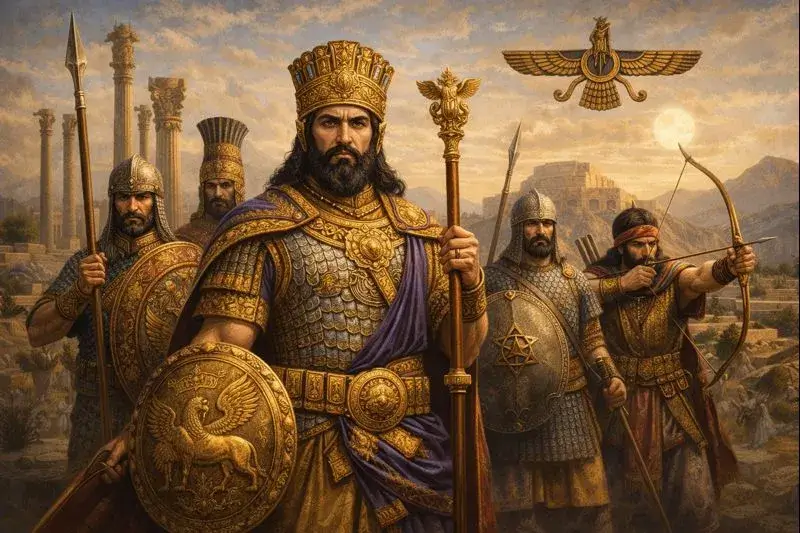
Persians also used incense as part of spiritual and religious rituals. Burning resins like frankincense and myrrh was common in temples and during private ceremonies. These scents were believed to purify spaces, invite divine favor, and even protect against negative energy.
- Zoroastrian Influence: Zoroastrianism, the dominant religion of ancient Persia, emphasized cleanliness and ritual purity, where scented fires and incense played a significant role.
- Meditation and Reflection: Perfumes were not just external adornments; they were also tools for mental clarity and spiritual connection.
This spiritual dimension of fragrance highlights how deeply perfumes were integrated into Persian cultural and religious life.
🌿 Ingredients That Defined Persian Perfumes
Persian perfumers were skilled in blending natural ingredients to create complex scents. Some of the most notable materials included:
| Ingredient | Use in Perfume | Cultural Significance |
|---|---|---|
| Rose | Oils and waters for personal use | Symbol of love, beauty, and purity |
| Saffron | Added to oils for luxury scents | Expensive and prestigious |
| Frankincense | Incense for rituals | Spiritual purification |
| Myrrh | Perfumed oils and incense | Healing and divine connection |
| Jasmine | Essential oils in cosmetics and perfumes | Soft, alluring fragrance |
This mastery of ingredients allowed Persians to create scents that were not only pleasant but also meaningful, conveying status, spirituality, and artistry.
🛁 Perfumes in Daily Life:
Fragrance in Persia was not limited to royalty or religious rituals. Ordinary people also incorporated perfumes into their daily routines:
- Personal Hygiene: Oils were applied after bathing to moisturize and scent the skin.
- Social Gatherings: Perfumes were used to greet visitors, demonstrating hospitality and refinement.
- Festivals and Celebrations: Special scents marked seasonal events and weddings, enhancing the festive mood.
Perfume, therefore, was a bridge between personal grooming, social etiquette, and cultural identity in ancient Persia.
🌏 Trade and Influence:
Persian perfumes were highly sought after, not only within the empire but also abroad. The Silk Road facilitated the exchange of fragrance materials with India, China, and the Mediterranean. Persian perfumery influenced many neighboring cultures:
- Egyptians: Adopted Persian techniques in extracting floral oils.
- Greeks and Romans: Imported Persian scents for use in baths, temples, and personal grooming.
- Arabian Influence: Later Islamic civilizations refined Persian perfume methods, contributing to the flourishing fragrance industry in the Middle East.
This international trade demonstrates Persia’s significant role in shaping the ancient world’s appreciation for scent.
🌟 Legacy of Persian Perfumes:
Today, the influence of ancient Persian perfumery is still evident. Many modern perfumes trace their roots back to Persian ingredients and methods. Rose, saffron, and jasmine remain popular, and the ritualistic use of incense continues in spiritual practices worldwide.
Persian contributions remind us that perfume was more than a luxury—it was a symbol of culture, art, and spiritual awareness.
If you found the Persian use of perfumes fascinating, check out our article on How Perfumes Shaped Islamic Civilization: A Journey from Andalusia to Baghdad to see how these traditions evolved and influenced the wider Middle Eastern world.
Do you think modern perfumes could ever capture the same cultural and spiritual significance that they had in ancient Persia? Share your thoughts in the comments below!
Discover more from Perfume Cultures
Subscribe to get the latest posts sent to your email.


One Comment