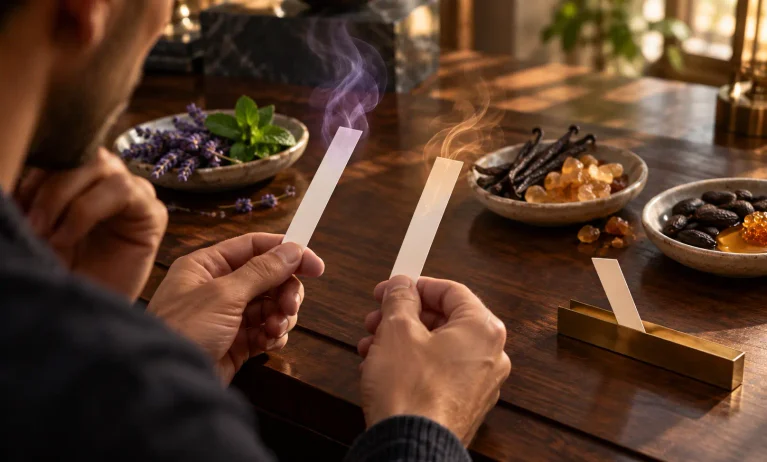
🏺 The Hidden Role Of Perfume In Ancient Rituals
How scent shaped belief, identity, and human connection long before modern science
🌿 Introduction: More Than Just Fragrance
Long before perfume became a personal accessory, it was a powerful tool used in sacred rituals, spiritual ceremonies, and cultural traditions. Across ancient civilizations—from Egypt to Mesopotamia and India—scent was not about smelling good. It was about communicating with the divine, shaping identity, and influencing human emotion.
What’s fascinating is this: many of these ancient practices align closely with what modern science now confirms about how scent affects the brain and behavior.
🔥 Scent as a Bridge Between Humans and the Divine
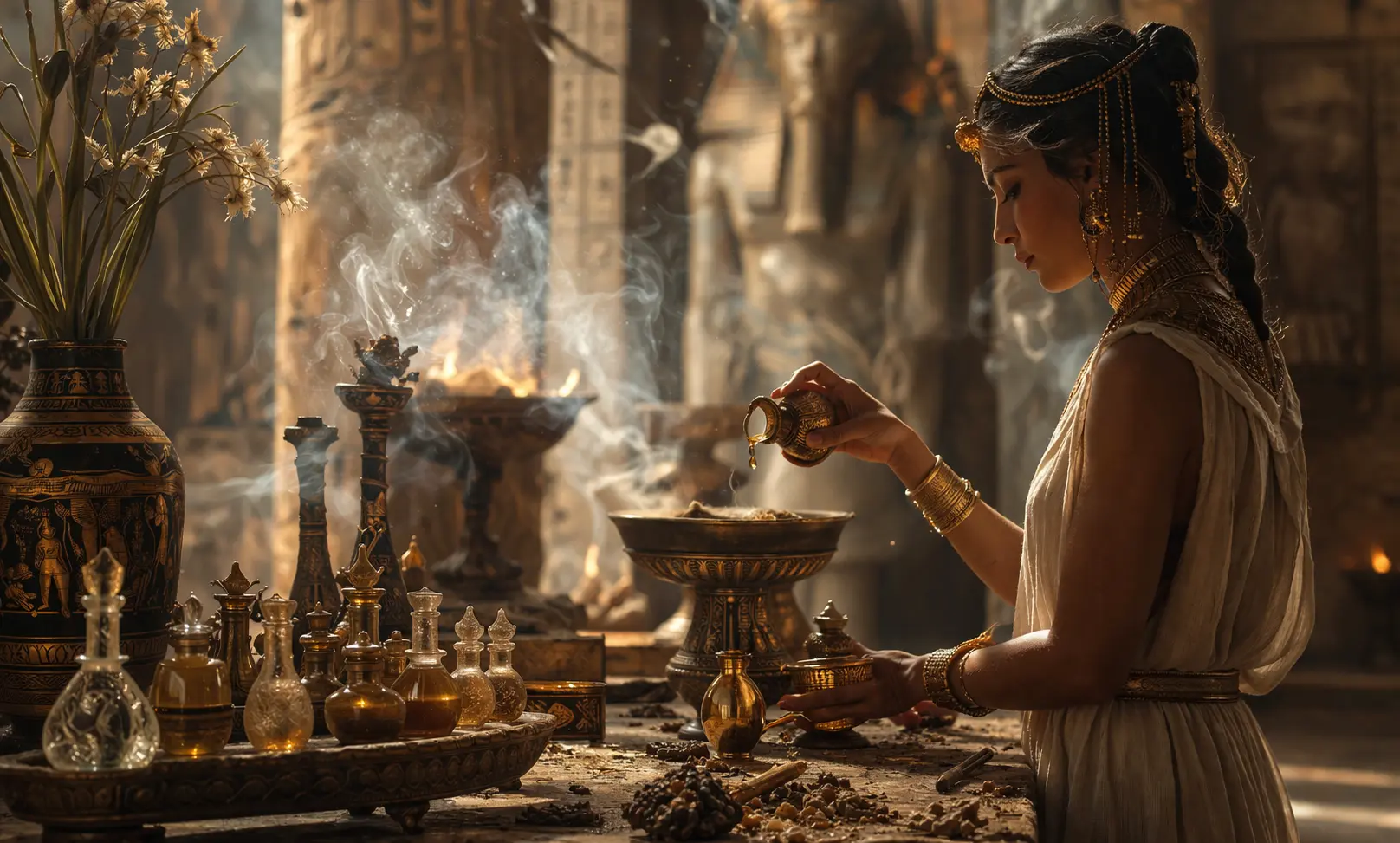
In ancient Egypt, incense like frankincense and myrrh was burned daily in temples. The rising smoke symbolized prayers ascending to the gods. Similarly, in Hindu rituals, aromatic oils and incense were used to purify spaces and invite spiritual presence.
These weren’t symbolic actions alone—scent created an immersive sensory environment that altered perception and emotional state.
Modern neuroscience explains why this worked so effectively. As explored in a related article on this site, scent is directly linked to emotional processing in the brain—making it the most powerful sensory trigger we have. ( Why Scent Is the Most Emotional Human Sense)
🧠 Rituals, Memory, and the Power of Repetition
Ancient rituals were not one-time experiences. They were repeated over and over, often using the same scents.
Why?
Because scent anchors memory.
Just like a familiar smell today can instantly transport you back in time, ancient cultures used fragrance to embed spiritual experiences into memory. Over time, certain scents became inseparable from sacred moments.
This is the same phenomenon explained in another article on this site about how specific smells can trigger vivid personal memories—even decades later. ( Why Old Scents Bring Back Childhood Memories)
👤 Perfume as Identity in Ancient Cultures
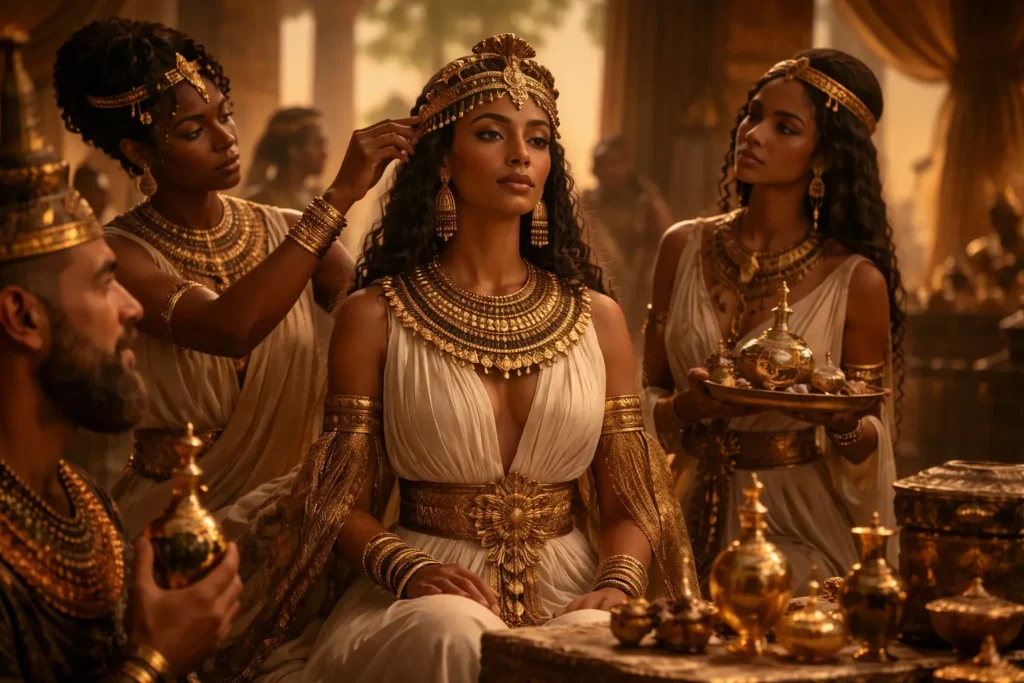
In many ancient societies, scent was not a personal choice—it was a marker of identity.
Priests wore specific aromatic blends. Royalty used rare and expensive oils. Even burial rituals involved scent, as bodies were prepared with perfumes believed to guide the soul into the afterlife.
Scent wasn’t just something you wore—it was something you represented.
This concept still exists today in a more subtle form. As explored in a related article, perfume continues to act as an invisible extension of identity—shaping how others perceive us without a single word being spoken. ( Perfume and Identity: The Invisible Expression)
🤝 The Social Power of Shared Scents
Rituals were rarely individual—they were collective experiences.
When groups gathered in temples or ceremonies, they were surrounded by the same smells. This created a shared sensory environment, strengthening emotional bonds between participants.
Scent became a silent language of connection.
Interestingly, this aligns with modern research showing how smell influences human relationships and social bonding. As discussed in another article, scent plays a hidden but powerful role in how we connect with others on an emotional level. (The Hidden Role of Smell in Human Connection)
🏙️ From Ancient Rituals to Modern Marketing
What ancient civilizations understood intuitively, modern brands now apply strategically.
Today, scent is used in retail stores, hotels, and even cars to influence perception and behavior. This practice—known as scent branding—relies on the same psychological principles that made ancient rituals so effective.
In fact, many businesses design signature scents to create emotional associations with their brand, just as ancient rituals used scent to create spiritual meaning. ( How Scent Branding Influences Customers)
🧴 A Modern Fragrance That Echoes Ancient Rituals
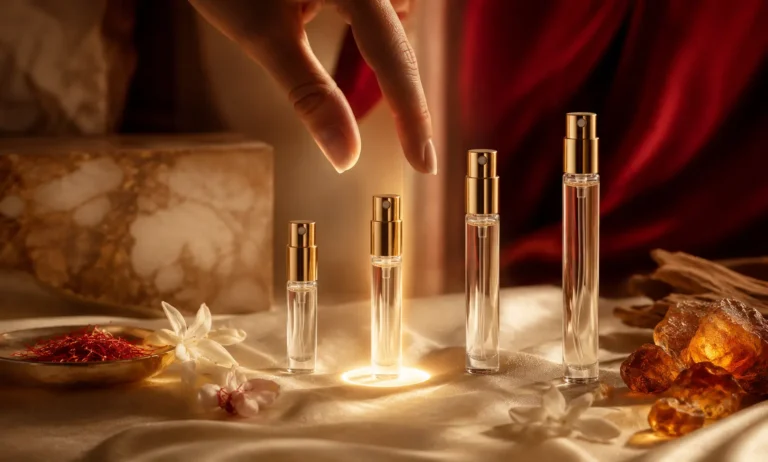
If you were to translate the essence of ancient ritualistic scents into a modern fragrance, it would be something deep, smoky, mysterious, and slightly resinous.
🔥 One standout example is Nasomatto Black Afgano Eau de Parfum
👉 Experience the scent that feels like a ritual — check the current price on Amazon 🔥

Nasomatto Black Afgano Extrait de Parfum
A scent inspired by ancient rituals—dark, mysterious, and unforgettable.
This is not a typical fragrance. It’s an experience that feels almost sacred.
A scent people won’t forget you by.
Limited availability — niche fragrances like this often sell out quickly.
⭐ Editor’s Insight
This fragrance captures the essence of ancient rituals—dark resins, incense-like depth, and a meditative aura.
⭐ Why it fits this article
Its smoky, almost sacred character feels like stepping into an ancient temple filled with burning incense and quiet intensity.
💡 What makes it special
- Rich, resinous composition reminiscent of incense
- Deep, long-lasting projection (almost ritual-like presence)
- Evokes mystery, spirituality, and introspection
👉 If ancient rituals had a scent in today’s world… this would be one of the closest interpretations.
❓ Frequently Asked Questions (FAQ)
1. Why was perfume used in ancient rituals?
Perfume and incense were used to create a spiritual atmosphere, symbolize communication with the divine, and influence emotional states during ceremonies.
2. What types of scents were used in ancient times?
Common ritual scents included frankincense, myrrh, sandalwood, and various plant resins—often chosen for their strong, long-lasting aroma.
3. Did ancient people understand the science behind scent?
No, but they understood its effects intuitively. Modern science now explains why scent has such a powerful impact on memory and emotion.
4. Are modern perfumes inspired by ancient rituals?
Yes, many niche and luxury fragrances draw inspiration from incense, resins, and traditional aromatic materials used in ancient ceremonies.
5. Is scent still used in modern rituals today?
Absolutely. Religious ceremonies, meditation practices, and even modern wellness routines still rely heavily on scent.
🎯 Conclusion: The Invisible Power That Never Disappeared
Ancient rituals may be gone, but the power of scent remains unchanged.
What once connected humans to gods now connects us to memories, identities, and each other.
The tools have evolved—but the psychology is exactly the same.
Have you ever experienced a scent that instantly made you feel something deeper—almost like stepping into another time or place?
👉 Share your experience in the comments.
Discover more from Perfume Cultures
Subscribe to get the latest posts sent to your email.