
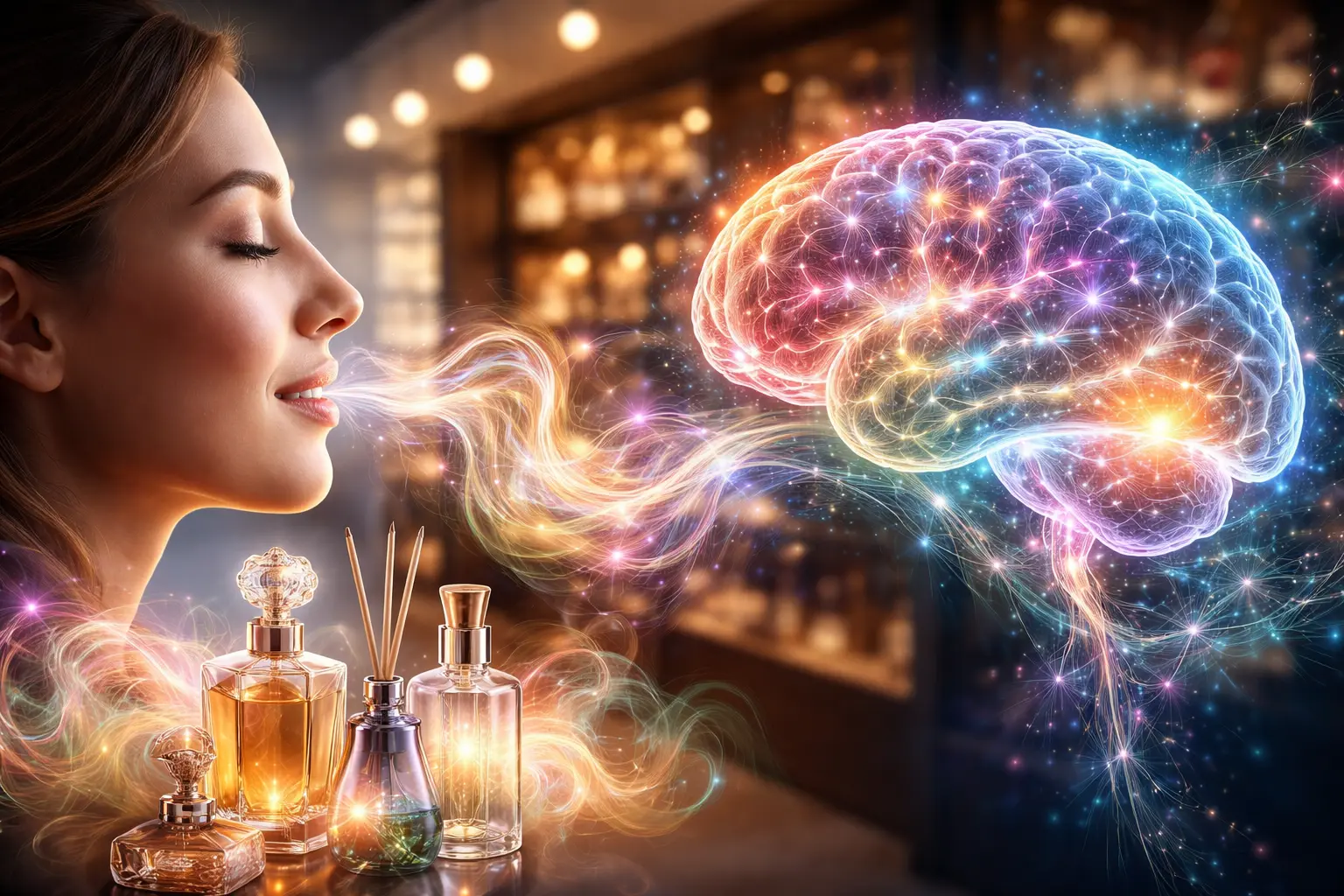
🧠 How Brands Use Scent to Shape Consumer Behavior
The Invisible Marketing Tool That Influences How You Feel, Shop, and Spend
Walk into a luxury hotel, a high-end clothing store, or even a car showroom… and something feels different.
You may not notice it consciously—but your brain does.
👉 That subtle difference is often scent marketing.
Brands aren’t just selling products anymore.
They’re shaping experiences—and scent is one of their most powerful (and invisible) tools.
🌫️ What Is Scent Marketing?
Scent marketing is the strategic use of fragrance to influence how customers feel, behave, and even spend money.
It works because smell is directly connected to the brain’s emotional and memory centers—making it far more powerful than visuals or sound.
Unlike traditional marketing, scent:
- Doesn’t feel like advertising
- Works subconsciously
- Creates long-lasting emotional associations
🧪 Why Scent Works: The Science Behind It
Before understanding how brands use scent, it helps to know how fragrance actually works.
👉 If you’re curious about the molecular and sensory side, check this guide:
How Perfume Works: The Science Behind Fragrance
In short:
- Fragrance molecules enter your nose
- They bind to receptors
- Signals go directly to the brain
This rapid pathway is why scent can influence you before you even realize it.
🧠 Scent and Memory: Why You “Feel” a Brand
Have you ever smelled something that instantly reminded you of a place?
That’s not coincidence—it’s biology.
👉 Brands leverage this through emotional memory encoding
(Explore it deeper here: Why Scents Trigger Memories)
Real-world example:
- A hotel uses a signature scent
- You associate that smell with comfort and luxury
- Next time you smell something similar → you recall that brand
📌 Result:
You don’t just remember the brand—you feel it.
❤️ The Emotional Shortcut to Buying Decisions
Most people think they make logical buying decisions.
But in reality?
👉 Emotions come first. Logic comes later.
Smell is the most emotionally powerful sense because it bypasses rational thinking.
If you want a deeper dive into this, read:
Why Smell Is the Most Emotional Human Sense
What brands do:
- Use warm, sweet scents → comfort and trust
- Use fresh, clean scents → clarity and energy
- Use woody/luxury scents → prestige and exclusivity
📌 This directly affects:
- Time spent in store
- Perceived product value
- Willingness to buy
🧠 How the Brain Interprets Store Scents
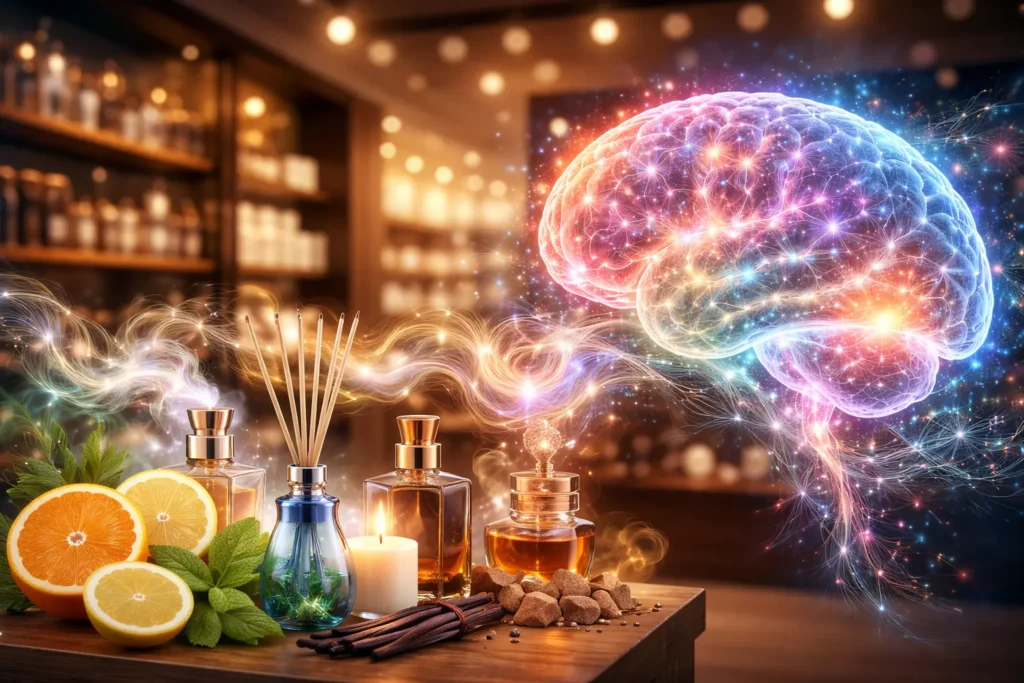
Your brain is constantly categorizing smells—even when you’re not aware of it.
👉 That’s why brands carefully design their scent profiles
(learn more here: How the Brain Recognizes Different Smells)
Example:
- Citrus → “clean,” “fresh,” “modern”
- Vanilla → “warm,” “safe,” “comforting”
- Leather/wood → “luxury,” “masculine,” “premium”
📌 The goal:
Create a scent that matches the brand identity.
🧬 Why Scent Marketing Feels Different for Everyone
Here’s something most people don’t realize:
👉 Not everyone experiences scent the same way.
Skin chemistry, biology, and perception all play a role.
For a deeper explanation, see:
Why Some Perfumes Smell Better on Other People
What this means for brands:
- One scent can feel luxurious to one person
- And overwhelming to another
📌 That’s why brands often aim for universally appealing scent profiles
🏬 Real Examples of Brands Using Scent
🏨 Hotels
- Signature lobby scents
- Designed to feel relaxing and premium
👕 Retail stores
- Subtle fragrance to increase browsing time
🚗 Car showrooms
- “New car smell” enhances perceived value
🏠 Home stores
- Fresh or cozy scents to trigger comfort and purchase intent
🛍️ 🧴 Ultra Pro Pick: Try the Scent Marketing Effect at Home
⭐ Editor’s Choice – Home Scent Diffuser Experience
Imagine walking into your own home and instantly feeling:
- Relaxed
- Focused
- Energized
That’s the same principle brands use—applied to your personal space.
✔ Why it works:
- Creates emotional atmosphere instantly
- Enhances mood and productivity
- Makes your home feel more “luxury”
🔒 Trust signals:
✔ Amazon bestseller category
✔ Thousands of positive reviews
✔ Long-lasting fragrance diffusion
👉 View Today’s Deal on Amazon 🔥
(Availability and price may vary)
💡 Tip:
Choose scents based on your goal:
- Lavender → relaxation
- Citrus → focus
- Vanilla → comfort
🧠 The Hidden Power You Didn’t Notice
Next time you walk into a store and feel:
- Comfortable
- Curious
- Willing to stay longer
Ask yourself:
👉 Is it really the product…
or is it the scent?
Because more often than not—
it’s the scent shaping your behavior.
❓ FAQ: Scent Marketing & Consumer Behavior
❓ What is scent marketing in simple terms?
It’s the use of fragrance to influence how people feel and behave in a space, often without them realizing it.
❓ Does scent really affect buying decisions?
Yes. Studies show scent can increase time spent in a store and improve purchase likelihood.
❓ Why do hotels use signature scents?
To create a memorable emotional experience that guests associate with the brand.
❓ Can scent make a product seem more expensive?
Absolutely. Certain scents (like wood or leather) can increase perceived luxury and value.
❓ Do all people react the same to scents?
No. Personal biology and experiences affect how each person perceives fragrance.
Discover more from Perfume Cultures
Subscribe to get the latest posts sent to your email.




2 Comments