🌸 Why Do Some Perfumes Smell Powdery?
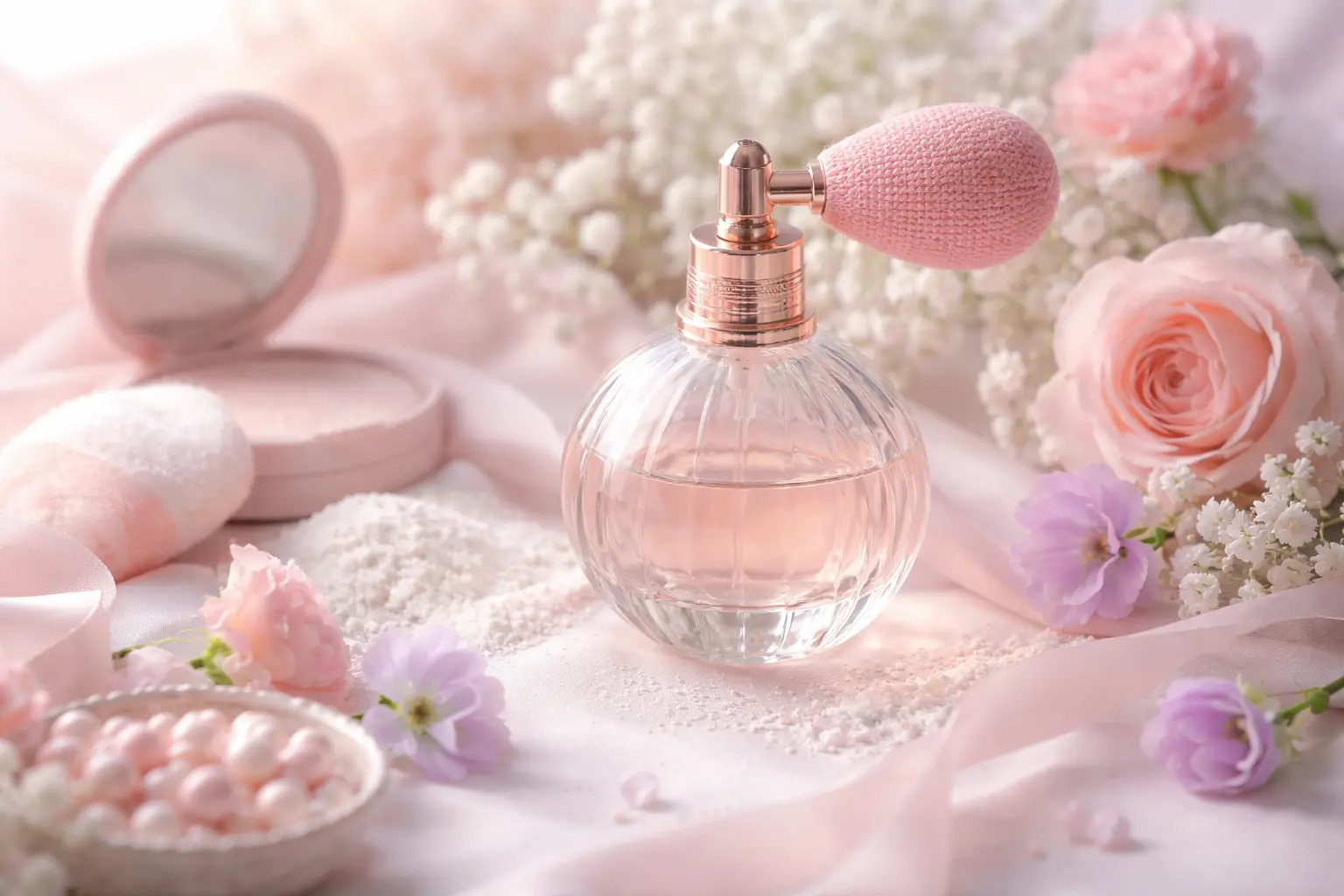
If you’ve ever smelled a fragrance that reminds you of baby powder, makeup compacts, or vintage cosmetics, you’ve experienced what perfumers call a powdery scent. Powdery perfumes have a soft, elegant, and comforting quality that many people associate with cleanliness, nostalgia, and classic femininity.
But what actually makes a perfume smell powdery? Is it a specific ingredient, a chemical reaction, or something related to how our noses interpret fragrance molecules?
Let’s explore the science, ingredients, and perception behind powdery perfumes.
🧪 What Does “Powdery” Mean in Perfume?
In fragrance terminology, powdery perfumes describe scents that feel soft, dry, and velvety, similar to cosmetic powders or baby powder.
These fragrances usually create an impression of:
- Clean softness
- Warm skin-like scent
- Cosmetic elegance
- Vintage perfume style
Powdery fragrances often appear in floral perfumes, iris-based fragrances, and classic perfumes designed to feel refined and comforting.
Because of their subtle character, powdery scents are often used in luxury perfumes, skin scents, and elegant daytime fragrances.
🌿 The Ingredients That Create Powdery Scents
Several fragrance ingredients naturally produce a powdery smell in perfume. Perfumers carefully combine these materials to create that recognizable soft texture.
Common powdery perfume ingredients include:
Orris (Iris Root)
Orris is one of the most famous powdery fragrance ingredients. Extracted from the root of the iris flower, it produces a soft, cosmetic-like scent often compared to vintage face powder.
Many luxury perfumes rely on orris to create a powdery floral character.
Violet
Violet notes add a delicate powdery floral aroma that feels airy and slightly sweet. Violet is commonly used in classic European perfumes and elegant feminine fragrances.
Musk
Some types of musk contribute a clean powdery effect, especially when blended with florals. These musks create the impression of soft skin or freshly washed fabric.
Heliotrope
Heliotrope is known for its almond-like sweetness and powdery warmth, making it a popular ingredient in gourmand and powdery perfumes.
🧠 Why Our Brain Perceives Certain Scents as Powdery

Interestingly, powdery perfume perception is not only about ingredients. It also involves how the human brain interprets scent molecules.
When fragrance molecules reach the olfactory receptors in the nose, the brain compares them to past scent memories. Because many people grew up with baby powder, cosmetic powders, or scented lotions, certain perfume molecules trigger that familiar association.
This psychological effect explains why powdery perfumes often feel comforting and nostalgic.
🌬️ Powdery Notes Often Appear in the Dry Down
Another reason perfumes smell powdery is the evaporation process of fragrance notes.
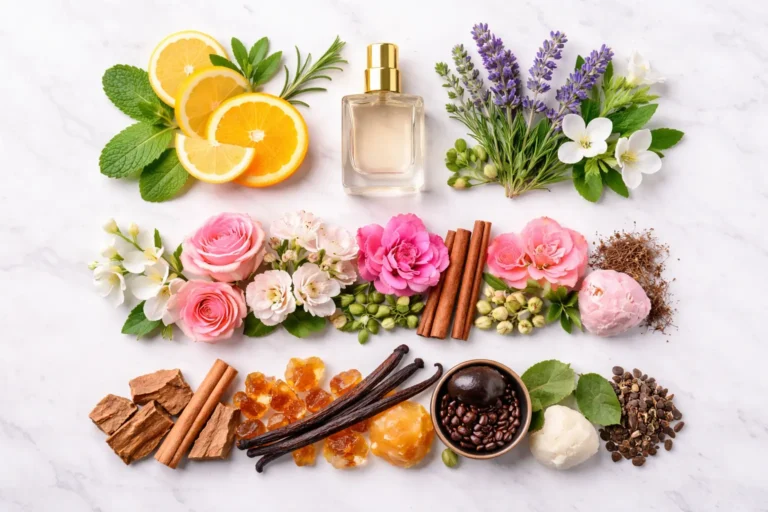
Most perfumes evolve through three stages:
- Top notes – fresh and bright
- Heart notes – floral or spicy
- Base notes – deeper, longer-lasting
Powdery scents frequently appear in the base notes or late heart stage, when ingredients like orris, musk, and heliotrope begin to dominate the fragrance.
This stage is often called the perfume dry down, where the scent becomes softer and more skin-like.
🌸 Powdery Perfumes in Modern Fragrance Design
Powdery fragrances were once considered old-fashioned, but today they are experiencing a strong comeback.
Modern perfumers often blend powdery notes with:
- Vanilla
- Gourmand accords
- Soft musks
- Clean skin scents
This creates perfumes that feel both nostalgic and modern, making powdery fragrances increasingly popular among younger perfume enthusiasts in the United States.
🔬 Powdery vs Sweet Perfumes
Powdery perfumes and sweet perfumes sometimes overlap, but they are not the same.
| Feature | Powdery Perfumes | Sweet Perfumes |
|---|---|---|
| Main impression | Soft and cosmetic | Sugary or edible |
| Common ingredients | Orris, violet, musk | Vanilla, caramel, tonka |
| Feeling | Elegant and airy | Warm and gourmand |
| Longevity | Often subtle | Sometimes strong |
Understanding this difference helps perfume lovers better identify fragrance styles and scent families.
If you enjoy exploring how people perceive different fragrance styles, you may also like reading:
👉 🍬 Why Does Perfume Smell Sweet to Some People?
That article explores how skin chemistry, scent molecules, and personal perception influence why some fragrances smell sweet to certain individuals but not to others.
Together, these topics reveal how our brain, memories, and biology shape the way we experience perfume.
❓ Frequently Asked Questions
Why do some perfumes smell like baby powder?
Many perfumes smell like baby powder because they contain ingredients such as orris, violet, musk, or heliotrope, which create a soft cosmetic-like scent associated with powders.
Are powdery perfumes considered feminine?
Traditionally powdery perfumes were marketed toward women, but modern fragrances use powdery notes in both men’s and unisex perfumes, especially in soft musk fragrances.
Why do powdery scents appear later in perfume?
Powdery notes usually come from base ingredients like musk or iris, which evaporate more slowly and become noticeable during the dry down phase of the fragrance.
Do powdery perfumes last long?
Powdery perfumes can have moderate longevity, especially when the powdery effect comes from base notes like musk, which tend to linger on the skin.
✨ Final Thoughts
Powdery perfumes are one of the most recognizable scent styles in the fragrance world. Their soft, elegant character comes from a combination of specific ingredients, evaporation stages, and scent memories stored in the brain.
Whether created with iris, violet, musk, or heliotrope, powdery fragrances continue to captivate perfume lovers with their clean, comforting, and nostalgic aura.
💬 What about you?
Do you enjoy powdery perfumes, or do you prefer fresher and sweeter fragrance styles? Share your thoughts in the comments!
Discover more from Perfume Cultures
Subscribe to get the latest posts sent to your email.