
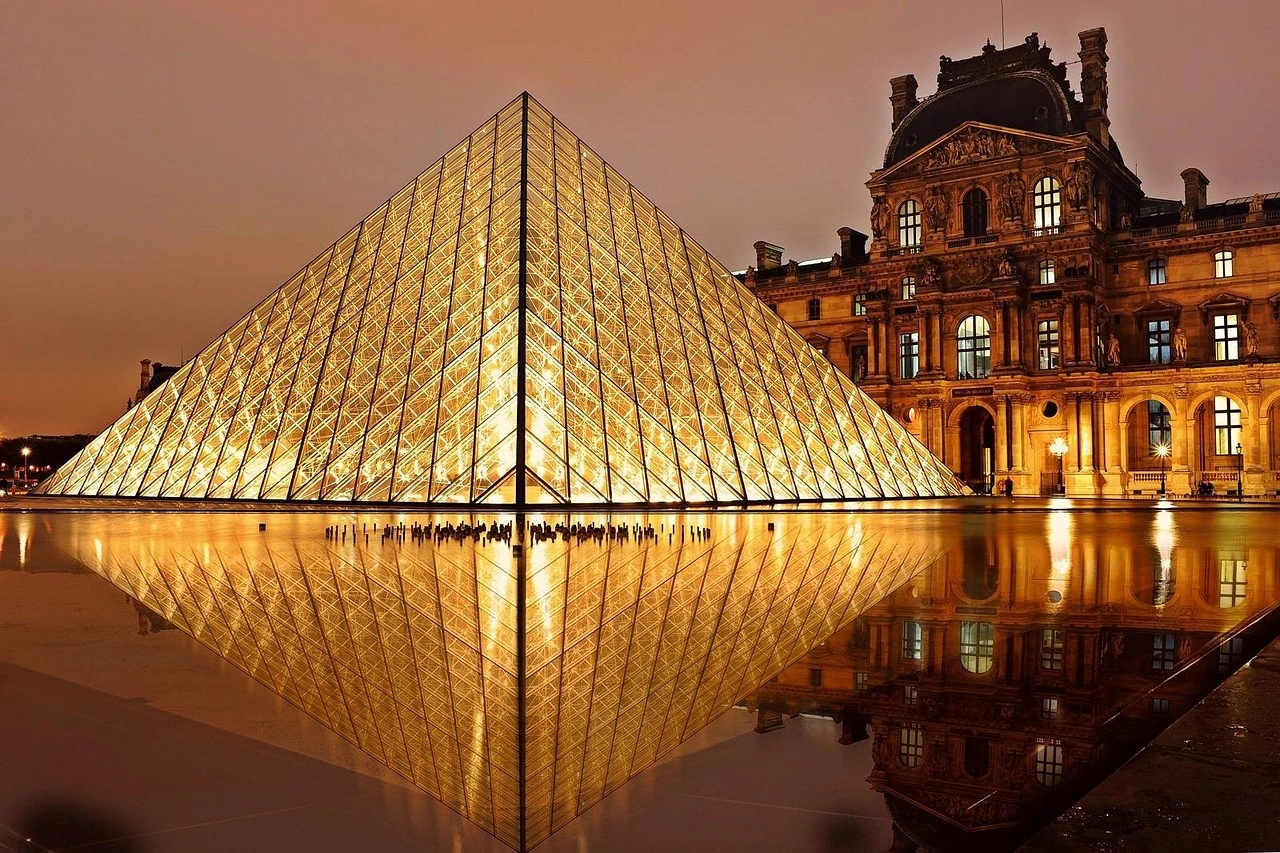
🇫🇷✨ The Secret Behind France’s Dominance in the Perfume World
🌍 Introduction: Why France Still Rules the Fragrance Industry
When Americans think of luxury perfume, one word often comes to mind before any brand name: France. From iconic fashion houses to niche fragrance labels, French perfumes continue to dominate shelves, trends, and consumer preferences worldwide. But this dominance didn’t happen by accident.
Behind every bottle lies centuries of craftsmanship, cultural obsession with scent, and a refined system that blends art, science, and storytelling. This article uncovers the real reasons why France remains the global perfume capital, even in an era of intense competition from Italy, the U.S., and the Middle East.
🕰️ A Royal Beginning: How French Perfume History Shaped the Industry
France’s fragrance journey began long before modern branding. In the 16th and 17th centuries, perfume was not a luxury—it was a necessity. Hygiene standards were limited, and fragrance played a key role in daily life, especially among the aristocracy.
King Louis XIV, famously known as “the perfumed court king,” demanded new scents daily. This royal obsession helped establish perfume as a symbol of refinement and power. As a result, France began investing early in perfumers, scent experimentation, and structured fragrance creation.
Unlike other countries where perfumery evolved slowly, France institutionalized scent-making, laying foundations that still support its dominance today.
🌸 Grasse: The Heart of Natural Ingredients
No discussion about French perfume leadership is complete without mentioning Grasse, a small town in southern France often called the perfume capital of the world.
Why Grasse Matters
- Ideal climate for flowers like jasmine, rose, and tuberose
- Centuries-old farming and extraction techniques
- Close collaboration between growers and perfumers
Many American consumers don’t realize that even non-French brands often source raw materials from Grasse. The town’s expertise in natural perfume ingredients gives France unmatched control over quality and consistency.
Even in today’s era of synthetic molecules, natural raw materials remain a luxury signal, and France owns that narrative.
🧪 Science Meets Art: French Perfumery Education
One of France’s most underrated advantages is formal perfume education. Institutions like ISIPCA (founded by Jean-Jacques Guerlain) train future perfumers using a rigorous blend of chemistry, olfactory training, and artistic composition.
What Sets French Perfumers Apart?
- Years of structured scent training
- Deep understanding of raw materials
- Emphasis on balance and evolution, not just projection
This educational ecosystem ensures that French perfumers don’t simply follow trends—they create them. Many perfumers behind bestselling American fragrances were trained in France, even if the brand itself isn’t French.
🏛️ Iconic Houses That Built Global Trust
Brands like Chanel, Dior, Guerlain, Hermès, and Yves Saint Laurent didn’t just sell perfume—they sold credibility.
French perfume houses mastered:
- Consistent quality across decades
- Clear olfactory identities
- Emotional storytelling tied to elegance and heritage
For American buyers, this translates into trust. A French perfume feels like a safe investment—refined, timeless, and well-crafted. Even younger consumers exploring niche fragrances often start with French brands before branching out.
🎨 The French Fragrance Philosophy
While some markets prioritize strength or trendiness, French perfumery traditionally focuses on structure and harmony.
Key Characteristics of French Perfumes:
- Smooth transitions between top, heart, and base notes
- Balanced compositions rather than overpowering scents
- Wearability across seasons and occasions
This philosophy aligns perfectly with the American lifestyle, where versatility and daily usability matter. A French perfume often feels appropriate at work, social events, and evenings out—without feeling excessive.
📈 Global Influence and Smart Positioning
France didn’t just dominate perfume creation—it dominated global distribution and branding.
French fragrance companies:
- Established early relationships with U.S. retailers
- Positioned perfume as affordable luxury
- Adapted scent profiles subtly for American preferences
As a result, French perfumes became deeply embedded in the American market, from department stores to online fragrance communities.
🆚 Comparison Table: France vs Other Perfume Markets
| Aspect | France | Italy | USA | Middle East |
|---|---|---|---|---|
| Heritage | Centuries-old | Moderate | Modern | Ancient but regional |
| Education | Formal institutions | Limited | Rare | Informal |
| Ingredients | Strong natural sourcing | Moderate | Synthetic-focused | Resin-heavy |
| Global Trust | Very high | High | Medium | Growing |
| Style | Balanced & refined | Artistic | Trend-driven | Intense |
This balance of tradition + adaptability keeps France ahead.
🌎 Niche Perfumes: Reinventing Without Losing Identity
Even as niche perfumery grows in popularity among American fragrance lovers, France continues to lead. Brands like Maison Francis Kurkdjian, Parfums de Marly, and Serge Lutens show how French perfumery evolves without abandoning its roots.
These brands offer:
- Bold concepts with technical precision
- Artistic freedom grounded in structure
- Scents that feel unique but still wearable
France understands how to innovate without confusing the consumer—a rare skill in luxury markets.
If you’re fascinated by how different cultures influence fragrance identity, you might also enjoy exploring why Asian fragrances are known for their subtle elegance. That article dives into a completely different philosophy of scent creation—offering a fresh contrast to the French approach and expanding your understanding of global perfumery.
🏁 Conclusion: Why France Isn’t Losing Its Crown Anytime Soon
France’s dominance in the perfume world is not based on hype or nostalgia. It’s the result of centuries of strategic development, from raw materials and education to branding and emotional storytelling.
For American consumers seeking quality, trust, and timeless appeal, French perfumes continue to deliver—effortlessly blending luxury with everyday wearability.
💬 Now I’d love to hear from you:
Do you personally gravitate toward French perfumes, or do you think another country will eventually challenge France’s leadership in the fragrance world? Share your thoughts in the comments below.
Discover more from Perfume Cultures
Subscribe to get the latest posts sent to your email.

2 Comments