
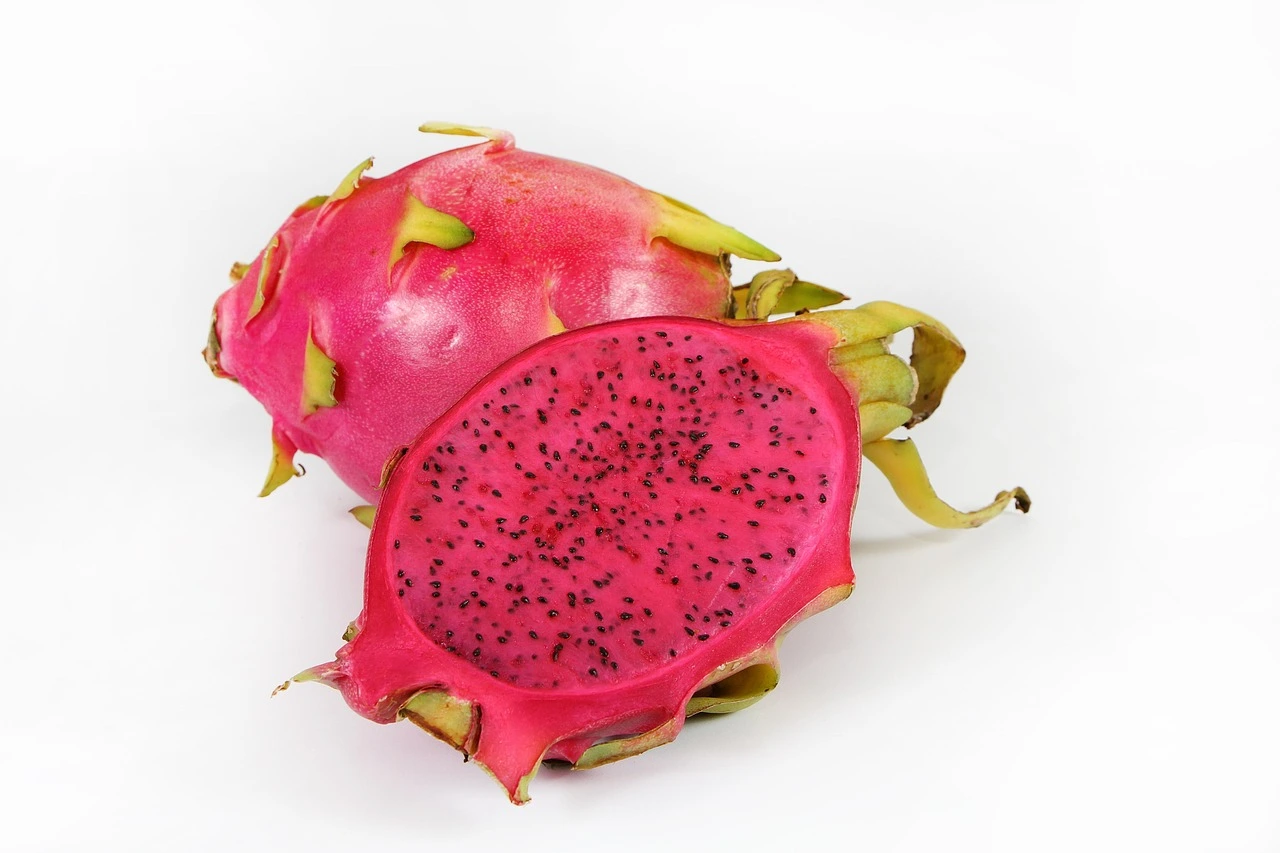
🍓 Dragon Fruit In Perfumery: The Exotic Ingredient You Didn’t Expect
In the ever-evolving world of fragrance, perfumers are constantly searching for ingredients that feel new, surprising, and emotionally engaging. While florals, woods, and spices still dominate perfume compositions, a quieter revolution is happening through unexpected fruit inspirations. One of the most intriguing among them is dragon fruit in perfumery—a note that feels exotic, modern, and slightly mysterious.
Dragon fruit, also known as pitaya, may be familiar on smoothie menus and breakfast bowls, but its presence in fragrance is far less obvious. Unlike citrus or berries, it doesn’t announce itself loudly. Instead, it offers perfumers a subtle, imaginative tool—one that challenges how we think about fruity scents.
So how did this tropical fruit find its way into modern perfumes, and why is it capturing attention now?
🌴 What Does Dragon Fruit Actually Smell Like?
Before understanding its role in fragrance, it’s important to address a common misconception. Dragon fruit does not have a strong natural scent. In real life, its aroma is soft, watery, and gently sweet—often described as a blend of pear, kiwi, and diluted melon.
This understated profile is exactly why dragon fruit works so well in contemporary perfumery. Rather than overpowering a composition, it adds:
- A clean, juicy freshness
- A light tropical sweetness
- A smooth, airy texture
In perfume terms, dragon fruit is more about feeling than realism. It creates an impression of freshness rather than a literal fruit smell, making it ideal for modern, minimalist fragrances.
🧪 Is Dragon Fruit a Real Perfume Ingredient?
Here’s where things get interesting. Dragon fruit is rarely extracted directly for perfumery. There is no widely used dragon fruit essential oil or absolute. Instead, perfumers recreate the scent using aroma molecules and accords.
This means when you see dragon fruit listed in a fragrance pyramid, you’re experiencing a fantasy note—a carefully constructed blend designed to evoke:
- Juicy fruitiness
- Tropical brightness
- A soft, watery sensation
This approach is common in modern perfumery. Notes like cotton candy, clean laundry, or even “air” are all imaginative accords rather than natural extracts. Dragon fruit fits perfectly into this creative tradition.
🌺 Why Perfumers Love Using Dragon Fruit Accords
The rise of dragon fruit in perfume isn’t accidental. It aligns perfectly with current fragrance trends in the U.S. market.
Perfumers value dragon fruit accords because they:
- Feel exotic without being heavy
- Appeal to younger audiences seeking freshness
- Blend seamlessly with florals, musks, and woods
- Add color and modernity to a scent story
Unlike loud tropical fruits such as pineapple or mango, dragon fruit doesn’t dominate. Instead, it supports other notes, enhancing brightness and smoothness without turning sugary.
This makes it especially popular in:
- Summer fragrances
- Clean skin scents
- Fruity-floral blends
- Casual, everyday perfumes
🌸 Common Pairings With Dragon Fruit in Perfumes
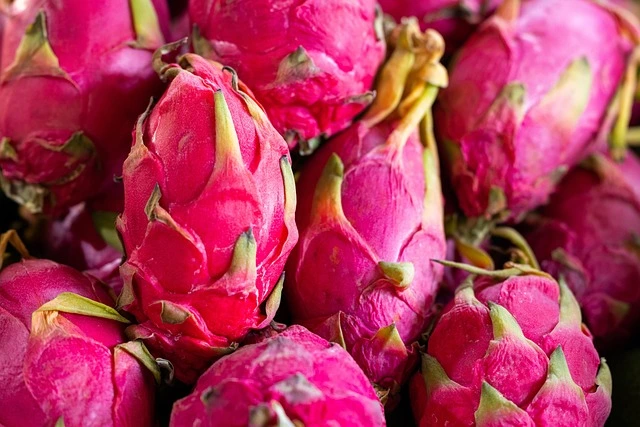
Dragon fruit shines most when paired thoughtfully. Some of the most effective combinations include:
- White florals (jasmine, peony, magnolia): adds transparency and softness
- Citrus notes (bergamot, mandarin): enhances freshness
- Musks: creates a clean, skin-like finish
- Light woods (sandalwood, cedar): grounds the sweetness
These combinations help dragon fruit feel modern rather than juvenile—an important factor for U.S. consumers who often seek versatility in fragrance.
📊 Dragon Fruit vs Other Tropical Fruit Notes
| Feature | Dragon Fruit | Mango | Pineapple |
|---|---|---|---|
| Scent strength | Soft & airy | Rich & dense | Bright & sharp |
| Sweetness | Subtle | High | Medium |
| Modern appeal | Very high | Medium | High |
| Best use | Clean, fresh perfumes | Bold tropical scents | Energetic summer fragrances |
This comparison highlights why dragon fruit is increasingly favored in contemporary perfume design—it offers exotic appeal without overwhelming the wearer.
🌞 Fragrances That Use Dragon Fruit Accords
While still niche, dragon fruit notes are appearing more frequently in designer and lifestyle fragrances. They are often marketed toward consumers who want something playful yet refined.
You’ll typically find dragon fruit in:
- Fruity-floral women’s perfumes
- Gender-neutral summer scents
- Limited-edition seasonal releases
Brands often use dragon fruit to communicate ideas like freshness, creativity, and modern exoticism—qualities that resonate strongly with American fragrance buyers.
🧠 The Psychology Behind Exotic Fruit Notes
There’s also a psychological layer to dragon fruit in perfumery. Exotic fruits trigger curiosity. Even if someone has never smelled dragon fruit before, the name alone creates an expectation of something vibrant and unusual.
This makes dragon fruit an effective marketing note, especially when paired with clean bottle designs and minimalistic branding. It promises something different—without feeling intimidating.
In a crowded fragrance market, that sense of discovery matters.
🌍 Why Dragon Fruit Fits Modern U.S. Fragrance Trends
American perfume preferences have shifted noticeably in recent years. Heavy, overpowering scents are giving way to:
- Fresh, skin-close fragrances
- Light fruity notes with transparency
- Scents suitable for daily wear
Dragon fruit fits perfectly into this landscape. It feels:
- Casual but refined
- Playful yet grown-up
- Exotic without excess
For many U.S. consumers, it represents a new kind of luxury—one based on subtlety rather than intensity.
If you enjoy discovering how unexpected fruits influence modern fragrance design, you may also find it fascinating to explore How Many Perfumes Do You Really Need? A Guide to Building the Perfect Collection. A related article on this site dives into how building a balanced fragrance wardrobe can enhance your scent experience while avoiding unnecessary clutter—offering a broader perspective on how thoughtful choices shape modern perfume habits.
✨ Final Thoughts: A Quietly Revolutionary Note
Dragon fruit may never become a classic perfume ingredient like rose or vanilla, but that’s precisely its strength. Its role in perfumery is subtle, imaginative, and deeply modern.
By offering freshness without sharpness and sweetness without excess, dragon fruit accords allow perfumers to create scents that feel current, wearable, and emotionally light. It’s an exotic note you don’t immediately recognize—but once you notice it, you understand its charm.
Would you be curious to try a perfume built around dragon fruit, or do you prefer more traditional fruit notes? Share your thoughts in the comments—we’d love to hear your fragrance preferences.
Discover more from Perfume Cultures
Subscribe to get the latest posts sent to your email.






One Comment