
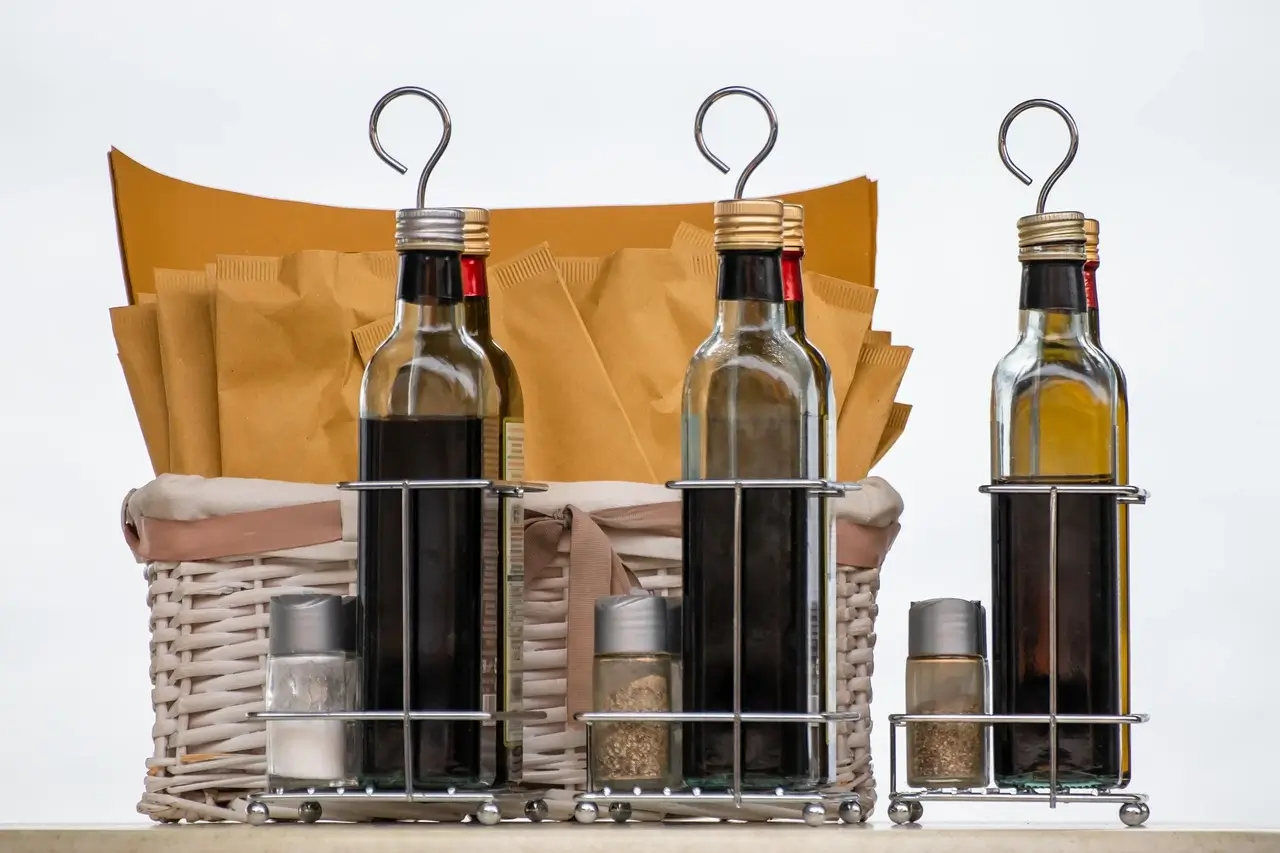
🍶 Vinegar in Perfume? The Unlikely Ingredient That’s Changing Fragrance Formulas
When most people think about perfume ingredients, their minds go straight to flowers, spices, woods, or resins. Vinegar, on the other hand, usually belongs in kitchens, salad dressings, or home remedies—not luxury fragrance bottles. Yet quietly and unexpectedly, vinegar in perfume is becoming a topic of serious interest among perfumers, cosmetic chemists, and niche fragrance brands.
This surprising ingredient is challenging old assumptions about what belongs in a fragrance formula. From pH balance to scent stability, vinegar is proving that sometimes the most unlikely materials can play a meaningful role in modern perfumery.
🧪 Why Would Vinegar Ever Be Used in Perfume?
At first glance, the idea sounds almost absurd. Vinegar has a sharp, sour smell—hardly what you want lingering on your skin. But in perfumery, ingredients are rarely used at full strength or for their obvious scent.
In reality, vinegar is not used to make a perfume smell sour. Instead, it can serve subtle technical purposes that influence how a fragrance behaves rather than how it smells.
Some of the main reasons vinegar may appear in fragrance formulas include:
- Supporting pH adjustment in alcohol-based or water-based perfumes
- Helping stabilize certain natural ingredients
- Acting as a mild preservative in specific formulations
- Enhancing longevity by improving molecular balance
In small, controlled amounts, vinegar becomes practically invisible to the nose while still doing important behind-the-scenes work.
⚖️ The Role of pH Balance in Modern Fragrances
One of the most overlooked aspects of perfume formulation is pH balance. While traditional alcohol perfumes are relatively stable, modern fragrances increasingly experiment with:
- Botanical extracts
- Fermented ingredients
- Skin-friendly, low-irritation formulas
These innovations sometimes require fine-tuning the pH to prevent ingredients from breaking down or reacting poorly with each other. This is where vinegar—specifically acetic acid—can play a role.
In extremely diluted form, vinegar helps:
- Maintain formula stability
- Reduce oxidation in sensitive notes
- Support consistency across batches
For American consumers who care about clean beauty, transparency, and ingredient functionality, this quiet chemical role matters more than ever.
👃 Does Vinegar Actually Smell in Perfume?
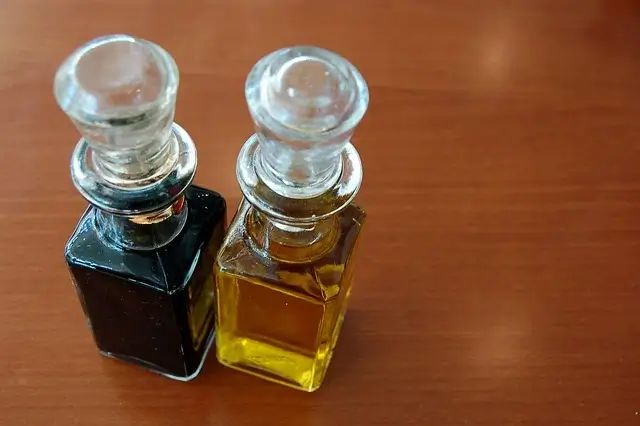
This is the question most people ask—and the answer surprises nearly everyone.
No, you do not smell vinegar in perfume.
When used correctly:
- The amount is microscopic
- The acetic sharpness evaporates quickly
- Other aroma molecules dominate completely
In fact, many perfumers compare vinegar’s role to salt in cooking. You don’t taste salt on its own in a dish, but without it, everything feels flat.
The same logic applies here: vinegar supports the structure of the fragrance without announcing its presence.
🌿 Vinegar and Natural Perfume Formulas
The rise of natural and niche perfumes has opened the door to unconventional materials. Vinegar, especially when derived from fermented sources like apple cider or wine vinegar, fits neatly into this movement.
Some natural perfume makers use vinegar-related components to:
- Assist botanical extraction
- Balance plant-based solvents
- Replace harsher synthetic stabilizers
For brands marketing themselves as artisanal or eco-conscious, this approach aligns with a broader philosophy of working with nature rather than forcing formulas into rigid chemical frameworks.
📊 Vinegar vs Traditional Fragrance Stabilizers
To better understand why vinegar is gaining attention, it helps to compare it with more familiar stabilizing agents:
| Aspect | Vinegar (Acetic Acid) | Traditional Stabilizers |
|---|---|---|
| Origin | Natural / fermented | Often synthetic |
| Scent Impact | None at micro-doses | Usually neutral |
| Skin Sensitivity | Mild when diluted | Can vary |
| Clean Beauty Appeal | High | Medium |
| Usage Trend | Emerging | Established |
This doesn’t mean vinegar is replacing traditional ingredients—but it is expanding the perfumer’s toolkit in meaningful ways.
🧠 Why This Matters to the American Fragrance Market
The U.S. fragrance audience has evolved rapidly. Today’s consumers want more than a pleasant smell—they want a story, transparency, and innovation.
Topics like:
- “What’s really inside my perfume?”
- “Is this formula skin-friendly?”
- “How is this fragrance different?”
…are becoming mainstream questions. Unusual perfume ingredients like vinegar spark curiosity and position brands as thoughtful, experimental, and forward-looking.
For niche fragrance lovers, these details add depth. For casual buyers, they create a sense of discovery.
🧴 Is Vinegar Safe in Perfume?
Safety is a valid concern, especially when hearing about acidic ingredients. The key point is concentration.
In perfumery:
- Vinegar is heavily diluted
- Final formulas are dermatologically tested
- The acidity is balanced and controlled
Once blended into alcohol or emulsified systems, vinegar does not behave like household vinegar on skin. It becomes a functional component rather than an irritant.
As always, individuals with highly sensitive skin should patch-test any fragrance—but vinegar itself is not inherently dangerous in professional formulations.
🔬 The Bigger Trend: Unexpected Ingredients in Perfumery
Vinegar is part of a larger shift toward experimental fragrance design. Modern perfumery increasingly embraces materials once considered unsuitable or strange.
If you enjoy discovering how unconventional ingredients are reshaping fragrance formulas, you may also want to explore our previous article on “Watermelon in Perfume: The Refreshing Note Making Waves”, which dives into how an everyday fruit became a modern scent innovation.
Together, these trends show how perfumery is evolving beyond traditional boundaries.
✨ Final Thoughts: A Small Ingredient with a Quiet Impact
Vinegar may never headline a perfume bottle or appear in bold marketing copy—but its influence is real. By supporting balance, stability, and innovation, this unlikely ingredient is quietly changing how modern fragrances are built.
In an industry driven by creativity and chemistry, even the most unexpected materials can find a place. Vinegar’s journey from kitchen staple to perfume lab curiosity is proof that modern fragrance formulas are more experimental—and more exciting—than ever.
💬 What Do You Think?
Would learning about unconventional ingredients like vinegar make you more curious to try a perfume—or does it feel like too much science behind the scent?
Share your thoughts in the comments 👇
Discover more from Perfume Cultures
Subscribe to get the latest posts sent to your email.



One Comment