🌿 Why Lemon Is The Secret To Fresh and Invigorating Perfumes
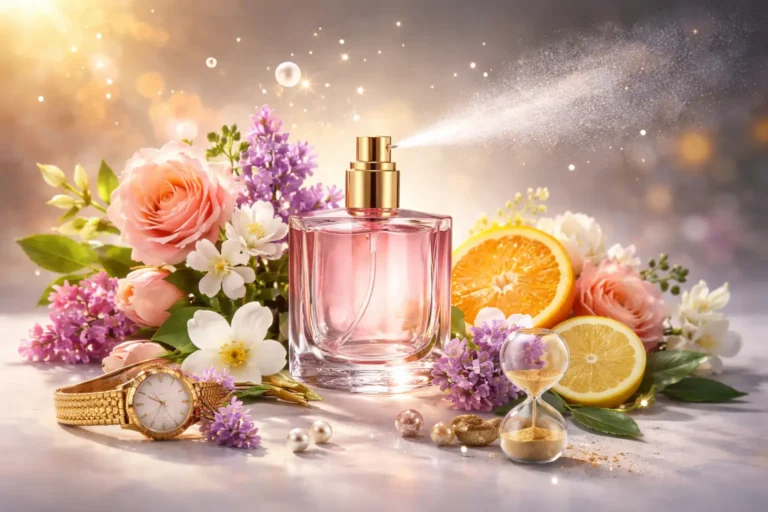
When you think of a refreshing perfume, your mind probably drifts to scents that awaken your senses and instantly uplift your mood. One of the unsung heroes of the fragrance world is lemon. This common fruit is more than just a kitchen staple—it plays a pivotal role in creating fresh and invigorating perfumes that capture attention and evoke energy. In this article, we dive deep into why lemon is a secret ingredient in modern perfumery, how it is used, and which perfumes showcase its brilliance.
🍋 The Bright Power of Lemon in Fragrance
Lemon is a powerhouse when it comes to scent. Its citrusy aroma is instantly recognizable, evoking feelings of cleanliness, freshness, and positivity. Perfumers use lemon primarily for its top notes, which are the first impression a perfume makes when sprayed. Unlike heavier, base notes that linger, lemon’s light and zesty scent creates an immediate sense of vitality and energy.
The natural compounds in lemon, such as limonene, are responsible for its bright, sparkling aroma. These compounds not only smell amazing but also interact with other fragrance ingredients to enhance their character. For instance, pairing lemon with floral or herbal notes can create a complex and refreshing scent experience that feels both modern and timeless.
🌞 Lemon and Its Psychological Benefits
It’s not just about smell—lemon has an uplifting effect on the mind. Studies in aromatherapy suggest that citrus scents like lemon can reduce stress, increase alertness, and even improve mood. This is why many perfumers rely on lemon in daytime fragrances and unisex perfumes that aim to energize the wearer.
When a perfume opens with a burst of lemon, it signals freshness and clarity. Imagine stepping into a bright morning with a light breeze carrying citrus notes—this is the kind of sensory experience lemon brings to perfumes. Fresh perfumes that use lemon often convey youthfulness, optimism, and confidence.
🧪 How Perfumers Use Lemon in Fragrance Composition
Perfumers typically use lemon in two forms: natural essential oils and synthetic equivalents. Both have their advantages:
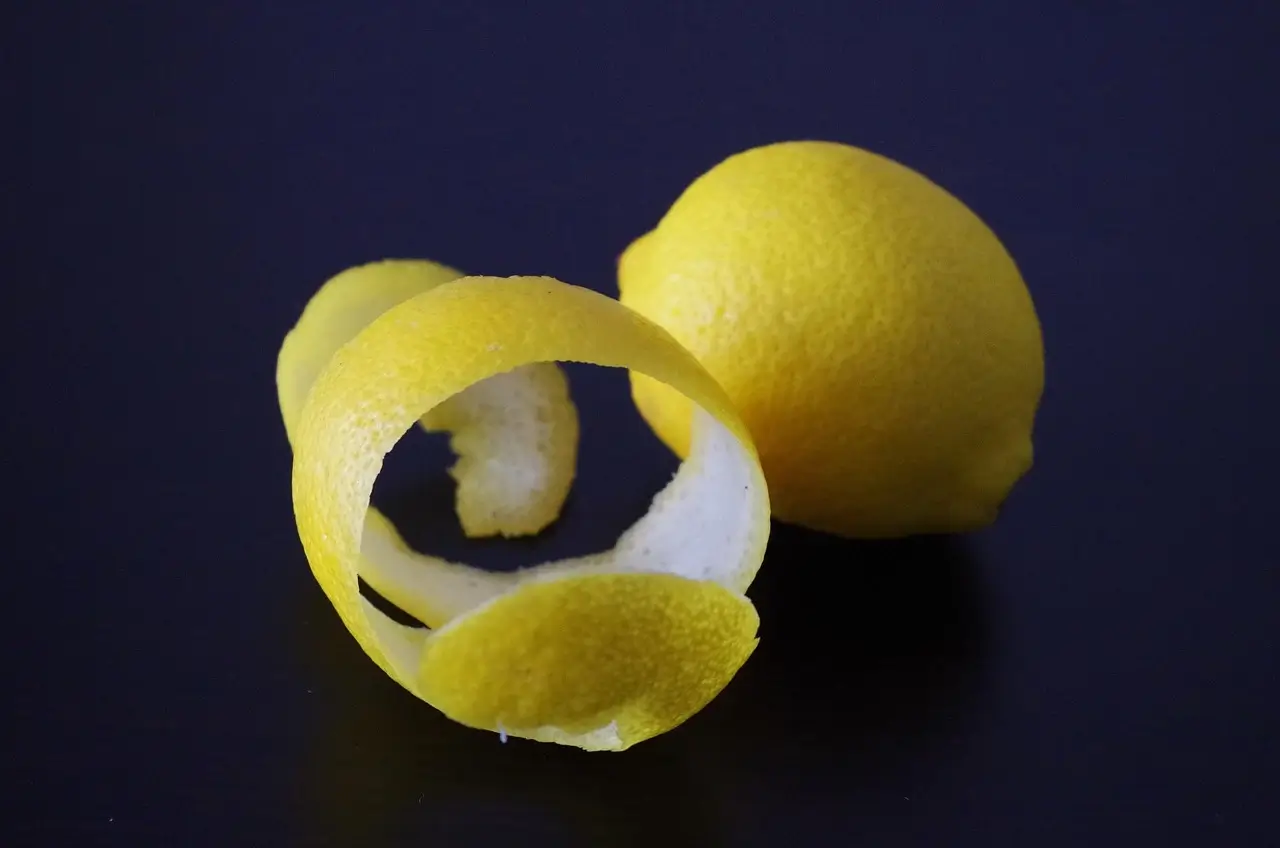
- Natural lemon oil is cold-pressed from the peel and carries the authentic, crisp aroma of the fruit. It’s perfect for authentic, artisanal perfumes.
- Synthetic lemon compounds offer stability and longer-lasting freshness, ensuring the scent remains vibrant throughout the day. This is especially important in commercial perfumes where longevity matters.
In perfumery, lemon is almost always a top note, meaning it is the first scent perceived after application. It pairs beautifully with middle notes like lavender, jasmine, or rosemary, and can enhance base notes such as cedarwood or musk by providing a bright contrast.
🌺 Lemon vs Other Citrus Notes
While lemon is popular, it’s not the only citrus note used in perfumery. Here’s a quick comparison of lemon with other citrus notes:
| Citrus Note | Aroma Profile | Typical Use |
|---|---|---|
| Lemon | Bright, zesty, crisp | Fresh perfumes, daytime scents, unisex fragrances |
| Orange | Sweet, juicy, warm | Playful and light perfumes, gourmand blends |
| Bergamot | Soft, slightly floral, tangy | Classic perfumes, versatile in both men’s and women’s scents |
| Grapefruit | Sharp, tangy, invigorating | Energizing scents, sporty fragrances |
As the table shows, lemon stands out for its sharp, clean brightness that is unmatched for instant freshness.
🏆 Popular Perfumes Featuring Lemon

Several well-known perfumes showcase lemon as a key ingredient. Here are a few examples:
- Acqua di Parma Colonia – A classic unisex perfume with a vibrant lemon top note that sets the stage for floral and woody undertones.
- Jo Malone Lime Basil & Mandarin – While not pure lemon, the citrus brightness here gives the same uplifting effect that lemon offers.
- Dior Eau Sauvage – A men’s fragrance where lemon adds freshness to a complex blend of herbs, woods, and spices.
In these perfumes, lemon is not the star that dominates the scent—it’s the spark that awakens the senses, making the fragrance feel alive and invigorating.
🌿 DIY Tip: Lemon in Personal Fragrance
If you enjoy experimenting, adding a few drops of lemon essential oil to your personal perfume blend can create a custom fresh scent. Be careful, though: lemon can be phototoxic, so avoid applying it directly on skin before sun exposure. Instead, blend it with carrier oils or alcohol-based perfumes to safely enjoy its invigorating properties.
💡 Why Lemon Is Essential for Freshness
Lemon is more than just a pleasant scent. It’s a tool perfumers use to:
- Enhance other notes: Its crispness can make florals smell lighter and woods smell more vibrant.
- Balance sweetness: Lemon cuts through overly sweet or heavy fragrances, giving them a modern feel.
- Evoke energy and clarity: As mentioned, its psychological impact makes it ideal for daytime or office-friendly perfumes.
Without lemon, many “fresh” perfumes would feel flat or one-dimensional. Its brightness gives them structure and personality.
🔄 Lemon in Modern Perfume Trends
In today’s fragrance world, consumers crave clean, natural, and uplifting scents. Lemon fits perfectly into this trend. Many modern perfumes combine lemon with herbs, aquatic notes, or subtle spices to create a versatile fragrance that appeals to both men and women. Its adaptability is why lemon continues to be a staple in perfumery innovation.
If you’re fascinated by how natural ingredients transform perfumes, you might also enjoy our article on “The Surprising Role of Sweet Potato in Modern Perfumes”, which explores how unusual ingredients are reshaping fragrance creativity.
✨ Final Thoughts
Lemon is the unsung hero of fresh and invigorating perfumes. Its bright, zesty aroma awakens the senses, lifts the mood, and enhances the overall composition of fragrances. Whether in a classic cologne or a modern unisex perfume, lemon adds the sparkle that makes a scent unforgettable.
What’s your favorite lemon-infused perfume, and how does it make you feel? Share your thoughts in the comments below!
Discover more from Perfume Cultures
Subscribe to get the latest posts sent to your email.