
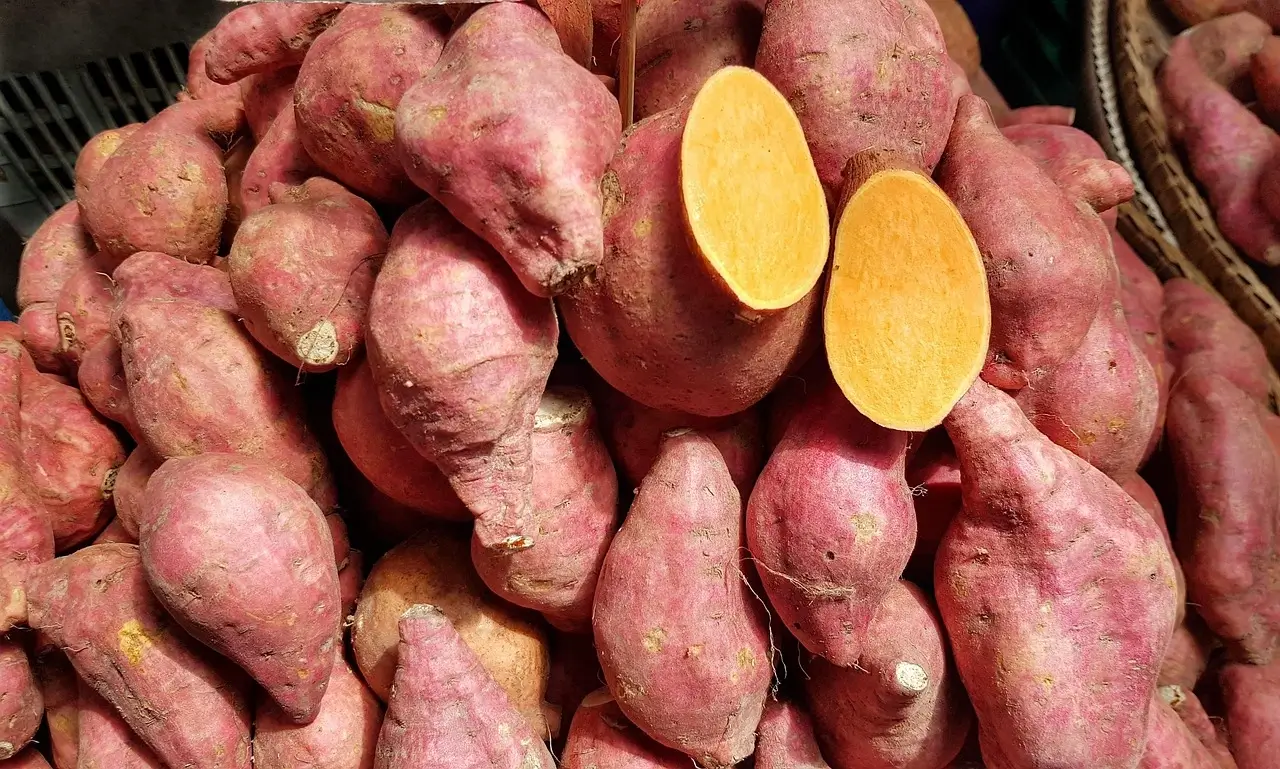
🍠 The Surprising Role Of Sweet Potato In Modern Perfumes
At first glance, sweet potato seems more at home in a kitchen than in a perfume lab. It’s associated with comfort food, autumn dinners, and sweet desserts—not luxury bottles or niche fragrances. Yet, in recent years, this humble root has quietly inspired perfumers looking for new gourmand, earthy, and natural scent profiles.
Modern perfumery thrives on surprise. As consumers in the U.S. grow more curious about unconventional fragrance ingredients, perfumers are experimenting beyond traditional florals and woods. Sweet potato, with its natural sweetness and subtle earthiness, has become an unexpected source of inspiration in contemporary scent creation.
🌱 Why Modern Perfumery Looks Beyond Traditional Ingredients
For decades, perfumes relied heavily on familiar notes: rose, jasmine, sandalwood, vanilla, and musk. While these ingredients remain essential, the American fragrance market has shifted toward storytelling, uniqueness, and emotional connection.
Today’s perfume lovers want scents that feel:
- Unexpected yet comforting
- Edible but not overpowering
- Natural, warm, and slightly nostalgic
This demand has pushed perfumers toward food-inspired notes, especially those that balance sweetness with depth. Sweet potato fits perfectly into this modern trend.
🍠 The Scent Profile of Sweet Potato Explained
Sweet potato doesn’t smell like candy. Its aromatic character is more complex and subtle, making it ideal for sophisticated compositions rather than literal “food scents.”
Key aromatic impressions:
- 🌾 Soft sweetness (less sharp than vanilla)
- 🌰 Earthy undertones reminiscent of roots and soil
- 🍯 Creamy warmth when roasted or caramelized
- 🌿 Mild vegetal nuance that adds realism
These qualities allow perfumers to use sweet potato-inspired accords as a background enhancer rather than a dominant note.
🧪 Is Sweet Potato Actually Used in Perfume?
In most cases, sweet potato is not directly distilled into perfume oil like rose or lavender. Instead, it plays a role in modern perfumery in two main ways:
- Aromatic Inspiration
Perfumers recreate the scent impression of sweet potato using a blend of natural and synthetic aroma molecules.
2. Fermentation & Biotech Pathways
Sweet potato starches can be used in fermentation processes that help produce aroma compounds, aligning with the growing interest in biotech and sustainable perfumery.
This approach allows brands to reference sweet potato without compromising stability or longevity.
🍰 Sweet Potato and the Rise of Gourmand Fragrances
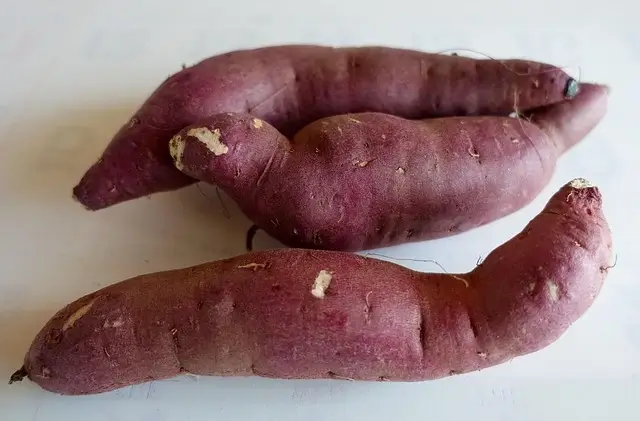
The popularity of gourmand perfumes in the U.S. has exploded over the last decade. While early gourmands focused on chocolate and vanilla, modern versions are more nuanced.
Sweet potato offers:
- A less sugary alternative to caramel
- A cozy, baked warmth perfect for fall and winter fragrances
- A bridge between edible sweetness and woody depth
This makes it ideal for unisex and niche perfumes aiming for sophistication rather than dessert-like intensity.
📊 Sweet Potato vs Other Sweet Notes in Perfumery
| Ingredient | Sweetness Level | Earthy Depth | Common Use |
|---|---|---|---|
| Vanilla | High | Low | Base note, gourmand |
| Tonka Bean | Medium-High | Medium | Warm, creamy blends |
| Caramel | Very High | Very Low | Bold gourmand scents |
| Sweet Potato | Medium | High | Modern, experimental accords |
This comparison shows why sweet potato-inspired notes appeal to perfumers seeking balance rather than excess.
🌍 Sustainability and Natural Appeal
American consumers are increasingly aware of sustainability and ingredient transparency. Sweet potato aligns well with this mindset:
- Widely cultivated and renewable
- Associated with plant-based innovation
- Compatible with eco-conscious branding narratives
Even when not directly used, referencing sweet potato supports a natural, farm-to-fragrance image that resonates with modern buyers.
🧠 Emotional and Psychological Impact of Sweet Notes
Fragrance is deeply tied to memory. Sweet potato, especially in roasted or baked form, evokes:
- Family gatherings
- Seasonal comfort
- Warm kitchens and shared meals
In perfume, this translates into emotional warmth and approachability, making fragrances feel personal rather than distant or overly luxurious.
🧴 How Perfumers Use Sweet Potato Accords
Sweet potato-inspired notes are rarely the star of a fragrance. Instead, they often appear:
- In the heart or base of gourmand compositions
- Blended with vanilla, woods, amber, or spices
- Used to soften sharp edges in woody or smoky perfumes
This subtle use creates depth without making the fragrance smell “edible.”
🔗 Sweet Potato Within the Bigger Food-Fragrance Trend
Sweet potato is part of a broader movement where perfumers explore ingredients once considered unusual—grains, vegetables, teas, and roots. If this direction fascinates you, you may enjoy exploring how other unexpected ingredients influence scent creation, such as tea-based or earthy accords discussed in related fragrance culture articles.
🔮 Will Sweet Potato Become a Mainstream Perfume Note?
It’s unlikely that sweet potato will appear boldly listed on many perfume bottles. However, its conceptual role is growing. As niche perfumery continues to influence mainstream brands, ingredients inspired by comfort foods and earthy sweetness will likely gain more visibility.
Sweet potato represents:
- Innovation without shock value
- Familiarity without cliché
- Warmth without heaviness
These qualities ensure it has a place in the future of modern perfumery.
✨ Final Thoughts:
The surprising role of sweet potato in modern perfumes isn’t about literal scent extraction—it’s about inspiration, balance, and emotional resonance. As perfumers push boundaries and American consumers seek fragrances that feel authentic and comforting, even the most unexpected ingredients can shape the future of scent.
Would you be curious to try a perfume inspired by sweet potato and other comfort-food notes, or do you prefer classic floral and woody scents? Share your thoughts in the comments—we’d love to hear your perspective.
Discover more from Perfume Cultures
Subscribe to get the latest posts sent to your email.






2 Comments