🌿 Did The Inca People Use Perfume? Exploring Ancient Fragrance Traditions
Perfume has long been considered a symbol of luxury, self-expression, and ritual across cultures. While we often associate fragrances with Europe or the Middle East, the ancient Americas had their own fascinating traditions. Among these civilizations, the Inca people of South America cultivated a rich understanding of scent, utilizing natural ingredients for personal, ceremonial, and spiritual purposes.
In this article, we’ll explore Inca perfume traditions, uncover the ingredients they favored, and understand how their fragrant practices connected to their society and beliefs.
🌺 The Cultural Importance of Scent in Inca Society:
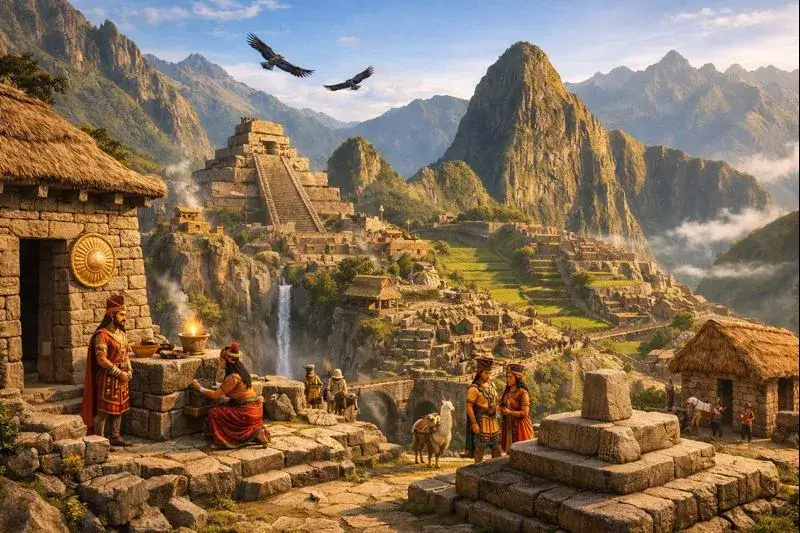
For the Inca, scent was more than just a pleasant aroma; it was intertwined with religion, social status, and daily life. The Inca Empire, stretching across modern-day Peru, Ecuador, Bolivia, and Chile, thrived between the 13th and 16th centuries. In this vast civilization, rituals played a pivotal role, and fragrant materials were central to many ceremonies.
Priests and leaders often used incense and aromatic oils to communicate with deities or honor ancestors. Perfumes were sometimes reserved for the elite, signaling status and refinement. The Inca believed that scents could purify spaces, ward off negative energies, and even carry prayers to the gods.
🌿 Natural Ingredients Behind Inca Fragrances:
The Incas had deep knowledge of the natural environment, using plants, flowers, and resins to create fragrant substances. Some of the most commonly used materials included:
- Copal resin – A natural tree resin burned during ceremonies to produce a sweet, earthy aroma.
- Andean herbs – Plants like muña (Andean mint) and coca leaves were used for their aromatic properties.
- Flowers – Native blooms such as amaranth and cantuta were integrated into oils or rubbed on the skin.
- Animal-based ingredients – While less common, certain animal fats were infused with fragrances to create perfumes for special occasions.
These ingredients were often blended with oils or burned as incense. Unlike modern perfumes that emphasize longevity and complexity, Inca fragrances prioritized spiritual impact and natural scent.
🔥 Rituals and Ceremonial Use of Perfume:
Perfume and incense held a sacred place in Inca religious rituals. Temples, sacred spaces, and royal gatherings frequently featured aromatic smoke rising from copal or flower-based incense. The Inca performed offerings to Pachamama (Mother Earth) and Inti (the Sun God) by burning fragrant resins, believing that the rising scent carried their prayers.
Perfume was also used in life milestones, including weddings, births, and funerals. Applying fragrant oils during these events symbolized purity, protection, and connection to the divine. In many ways, scent was a bridge between the material and spiritual worlds.
🏛️ Perfume as a Marker of Status:
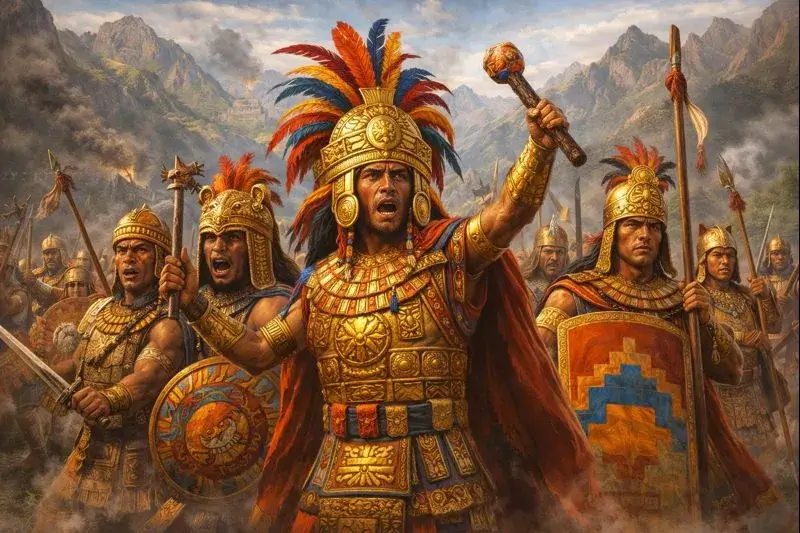
Not all Inca people had equal access to fragrant substances. The most potent and exotic scents were often reserved for the nobility, priests, and rulers. Elaborate ceremonies would feature perfumes that demonstrated wealth, influence, and spiritual authority.
Interestingly, some researchers suggest that the Incas may have had a proto-perfume trade, exchanging aromatic ingredients with neighboring cultures like the Wari and Tiwanaku. This highlights the broader importance of fragrance as a cultural currency in ancient South America.
🌱 Techniques of Making Inca Perfumes:
Unlike contemporary perfumery that relies on alcohol as a solvent, the Inca used oils, animal fats, and resins to extract and preserve fragrances. Techniques included:
- Infusion – Crushing flowers or herbs and soaking them in oil to capture the scent.
- Combustion – Burning resins and herbs to release fragrant smoke during ceremonies.
- Topical application – Applying aromatic pastes or oils directly to the skin for personal fragrance.
These methods ensured that the scents were natural, biodegradable, and deeply connected to the environment—a stark contrast to some synthetic methods in modern perfumery.
🌸 Comparing Inca and Other Ancient Perfume Traditions:
While Europe, Egypt, and the Middle East often focused on luxury and exoticism in fragrance, the Inca approach was rooted in spirituality and nature. A quick comparison:
| Civilization | Perfume Ingredients | Primary Purpose |
|---|---|---|
| Inca | Flowers, herbs, copal resin, animal fats | Religious rituals, social status, purification |
| Egypt | Frankincense, myrrh, oils, flowers | Funerary rituals, personal luxury |
| Greece | Oils, herbs, floral extracts | Personal fragrance, medicine, beauty |
This table highlights the unique focus of Inca perfumery on spiritual and ritual significance, which remains a fascinating subject for researchers today.
🌏 Legacy of Inca Fragrance Practices:
Though the Inca Empire ended in the 16th century, its influence on natural fragrance traditions persists in Andean communities. Some modern artisans draw inspiration from Inca methods, creating perfumes and incense using ancient plants and resins. This continuity preserves a cultural connection to a rich, aromatic past.
Inca perfumery also challenges modern perceptions of fragrance, reminding us that perfume is not just a personal accessory—it can be a reflection of cultural identity, spirituality, and respect for nature.
If you’re fascinated by the intersection of ancient cultures and modern perfumery, check out our article on “The Surprising Role of Palm in Modern Perfume Brands” to see how natural ingredients continue to shape fragrances today.
💬 Your Thoughts?
Did this exploration of Inca fragrance traditions surprise you? What ancient perfume practices would you love to see revived in modern times? Share your thoughts in the comments below!
Discover more from Perfume Cultures
Subscribe to get the latest posts sent to your email.