

Did The Aztecs Use Perfume? Exploring Ancient Fragrance Traditions 🌿🕯️
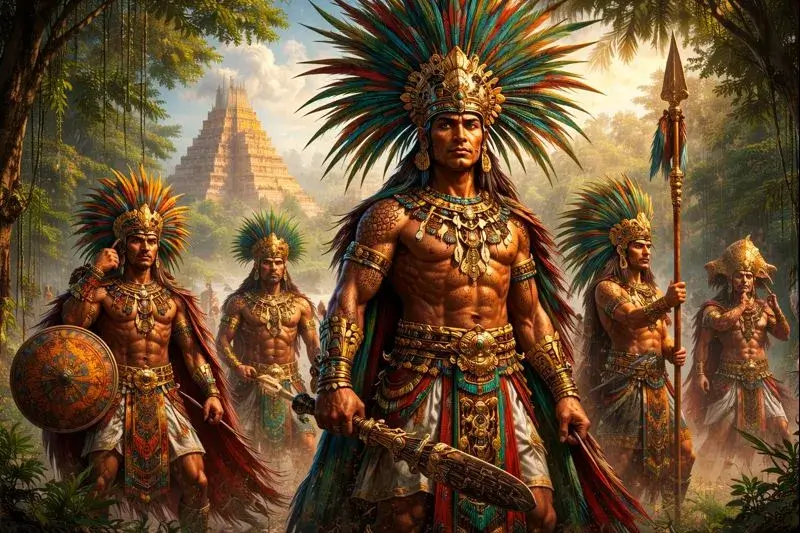
When we think of perfumes today, images of sleek bottles and luxury brands come to mind. But the concept of fragrance is far older than modern marketing. The Aztecs, one of the most advanced civilizations in pre-Columbian Mesoamerica, had a profound appreciation for scents. From sacred rituals to everyday life, fragrances played a crucial role in Aztec society.
In this article, we explore how the Aztecs used perfume, the materials they treasured, and how these ancient fragrance traditions influenced cultural and religious practices.
The Role of Fragrance in Aztec Society 🌸🏛️:
The Aztecs did not see perfume merely as a tool for personal grooming. Scents were deeply intertwined with their spiritual and social lives. Flowers, resins, and aromatic woods were considered gifts from the gods, used to honor deities and enhance ceremonial experiences.
Perfumes and scented substances were also status symbols. Nobility and priests often had access to rare ingredients, showcasing their wealth and spiritual authority. Even warriors might use aromatic oils before battles, both to protect themselves and to invoke divine favor.
Ingredients of Aztec Perfumes: Nature’s Bounty 🌿🌼:
The Aztec perfume palette was diverse and surprisingly sophisticated. Some of the most valued ingredients included:
- Copal Resin: A fragrant tree sap burned as incense in rituals. Copal was believed to purify spaces and connect the living with the gods.
- Vanilla: Native to Mesoamerica, vanilla was treasured for its sweet aroma, often infused into oils or crushed for ceremonial use.
- Cacao: Beyond chocolate, cacao flowers and beans were used in scented pastes, offering a rich, earthy fragrance.
- Flowers: Marigolds, jasmine, and other blossoms were common in perfumes, garlands, and ritual offerings.
- Aromatic Woods: Sandalwood-like woods were valued for their grounding scent, used in both religious and personal applications.
These natural ingredients were often combined into oils, incense, or scented powders. The result was a complex aromatic experience, far beyond simple floral scents.
Perfume in Aztec Rituals: Spiritual Significance 🕯️✨
Fragrance was central to Aztec religious ceremonies. Priests would burn copal and other resins to cleanse temples, accompany prayers, and honor gods like Quetzalcoatl and Huitzilopochtli. Perfumes were also essential in rites of passage, including births, weddings, and funerals.
Interestingly, scents were believed to influence the human soul. A pleasing fragrance could attract positive energy, while unpleasant smells might ward off evil spirits. In this way, the Aztecs viewed perfume as both protective and transformative.
Personal Use: Daily Perfume Practices 🌸🛁
Beyond rituals, Aztecs applied scents in their daily lives. Oils infused with flowers and herbs were rubbed on the skin or hair. Scented baths were common among the elite, combining hygiene with luxury and spiritual cleansing.
Women often wore elaborate floral headpieces infused with aromatic oils, while men might dab perfumed resins on their clothing before social events or dances. Perfume was more than decoration; it communicated status, health, and sophistication.
Crafting Perfumes: The Art of Aztec Scent-Making 🎨🌿
Creating perfumes in Aztec society was a delicate process. Ingredients were harvested at specific times to maximize fragrance. Flowers were collected at dawn, when their scent was strongest. Resins were carefully purified before blending.
Perfumes could be applied as oils, powders, or in incense. Aztec artisans were skilled in balancing aromas, combining sweet, earthy, and floral notes to evoke specific moods or spiritual effects. This craftsmanship reveals a deep understanding of olfactory science, centuries before modern chemistry.
Comparisons to Other Ancient Civilizations 🌏🏺
The Aztecs were not alone in valuing fragrances. Ancient Egyptians used scented oils and incense in temples and tombs, while Greeks and Romans created complex perfumes for personal and religious use. However, the Aztec approach was unique in its integration of perfumes into both spiritual and everyday life, blending ritualistic, aesthetic, and practical applications seamlessly.
The Legacy of Aztec Fragrance Traditions 🌿🔮
While modern perfume largely evolved in Europe, traces of Aztec fragrance traditions survive today. Vanilla, cacao, and copal continue to influence contemporary scents. Some niche perfumers even create products inspired by Mesoamerican ingredients, paying homage to these ancient practices.
Studying Aztec perfumes offers more than historical curiosity—it provides insight into a culture that valued sensory experiences as deeply connected to spirituality, identity, and social structure.
Conclusion: The Timeless Power of Scent 🌺💫
Perfumes were far more than decorative in Aztec society—they were a bridge between the material and spiritual worlds. By exploring ancient fragrance traditions, we gain a richer understanding of the Aztecs’ complex relationship with nature, ritual, and beauty.
Next time you spritz a modern fragrance, remember that the love for scent spans centuries and civilizations. The Aztecs remind us that perfume is not just about smell—it’s about ritual, symbolism, and human connection.
🧭 Internal Linking with Contextual Call-to-Action: If you enjoyed learning about Aztec perfume traditions, explore our article “The Surprising Role of Palm in Modern Perfume Brands” to discover how natural ingredients continue to shape the fragrance world.
Which Aztec-inspired scent would you love to try in modern perfume? Share your thoughts in the comments below!
Discover more from Perfume Cultures
Subscribe to get the latest posts sent to your email.


One Comment