
🏹 Did the Mongols Use Perfumes? Exploring their Fragrance Traditions

When you think of the Mongols, what comes to mind are vast steppes, horseback warriors, and the legendary conquests of Genghis Khan. But beyond their military prowess, the Mongols had a rich cultural tapestry that included unique traditions, including their use of perfumes and fragrances.
While not as widely documented as European or Middle Eastern perfume history, evidence suggests that scents played a subtle but significant role in Mongol life.
🐎 The Cultural Context of Mongol Life:
To understand how the Mongols approached fragrances, it’s important to grasp their lifestyle. Living in the harsh steppes of Central Asia required practicality, but it did not eliminate the desire for sensory pleasures. Mongols valued cleanliness and personal grooming, partly due to religious influences such as Tengriism, which emphasized harmony with nature and spiritual balance.
In daily life, the Mongols relied heavily on animal-based products. Skins, wool, and dairy were staples, and these materials also influenced their approach to fragrance. For instance, scented oils or herbal infusions could be applied to hair or clothing to mask odors from the rugged environment.
🌿 Natural Ingredients in Mongol Fragrance Practices:
Unlike modern perfumery with synthetic compounds, the Mongols depended on natural ingredients. Historical accounts suggest they used a mix of herbs, resins, and animal fats to create subtle aromas. Common ingredients likely included:
- Juniper and cedarwood: Burned to purify tents and homes.
- Sandalwood and myrrh: Imported via trade routes, used for ceremonial purposes.
- Animal oils and fats: Mixed with herbs to create wearable scents.
These ingredients were not just for pleasure—they had practical applications too. For example, burning juniper served both as a disinfectant and a fragrance, a necessity in nomadic life where maintaining hygiene was challenging.
🏕️ Perfumes and Daily Life:
Perfumes in Mongol society were not primarily about personal vanity, as in some European courts. Instead, they were closely tied to daily rituals and hospitality. Guests were often welcomed with aromatic oils and incense, demonstrating respect and social etiquette.
Mongol warriors also used scented oils to protect their skin from harsh climates. Mixing animal fats with fragrant herbs not only smelled pleasant but also provided a barrier against cold winds and dust—a practical form of self-care that doubled as subtle perfumery.
🏹 Ceremonial and Spiritual Uses:
Mongols had a profound respect for spiritual and ritual practices, and fragrances played a part here as well. In shamanistic ceremonies, burning incense and using scented oils was believed to ward off evil spirits and purify spaces.
During significant events such as weddings or tribal councils, aromatic substances were used to mark the occasion. Historical texts suggest that these scents were carefully chosen to reflect status and reverence, similar to how European royals would employ exclusive perfumes during formal ceremonies.
🌏 Trade and the Introduction of Exotic Scents:
Although the Mongols were nomadic, they controlled vast trade networks across Eurasia, including parts of the Silk Road. This exposure introduced them to exotic perfumes and spices from Persia, India, and China.
Through trade, they encountered:
- Frankincense and myrrh from Arabia and East Africa.
- Cinnamon, cloves, and saffron from India and Southeast Asia.
- Chinese floral essences like jasmine and osmanthus.
These imported fragrances were often reserved for elites or special occasions, indicating that while the average Mongol may have used simple herbal scents, the ruling class had access to a more luxurious olfactory experience.
🐴 Fragrance and Mongol Identity:
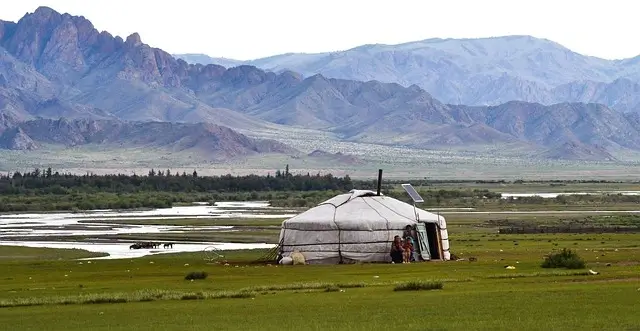
Interestingly, scents were also tied to identity and social perception. A warrior who carried a pleasant aroma might be perceived as more refined, disciplined, or spiritually attuned. Even amidst battles and long campaigns, the careful use of perfumes and scented oils could convey status and personal care.
For Mongol women, herbs and floral infusions were often used in hair and clothing. While modest compared to modern standards, these practices reflect a consistent appreciation for personal fragrance across genders.
🧪 Techniques and Methods of Application:
Mongols had simple but effective techniques for applying fragrances. Without elaborate distillation methods, they relied on:
- Infused oils: Herbs and resins soaked in animal fat or plant oils.
- Burned incense: Aromatic woods or herbs burned in tents or ceremonial spaces.
- Powdered scents: Finely ground herbs applied to clothing or bedding.
These methods highlight the resourcefulness of the Mongols—they adapted available materials to maintain hygiene, comfort, and aesthetic appeal, all while living a nomadic lifestyle.
🔄 Influence on Neighboring Cultures:
The Mongols’ use of fragrances also influenced the regions they conquered. From China to Persia, Mongol practices introduced nomadic scent traditions that mingled with local perfumery. For instance, the Mongols’ use of animal fat-based scents may have inspired certain Central Asian and Siberian perfume blends, which continue to influence local fragrance culture today.
🗺️ Modern Perspectives on Mongol Perfume Practices:
Today, few detailed records exist of Mongol perfumes, making it a niche but fascinating area for historians and perfume enthusiasts. Modern ethnobotanists and cultural historians have tried to reconstruct these scents using known ingredients and techniques, giving us a glimpse into how a warrior society balanced practicality with sensory experience.
Mongol-inspired fragrances, though rare, are sometimes created by contemporary perfumers who aim to capture the aroma of the steppes, blending wild herbs, resins, and subtle animalic notes to evoke the nomadic spirit.
📜 Lessons from the Past:
The story of Mongol fragrances teaches us that perfumery is not just about luxury—it reflects lifestyle, environment, and cultural values. In the case of the Mongols:
- Fragrances were practical, protecting skin and masking odors.
- They were ceremonial, marking social and spiritual occasions.
- They were influenced by trade, connecting a nomadic people to distant cultures.
By exploring these traditions, we gain insight into a culture often remembered only for conquest, revealing a more nuanced picture of Mongol life.
If you’re fascinated by how ancient cultures approached scents, you might enjoy our articles on Korean Perfume Traditions, which dive deep into other historical approaches to perfumery across civilizations.
Curious to imagine what the Mongol steppes smelled like? Share your thoughts on which fragrances you think would survive a nomadic adventure!
Discover more from Perfume Cultures
Subscribe to get the latest posts sent to your email.