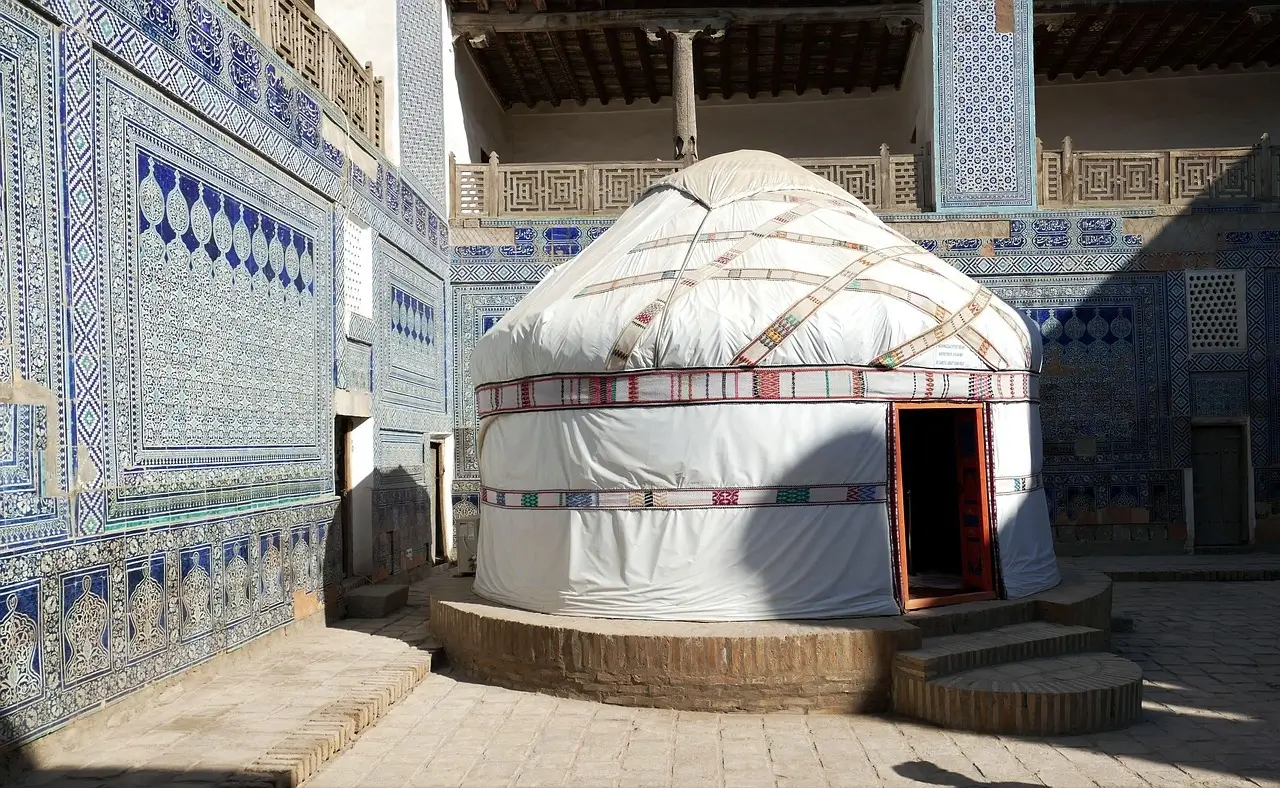
🏹 Did the Huns Use Perfume? Exploring Ancient Fragrance Practices

Throughout history, fragrance has been more than just a pleasant scent—it has symbolized power, spirituality, and identity. From the perfumed temples of Egypt to the incense-filled palaces of Rome, scent was a defining part of civilization. But what about the Huns, the fearsome nomadic warriors who swept across Europe and Asia? Did these fierce horsemen use perfume or any form of fragrance rituals? Let’s explore the fascinating, lesser-known world of ancient scent practices among the Huns and their neighbors.
🏔️ Who Were the Huns? A Glimpse into Their Nomadic World:
Before we talk about perfume, we need to understand who the Huns were. Emerging around the 4th century CE, the Huns were nomadic tribes believed to have originated from Central Asia, later spreading across the Eurasian steppe into Eastern Europe. Known for their exceptional horsemanship, military strategy, and fearsome raids, they changed the course of history—especially under the leadership of Attila the Hun.
However, despite their reputation for brutality, the Huns were not entirely barbaric. Archaeological evidence suggests they had complex trade networks and cultural exchanges with both the Roman Empire and various Asian civilizations. This interaction may have introduced them to the concept of fragrance and hygiene, even if they didn’t use “perfume” in the luxury sense known to Romans or Persians.
🌿 Fragrance in the Ancient World: Setting the Scene:
To understand whether the Huns used perfume, it helps to see how fragrance culture functioned in neighboring civilizations:
| Civilization | Perfume Use | Common Ingredients | Cultural Purpose |
|---|---|---|---|
| Romans | Highly developed | Rose, myrrh, cinnamon | Luxury, seduction, and hygiene |
| Chinese | Spiritual and medicinal | Sandalwood, camphor, herbs | Balance and harmony |
| Persians | Sophisticated perfumery | Amber, musk, floral essences | Status and refinement |
| Scythians (steppe nomads) | Basic scent rituals | Fat-based oils, herbs, resins | Hygiene and ritual |
As the Huns interacted with these cultures, they likely absorbed some scent-related practices, adapting them to their rugged nomadic lifestyle.
🔥 Did the Huns Use Perfume? Evidence and Interpretation:
No written records from the Huns themselves survive. What we know comes from Roman historians, Chinese chronicles, and archaeological findings. While there’s no direct proof that the Huns crafted or wore “perfume” as we define it today, several clues suggest they valued aromatic substances in their daily life.
1- Trade with Eastern Civilizations:
The Huns had access to trade routes connecting China, Persia, and Byzantium, where incense, aromatic oils, and spices circulated. It’s possible that they used simple forms of fragrance, such as animal fat infused with herbs, for both practical and ritualistic reasons.
2- Preservation and Rituals:
Like other steppe cultures, they likely used smoke and herbs for purification rituals—burning aromatic plants to cleanse weapons or bodies before battle. Smoke served not only spiritual purposes but also practical ones, such as repelling insects and masking odors after long travels.
3- Influence from the Silk Road:
Through contact with Silk Road traders, the Huns may have been exposed to Chinese incense and Persian perfumes, possibly incorporating them during ceremonies or trade interactions.
So while the Huns didn’t have ornate perfume bottles or luxurious oils, aroma still had meaning in their world—it was tied to survival, ritual, and identity rather than vanity.
🪶 The Huns’ Hygiene and Scent Habits:
Historical accounts from Roman writers, such as Ammianus Marcellinus, describe the Huns as living harshly, often avoiding bathing or changing clothes. However, Roman sources were biased, viewing nomads through a lens of superiority.
Modern historians suggest the Huns practiced basic forms of hygiene—perhaps using animal fat, ash, and herbs to clean themselves. Fat-based mixtures, when infused with aromatic plants like thyme or sage, could serve as early deodorants or protective skin balms against the elements.
Thus, even if they didn’t wear “perfume,” their natural scent practices had functional and symbolic value, bridging survival and self-expression.
🏺 Contrasting the Huns with Perfume-Loving Civilizations:
The Huns’ rugged lifestyle starkly contrasts with civilizations where fragrance symbolized luxury.
| Aspect | The Huns | Romans | Persians |
|---|---|---|---|
| Lifestyle | Nomadic and harsh | Urban and opulent | Cultured and refined |
| Perfume Materials | Herbs, smoke, fat | Oils, flowers, spices | Amber, musk, rose |
| Purpose | Ritual and protection | Pleasure and hygiene | Status and beauty |
| Application | Primitive, practical | Decorative and social | Ceremonial and elite |
This comparison shows how cultural context shaped fragrance use. For the Huns, scent was earthy and utilitarian, while for empires, it was sensual and symbolic.
⚔️ Fragrance and Power: Symbolism Among Warriors:
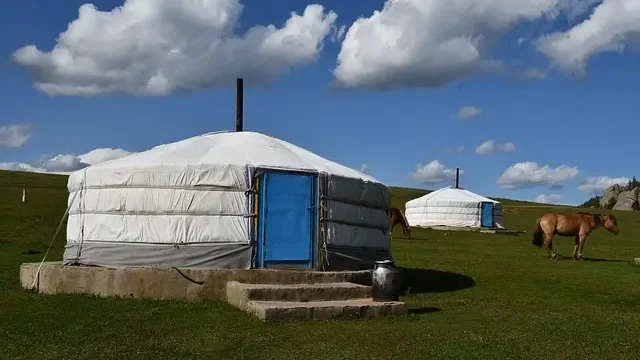
In many ancient societies, fragrance carried power. Warriors burned incense before battle, not only for divine favor but also to intimidate enemies or to strengthen morale. It’s possible that Hunnic leaders adopted similar rituals—burning juniper, pine, or aromatic herbs before warfare as a spiritual or communal act.
Even the concept of “cleansing smoke” appears across nomadic tribes of Eurasia. The Scythians, cultural predecessors of the Huns, used hemp smoke and aromatic herbs in purification rituals. This continuity hints that the Huns inherited or reinvented such customs, merging spirituality with practicality.
🌸 A Fragrance of the Steppes: What the Huns Might Have Smelled Like:
Imagine stepping into a Hunnic camp:
The smell of smoke from campfires, leather saddles, horse sweat, and perhaps the faint aroma of burning herbs carried across the cold steppe air. To a Roman ambassador, this mixture might have seemed wild and alien—but to the Huns, it was home.
Their “perfume” wasn’t bottled—it was woven into the elements of their lifestyle. The mingling of earth, smoke, and animal scents created a fragrance that reflected resilience, movement, and survival.
💭 Conclusion: The Scent of a Warrior Civilization:
So, did the Huns use perfume?
Not in the luxurious sense familiar to the ancient Romans or Persians—but they did engage with aromatic materials that played symbolic, protective, and ritual roles. Their relationship with scent was grounded in function, faith, and survival, not fashion.
In many ways, this reflects a broader truth: fragrance is universal, but how it’s used depends on the world people live in. For the Huns, a whiff of smoke or the resinous scent of pine was their connection to the land, the gods, and their identity as nomads of the steppes.
💬 Final Interactive Line:
What ancient culture’s scent traditions intrigue you the most — the spiritual incense of Asia, the floral oils of Rome, or the smoky rituals of the steppe nomads like the Huns? Share your thoughts below and keep the conversation alive!
If you’re fascinated by how ancient cultures expressed identity through scent, you might enjoy exploring how other civilizations approached perfume. Dive into articles like “Perfume in Korean Culture: Tradition Meets Modern Beauty” or “Discover the Secrets Behind Italy’s Iconic Perfume Houses” to see how fragrance evolved from ancient rituals into modern artistry.
💬 “Which ancient scent tradition fascinates you the most — the smoky rituals of the Huns, the luxurious perfumes of Rome, or the spiritual incense of Asia? Share your thoughts and join the conversation!”
Discover more from Perfume Cultures
Subscribe to get the latest posts sent to your email.